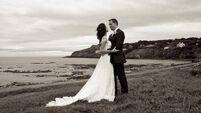
What a Difference a Day Makes with Paula Fagan: 'The marriage referendum was healing'
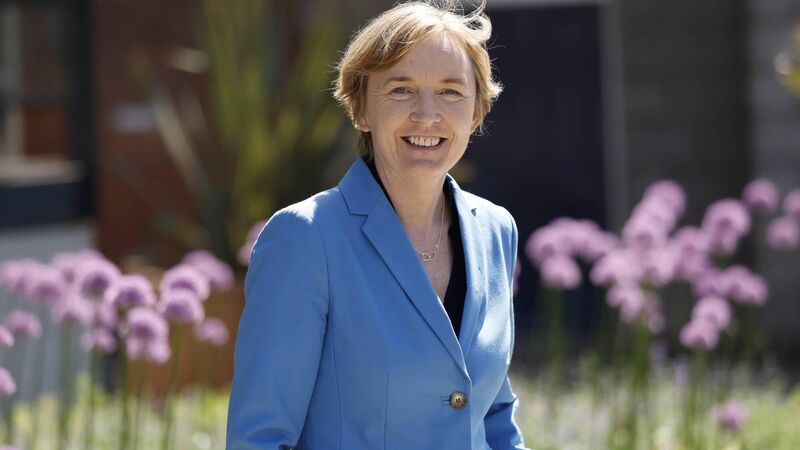
I grew up in Drogheda in the 1970s and ‘80s. I knew I was different from very young.
Hearing people talk about getting married, I knew deep down it wasn’t going to be me, not that I knew about attraction. By my early teens I had my first crush on a girl — I knew then for sure.
But I also knew not to say anything. There was a lot of overt homophobia in those years.
I knew who I was, and that it wasn’t safe to say it. Later, working on the LGBT helpline, I’ve seen people hate it in themselves — I didn’t. I always accepted it in myself, but was wise enough to know it wasn’t safe to say.
When I was 12, walking through a Drogheda shopping centre, there was a shop selling tellies.
Through the window you could see Wimbledon on, Martina Navratilova playing. Two older women were standing nearby, talking in a very derogatory way — Navratilova had come out by then — sneering comments, about how she looked, her sexuality.
I remember thinking, 'oh God! That’s what they’d think of me if I said anything'.
At 16, I worked in a wholesale electrical company, a lot of male staff, most who came in were tradesmen, electricians.
Very chilling when I was 16. That chill factor you absorb when the norms are a certain way.
I found it all hard to shake when I wanted to come out. Only when I moved to Dublin, worked in a progressive organisation, did I feel able to come out, start living an authentic life.
The passing of the marriage referendum was definitely healing. My partner, Denise, and I had been involved in the Marriage Equality campaign since 2006.
We also volunteered with the national Yes Equality campaign and canvassed door-to-door for the referendum.
There were ups and downs. I remember knocking on one door, a young couple answering, they saw our badges and before we could say anything: ‘It’s a yes from us’.
And the people in the house all shouting: ‘It’s a yes from us too’. It was just joy, to feel that support, no hesitation – ‘It’s a yes from us’.
Another lovely moment: an old, frail man. It’s our own ageism, but we expected a no. And it was a really strong yes, just very clear — ‘I want to vote yes’.
A week before the vote, we knocked on a series of doors on a road near our sons’ schools – one no after another. The worst: having to walk up that street every day, knowing all these people don’t support us.
That Thursday was strong nos – there had been a TV debate the night before… we wondered were there more silent nos than we thought. It was very disheartening so close to polling day, really deflated us.
The night before the vote, a knock on the door – our babysitter who’d moved to New York, she’d flown home to vote yes. That was a lovely moment.
We went to the RDS — such a celebration! Once the boxes opened, it was clear it would be a win.
That it was geographical was amazing — for everyone who grew up in a small town, to know your town voted yes was massive, meant so much. Like a big embrace… it was very healing.
At the party for the national volunteers, Mary McAleese came in… when she read over one million yes votes, everyone started jumping around.
Until that moment, we knew… but we didn’t. I got quite emotional — that was the moment: ‘We’ve done it’.
For Denise and me, our day-to-day didn't change hugely. We’d been together 13 years, had two children, were lucky to have lots of family support, and our children were in a progressive school.
But at an emotional level, everything changed – we felt a security we hadn't before. The anxieties we carried about our family being discriminated against fell away. I felt a weight lift. We were lighter.
The enormity of the yes vote said Ireland had changed. That people are kind. They actually do support you. I had felt different, a lot of people do, but that acceptance – ‘we love you anyway’. It gave people a lot of dignity.
It benefitted everyone – that’s what fairness does. Everyone felt better for it. It made Ireland, society, feel more open, not just for same-sex couples. Being a fair and just society is good for everyone.
The marriage referendum was important for the rights it brought. And because we remember how it felt that we’d grown up as a nation — left repression and judgment behind. And we knew that we are kind.
- This year, Ireland marked a decade of marriage equality with a call to defend LGBTQI+ rights at home and abroad.
CONNECT WITH US TODAY



Be the first to know the latest news and updates