The Spanish pilgrimage trail with a 25-kilometre section right here in Ireland
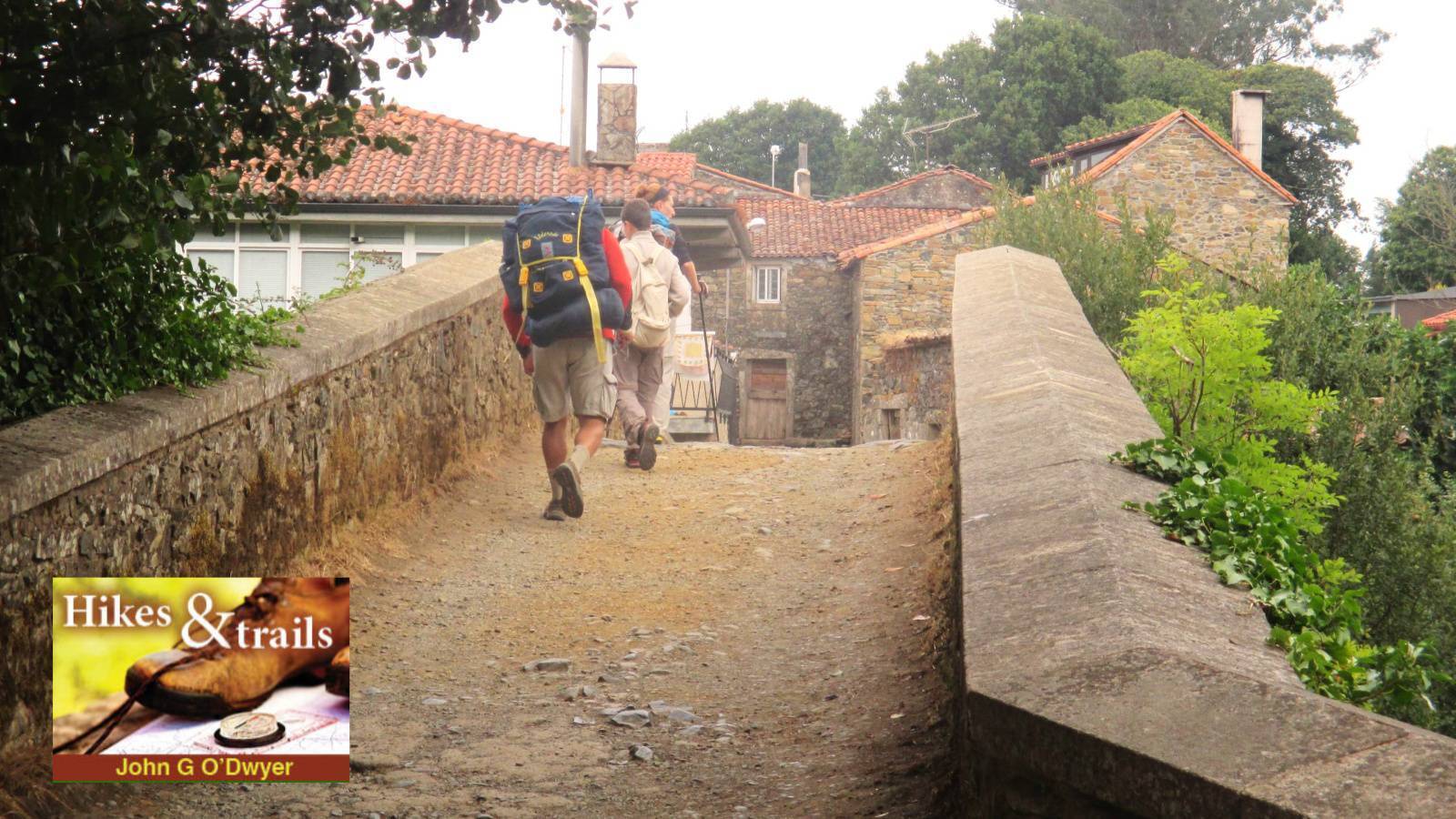
Walkers on the Celtic Camino. Picture: John G O'Dwyer
Soon after the defeat of the Gaelic chieftains at the Battle of Kinsale in 1601, Red Hugh O’Donnell sailed to A Coruña in Spain with the promise that he would return to Ireland with a large army. Following the penitential route to Santiago de Compostela, he was lavishly welcomed as an honoured guest by the archbishop. Red Hugh never made it back to Ireland, but in continuing to Santiago, he was following in the footsteps of countless Irish pilgrims who, since the 12th century, had taken a similar route to the burial place of St James.
The three great pilgrim journeys of the medieval period were to Rome, Jerusalem, and Santiago. Of these, the Spanish city was the most easily accessible for Irish penitents. It is, however, a common belief that in making their way to the tomb of St James, penitents from Ireland walked through England and France. In general, this was not the case. Mostly they found passage on merchant ships plying the busy trade route to the Spanish coastal city of A Coruña having hiked from their home to Irish ports such as Dingle, Kinsale, Waterford, and Wexford. On arrival in Spain, they then walked the relatively-short distance to Santiago.
With the great re-awakening of pilgrimage to Spain in the late 20th century, the Cathedral of Santiago decreed that to obtain a Compostela (completion certificate for a penitential journey), a pilgrim had to walk at least 100 km on any route leading to the shrine of St James. This worked fine for most routes, but the A Coruña to Santiago path was just 75km. No Compostela could, therefore, be issued — with the result that the route declined in popularity.
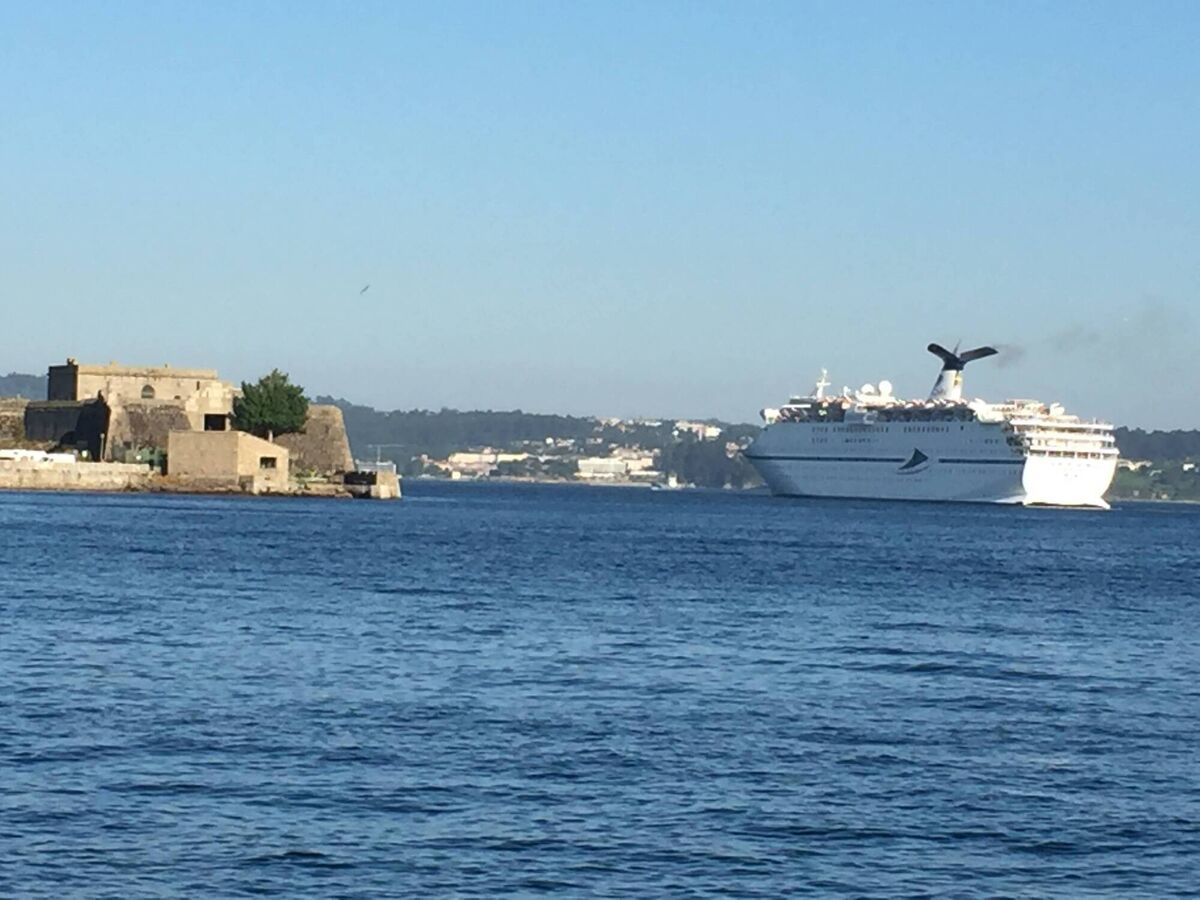
During 2016 the policy was changed. In a move that has diverted Camino spending to the Irish countryside, the Cathedral of Santiago agreed it would now count a pilgrim path walked in Ireland before arriving in Spain. The certificate for completing 25km on an Irish Pilgrim Path could now be taken to A Coruña and combined with a further 75km walk in Spain to receive the full Camino Compostela from the Santiago Pilgrim Office. In this regard, the Irish Camino Society has been designated to provide certification that the required walk has been undertaken.
Titled the Celtic Camino, and sometimes known as the 'Seafarers Route', the newly-revitalised path has proven particularly attractive to those with busy working lives: the Spanish section is a comfortable four-day walk, while the required pilgrimage in Ireland involves just a one-day outing.
- St Declan’s Way
- St Finbarr’s Pilgrim Path
- St Kevin’s Way
- Boyne Valley Camino
- Bray Coastal Rout
- the Kerry Camino
and
- Tóchar Phádraig
All these paths have a passport stamping system. This acts as convenient evidence of having completed the required Irish pilgrim walk.
Once you have completed the walk, you should bring or post the stamped pilgrim passport to the Camino Society information centre, at St James Street in Dublin. They will certify that you have walked a 25km route by issuing you with a Celtic Camino Compostela. In Santiago, you submit your stamped Pilgrim Passport for the A Corúna route along with your Celtic Camino Compostela and you will be granted a Camino de Santiago Compostela.
According to Michael Walsh of the Irish Camino Society, the Celtic Camino is proving a hit with pilgrims: “I have walked it in its entirety and can see why it has become popular."
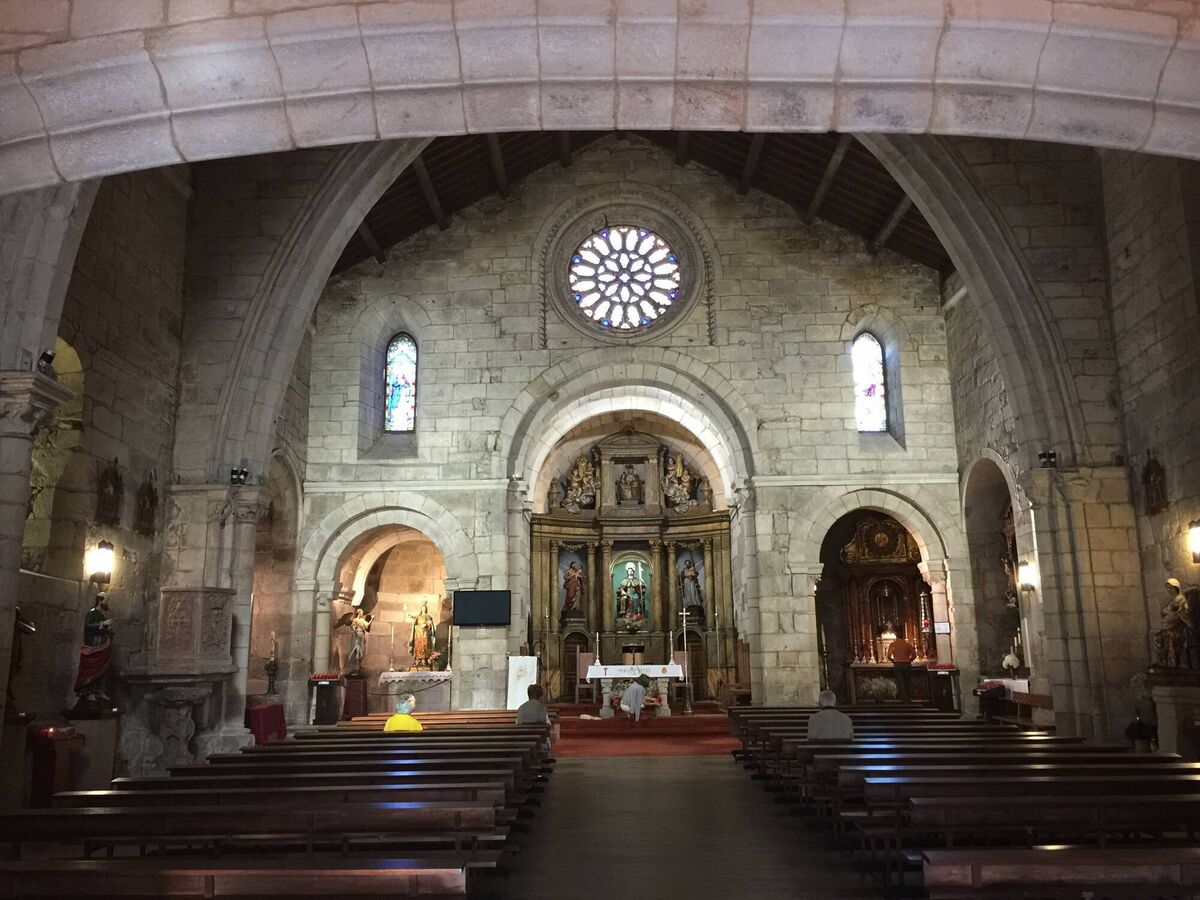
“The Celtic Camino starts at the Old Port of A Coruña, which is steeped in medieval history; then you leave the city and you are into unspoiled countryside, with the path marked extremely well. It is never boring, since there is a great variety of terrain, with the woodlands particularly attractive. What I found most attractive was, however, the idea of walking in the footsteps of Irish pilgrims and the connection this gave to our ancestors,” commented Walsh.
“Overall, I would say the Celtic Camino is a quieter route; an ideal contemplative experience for those wishing to escape the cares of 21st-century living. It is, however, less developed, so it is necessary to think it through in advance and plan ahead for the next day.”
For information on the Celtic Camino visit caminosociety.com/celtic-camino or call to the information office, St James Church, James Street, Dublin; open Thursday, Friday and Saturday.
Click here for information on pilgrim walks in Ireland. Ryanair and Aer Lingus fly direct from Dublin to Santiago. The best way to get from Santiago to A Coruña is by train. This takes about 30 minutes.
- by John G O’Dwyer, is available from gillbooks.ie
CONNECT WITH US TODAY



Be the first to know the latest news and updates