This could end up being the most radical of all our national parks...
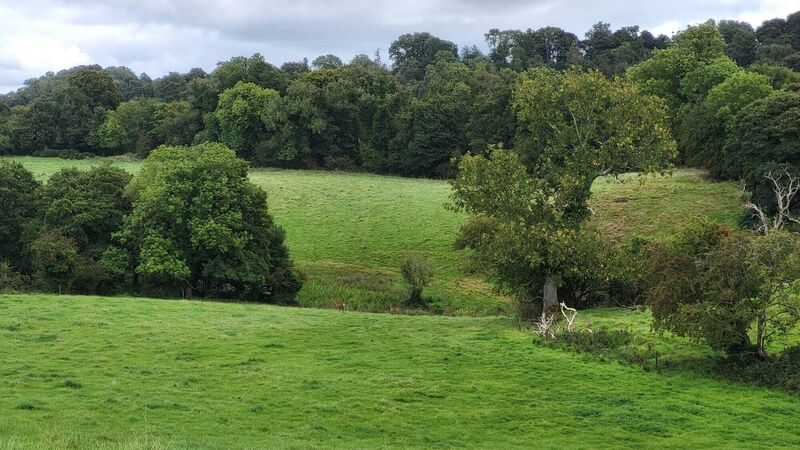
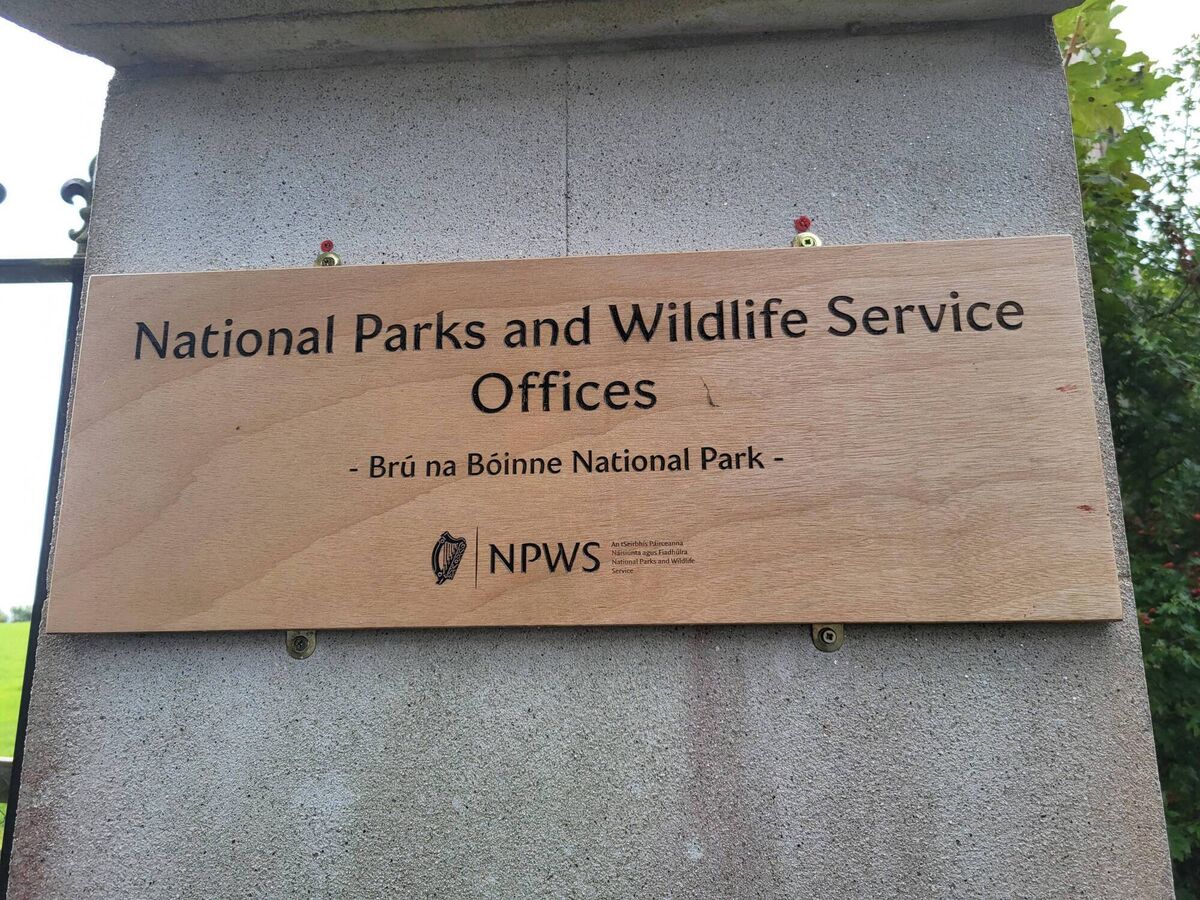
Brú na Bóinne National Park, NPWS — much of the new park is low biodiversity grassland with non-native trees. Pictures: Pádraic Fogarty
In Ireland, nearly 70% of the land is classified as being in agricultural use. More than half of all land in the country is grassland, previously a richly diverse environment with flowers, insects and ground-nesting birds but now a monoculture dependant on high levels of nutrient input and virtually devoid of biodiversity.
Perhaps the county most transformed by agriculture is Meath, up to two-thirds of it is just grass while it has one of the lowest levels of forest or peatlands.
The county is synonymous with the River Boyne, the home of the mythical bradán feasa, the salmon that held all the knowledge of the world, as well as the UNESCO world heritage site of Brú na Bóinne with its ancient human artefacts, including the 5,000-year-old passage tomb at Newgrange.
However, modernity has not been kind to the river. A 2024 report from the Environmental Protection Agency found that 74% of it was either polluted or damaged from the effects of arterial drainage works that artificially straightened it, deepened it and tore out its bankside trees. The salmon population is too low for all but catch-and-release fishing. This year, anglers warned that numbers had fallen to their “lowest level ever”.
Agriculture is the leading reason why the river is in such bad shape.
Such an intensively managed landscape may seem far removed from the typical association people might have with a National Park, which, until recently, were all in the hills or on peatlands, but in 2023 the 220 hectares of the Dowth Hall estate along the banks of the River Boyne became our seventh National Park and the only one located in the agricultural heartlands.
The press announcement at the time emphasised the important cultural and archaeological heritage of the landscape but there is very little other information available as to what is there or what plans are underway.
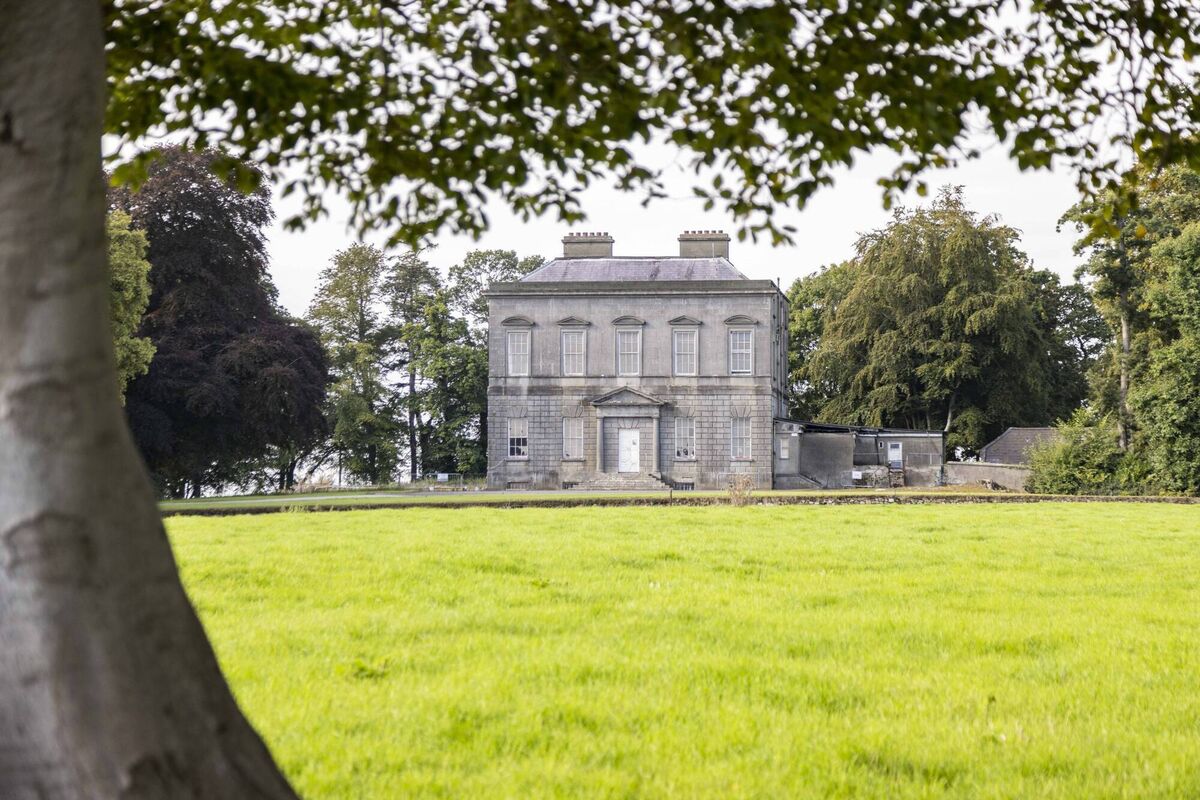
The park is not yet open to the public but in early September I got a tour with staff from the National Parks and Wildlife Service (NPWS) who are now the chief managers of the Brú na Bóinne/Boyne Valley National Park.
The built heritage is undoubtedly impressive and includes a neo-classical villa built in the 1760s with its landscaped demesne as well as prehistoric passage tombs and an enclosed henge (believed to have been a kind of sporting arena). But the fields had been managed for intensive agriculture in recent decades and so look pretty much like anywhere in Ireland. NPWS staff believe that this opens the door to possibilities not available in any of our other National Parks… the only way is up!
Apart from fields of grass with hedgerows there are a patches of woodland but these are predominantly made up of non-native trees such as beech and horse chestnut while a high deer population, like so many other places in Ireland, are suppressing the growth of new trees. These are red deer, descendants of animals imported for hunting down with packs of dogs — something that was banned in 2010.
Over time, it is hoped that these woodlands can be converted to more natural stands with oak and ash, hedgerows will be allowed to grow scruffier while work is underway to increase the diversity of the grasslands.
The application of artificial fertiliser has ceased; yellow-rattle (a flower that parasitises on grass thereby opening opportunities for other species) has been introduced and fields are cut for hay. The idea here is that the nutrient levels in the soil will diminish and so boost not only native plants that cannot compete in nutrient-rich monocultures of rye-grass, but also the many insects and invertebrates that come with them.
I was told that a possible emphasis of the new Park will be on invertebrates and it could be a showcase for butterflies, dragonflies and even humble dung beetles (important recyclers of dung but absent from many fields due to the use of worm treatments in cattle).
However, the actual vision for the Park has not been published. I was told that a Masterplan is nearing completion and will be available to the public early in 2026.
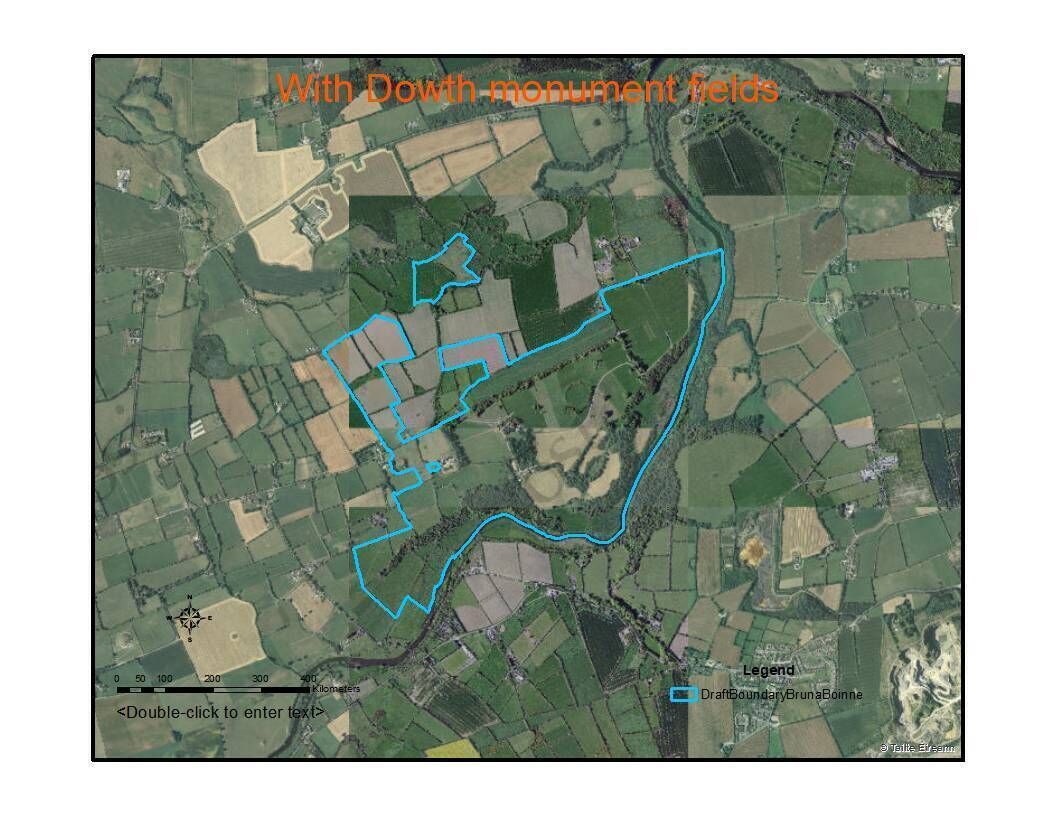
Unlike Páirc Náisiúnta na Mara in Kerry, the other new National Park announced around the same time, the Brú na Bóinne/Boyne Valley has dedicated staff, with new rangers on the way, so here at least there is hope that change will happen.
If National Parks can do anything, they can show us how Ireland can be different.
In the case of the Brú na Bóinne/Boyne Valley it can show us the way back from intensive farming practices that leave so little space for nature. This new Park, so near to Drogheda and within an hour of Dublin, will be extremely popular when it does eventually open its doors to the public. Visitors may get to see fields that are filled with hazy clouds of butterflies and the chirping of grasshoppers, or patches of native forest... something that effectively doesn’t exist in County Meath today.
People may come away with a new eye on the shiny green fields and treeless riverbanks that have become normalised across the country.
National Parks should allow us to imagine that a radically different Ireland is possible. Meath’s new National Park may end up being the most radical of them all.
CONNECT WITH US TODAY



Be the first to know the latest news and updates