Holly: Christmas decoration, protector, and shapeshifter
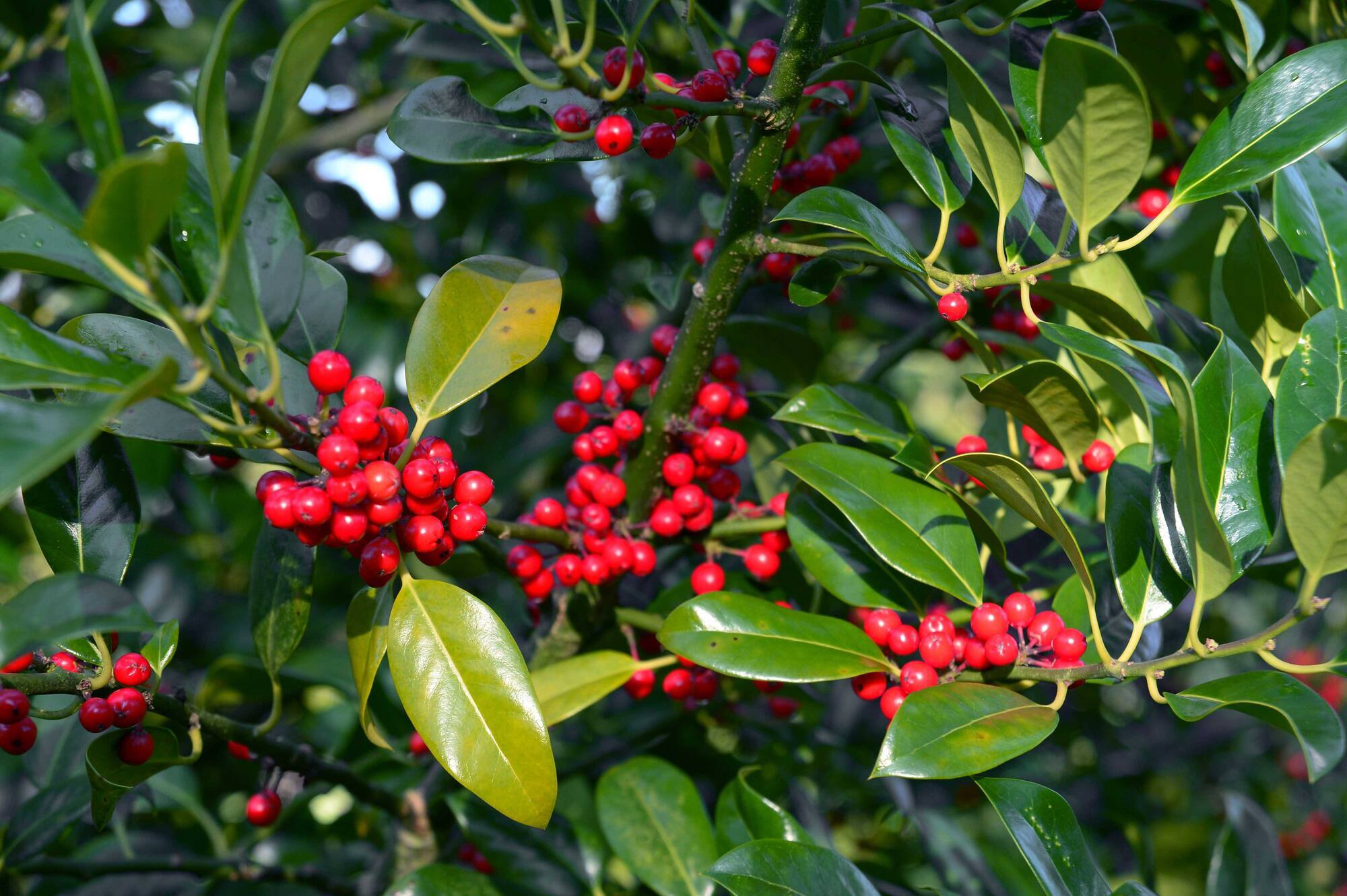
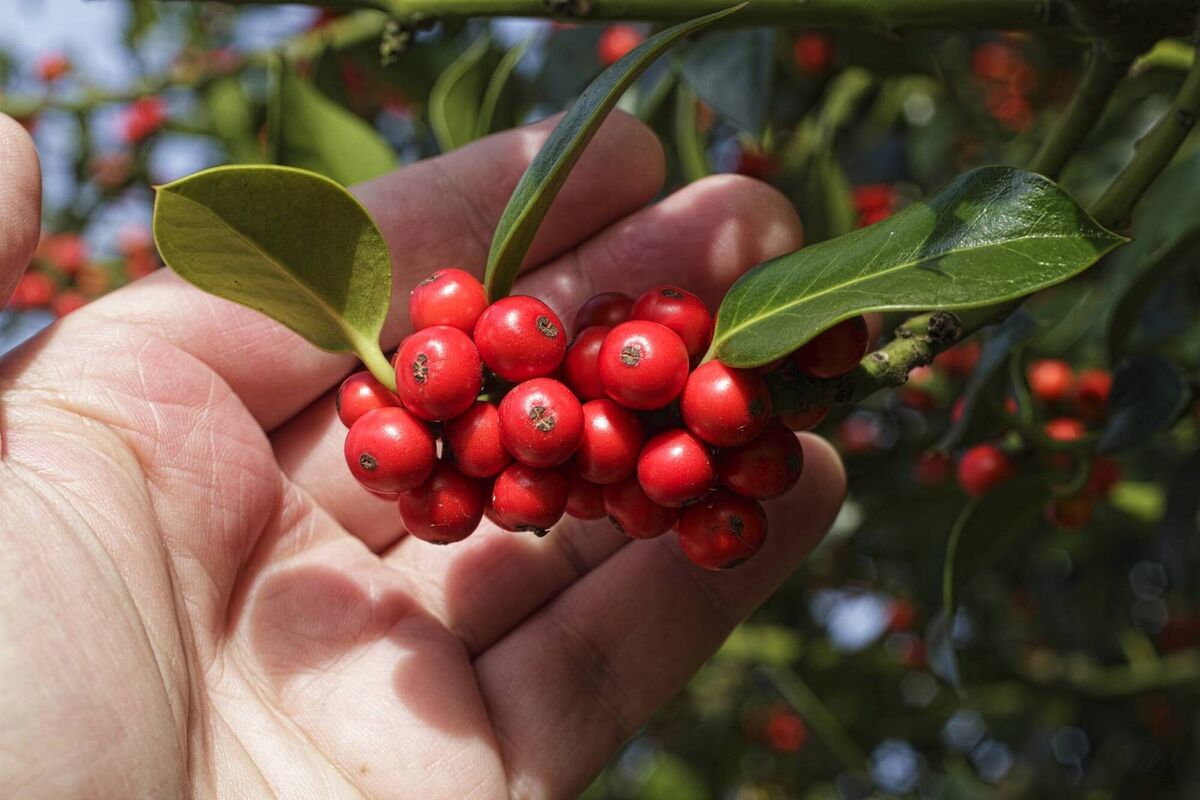
Holly: the name comes from 'holy' as the bright red berries and prickly leaves were often linked with Jesus's blood and crown of thorns. Picture: Denis Scannell
We use it to decorate our homes, in wreaths and garlands. Over the centuries, our native Holly, Ilex aquifolium, was probably chosen as a symbol for Christmas and the New Year because it was one of very few native evergreen plants in Irish forests and its bright red berries helped to brighten homes at this time of year.
But holly was also thought to have protective powers against evil spirits. If growing near a house, it was believed that holly offered protection from witchcraft, poison and lightning.

The holly tree often grows as a small shrub, especially in hedgerows, but if conditions are right, it can grow to an impressive height of more than 20 metres. It can live for more than 70 years, sometimes much older.
One holly tree in Spain has been aged at over 620 years! Holly wood was used to make darts, spears and chariot poles. Because it was so useful, it was seen as very unlucky to cut down a holly tree, and its misuse in any way would also annoy the fairies.
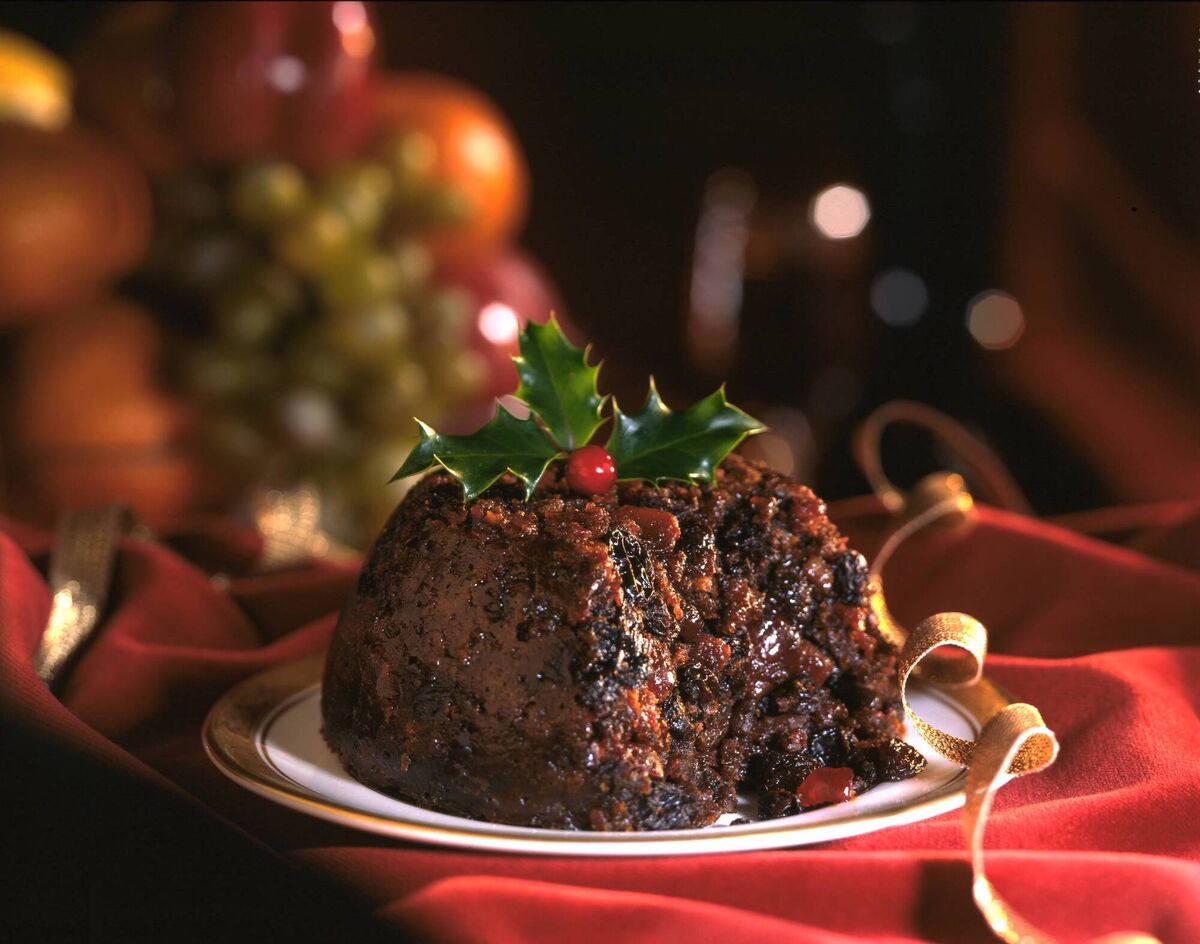
The English name ‘holly’ came from ‘holy’ as its bright red berries and prickly leaves were linked with Jesus’s blood and crown of thorns. In England, holly was often planted around graveyards to offer protection — although I’m not sure if it was to keep evil out of graveyards or contain it!
The English also believed witches travelled across the countryside at night by running along the tops of hedgerows, so it was a good idea not to cut the prickly holly in the hedgerow so that it grew up to become a tree which would block the path of a travelling witch.
Holly is included in the old St Stephen's Day wren boy custom. In some parts of Ireland, this involved catching and killing a wren and attaching it to a holly bush decorated with ribbons, which the ‘wren boys’ would then bring from house to house. But this is nothing compared the Welsh ‘holly beating’ custom. This involved boys and men beating the arms of local women folk until they drew blood. Although perhaps it wasn’t as sinister as it sounds now, as blood-letting was traditionally seen as good for your health.
Holly was a common fodder plant throughout the middle ages. In winter, when there wasn’t much food for cattle, farmers often mulched down holly’s nutritious leaves to feed to cattle.
Its small white flowers are easily overlooked, but give rise to the all-important red berries, which feed many birds and mammals in winter when there is little fruit available. Holly is dioecious — there are male trees and female trees. Only female holly trees produce berries so if you want to plant one in your garden, and ensure you have berries in winter, you’ll have to make sure it’s female.
Birds like to make their nests in holly trees because the spiky leaves deter predators. Likewise, it may be a good species to include in hedging around your garden as it can deters human intruders.
Not just an important food tree for birds and mammals — holly is also an important food source for insects. The beautiful ‘Holly Blue’ butterfly gets its name because its caterpillars like to feed on holly leaves so this is where the pretty female butterflies come to lay their eggs.
While holly may welcome birds and mammals eating its berries, so as to spread its seed, it definitely doesn’t want anyone nibbling on its leaves. This brings me to what I find most interesting about the holly tree — the biology behind its prickly leaves.
If you take a closer look at a taller holly tree, you will notice that the leaves are most prickly at the bottom of the tree and become smoother the higher the branches! This is because the higher branches are out of reach of browsing animals such as deer, so there is no need to have spikes as a deterrent.
Growing spikes on your leaves requires extra energy, so it makes sense to only grow like this where necessary. The flatter leaves towards the top of the tree will also be more efficient at absorbing sunlight for photosynthesis.
According to a study by the National Research Council of Spain, the holly is capable of a swift molecular response to animals browsing. The ability to form different types of leaves on one tree is called ‘heterophylly’.
While its leaves are all genetically identical ‘twins’ and share the same DNA, the scientists discovered a chemical process called methylation is modifying the DNA of certain leaves without altering the tree’s genetic sequence.
Where a tree is being browsed by animals, they found prickly leaves that were significantly less methylated than the smoother leaves higher up.
Maybe we can all learn something from holly. When life goes smoothly, we can have soft edges, but sometimes we need to develop a tough exterior — and over Christmas, anyone can get a little prickly!
CONNECT WITH US TODAY



Be the first to know the latest news and updates