'I’m in pain and nobody believes me': Why do doctors take women's pain less seriously?
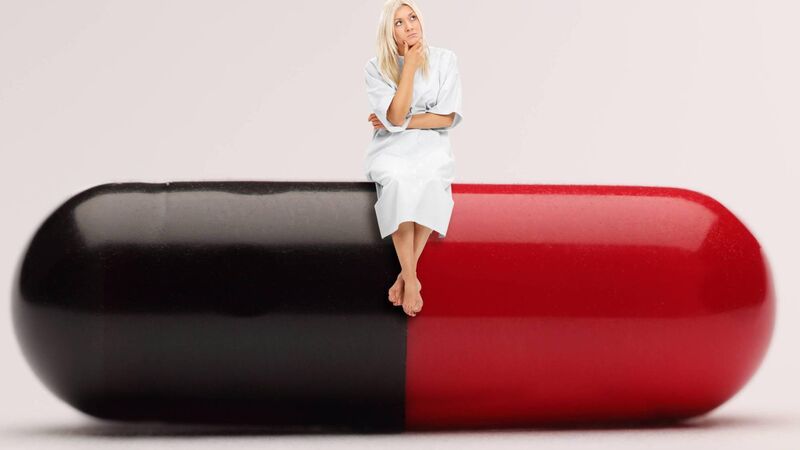
CHRONIC pain is more common in women, whom studies suggest may have higher pain sensitivity, due to lower pain thresholds and lower tolerance of induced pain.
Despite this, women frequently report that doctors take their pain less seriously than that of their male counterparts — a phenomenon which has become commonly known as the ‘gender pain gap’.
When Wioletta Misterkiewicz broke her foot, a hospital consultant in Ireland gave her a rehabilitative ‘boot’ and crutches.
The Polish woman who has lived in Co Meath since 2007, has experienced chronic neuropathic pain in her arms, her legs, and her neck for two decades.
“Sorry, I can’t use crutches. I have terrible pain in my arms,” she explained to the physician, whom she says interrupted her efforts to share her medical history.
“He told me, ‘Just go!’ I started to cry. As I tried to leave, I began to feel dizzy and couldn’t find my way out. No one helped me,” she says.
Misterkiewicz is a member of Chronic Pain Irelandtarget="_blank" rel="noopener noreferrer">, the national organisation providing information and support for people living with chronic pain ( between 13 and 36 percent of the Irish population) since 1992.
She describes the recurring experience of medical professionals minimising and dismissing her physical symptoms.
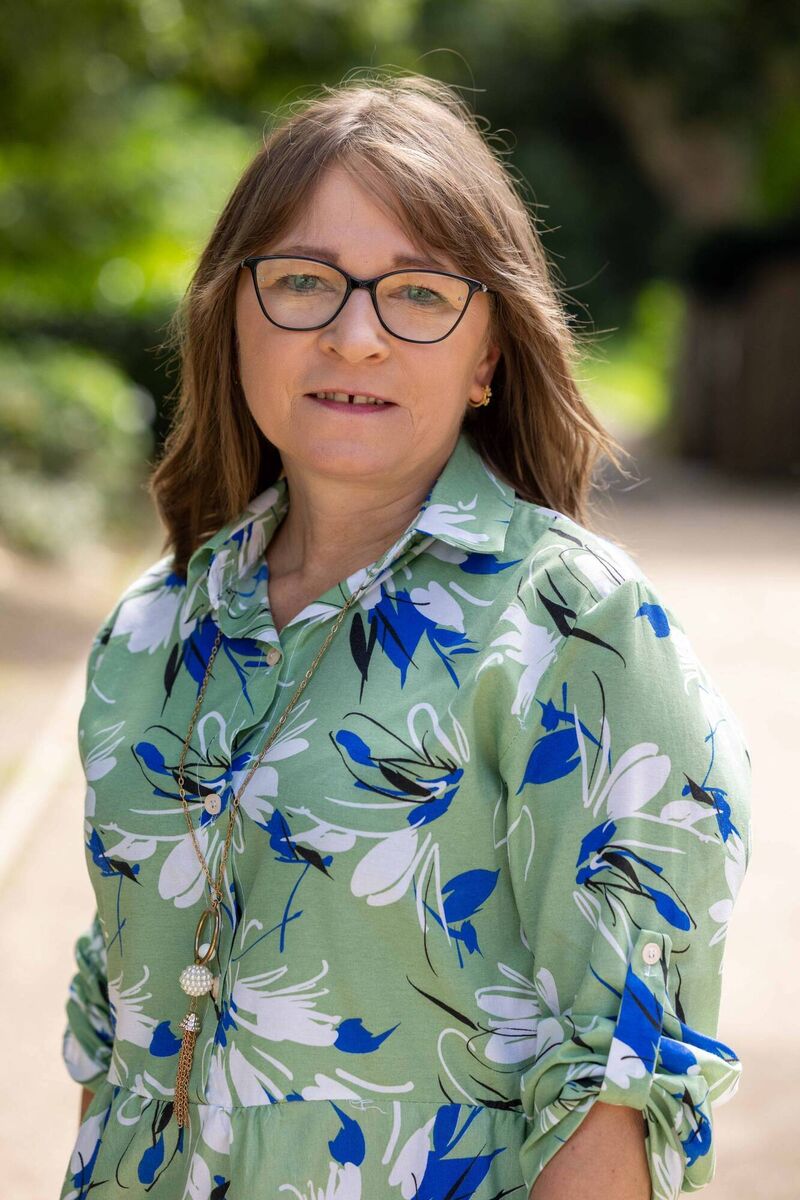
Sven Vanneste, professor in global brain health at Trinity College Dublin, says that one of the challenges for chronic pain patients is that there is no validated diagnostic test for chronic pain.
“It’s challenging for specialists because, without a physical measurement, their options are often limited to prescribing medication,” he explains.
“One of the Holy Grails in chronic pain research is developing an objective marker for pain.”
When relying solely on patient’s subjective self-reports, studies show that people, including medical professionals, are more prone to resorting to gender stereotypes.
According to a study published in the Journal of Pain in 2021, Miami-based researchers found that lay people tended to underestimate the pain experienced by female patients in accordance with such gender stereotypes.
Lay people also judged women’s pain to be psychologically rooted and therefore more likely to benefit from psychotherapy, while men’s pain was perceived to have a biological origin, leading to the assumption that they would derive greater benefit from medication.
Misterkiewicz says that, in the last few years, the frequency of her public pain clinic consultations has been reduced from every three months to every six months, and now down to just once a year. Although not informed of the reason for the reduced frequency of her visits, her pain has steadily increased.
Last year, when she approached her doctor on three separate occasions, seeking a change in her pain medication due to persistent dizziness, she says her requests were refused. When her pain escalated to the point where she could no longer work, her plea for a pain-relieving injection was met with a six-month wait for a consultant appointment.
'Told there's nothing there’
The experience of being repeatedly dismissed is one which is echoed by Eileen Hopkins, who developed chronic back pain following surgery for degenerative disc disease in 2012 while working as a nurse.
“I was going into hospitals, I would have a scan done, I would have an X-ray done, and again, I’d be told there’s nothing there,” says Hopkins, who now practises as a psychotherapist in Swords.
“So many times, I would have gone to see people and come away thinking, ‘They all think I’m imagining this.’
“I didn’t have a suicide plan, but there were occasions where I found myself thinking, ‘What’s the point? I can’t go anywhere. I can’t do anything. I’m in this pain and nobody believes me.’”
Jackie Bonass, who saw more than a half a dozen doctors in the US and Britain before receiving a diagnosis of myalgic encephalomyelitis (ME) five years ago, has similar memories of not being listened to.
For Bonass, who moved with her Dublin-born husband from Edinburgh to Dublin in December 2018, one of her primary symptoms is chronic pain so severe that it has left her bedridden for months or years at a time.
“When I started seeing GPs in Dublin, I wasn’t able to walk into the doctor’s surgery,” Bonass says. “My husband was wheeling me in a wheelchair. And even when I couldn’t make it from the wheelchair to the chair by their desk to sit down, they still didn’t take my pain seriously.”
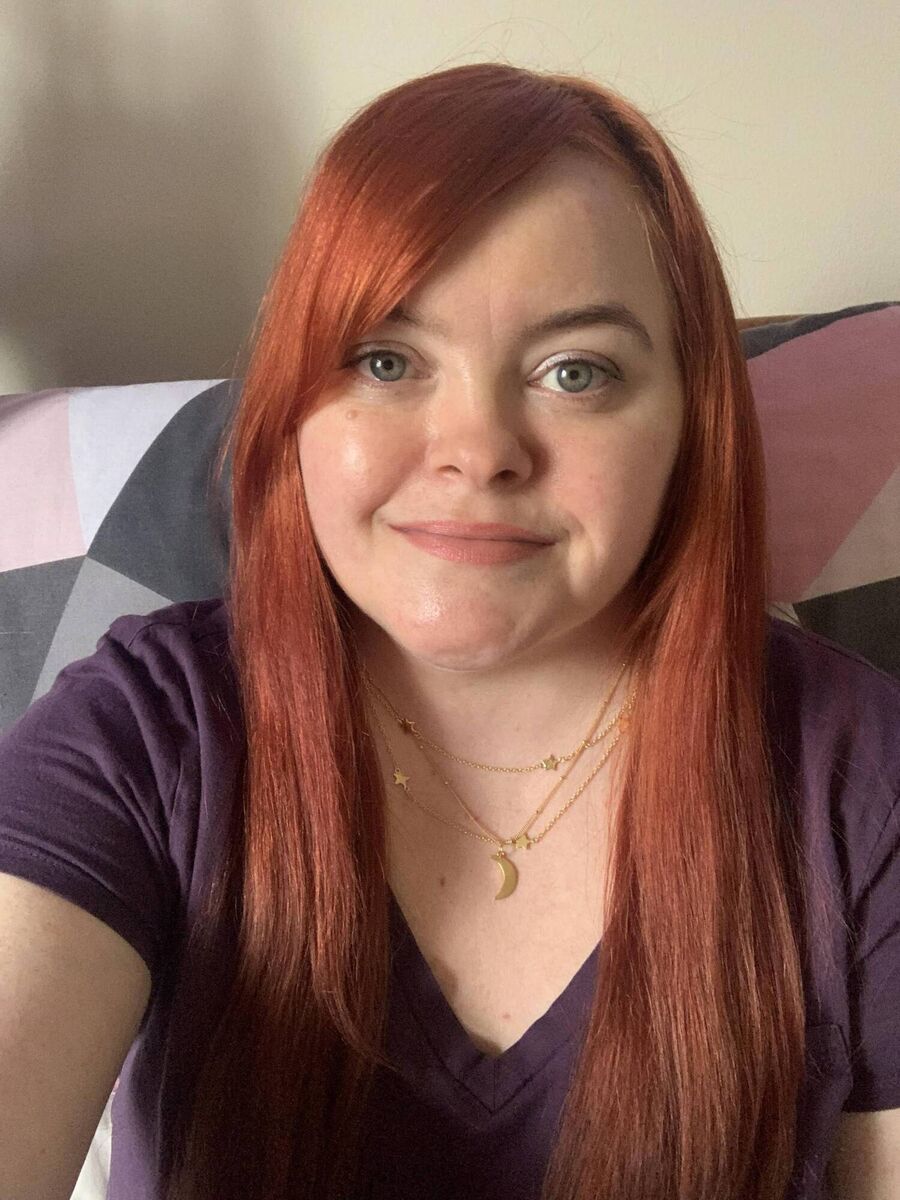
Chronic pain, affecting an estimated 13-36% of the Irish population, is an umbrella term for a range of conditions that cause pain for more than three months.
Despite being a pressing global health issue, understanding the neurobiological mechanisms of chronic pain remains a challenge even for the experts.
“There is a group of people for whom acute pain — the kind you get when you burn yourself on a stove — transitions into chronic pain,” Vanneste says.
“We know that with neuropathic pain, for example —that is, pain which is caused by nerve damage — chronic pain can develop after the injury has healed at a local level. This suggests that [chronic pain] is a brain issue, where pain becomes the default condition, even when there is no sensory input [from damaged tissue].”
From Vanneste’s perspective, part of the stigma faced by chronic pain patients arises from outdated, artificial divisions between concepts like mind versus brain and psychological versus physical, as well as between the strongly interconnected disciples of psychiatry and neurology.
These divisions reinforce the misconception that chronic pain is less legitimate than purely physical illnesses when all illness has a complex mixture of psychological and physical components.
Turning point
In 2015, Hopkins reached what she describes as a significant turning point.
She began working with a physiotherapist, who “tentatively” brought up the concept of the mind-body connection. “I was very resistant to this idea of the mind-body connection until I realised that it was not about making up the pain,” she says.
“The pain is a real physical symptom, which is not all in your mind, but it does have an emotional aspect.
“I discovered that, for me, the emotional aspects like the frustration, isolation, and loneliness, actually aggravated my physical pain.”
For Hopkins, the greatest benefits came from adopting a holistic approach, blending physiotherapy to address the structural damage to her back with psychotherapy to manage the emotional triggers that in her case intensify the physical symptoms.
She also stopped trying to justify her pain to those who would not listen. While she reserved a tactful one-liner for the relentless sceptics, she chose to confide in the one or two friends who validated her experience, including supportive communities like Chronic Pain Ireland.
Regardless of gender, Vanneste says there is no “one-size-fits-all” treatment for chronic pain; instead, approaches must be tailored to the individual, often involving “trial and error”.
For some patients, effective management of their symptoms depends on a combination of pain medication and psychological therapies or pain medications alone, which can be difficult to acquire.
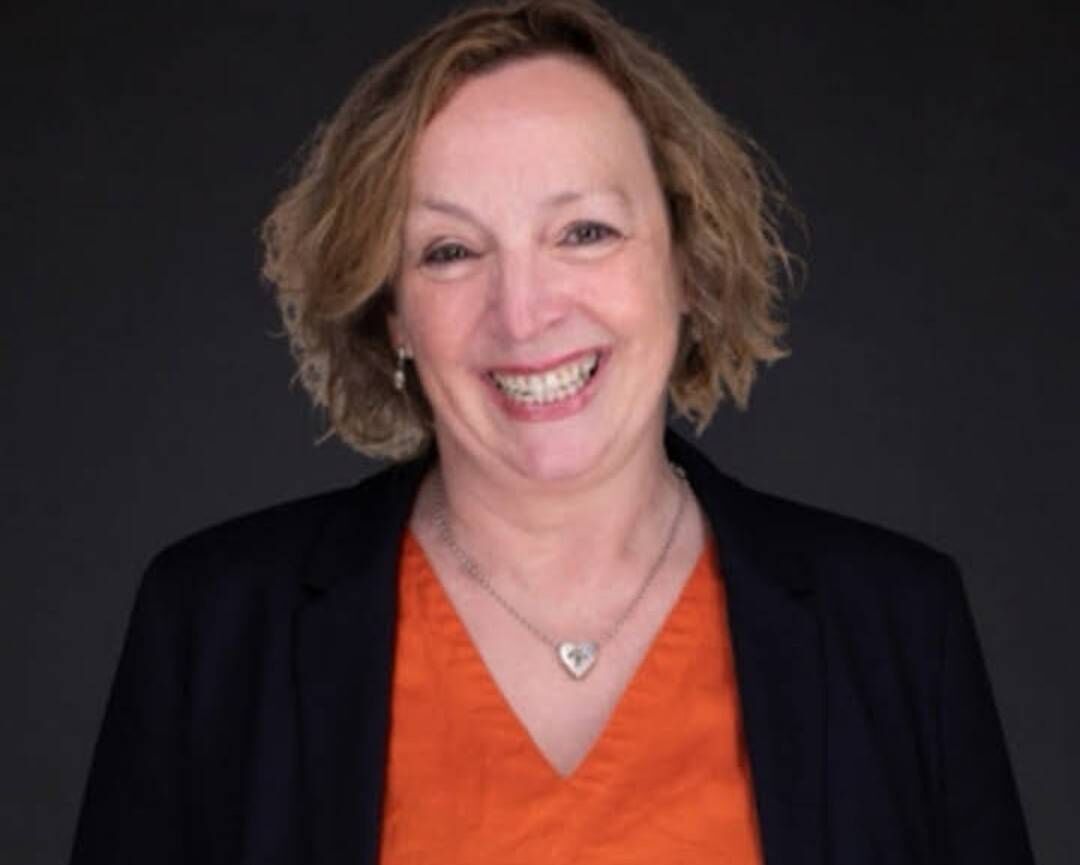
When Bonass first arrived in Ireland, her GP refused to prescribe her the pain medications which she had been taking in Britain, despite a lengthy letter from her former NHS doctor.
“When I asked if I could see another doctor, he told me that if I did that, I could be listed as a drug seeker,” she says.
Slowly rocking back and forth, Bonass tells me, “Without [this prescription], this movement — something so simple that people take for granted — is extremely painful. Without the pain medication, I am totally bed-bound and it feels like I have an ice pick at the base of my spine 24/7.”
Ultimately, a private medical specialist who prescribed Bonass her pain medication. Under the specialist’s guidance, the prescription was transferred onto her medical card by a different GP.
Bonass found she was treated more seriously by doctors when her husband was present. “I feel for women who are not in a position to self-advocate, women who do not have the financial ability to see a specialist, women who do not have a husband or a brother to go with them into appointments. What are they supposed to do?”
Hopkins encourages female patients to remember they are receiving a service and have the right to advocate for their individual needs. “We need to be in control.”
The experiences of female patients with chronic pain may reflect deeper gender biases within healthcare, where male subjects have been historically prioritised.
This is something which, according to Vanneste, is beginning to shift. “For a long time, people were not aware that a lot of pain medication was originally tested in male animals. Now, researchers are becoming more aware of this sex bias, and realise it is something that needs to be taken into account.”
Change, if slow, is on the agenda. Voices of Irish women are beginning to inform practices, thanks to the establishment of the Women’s Health Taskforce by the Department of Health in 2019. The taskforce aims to “improve women’s health outcomes and experiences” by embedding practices like “radical listening” within Irish healthcare.
CONNECT WITH US TODAY



Be the first to know the latest news and updates