Alan Healy: Iran conflict brings offshore wind back into focus
Weaning Ireland off its reliance on imported fossil fuels has the potential to add an estimated €38bn to the national economy.
As an island nation, Ireland’s geography has historically dictated an exceptionally open economy.
For centuries, the country’s prosperity has relied upon its ability to navigate international waters and seek out trading opportunities in distant markets. External trade is not merely a component of the economy; it is its cornerstone. This outward-looking model has evolved significantly over time.
Irish docks were once defined by the heavy movement of agricultural staples like butter and whiskey. Today, our ports and airports facilitate the export of high-value pharmaceuticals such as Botox and Mounjaro.
This ability to adapt has served the nation well, yet it carries an inherent vulnerability: an acute overreliance on global trading partners and the stability of international supply chains. The past fortnight has delivered a sharp jolt to this sense of security, specifically regarding energy.
Read More
As regional conflicts in the Middle East escalate along with an effective blockade in place at the Straits of Hormuz, global oil prices have reacted with volatility. For Ireland, this serves as a stark reminder of the fragility of the energy commodity chain.
Despite a decade of policy aimed at "greening" the economy and switching to renewables, the national system remains profoundly dependent on external fossil fuel markets.
The reality of Ireland's energy landscape is captured in the recent "First Look" report from the Sustainable Energy Authority of Ireland (SEAI).
The data shows that in 2024, fossil fuels still accounted for 81.4% of the total national energy requirement.
The dependency is most severe in the sectors of oil and coal, where Ireland must import 100% of its requirements.
The electricity sector, often viewed as the vanguard of the energy transition, also faced challenges in 2024.
The amount of electricity actually generated within the state decreased compared to the previous year.
To bridge this gap, net imports across international interconnectors surged by 1.79 TWh, eventually accounting for 14% of Ireland’s gross electricity supply.
Furthermore, much of the electricity produced on Irish soil remains "indigenous" in name only; over a third of the supply is generated by power plants that rely entirely on imported gas, coal, or oil.
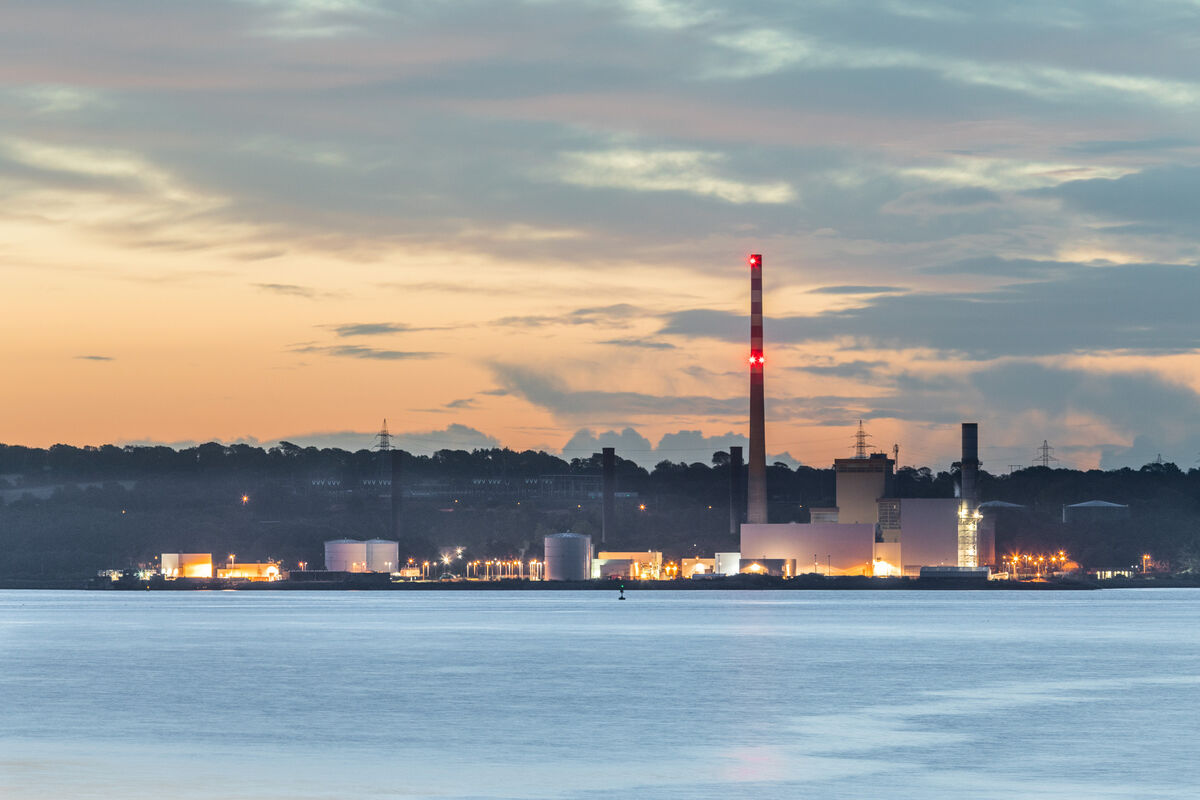
The physical infrastructure supporting Ireland's energy needs is also in a state of flux. The Whitegate refinery in Cork Harbour remains the Republic’s only oil refinery.
It processes imported crude oil and provides roughly a quarter of the country’s refined products, such as gasoline and diesel.
However, its operation is subject to maintenance cycles; a scheduled five-yearly turnaround in 2024 saw refining stop temporarily, forcing the state to rely even more heavily on direct imports of finished fuels.
Simultaneously, Ireland's indigenous gas resources are dwindling.
The Kinsale gas fields have ceased production, and the Corrib field is projected to deplete within the next 10 years.
In the power sector, a significant milestone was reached in 2024 when the final peat-fired power plant was decommissioned.
Renewable energy has become the primary focus for filling this indigenous supply gap.
Onshore wind turbines are now a common sight on Irish hills, currently supplying approximately 8GW of power.
Solar energy is also scaling up, contributing around 1.7GW.
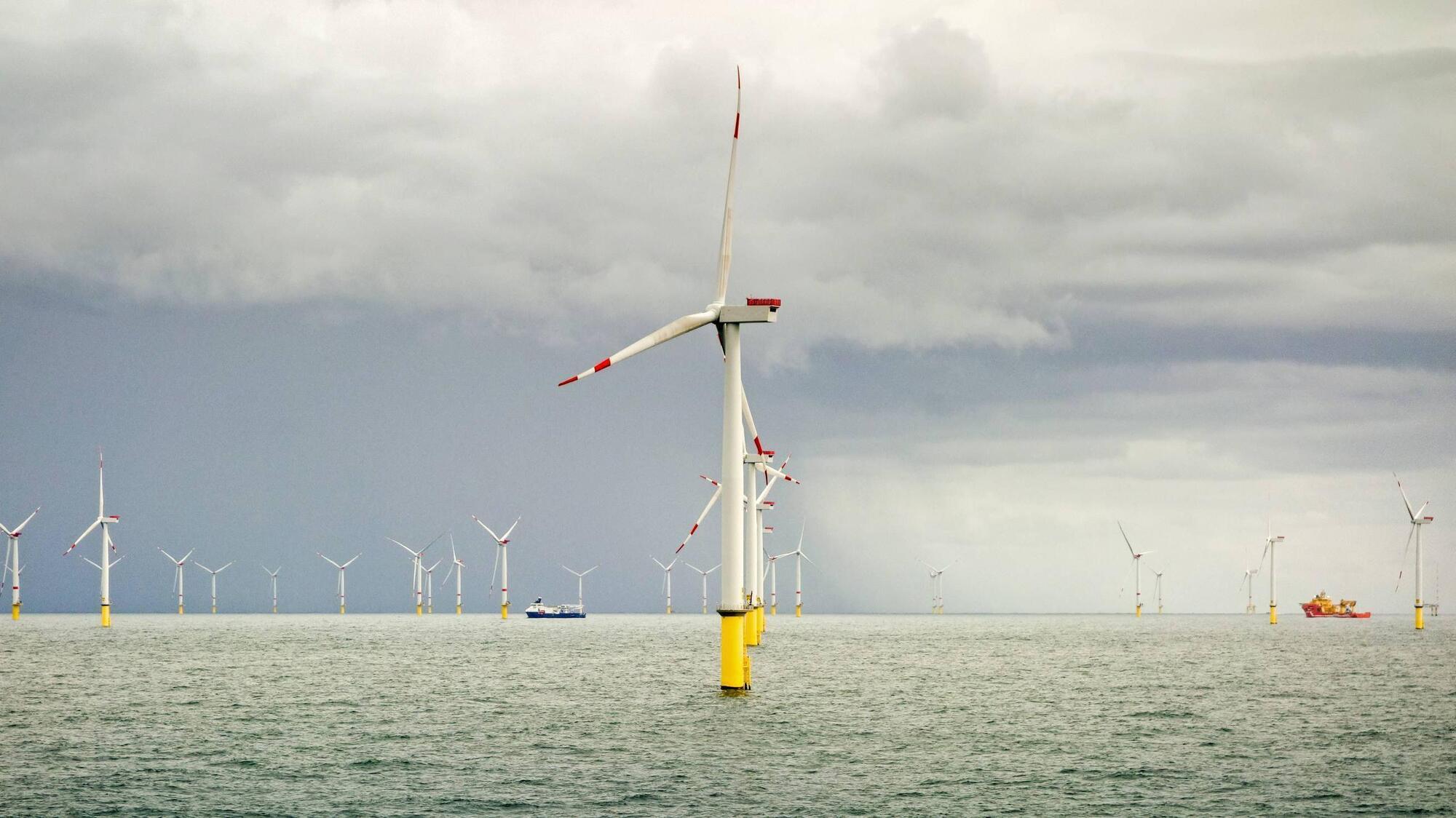
However, the true "engine room" for future energy independence is widely considered to be offshore wind.
The government has set ambitious targets: 5GW of offshore wind by 2030 and a massive 37GW by 2050. While developers currently hold planning permissions for roughly 3.7GW, the transition from paper to power depends heavily on port infrastructure.
At a recent event in Cork, Taoiseach Micheál Martin highlighted that the Port of Cork is currently the only facility in the Republic with the combined financial resources and physical capacity to develop the specialised infrastructure required for offshore wind marshalling and assembly.
At Ringaskiddy East, the Port of Cork is progressing with the construction of a 200m berth specifically designed for offshore wind projects. This represents just the first phase of a multi-stage development.
Other port companies, including Shannon Foynes and Rosslare, are in a race to build similar infrastructure, recognising that without these specialised hubs, the offshore wind revolution cannot be realised.
But these capital-intensive projects bring Ireland back to an ongoing and critical conversation about this country's ability to complete large infrastructure projects at scale.
The shift away from fossil fuels is often framed as a defensive necessity to mitigate climate change and supply chain risks. However, the transition also offers a significant economic upside.
Weaning Ireland off its reliance on imported fossil fuels has the potential to add an estimated €38bn to the national economy.
By transforming from a vulnerable importer of volatile commodities into a self-sufficient producer of renewable energy, Ireland can secure both its environmental future and its long-term economic sovereignty.
The country's historical expertise in global trade will need to be matched by an equally robust commitment to indigenous production.
CLIMATE & SUSTAINABILITY HUB
CONNECT WITH US TODAY



Be the first to know the latest news and updates