Jim Power: Only real issue is the size and nature of budget intervention on energy bills
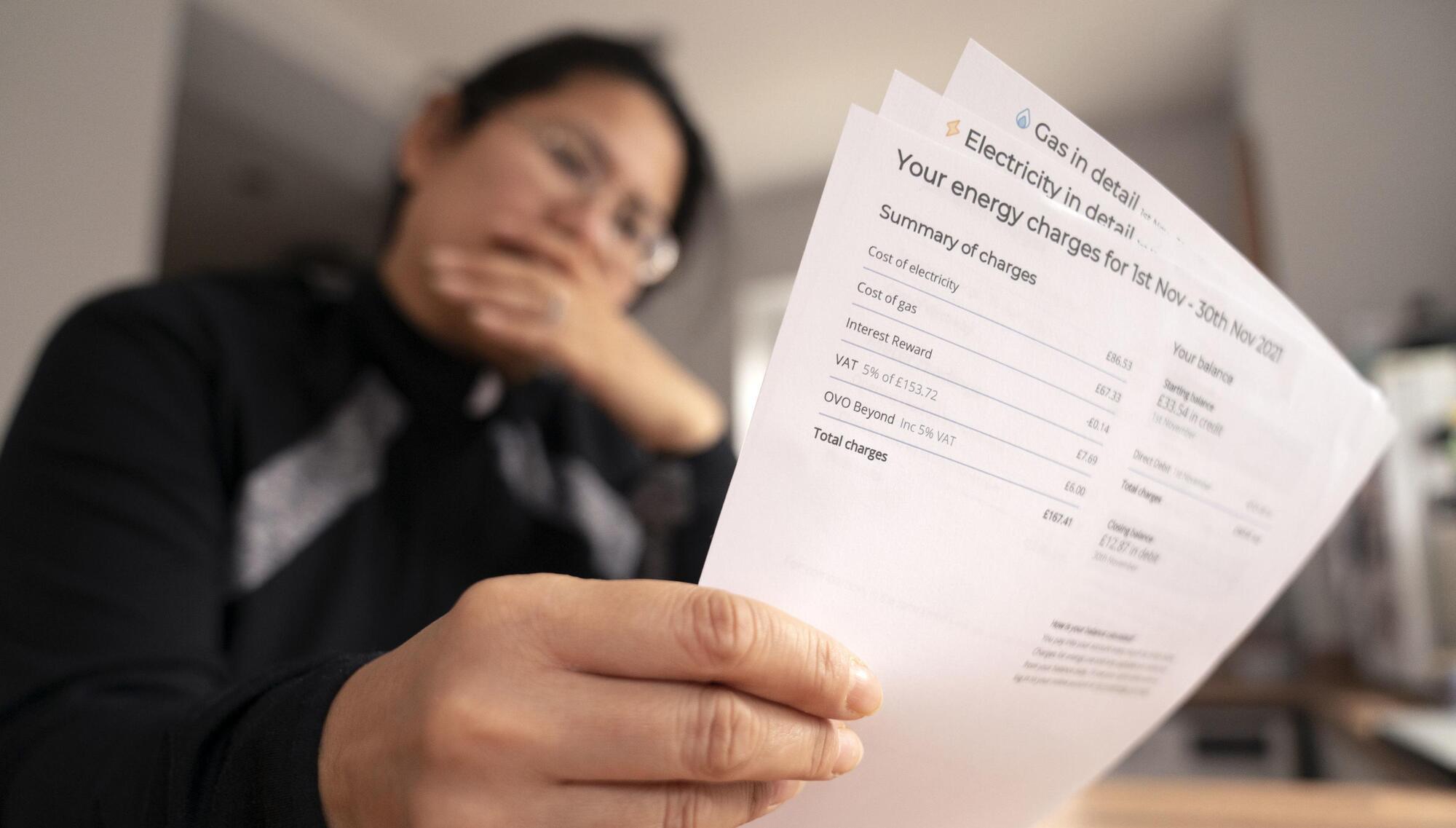
Small businesses are also being hammered with costs escalating and pressures building on all fronts.
With just over one week to go to Budget 2023, the speculation is mounting, the pressure is building, and the negotiations are heating up between the Department of Finance and the rest.
Meanwhile, sage advice is flying in from many quarters and every conceivable interest group is throwing its oar in. It is a recipe for chaos.
It is clear that when it is all boiled down, the cost-of-living crisis, the housing market and childcare are the big issues that will warrant the most attention.
The cost-of-living crisis is obviously being hammered to death in the media and in political discourse, but it is really important that the focus here is not just on households, because small businesses are also being hammered, with costs escalating and pressures building on all fronts.
Of course, many of those small businesses have not recovered fully from the effects of the pandemic, and many may have significant debts as a result of it. This latest crisis could be the one that will push many over the edge. We cannot stand by and allow this happen.
If households require financial intervention, well then so should businesses that provide employment and represent the only semblance of economic activity in many towns and villages around the country.
It goes without saying that housing is a big priority. Housing should be recognised as a vital element of national competitiveness. Without adequate and affordable housing to either rent or buy, it will become increasingly difficult to continue to grow multinational employment, in particular.
The message becomes quite stark when the French embassy in Dublin has to issue a warning about the housing difficulties that exist in Ireland.
Such warnings will not make the job of the IDA any easier, and it surprises me that we do not hear more from that body about the housing difficulties here. In fairness, the National Competitiveness Council has written a lot about the contribution of housing to competitiveness in recent years.
The private rental market will probably get the most attention in the budget as the exodus of private landlords from the market is resulting in further dysfunction in the rental market.
The budgetary parameters were set out in the summer economic statement in July and it seems an overall package of €6.7bn will be delivered, with around €1bn for tax-reduction measures and just over €5.6bn for increased spending across Government departments.
On top of this package, there will be an additional, significant package of once-off measures to address the cost-of-living issues. This is likely to amount to at least €2bn, but if Sinn Féin pressures work, it could be higher.
Energy pressures will be a key focus here, with the only real question being the size and nature of the intervention.
Although there are many variations on a possible energy cap, any such move would be extremely risky from a fiscal perspective. It would be akin to signing a blank cheque with no real idea about what the eventual cost might be. This would be dangerous and irresponsible and would bring back memories of an unlimited bank guarantee in times past.
In overall terms, it promises to be a very expansionary budget. Scatter-gun economics will be to the fore, I suspect.
Last week, the Commission on Taxation and Social Welfare published its report on what the future taxation environment might look like. The report came to over 500 pages and contained 116 recommendations. Many of these may never see the light of day, with any luck, but they do provide a comprehensive menu of options for future governments.
The objective of the recommendations is to reform the structures of the taxation and social insurance system to raise additional revenues over time at the lowest possible cost, to broaden the tax base to limit the need for higher tax rates, and to shift the burden of taxation away from labour and towards taxes on capital, wealth, and consumption.
This is all worthy stuff, but no attention was devoted to the efficiency and effectiveness of State agencies in turning vast financial inputs into optimal outputs.
It is just too easy to suggest that we tax everything that moves even more and to largely ignore the manner in which scarce resources are spent.
CONNECT WITH US TODAY



Be the first to know the latest news and updates