Canary Islands rejects hantavirus-hit cruise ship's plans to dock as three people evacuated
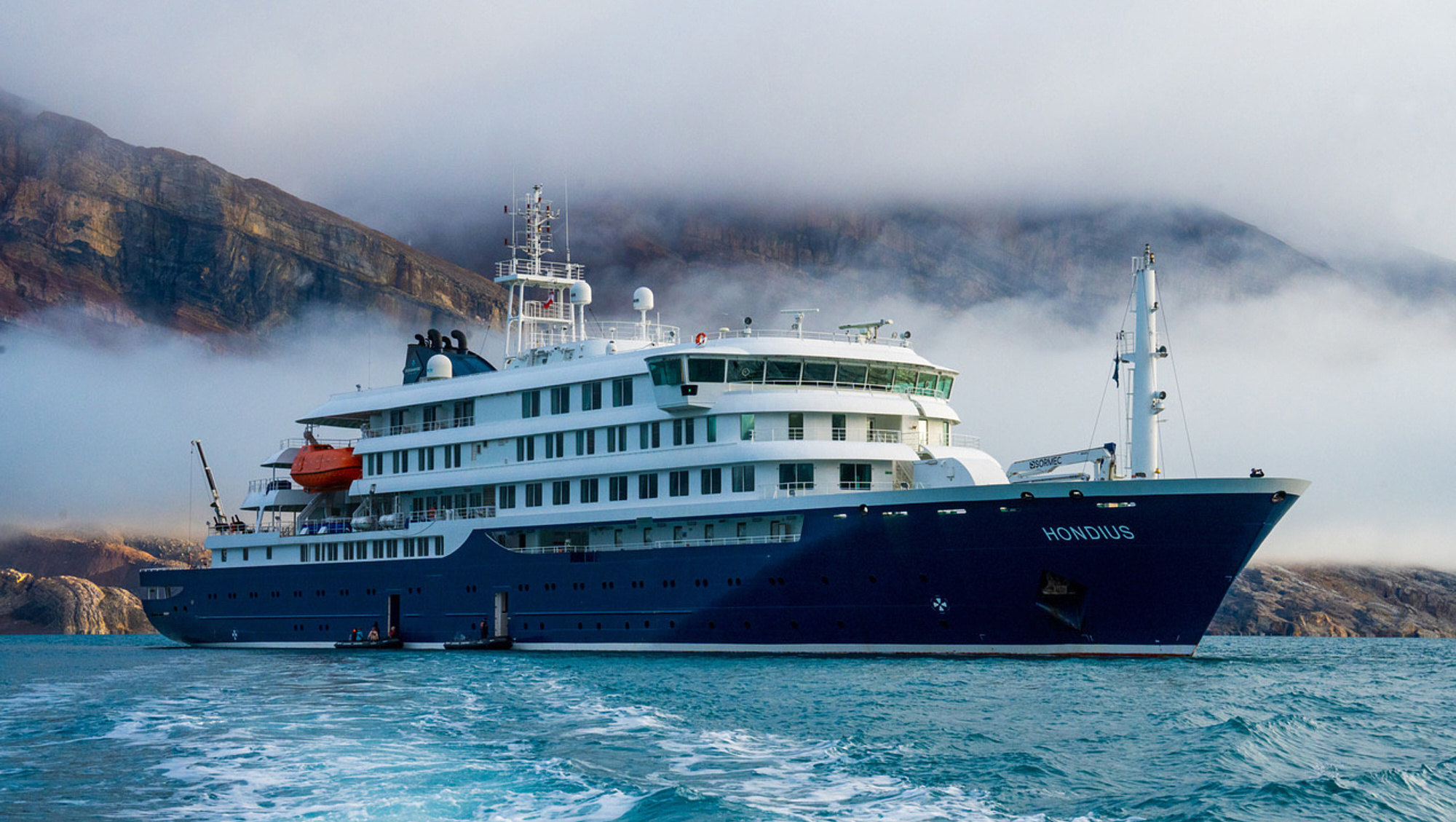
The crew member is being prepared for medical evacuation from the MV Hondius along with a Dutch colleague, with Dutch authorities overseeing the operation. Picture: Oceanwide Expeditions via AP
The regional government of the Canary Islands said it is opposed to allowing a luxury cruise ship that has been hit by the outbreak of the deadly hantavirus to dock on the archipelago, its leader, Fernando Clavijo, said.
“This decision is not based on any technical criteria, nor is there sufficient information to reassure the public or guarantee their safety,” Clavijo told radio station COPE, as reported by .
He added that he had requested an urgent meeting with Spanish prime minister Pedro Sánchez to discuss the issue. Clavijo leads a coalition with the conservative People’s Party – the main opposition to Sanchez’s Socialists.
Earlier today, Spanish state broadcaster TVE reported the cruise ship was set to dock at the Canary Island of Tenerife, citing sources from the country’s health ministry. The ministry did not immediately respond to Reuters’ requests for comment.
Read More
Separately, the World Health Organisation is reporting that there is an ongoing evacuation of three people from the hantavirus-hit cruise ship, via .
Three people – two crew members and one other person – thought to be infected with the virus were being taken off the MV Hondius, anchored off Cape Verde, the WHO said.
The ship has been at the centre of an international health scare since Saturday, when the UN’s health agency was informed that three passengers had died and the suspected cause was hantavirus – a rare disease usually spread from infected rodents, typically through urine, droppings and saliva. But the WHO said on Tuesday it suspects some rare human-to-human transmission took place between very close contacts on board the Hondius.
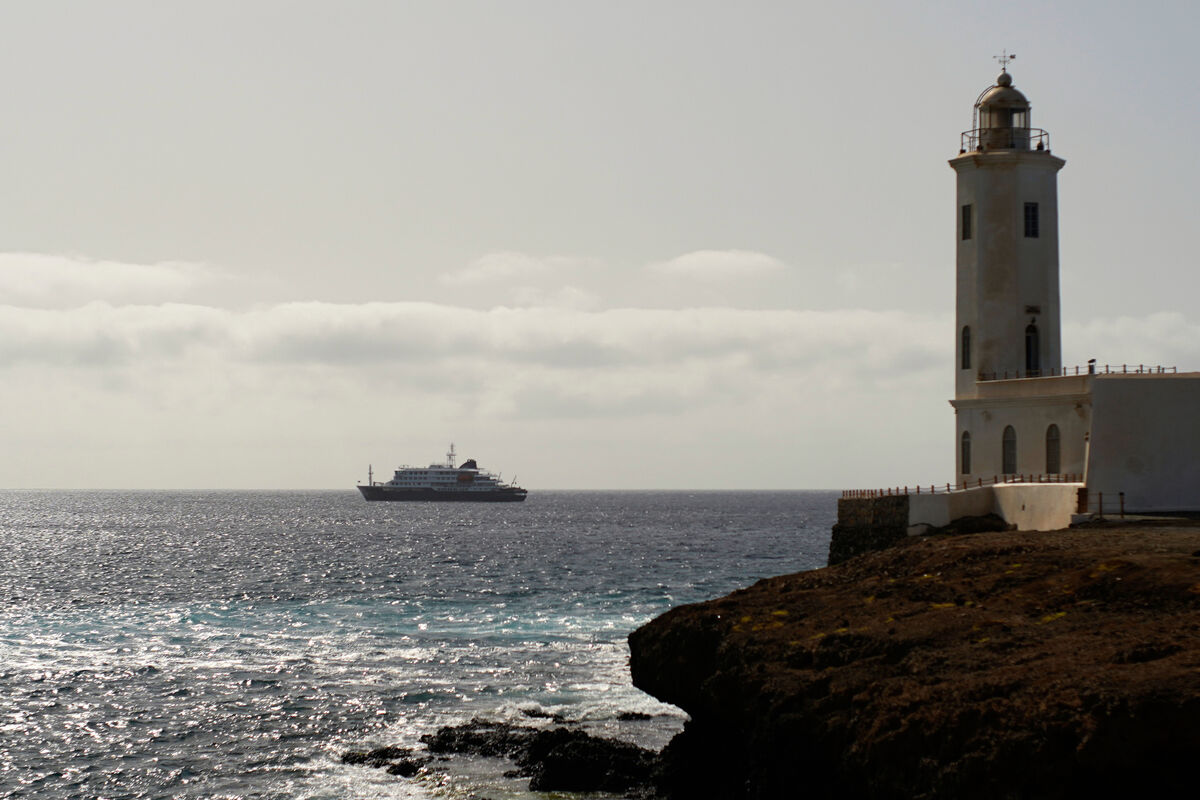
“We do believe that there may be some human-to-human transmission that’s happening among the really close contacts, the husband and wife, people who have shared cabins,” Maria Van Kerkhove, the director of epidemic and pandemic preparedness and prevention at the WHO, told reporters in Geneva.
Once in the Canary Islands, at a port to be determined, the Spanish health ministry said crew and passengers would be examined, treated and repatriated to their respective countries, in coordination with the European Centre for Disease Prevention and Control and the WHO.
The Spanish health ministry confirmed on Tuesday evening it would receive the MV Hondius in the Canary Islands “in three or four days”, after the WHO deemed Cape Verde was unable to carry out the operation.
Ms Van Kerkhove also sent a direct message to people on board. “We just want you to know we are working with the ship’s operators,” she said. “We are working with the countries where you are from. We hear you, we know that you are scared.” Health authorities say about 150 people from 23 countries are on board the ship.
A limited spread among close contacts has been observed in some previous outbreaks of the Andes strain, which spreads in South America, including Argentina, and which the WHO believes could be involved in this instance. Testing is underway.
In an update on Wednesday, South Africa has identified the Andes strain of hantavirus in two people who came off a cruise ship hit by an outbreak of the disease, the health minister’s presentation to parliament showed on Wednesday.
The ship, the MV Hondius, was preparing to travel from Cape Verde towards Europe, reported.
The presentation seen by said tests done by South Africa’s National Institute for Communicable Diseases (NICD) revealed that the Andes strain was the cause of infection in a Dutch woman who died in Johannesburg, and a British man who is still in hospital. Both had become ill on the ship.
“This is the only strain that is known to cause human-to-human transmission, but such transmission is very rare and, as said earlier, only happens due to very close contact,” it said.
The Hondius left Ushuaia in southern Argentina in March. The WHO said it had been told there were no rats on board.
A British passenger with symptoms of hantavirus is understood to be improving. The passenger was medically evacuated on 27 April to Johannesburg, and remains in intensive care.
The UK prime minister, Keir Starmer, said the government was putting “plans in place” for the onward travel of Britons stuck on the Dutch-flagged cruise ship.
Ms Van Kerkhove said on Tuesday: “As of today, seven individuals of the 147 passengers and crew have been reported ill. Sadly, three have died.
Another suspected case has been reported, but this person was “currently doing well and is asymptomatic”, Van Kerkhove added.
“At this stage, there are no additional symptomatic people onboard,” she said.
“That said, the situation is being closely monitored and, as a precaution, passengers have been asked to remain in their cabins while disinfection and other public health measures are carried out.”
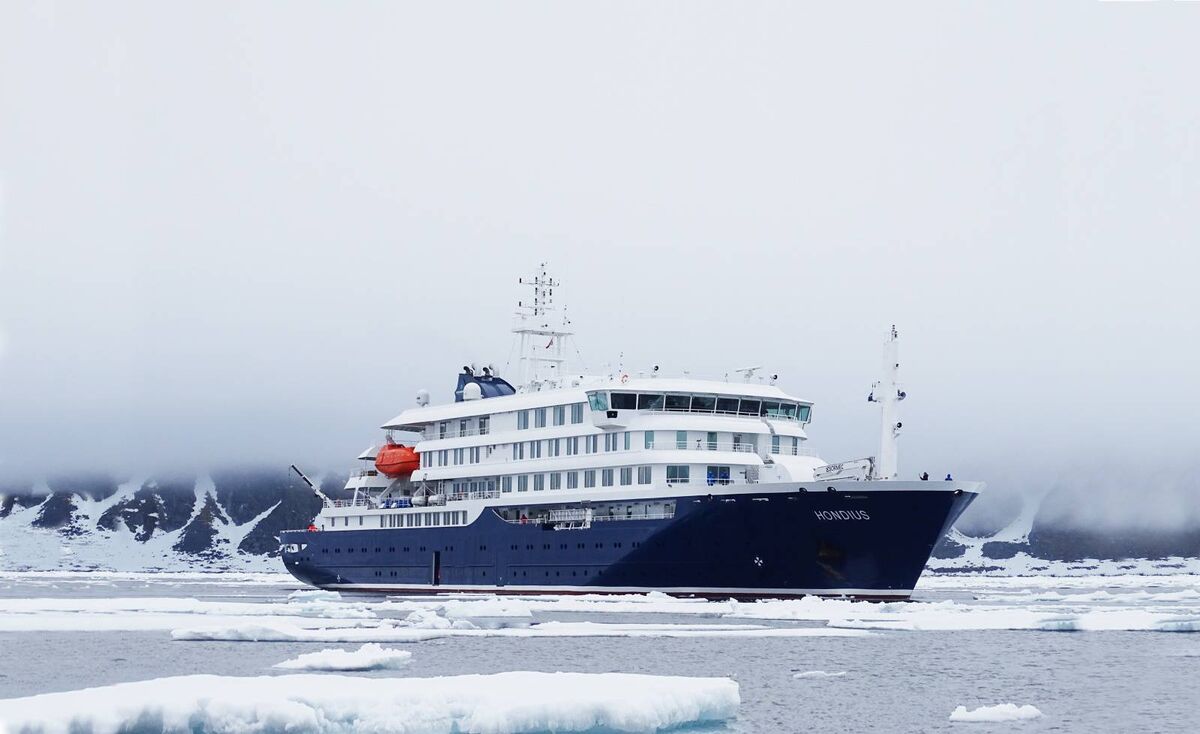
A Dutch passenger died on board the ship on 11 April. His wife died on 27 April, with authorities later confirming she had tested positive for a variant of hantavirus. On 2 May, a German passenger died, although the cause has not yet been confirmed.
Oceanwide Expeditions said in a statement that the atmosphere on the ship “remains calm, with passengers generally composed”.
The company added that it was “working to provide clarity and reassurance to guests and expedite their disembarkation and medical screening”.
Hantavirus infections, which are usually spread by infected rodents’ urine or faeces, can lead to severe respiratory illness and can sometimes be fatal. While rare, infections can spread between people, according to the WHO.
There is no specific treatment or cure, but patients have a better chance of survival if they receive medical attention early.
CONNECT WITH US TODAY



Be the first to know the latest news and updates