Kieran Shannon: Why Aidan O'Shea and Cillian O'Connor deserve their All-Ireland medals
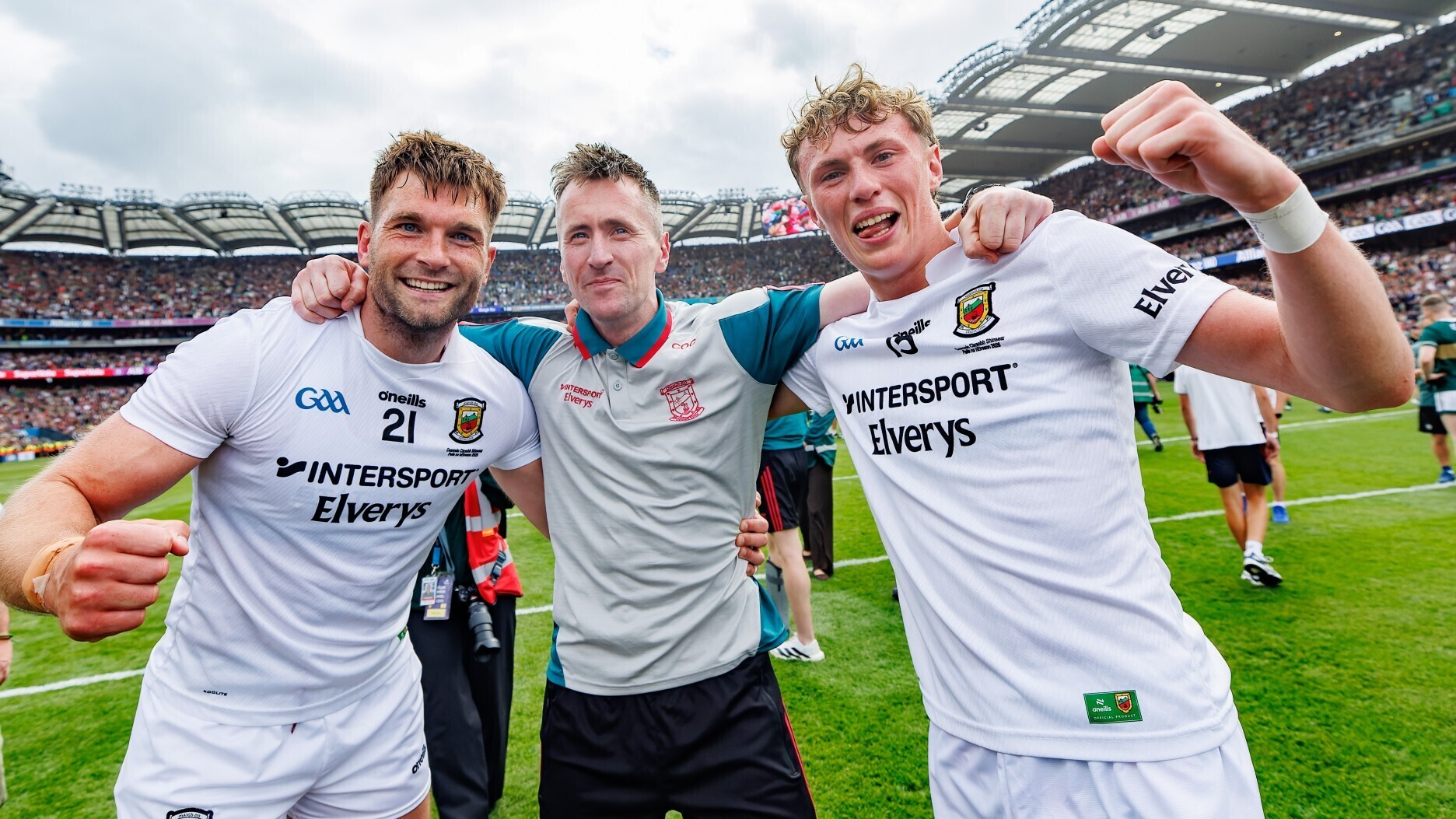
Mayo needed an injection of players who didn’t have the baggage of ever losing an All-Ireland but they also needed the know-how of Aidan O'Shea and Cillian O'Connor, two men who had started in a staggering 16 championship wins in Croke Park. Pic: ©INPHO/James Crombie

In a different time they might have been guilted into feeling all Roy about it. That it was somewhat hollow. Even undeserved.
When Roy Keane – or at least his team – eventually won the biggest prize in his sport on a balmy Barcelona evening in 1999, the Corkman put on a brave, smiling face, parading the cup upon the urgings of his teammates with Paul Scholes who had also been suspended for that Champions League final. When the team retreated to the dressing room, however, Keane felt like an actor, an outsider even, amongst the celebrations.
“You kind of joined in,” he’d once say, “but deep down you [were thinking], ‘I don’t want to be here’, you know?”
Over the following few years he’d expand on that sentiment. United may have won the treble that season but he’d only won a double. While he’d played in all 12 games it took for United to qualify for that final, “I missed the big one.”
“They gave me a medal but it doesn’t mean anything to me, really. It means nothing to me.”
Read More
In his 2002 autobiography his outlook hadn’t changed. “No matter how many people tell me I deserve that Champions League medal,” he’d write in his autobiography, “I know I don’t.”
Last month though when Mayo finally won their All-Ireland, the sportsperson whose personality as well as homeplace would closely approximate Keane’s reserved his highest praise for two players who never saw the field against Kerry.
“Congrats Aidan [O’Shea],” Ronan O’Gara would tweet. “The resilience you have shown has been rewarded today…. Whether you kicked a ball today doesn’t matter a f***. You were there for every meeting, clarity session and training session. Your input will be appreciated by those who matter. You can do what you like now.”
In a follow-up tweet he’d clarify that his congratulations also extended to “the classy” Cillian O’Connor. Just like it didn’t matter that O’Shea never kicked a ball after the team’s defeat up in Omagh, it didn’t matter a curse that O’Connor never kicked another after the defeat to Roscommon in the Connacht championship.
Just as Mayo needed an injection of players who didn’t have the baggage of ever losing an All-Ireland, it also needed the know-how of two men who had started in a staggering 16 championship wins in Croke Park. Just because O’Gara was right though doesn’t mean Keane was wrong. Jimmy Greaves similarly felt removed from the euphoria England’s 1966 World Cup win prompted.
Heading into the tournament Greaves was considered one of the most lethal forwards in European and world football and undoubtedly the poster boy of English football, having scored 43 goals in his previous 49 games for his country. But after sustaining an injury in England’s third group game, he missed out on their quarter-final and semi-final.
By the final he was available for selection again but Alf Ramsay justifiably stuck with Geoff Hurst up front; a decision vindicated by the for the most famous hat-trick ever in football.
Greaves wasn’t even a sub on the day because back then nobody was; it wouldn’t be until the following season that subs were permitted in the English league and Mexico 1970 when they were first allowed at a World Cup. How could you value winning a World Cup so when you yourself weren’t valued?
In a 1982 television interview, Greaves admitted that on that day he felt like the “loneliest man in Wembley Stadium”. He had been one of the few people before the tournament who believed England could win it.
“And I spread the gospel [within the camp],” he’d tell the BBC. “But what I never thought of was we would win it without me being in the side. Naturally I wanted England to win but… after [we did], all I wanted was to go away and be alone. I couldn’t force myself to join the festivities because in my own mind I had built myself up [to being] one of the key people who was going to achieve this impossibility. And suddenly it wasn’t there. It had vanished.”
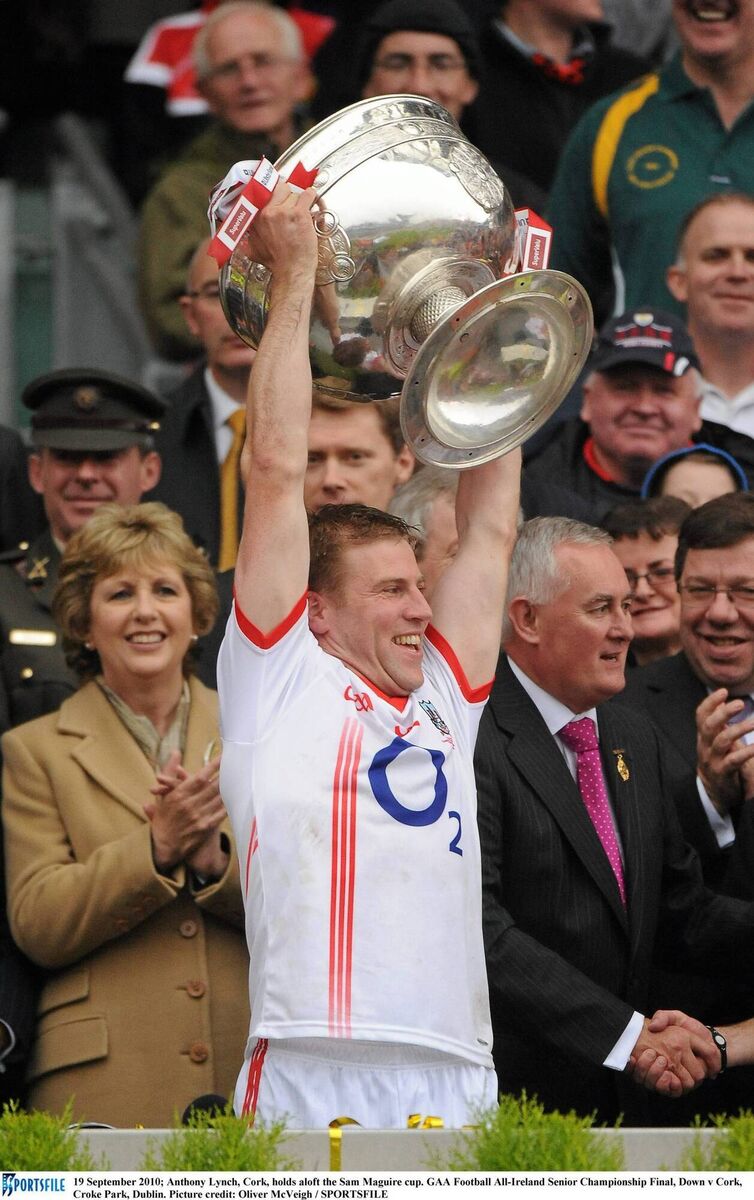
As time has gone on though, the role and contribution of substitutes has increased; Greaves himself was belatedly honoured with a medal in 2009, though he’d soon thereafter sell it on. A year later another top Cork sportsperson Anthony Lynch received an All-Ireland though injury prevented him from playing a minute in that year’s league or championship campaign. When he retired a couple of years later I asked him did he feel he’d truly won that All-Ireland or did he feel like Keane about it? He had no qualms about it. He’d won that All-Ireland.
“Being a sub that year, it was never as good as playing but it was the next best thing, Of course every player there wanted to be on the pitch. I’d prefer to have made a much greater contribution. But it was just fantastic to be part of it and the fact that the team got over the line.
“I suppose the real gauge of it was when the final whistle went. That’s when you’d really know how you genuinely felt. And to be honest, it felt just like as if I’d played myself. The elation was just unbelievable for those first 15 minutes afterwards and to see a friend and man like [Graham] Canty lift the cup. A huge amount of personal sacrifice went into us helping us get over that line. We came from the gutter really. That’s the reason I got so much satisfaction out of it.”
Keane, to his credit, has never begrudged others in his position enjoying the celebrations. And part of his own self-denial of that medal may have been to drive him to win a Champions League on the field itself in subsequent years.
But all these years on he should be able to say that he won that Champions League medal as much as anyone from his team did, just as Lynch, a survivor of all those strikes and harrowing defeats to Limerick and Fermanagh, won that 2010 All-Ireland as much as any other player from Cork.
There is no-one who doesn’t believe Aidan O’Shea didn’t win or deserve his All-Ireland medal last month. Or Cillian O’Connor, the highest scorer in championship history. Or Rob Hennelly who in Lynch’s moment of truth upon the final whistle dashed towards Jack Livingstone, the neighbour who revered him as a kid and then took his place.
Because like O’Gara, we can appreciate. They spread the gospel. Kept believing, kept at it. They can do what they like now.