Adi Roche: Chernobyl is now a military target. We cannot let this continue
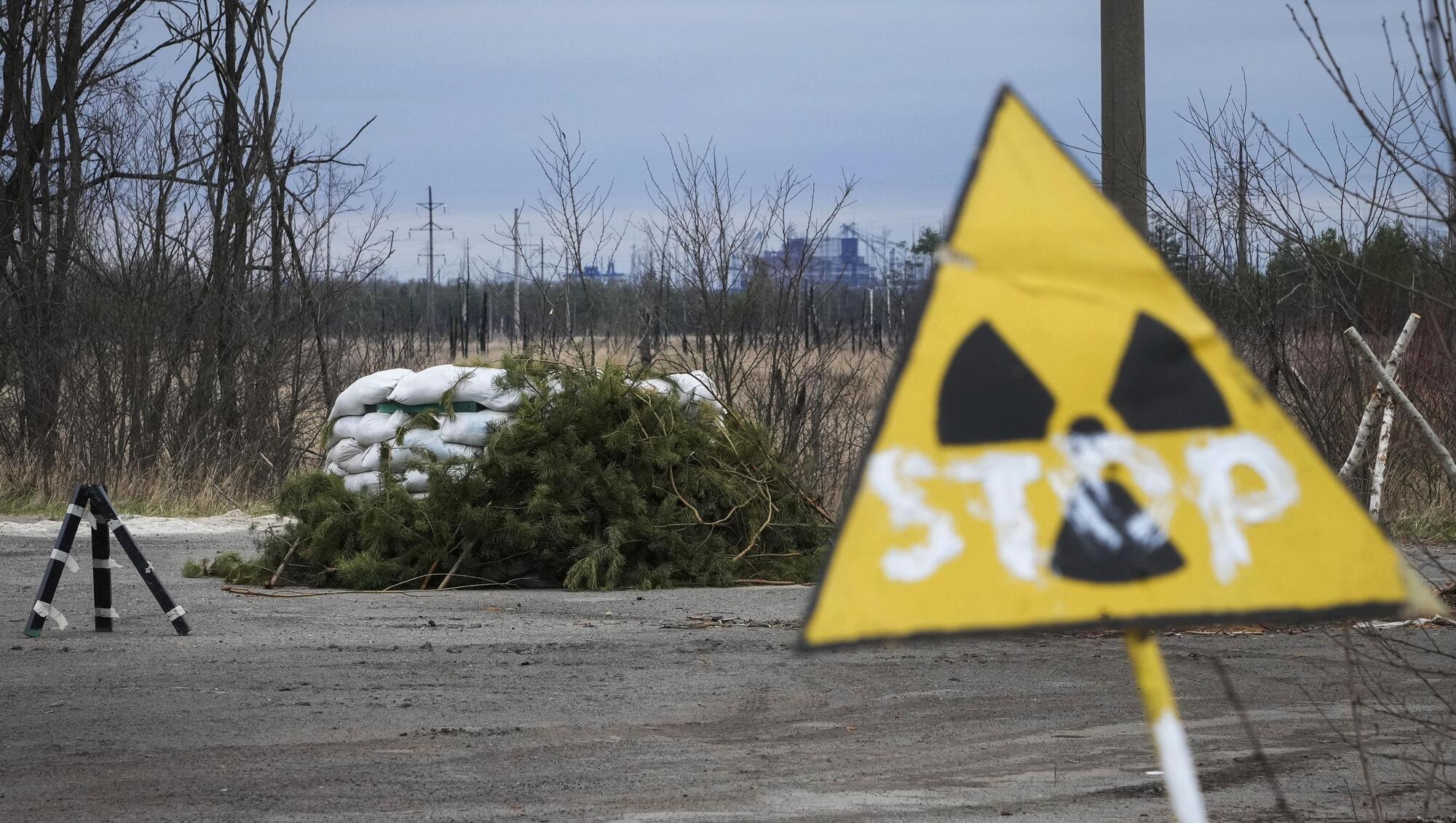
In February 2022, the world watched in horror as Russian troops recklessly advanced through the Chernobyl Exclusion Zone, reawakening deeply buried radioactive elements and contaminating the air, land, and water. Picture: AP /Efrem Lukatsky
On Saturday, April 26, 1986, at 1:23am, the world changed forever when a new word, “Chernobyl”, entered into the history of language, the history of world disasters and the history of the world… with deadly and frightful force.
Described by former UN secretary general Kofi Annan as “the greatest environmental catastrophe in the history of humanity”, the explosions sent clouds of radioactive gases and debris 7-9km into the atmosphere, which had an enormous health, environmental, economic and socio-economic fallout.
As the world marks the solemn 39th anniversary of the Chernobyl nuclear disaster, we are faced with the devastating reality of an evolving conflict that continues to inflict immeasurable suffering on innocent civilians and poses an unprecedented threat to the environment.
The catastrophic Chernobyl nuclear disaster of 1986 left an indelible mark on history, yet in February 2022, the world watched in horror as Russian troops recklessly advanced through the Chernobyl Exclusion Zone, reawakening deeply buried radioactive elements and contaminating the air, land, and water eight-fold.
This was not merely an act of war — it was an act of nuclear terrorism. The occupation and shelling of nuclear facilities in this conflict, including Chernobyl and Zaporizhzhia, have set a dangerous precedent in modern warfare, turning nuclear power plants into potential weapons of mass destruction. The threat that Chernobyl poses remains very real.
Just a few short weeks ago, on St Valentine’s Day 2025, we woke up to news Chernobyl had been attacked, and the sarcophagus that is meant to protect humanity was breached. Once deemed impregnable, this emboldened act heightens the risk of another devastating nuclear catastrophe, demonstrating that nuclear facilities, once considered off-limits, are now pawns in geopolitical warfare. This reminds us that Chernobyl is forever, and its tragic lessons must not be ignored.
My worst nightmare in this conflict is that a second Chernobyl disaster could be unleashed on the world —this sacred area of utter vulnerability and danger, a special area of human tragedy, could once again, have deadly radioactive contamination released.
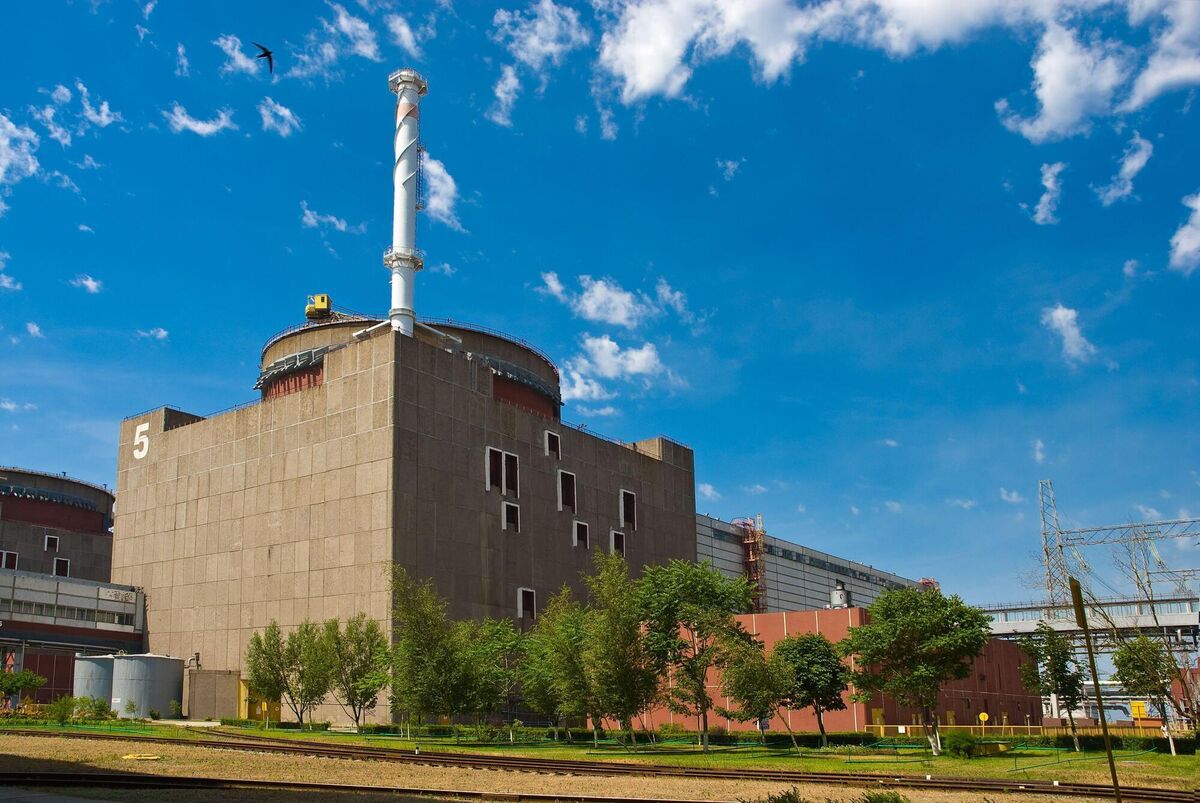
Never before in the history of the atomic age have nuclear stations been used as weapons of war — because such an act was deemed inconceivable, there are no protocols for operating nuclear power stations under military attack, setting a dangerous precedent in modern warfare, turning nuclear facilities into potential weapons of mass destruction.
What has happened in Chernobyl and Zaporizhzhia has presented us with a new reality. Nuclear facilities should remain globally, totally and completely off limits, because of their lethal potential to destroy people, animals, indeed, the whole planet.
Mass evacuations would have to implemented and then, where would evacuees go? It would be a nightmare scenario. The weaponising of nuclear facilities has resulted in a collision between warfare and nuclear power, which is a whole new threat with potentially devastating, unimaginable consequences for humankind for centuries to come.
I fear this area, a sacred area, an area of utter vulnerability and danger, a special area of human tragedy, could once again have deadly radioactive contamination released which would spread everywhere, like an uncontrollable monster.
Today, we must unite to call for global recognition of the environmental destruction caused by war and to urge immediate action to safeguard our planet for future generations.
While Chernobyl happened almost 40 years ago, its impact continues to stalk across the generations. It remains locked in the land, water, air and DNA of all life.
Chernobyl is not something from the past — Chernobyl was forever, Chernobyl is forever. The impact of this single shocking nuclear accident launched an invisible war that we cannot see, taste or touch and it can never be undone.
Chernobyl’s radioactive footprint is embedded in our world forever, with countless people still being affected by its deadly legacy shadowing their lives for future generations.
Now, in a nuclear age, a time of grave mortal danger, our very existence is on the cusp, a planet that has become so fragile in the hands of man. We cannot overstate the current critical situation and nuclear threat in Ukraine. If we remain silent, we are playing with a loaded gun and risk a humanitarian Armageddon.
We no longer want nature and the environment to be held hostage, silent victims in today’s wars — our environment can no longer be sidelined as collateral damage. The consequences are devastating, long-term and widespread.
Further compounding fears, the attacks on Kyiv this week, including strikes near key energy and administrative infrastructure, have cast a fresh shadow over the Chernobyl anniversary.
The proximity of these attacks to the Remembrance Day is more than symbolic — it’s a stark reminder the lessons of Chernobyl are being forgotten. The spectre of nuclear disaster looms once again, not just as a historical event, but as an imminent risk.
As the world marks nearly four decades since Chernobyl, the targeting of Kyiv reaffirms how vulnerable civilian populations remain in this nuclear age.
Let us have peace and an end to war. change the narrative to one of permanent peace, dialogue and restoration. Let’s remember what is at stake here: the future of the planet itself!
As a first step towards peace negotiations, we need all sides to agree that Chernobyl, Zaporizhzhia or any nuclear facilities are no longer targets, used for shelling, bombarded, or as a base for ground fighting under the Hague Convention. Declare these spaces as absolute no war zones.
Let us be the advocates for peace, so the people of Ukraine and beyond do not follow the same devastating fate as the victims of the 1986 disaster. Let us use our collective voice to call for peace and give our brothers and sisters in Ukraine hope in knowing they are not alone.
Our children and grandchildren will either thank us or curse us.
CONNECT WITH US TODAY



Be the first to know the latest news and updates