Terry Prone: It's incredible anybody still wants to be a TD — let alone Ryan Tubridy
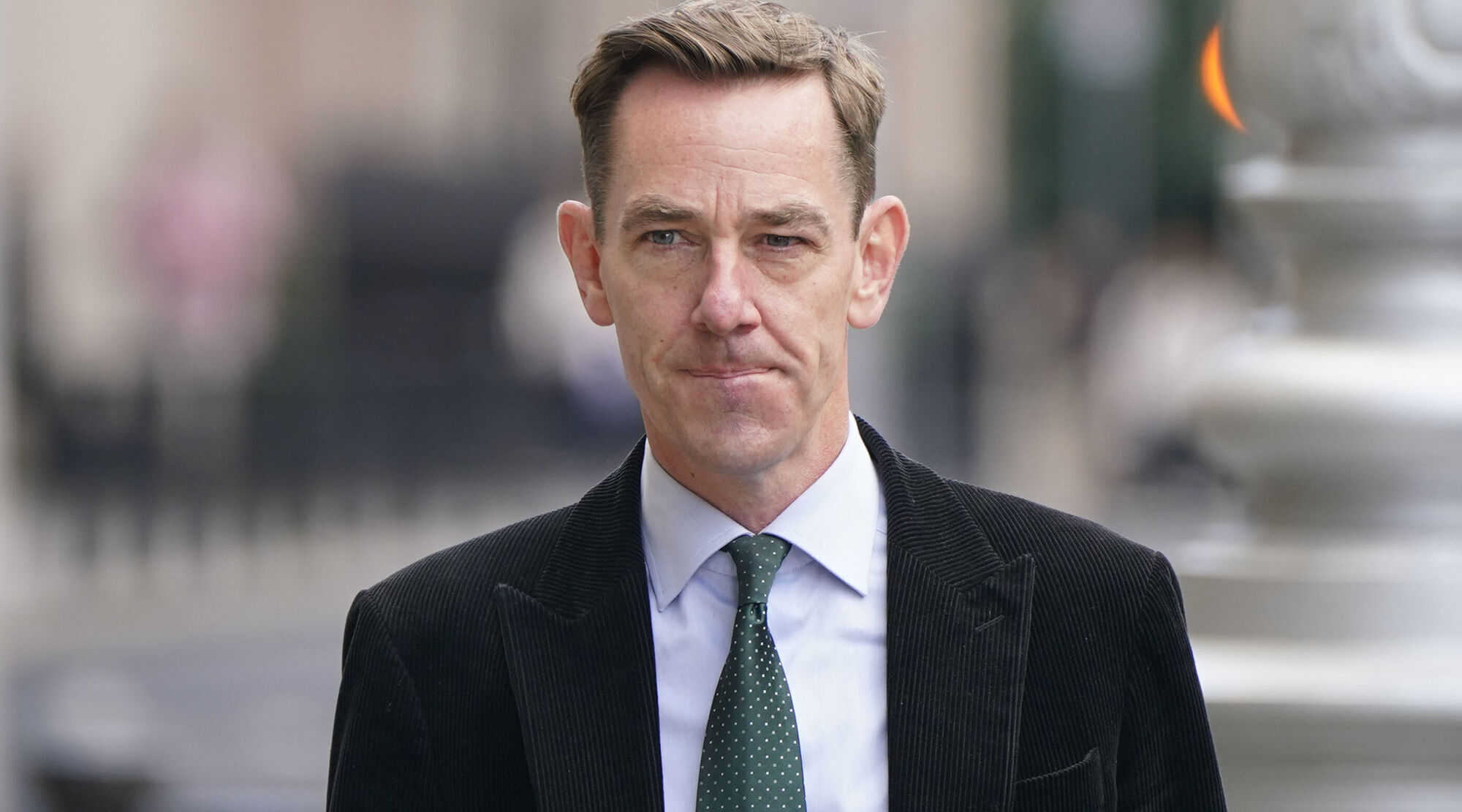
Maybe Ryan Tubridy has decided he’s done with mainstream broadcasting and that politics would be more fun? File picture: Niall Carson/PA

Richard Bruton introduced himself to me at the launch of Vincent Browne’s book.
This speaks to what a gentleman he is, because our lives have crossed many times over the last 40 years, and yet he was carefully providing for the possibility of being forgotten (because of inattention on my part, or age, or poor eyesight or maybe drink, although I don’t) and removing any possibility of consequential embarrassment on my part. Definitely a gent.
Which leads me to a general question. “Gent” is such a lovely general term of approbation, applied to men. And only to men. You can’t really call a woman a gent — and there isn’t a comparable term for a girl. Pity.
Richard introducing himself to someone who already knew him is just part of his resolute courtesy. Before he retired, he was one of the good guys in politics, of which there isn’t a shortage. And I’ll thank you not to roll your eyes at the suggestion that there might be plenty of good guys in that sector.
The way people look at you if you tell them you’ve worked with politicians for more than 50 years and found most of them fascinating is much the way they’d look at you if you told them your life’s work was analysing the tons of human waste sealed off and preserved by Vesuvius doing its thing to Pompeii.
It’s a mixture of fascination and disgust. “How could you?” mixed with “But tell us the best bits anyway.”
Here’s the best bit. People in Ireland still want to be political candidates.
Read More
They see Michael Healy-Rae being punched in the face while minding his own business, they see streams of invective directed at politicians on social media, they know that even if elected, they could be turfed out the following general election, yet they still want to be TDs.
Especially if they’re famous.
If they’re long-term broadcasting celebs, you might think they’d have got over the yearning to be appreciated, but the minute someone in the know suggests to them that the party leader would love to have them as a candidate, they’re off and running.
It’s the lust for power, you might suggest, and you may be right. But the problem is that power isn’t what it used to be. Once upon a time, ministers could reward pals whatever way they liked, including putting them on State boards. But also, politicians could get pure notions and force them through because they had real power.
So you had that thrusting young minister from Limerick, Donogh O’Malley who got a severe attack of notions and didn’t even bother consulting with his Sec Gen (the famous Dr T. K. Whittaker) before he announced free secondary education. The announcement broke all the rules in the book. It wasn’t even costed. Outrageous. Except…
Except that O’Malley getting notions and bullying them into State policy changed our world for the better, including, according to geriatrician Professor Des O’Neill, adding nearly two decades to our life span, because that’s been one of the unanticipated benefits of national (free) secondary education.
Could an O’Malley happen today? Not a snowball’s chance in hell, not least because majority governments are never going to happen again, and a coalition does tend to insist on discussing things before deciding things.
Nor can anybody these days just put someone on a State board or give someone else’s company a shed load of lucrative business. Tedious things like tender processes and the Public Appointments Service have cut off a whole wonderful chunk of political power.
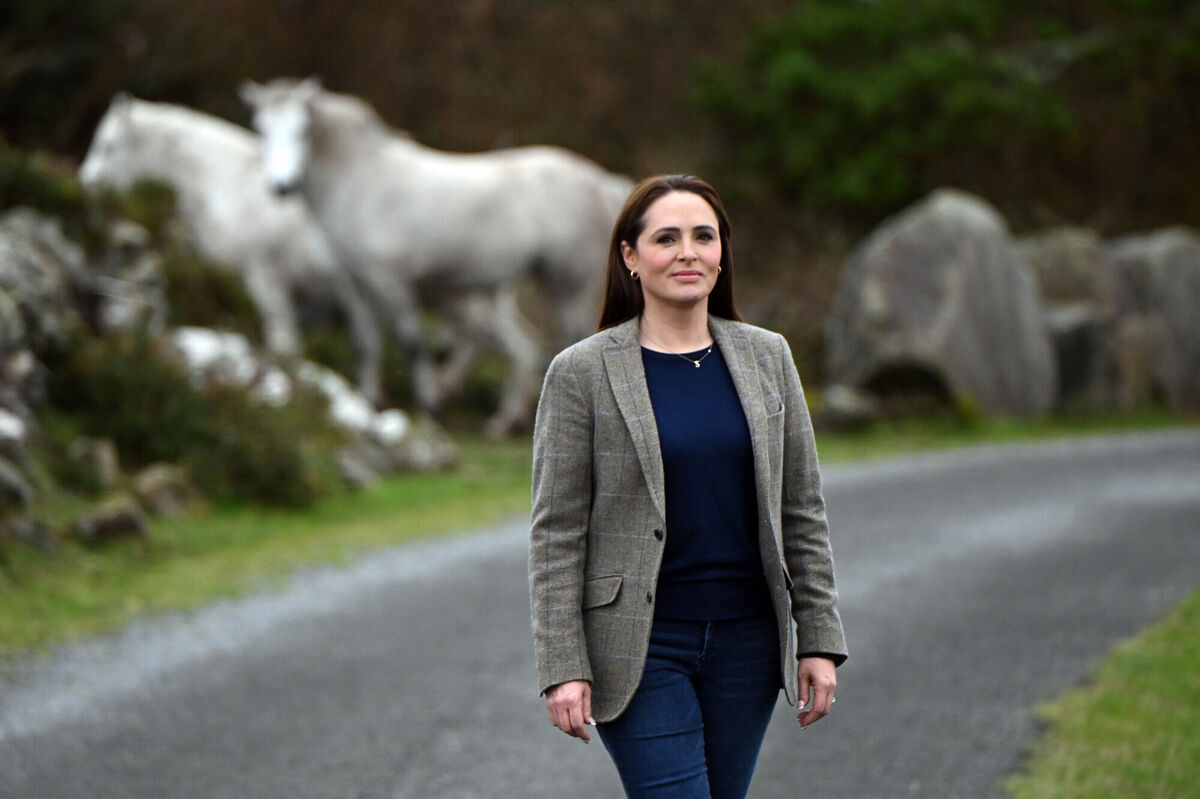
So when moany folk claim that politicians are only in it for the power, the answer has to be “what power?” And arguably the best proof is the experience of RTÉ’s George Lee, who managed to get himself elected and ignored pretty much simultaneously.
It was like he was Fine Gael’s Jelly Cat: Desirable for putting on a shelf, but without influence or power. He got himself out of there expeditiously and once laundered, returned to RTÉ square one.
Gráinne Seoige, on the other hand, never got far enough to be disregarded by Fianna Fáil, for whom she ran, but she certainly got far enough to be deeply scarred by the process.
Which makes it all the more astonishing to read, this week, that Ryan Tubridy, every night of his life, goes to bed dreaming that some day he will reclaim his grandfather's Galway West seat. The dream is so specific, he gets elected on the second count.
Not likely, say number-crunching Fianna Fáil members in that constituency where, they say, Tubs is seen as a Dublin-based celebrity, which, in and of itself, would not necessarily make him that welcome as a candidate, even if he was not also discountable on the basis that Galway to him is a place to visit on weekends.
So the question to ask is why he floated this kite at this time. It just slipped out between his lips in a social setting? Nope. It wasn’t a social setting. It was a celeb platform and media — in the form of the — was visibly present.
Yet Tubs indicated he finds politics fascinating, finds the Soldiers of Destiny equally fascinating, and defined his Andrews/Tubridy lineage in detail. See those colours on the mast? Ryan was the one who nailed them there.
That took courage because RTÉ’s Kevin Bakhurst could not but say, looking at that mast and its attached colours, “Well, that rules out any magazine or current-affairs programming, right there.”
But maybe Ryan has decided he’s done with mainstream broadcasting and that politics would be more fun. If that’s where he’s at, some close friend of his needs to tell him it wouldn’t be fun, let alone more fun than broadcasting.
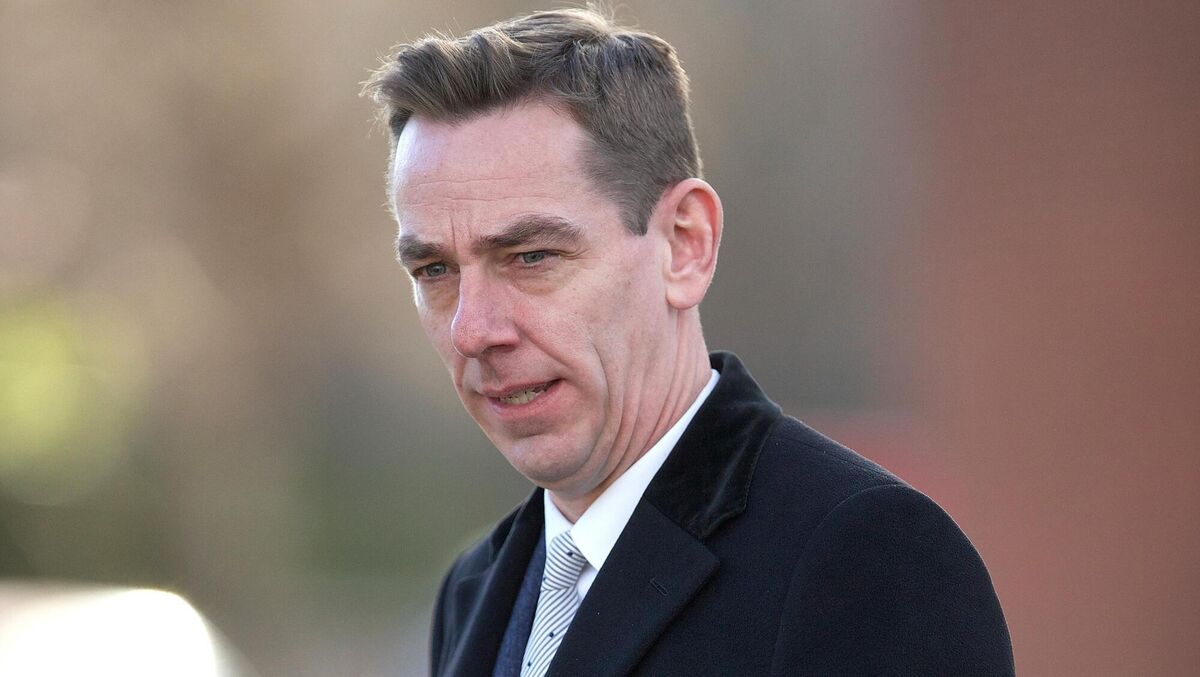
It would expose him to a constant replay of the scenario where he broadcast his encouragement to RTÉ staff facing reduced wages, indicating that “we’re all in this together”, when as later emerged, he was in a quite different financial situation.
It would expose him to questions about what happened to RTÉ, his lifetime employer, following revelations about what Dee Forbes had arranged for him with his agent.
Any close friend would also need to tell him that he’s not good in the face of hard-edged persistent questioning, and that practised charm tends to fragment just a little when someone on the canvass gets abusive, as would be virtually inevitable in his particular case.
Nobody can doubt that Ryan is fascinated by politics and by Fianna Fáil. But fascination is not a qualification. It’s certainly not a qualification for a spell as a backbench TD, where the mundane and the malicious compete for your attention.
Not even the good pay would compensate TV’s former Mr Nice Guy for the inevitable emotional demotion he would face if elected. He needs good advice about safely abandoning his dream.
CONNECT WITH US TODAY



Be the first to know the latest news and updates