Paul Hosford: Abuse of female politicians is unsurprising. That's the shocking thing
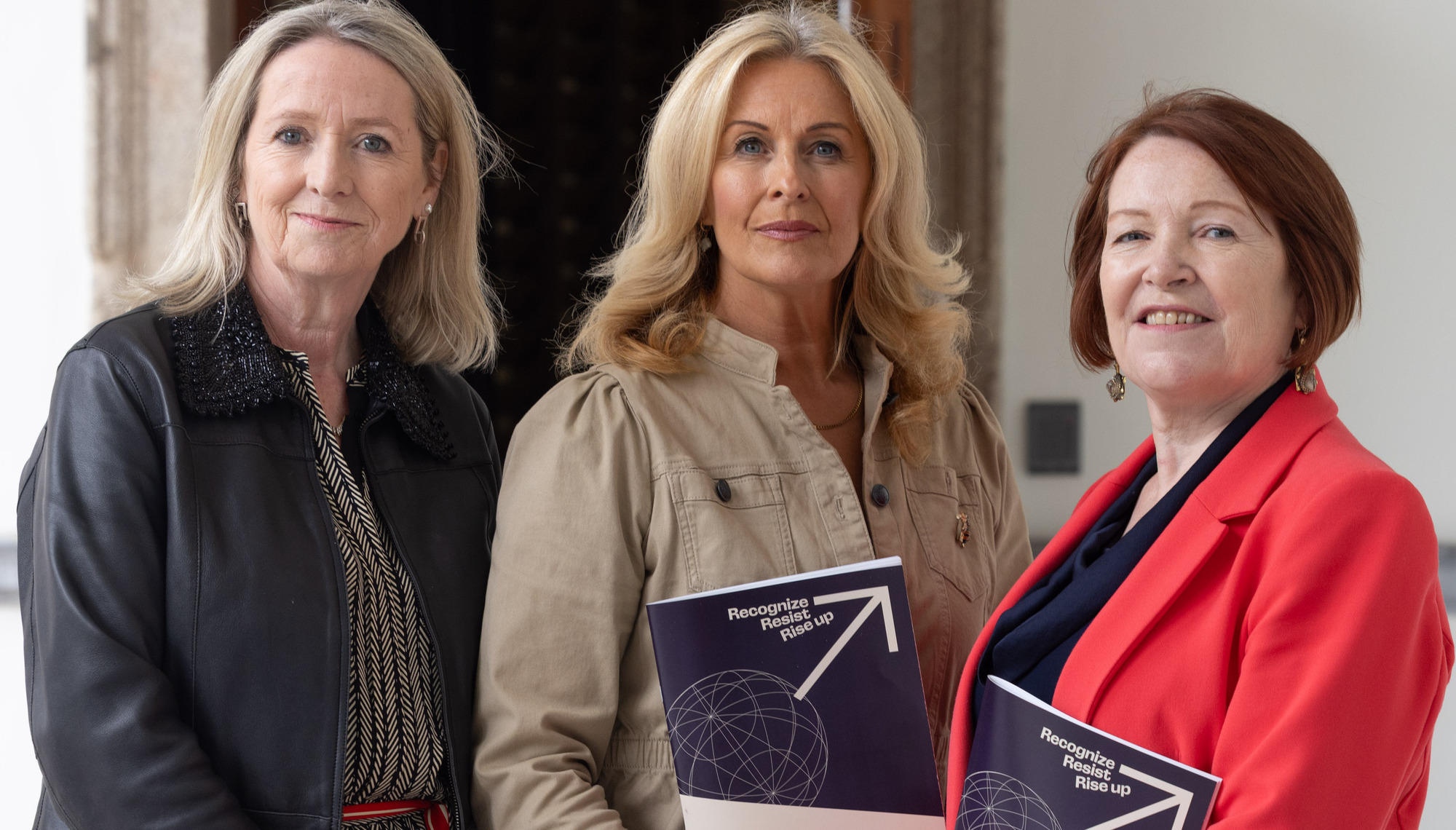
Aldagh McDonogh (Women for Election), Senator Alison Comyn (Irish Parliamentary Women’s Caucus), and former Garda commissioner Nóirín O’Sullivan launching the report into ‘Gender-based violence against women politicians in Ireland’. Picture: Paul Sharp

Some 96% of female Oireachtas members have experienced online violence, and two thirds have changed their social media behaviour as a result.
- 96% of female parliamentarians have experienced online violence — almost universally through social media;
- 88% experienced psychological violence, including sexist remarks, harassment, and threats;
- 71% received threats targeting themselves or people close to them, including children, elderly parents, and family members with disabilities;
- 63% have experienced sexualised violence — yet only 20% of those affected reported it;
- 65% have changed their social media engagement as a direct result of abuse — some delegating accounts to staff or deleting them entirely;
- 46% have altered their behaviour, including avoiding lone canvassing and checking in with staff while out in public.
Read More
One participant described receiving messages specifying “how much enjoyment they will take in seeing me die a painful death”. Another was threatened with a rope and told people “had a rope for around my neck”. A third received threats of sexual violence while canvassing during an election campaign.
One can pathologise and theorise that traditional Irish society was built on highly traditional and patriarchal ideas about women’s roles and that, for much of the 20th century, women were expected to remain in the home, act as carers, and defer to male authority in politics, religion, and family life.
We can attempt to climb into the head of a man who would threaten a woman online over her appearance or politics — but the truth is that a small minority of people now simply feel empowered to threaten, demean, and abuse others online or, in too many cases, in person.
Read More
Political violence against women in Ireland is no surprise because it grows out of the same social conditions that continue to devalue women more broadly. Until Ireland fully confronts misogyny, gender inequality, and the cultural acceptance of violence against women, abuse in political life will remain a predictable consequence rather than an unfortunate anomaly.
• According to Women’s Aid Femicide Watch, 284 women have died violently between 1996 and today in Ireland; 187 of those were killed in their own homes and — where the case has been resolved — 87% of those women were killed by a man known to them. Just 13% of women were killed by a stranger.
• Earlier this week, the Irish Examiner reported that, according to Safe Ireland, some 850 adults and 324 children in Ireland accessed frontline domestic violence supports on just one day in January this year.
• A week earlier, Women’s Aid recorded an “utterly appalling” 33% increase in disclosures of domestic abuse last year, but has warned these figures are just the “tip of the iceberg”.
Of course we are seeing violence against those women in elected office, because we are seeing it across society.
CONNECT WITH US TODAY



Be the first to know the latest news and updates