Shona Murray: EU still fails to defend citizens despite overturning of sanctions against Albanese
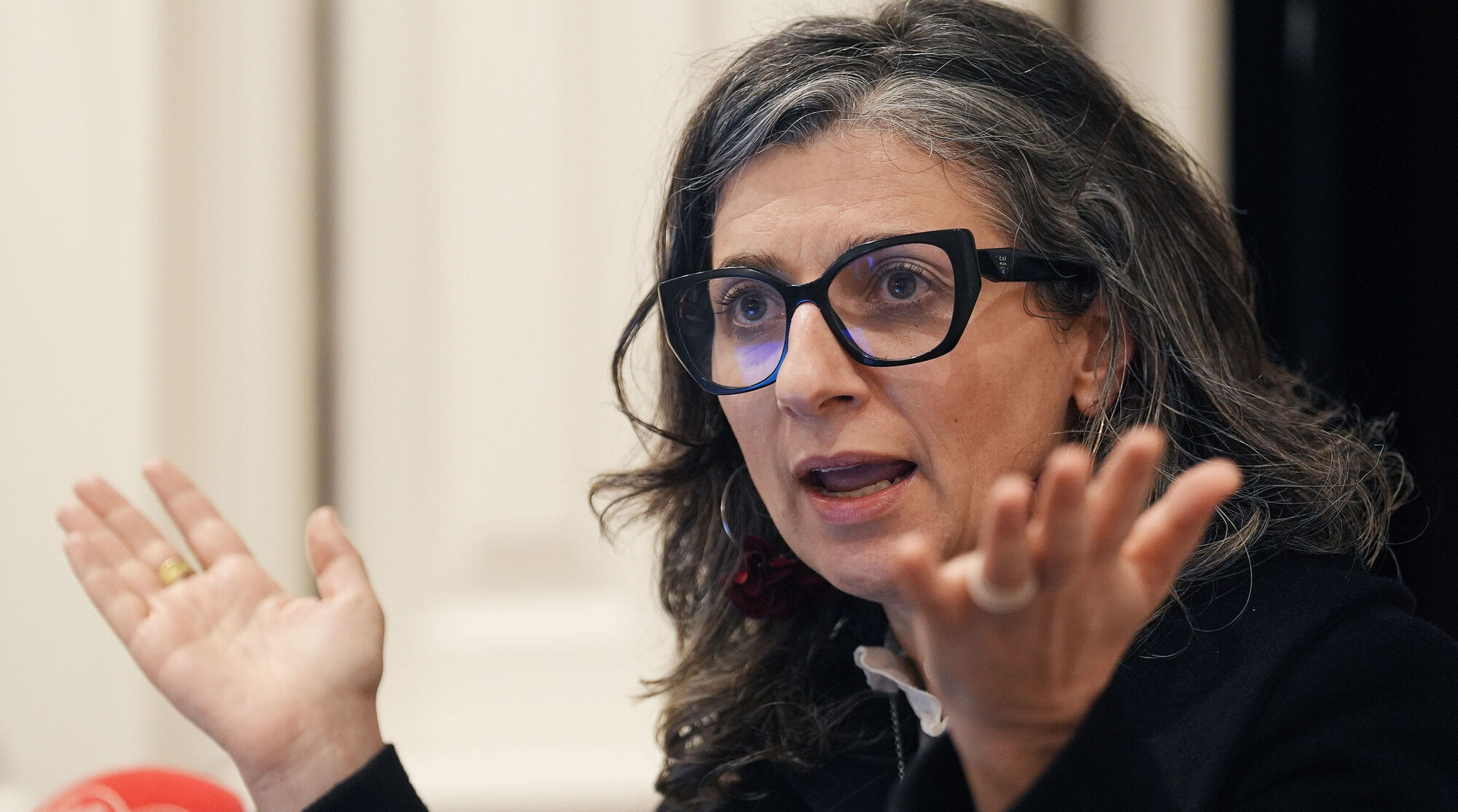
Other justices from the International Criminal Court are still suffering the same consequences as Francesca Albanese for their role in seeking the prosecution of Netanyahu
Shona Murray: EU still fails to defend citizens despite overturning of sanctions against Albanese

Up to recently, Francesca Albanese has had no access to banking, including access to her own earnings and savings, credit cards, or basic technology — and was banned from travelling to the US despite having an American daughter. Photo: Brian Lawless/PA

IN A relatively surprising move, a US judge this week overturned sanctions against the UN special rapporteur on the human rights situation in the occupied Palestinian territories.
It’s a rare victory for the First Amendment, which is under grinding assault from the Trump administration. And is particularly so for people expressing support for the rights of Palestinians across the US and Europe.

And while it is a moment to take heart that the system of civil and constitutional rights in the US lives on, it’s utterly depressing that at no point has the EU moved to defend European citizens from specious accusations. This goes for the EU’s weak support of the institutions of criminal justice such as the International Criminal Court (ICC).

US secretary of state Marco Rubio imposed the sanctions on Francesca Albanese — an Italian international law expert — for an investigation into Israeli aggression against Palestinians in Gaza and the West Bank. 

As a result, she has had no access to banking, including access to her own earnings and savings, credit cards, or basic technology — and was banned from travelling to the US despite having an American daughter.

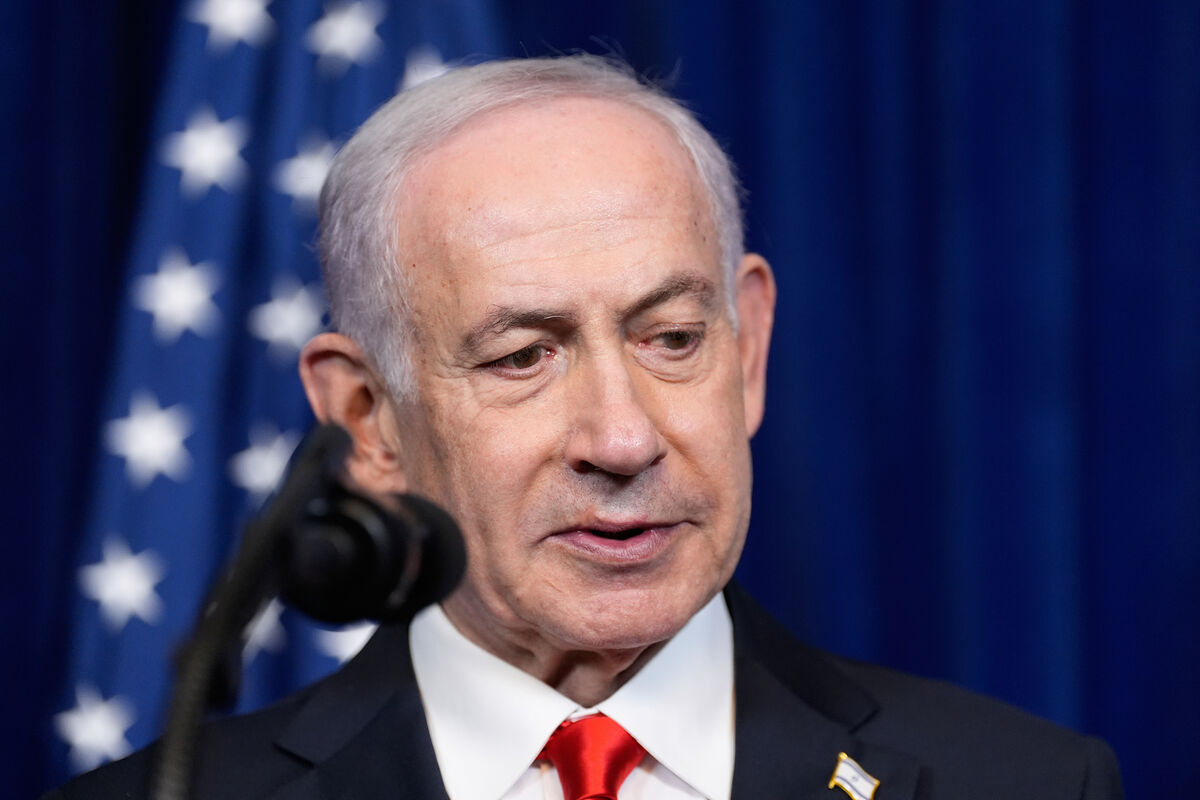
In November 2024, the ICC issued an arrest warrant for Benjamin Netanyahu for the use of starvation as a method of war, and intentionally directing an attack against the civilian population, as well as other crimes against humanity. Photo: AP/Alex Brandon

Imposing the sanctions, Rubio described Albanese’s efforts to bring justice to Palestinians being systematically starved, bombed, and besieged as “shameful”. 

He described her demands that the international criminal justice system such as the ICC, which tries individuals for the most serious war crimes including mass rape and crimes against humanity, be utilised to try Israeli prime minister Benjamin Netanyahu as “a campaign of political warfare”.

In her role as a special rapporteur, Albanese has written recommendations to the ICC regarding possible war crimes charges stemming from the Israeli Palestinian conflict.
Lifting of sanctions

But as US district judge Richard Leon said in his 26-page decision for the court, the only way Albanese has engaged in any ICC effort to “investigate, arrest, detain, or prosecute a protected person” is by “offering her non-binding opinion and recommendation — in other words, by speaking”. 

He also noted that Albanese does not work for the ICC, nor does she have “any ability to direct action by the ICC”.

Justice Leon instead accused the US administration of sanctioning Albanese to regulate her speech, in violation of the First Amendment. For their part, Rubio and the US state department unsuccessfully argued that the purpose of the sanctions was to regulate her behaviour and conduct.

Rubio also accused Albanese of being antisemitic, for which he produced no clear evidence.

In the 26-page decision from the court, Judge Leon considered accusations against Albanese by Rubio who said she “spewed unabashed antisemitism, expressed support for terrorism, and open contempt for the United States, Israel”.

In November 2024, the ICC issued an arrest warrant for Netanyahu for the use of starvation as a method of war, and intentionally directing an attack against the civilian population, as well as other crimes against humanity. His co-accused for similar crimes is former Israel defence minister Yoav Gallant.

As part of the same process, now deceased Hamas leaders such as Yahia Sinwar were also charged with criminal responsibility for a myriad of war crimes as part of their terrorist attack on October 7.

Other judges not so lucky

While Albanese can draw some relief for the preliminary order, the US dark pall on international justice is as grave and sinister as ever, given how several justices from the ICC are suffering the same consequences as Albanese for their role in seeking the prosecution of Netanyahu and Gallant.

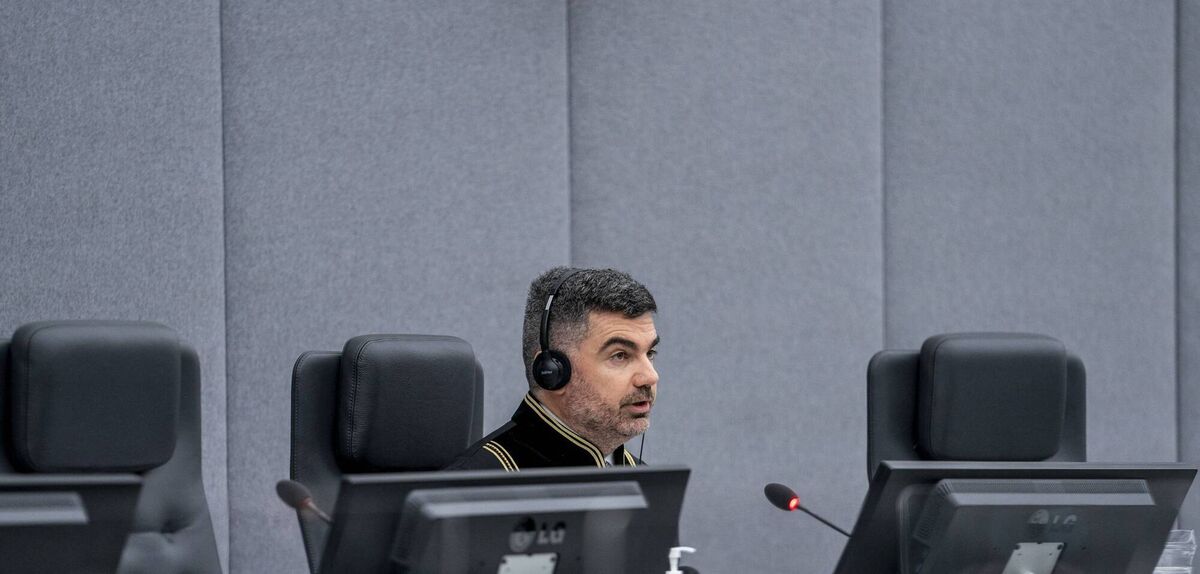
One of the justices, French judge Nicolas Guillou, is frequently in Brussels detailing the debilitating impact the sanctions are having on his life, merely for doing his job, to EU officials and the press. The former pre-trial judge at the Kosovo Specialist Chambers said his whole life has been drastically impacted.

French Judge Nicolas Guillou presides at the war crimes court in The Hague in 2020. He is still prey to the debilitating sanctions from the US administration. File photo: Jerry Lampen / various sources / AFP

He is no longer allowed to travel to the US. All his accounts with American companies, like Amazon and Microsoft, have been shut He has no email accounts. And he is on a list of 15,000 others including Al-Qaeda, Putin, and other terrorists.

He says the EU has made no effort to push back against the US wrongfully targeting his daily life on European soil for his work protecting international law in a European city — the Hague.

Amid the flagrant use of the accusation that Albanese and the justices at the ICC are motivated by antisemitism, is the omission that one of the lead pre-eminent justices involved in the case against Israeli leaders as well as Hamas militants is highly acclaimed international jurist and Holocaust survivor, Theodore Meron.

Born in Poland in 1930, he survived for four years in Polish labour camps during the Nazi genocide, and emigrated to Mandatory Palestine, later Israel in 1945.

He became an Israeli diplomat and later one of the world’s foremost scholars of international and humanitarian law.

He is one of a panel of six legal experts convened by the ICC’s chief prosecutor Karim Khan to assess the evidence against both Israeli and Palestinian suspects. And to ascertain whether such evidence met the threshold of the crimes prosecuted at the ICC.

In response to the US sanctions against the justices in the Hague court, the ICC has accused the administration of behaving in a way that is an “affront against the Court’s States Parties, the rules-based international order and, above all, millions of innocent victims across the world”.

More in this section