Michael Moynihan: Cork should take some inspiration from the imagination and leadership in Paris
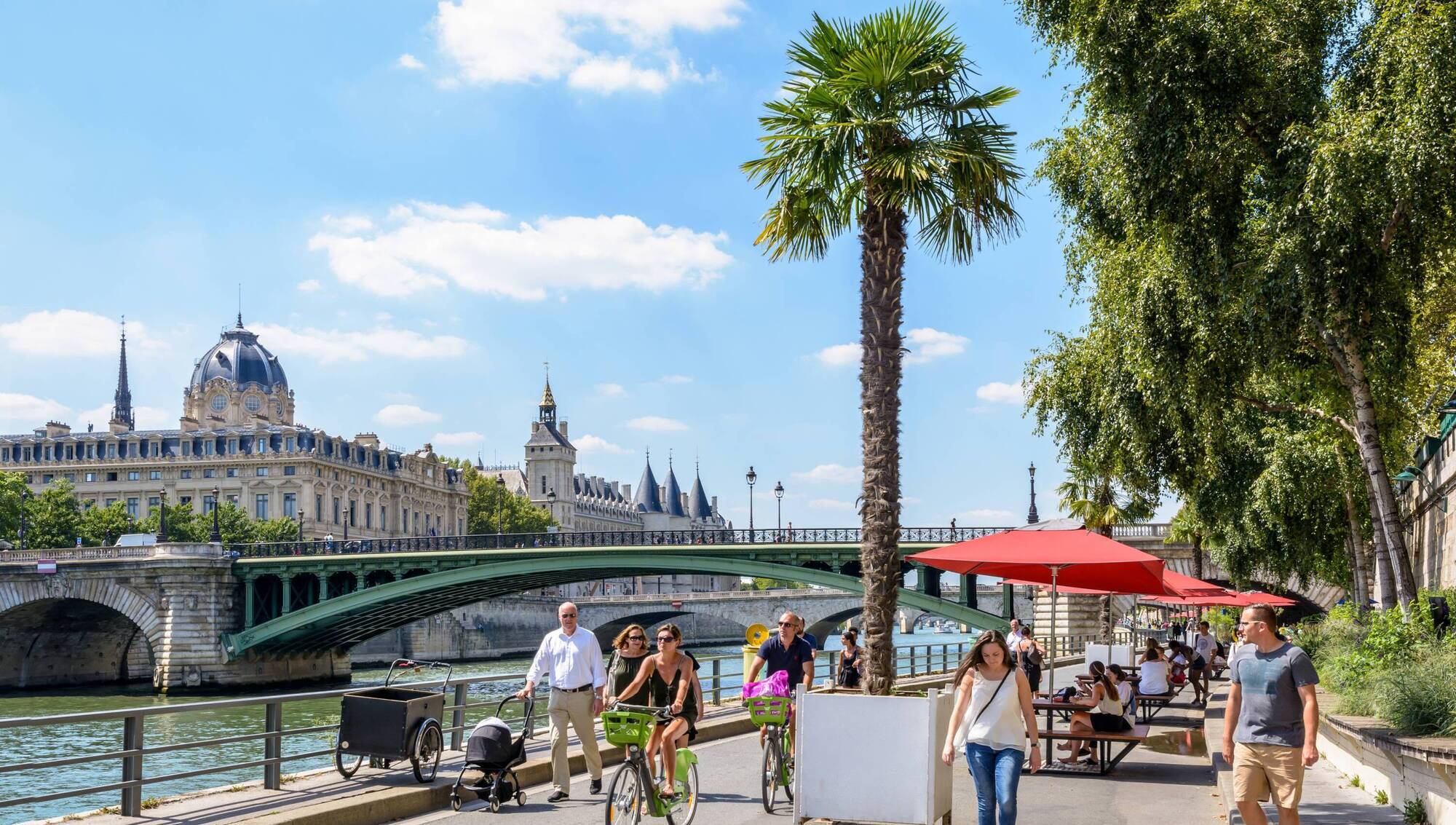
Every July and August since 2002 the banks of the Seine are converted into seaside walk with palm trees, picnic tables and parasols during Paris-Plages summer event.

I was in Paris for a few days last week.
Don’t worry, I’m not looking for sympathy, nor am I trying to irritate anyone who wasn’t sauntering along the banks of the Seine in the last few days. In truth, the French capital had a mixed reputation in the house I grew up in thanks to a pungent story my late father used to tell about a very unsympathetic national teacher.
("There we were in third class in Blackpool National School and one of the teachers would be sighing and saying to us, ’To think I was on the Champs d’Elysée last month.’ At that stage, we didn’t know where Patrick Street was. Given he was our geography teacher, it was a fair indictment of him, the snob, etc.")
In any event I got over my antipathy. Paris is a great place, as any reader familiar with the place will confirm. But I wasn’t there for enjoyment; my purpose was more mundane.
What could we take from Paris that would help us in Cork?
No shouting, please. I’m not referring to places like Prunier, the caviar shop where they ask you if you like your caviar salty or creamy ("Non-existent," was my response on seeing the prices.) Or Deyrolle, the taxidermy shop where a stuffed lioness caught my eye for a cool €20,000.
I mean the urban experience.
In this regard, it was interesting to chat to a couple of expats — many thanks here to the great Dave O’Connell and Cianan Crowley for taking the time to steer this lost provincial around the city.
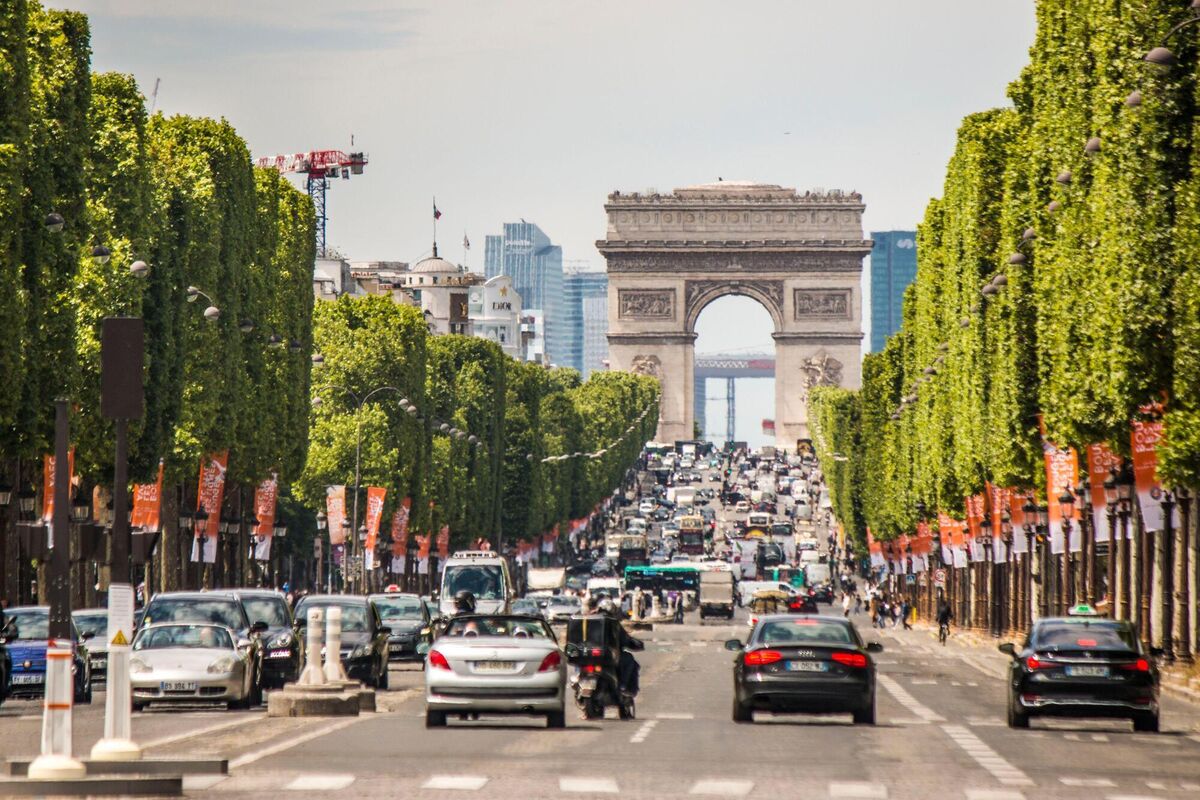
Both of them made similar points about one striking aspect of Parisian life: the population density. At the start of the 19th century, there were already approximately half a million people living there, while at the start of the 20th, the city itself was home to 2.5 million people, with millions more in the greater urban area (nowadays there are over 11 million, all told).
All of which means there are generations with experience of living in a densely populated area, with all the trade-offs involved — proximity, convenience, access, even noise. That doesn’t mean every Parisian is an unobtrusive shadow who knows how to give ample space to other citizens: the lad next to me on the Metro playing his soaps at full volume certainly wasn’t.
But there’s a governing principle that Parisians seem to have accepted. Wherever you go there are going to be crowds. There always have been. Accept it and move on.
That can be a sticky one to take on board here because all of us of a certain age can remember Cork when there was more room all round (I can remember a businessman telling me once that in the early 70s if he drove into the South Mall and couldn’t find parking there at nine in the morning he’d be outraged).
At that stage, the population of Cork (city) was just over 122,000; when the city boundaries were extended a few years back the population was over 210,000. Perhaps we’re only now getting to grips with the realities of far higher population density on Leeside.
There are other lessons. The smoothness of public transport in Paris is a marvel to someone coming from Ireland for all sorts of reasons, not least the sheer luxury of tap and go. Without opening some very old sores, the fact we continue to inch towards tap and go on Cork buses is depressing (even if those are cloaked Leap Card validator machines I see lurking on some of our buses).
A more specific transport lesson arose on my return home.
Among the array of options to get out from the city centre to Charles De Gaulle Airport was the RER B (Blue Line), which serves both Paris airports — first train leaves at 4.50 am, the last at 11.50 pm — I highly recommend.
Given that we in Cork are now discussing — to put it no stronger — the prospect of a light rail system which will serve the southern half of the city, we surely need to discuss connecting the airport to that system.
Connecting the airport and the city is bound to raise the costs. Something that will send costs truly skyrocketing, however, is deferring that decision and deciding to revisit the idea years later.
Skyrocketing is not an exaggeration, either. Transport Infrastructure Ireland submitted a preliminary business case to Government for the Dublin Metrolink, the rail extension which would run from Swords to Dublin City centre, including a connection at Dublin Airport.
Its cost estimates, factoring in inflation up to 2034 — the predicted opening date for the line — settled on €9.5bn as the midpoint of a cost range of €7.16bn to €12.25bn. An eye-watering €23bn was identified as the extreme upper limit of costs.
Connecting Cork Airport and Patrick’s Street will be expensive now, or whenever this light rail is built. But it surely won’t cost €23bn, or whatever the cost is when it has to be built in 20 years’ time.
One other lesson I took home from the French capital was a simpler one. Leadership.
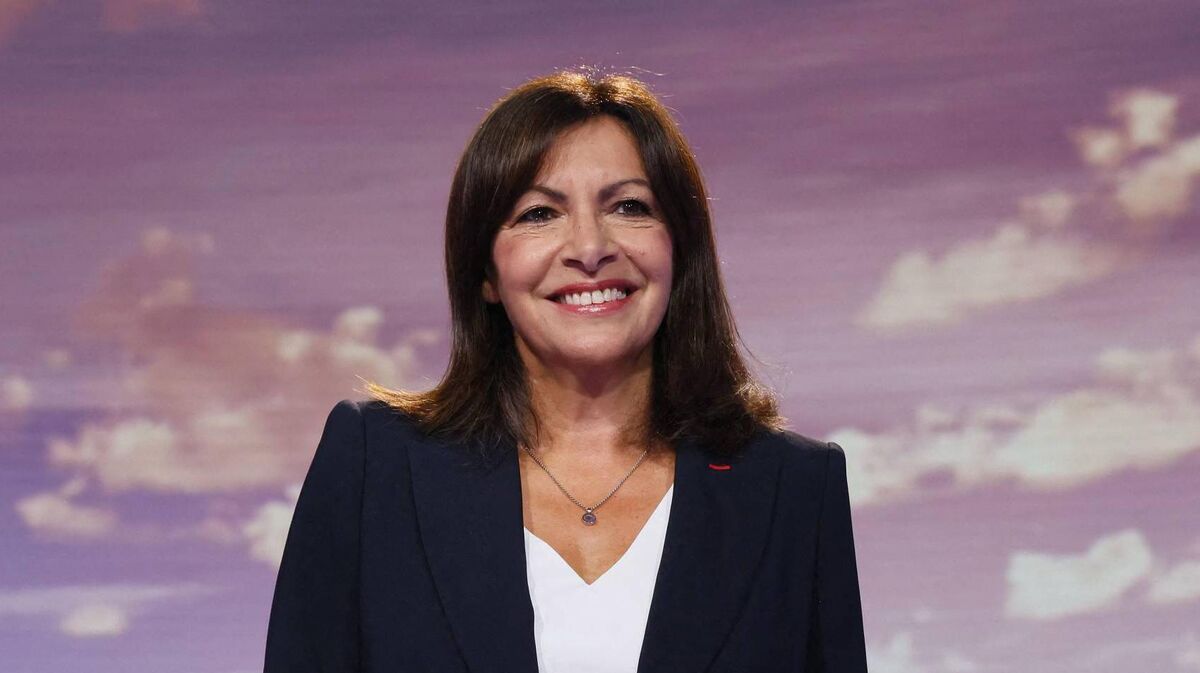
The current mayor of Paris is Anne Hidalgo of the Socialist Party, but she is stepping down shortly after 12 years in the hot seat. In her time, she has become well known as a proponent of the Ville Du Quart D’Heure principle — the 15-minute city, the urban theory proposed by Carlos Moreno which aims to make city neighbourhoods more self-sufficient.
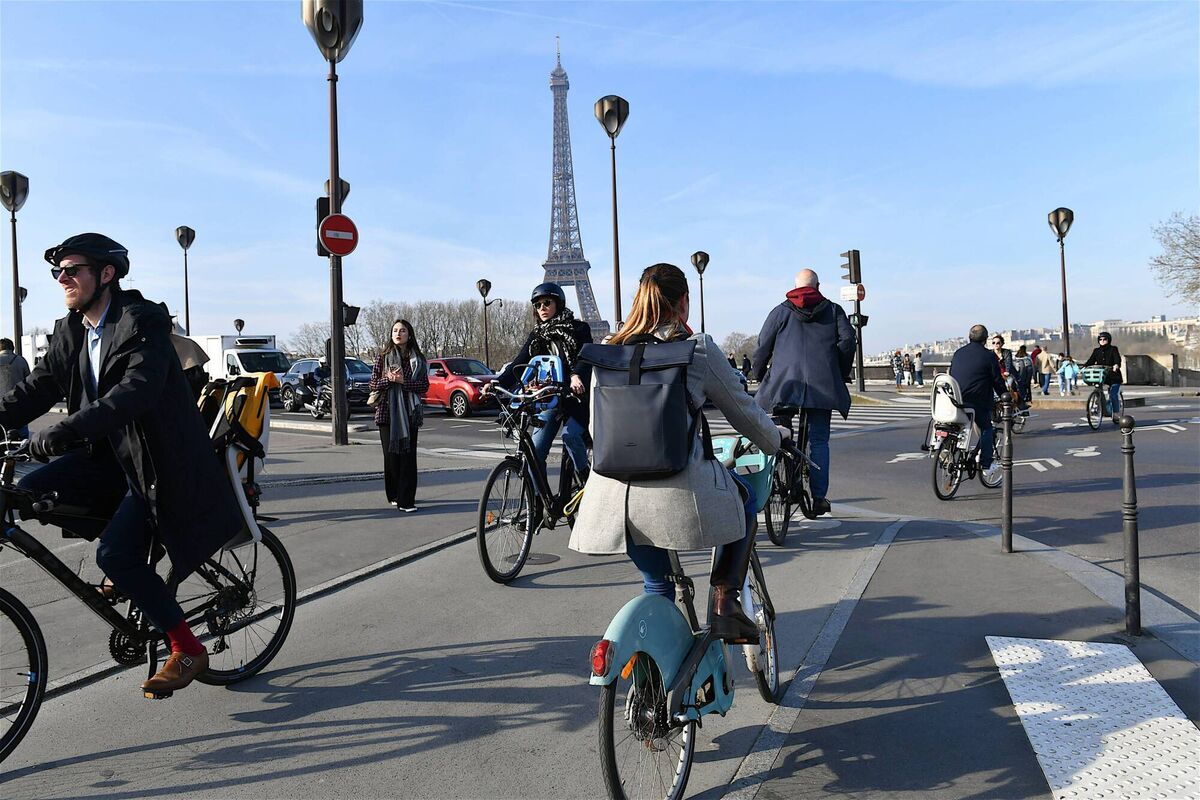
She also introduced the Paris Respire scheme — Paris Breathes — to improve the city environment. This included banning all cars from certain parts of the city on the first Sunday of the month, while also making public transport and the city's bicycle and electric vehicle schemes free for that day.
Hidalgo has worked to reduce the city’s dependence on cars through other concrete measures, such as hiking the price of paid parking, banning free parking on certain days in Paris, as well as converting long stretches of a highway running along the Seine into a riverside park for the benefit of everyone.
- X: /mikemoynihanex
- Instagram: /mikemoynihanex
- TikTok: /mikemoynihanex
CONNECT WITH US TODAY



Be the first to know the latest news and updates