Fergus Finlay: Pope Francis — A good man but a failed papacy
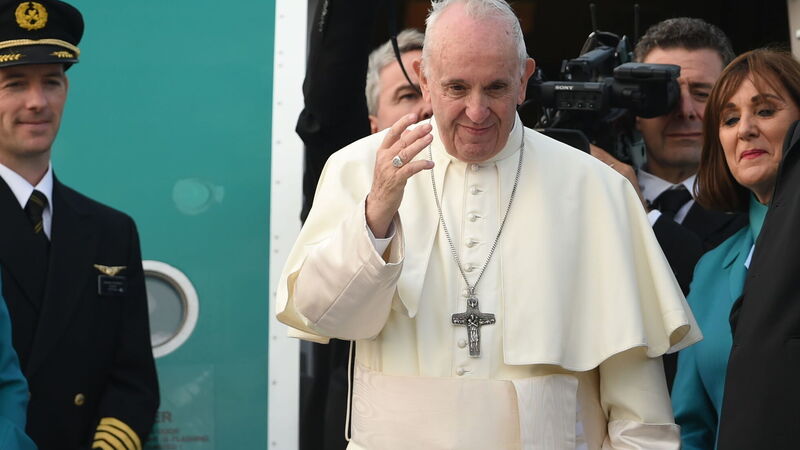
Pope Francis boarding his Aer Lingus flight to the Vatican at Dublin Airport in 2018. During that visit, Francis asked for forgiveness for abuses — but Sheila Nunan received a tepid response from Catholic institutions regarding mother and baby homes redress. Picture: Joe Giddens/PA

In the end, when all the tributes have been paid, the world will remember a good man and a failed papacy.
Pope Francis’s election was a sensation for all sorts of reasons. And it became even more so when the world saw him in action — obviously humble, obviously committed to the poor. When we heard him, even those of us on the outside looking in began to wonder if at last change was going to happen.
There is every indication that he tried. There are very few indications that he succeeded.
The feeling of sadness at his death is maybe compounded by a feeling that he came to the job too late, and was never in a position to achieve the reform he seemed to want to.
A couple of weeks ago, Sheila Nunan, who had been appointed by our Government to negotiate with religious organisations in Ireland about what contribution they would be prepared to make toward redress for survivors of mother and baby homes, published her report.
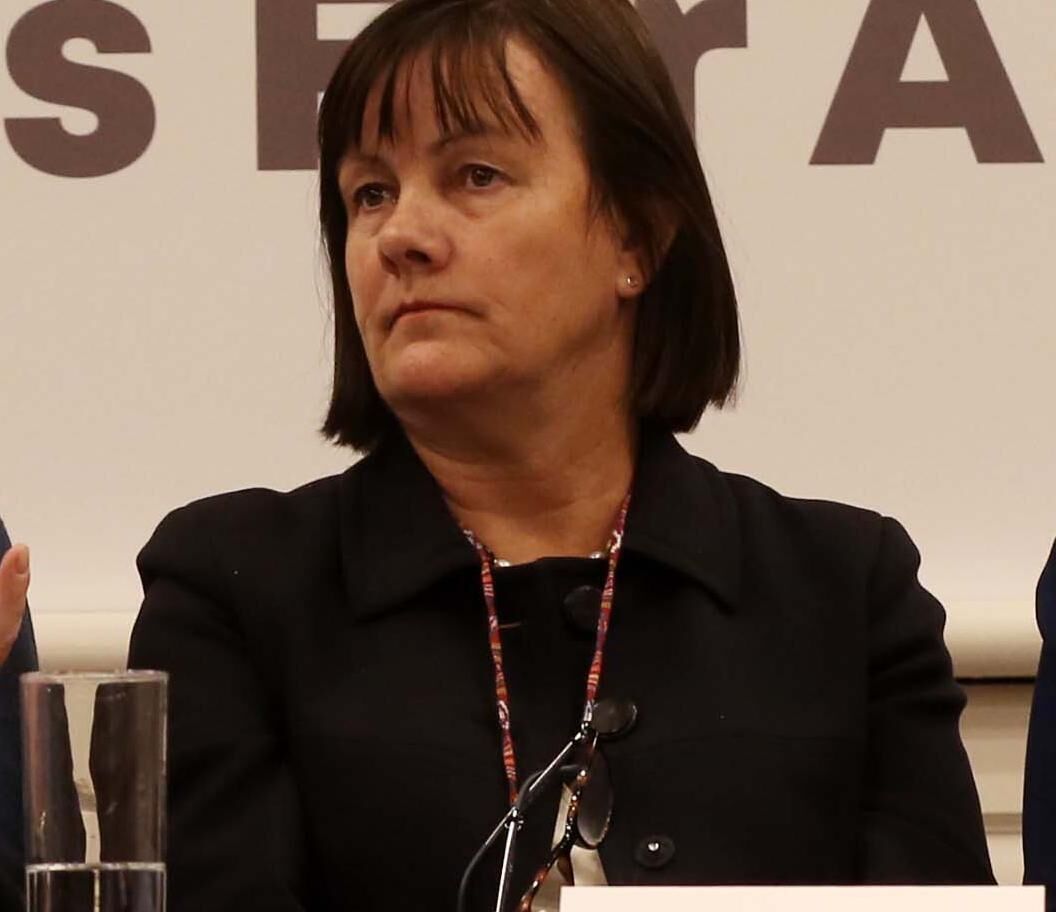
I know Sheila Nunan. She’s a great negotiator, honest and straightforward. She met the Church of Ireland and seven Catholic organisations.
After months of work, she was made one significant offer, by the Bons Secours Sisters. That was essentially it.
Think back a minute.
We’ve known chapter and verse about the physical and sexual abuse of children by members of religious organisations, and talked about it often, for 16 years since the Ryan report was published.
We’ve known a lot of what we need to know about the cruelty and neglect (and worse) in mother and baby homes for years and years, and a lot of detail since the publication of the commission of investigation into them five years ago.
Through much of that time, Pope Francis has talked about the need for an open and inclusive church, a listening church, a church always prepared to atone, a church for the poor.
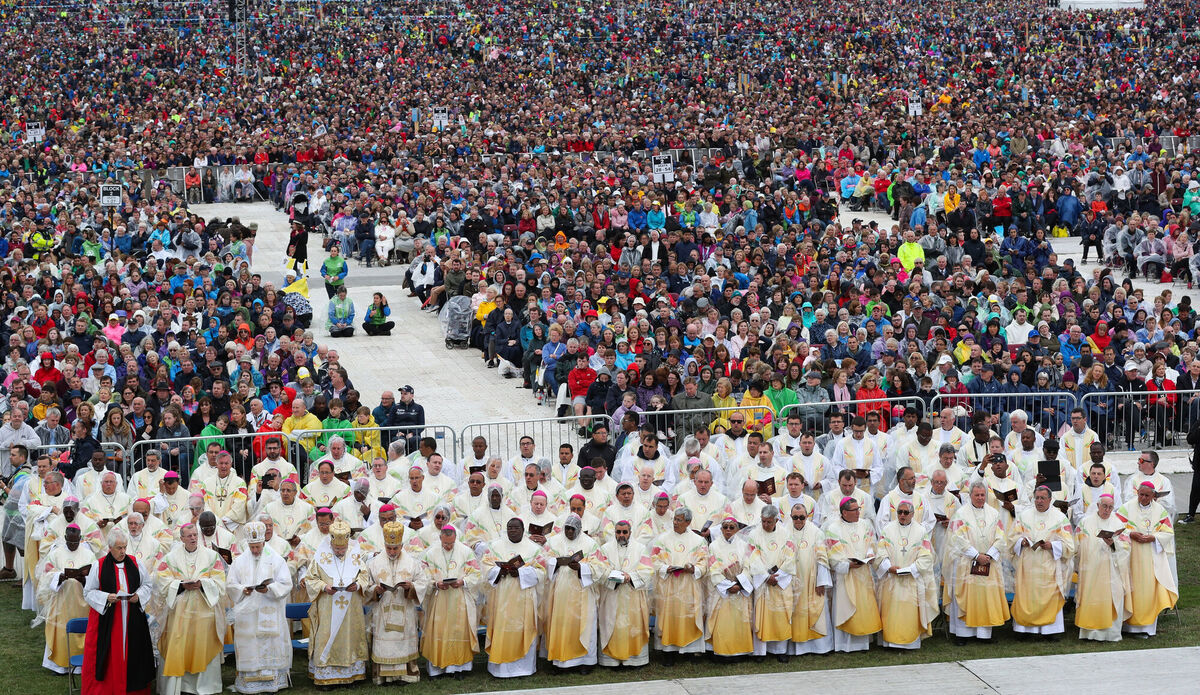
When he spoke in the Phoenix Park during his visit to Ireland in 2018, he said: "We ask forgiveness for the abuses in Ireland, abuses of power and conscience, sexual abuses by qualified members of the Church.
“We ask forgiveness for some members of the hierarchy who did not take care of these painful situations and kept silent.
“We ask forgiveness.”
When he said that kind of thing, in Ireland and elsewhere, millions of people listened and hoped.
The religious orders ignored him and protected their money.
The poor mattered to the Pope, not so much to his organisation.
When he was first elected, I wrote here that there was “no sign in his background that he has any intention of setting out to liberalise the Church’s teachings on same-sex marriage or on family planning.
He’s not going to change the age-old and shameful attitude of the Church to women… And his efforts to reform the mysterious and apparently corrupt workings of the Roman Curia may require far more energy and time than an elderly man has.”
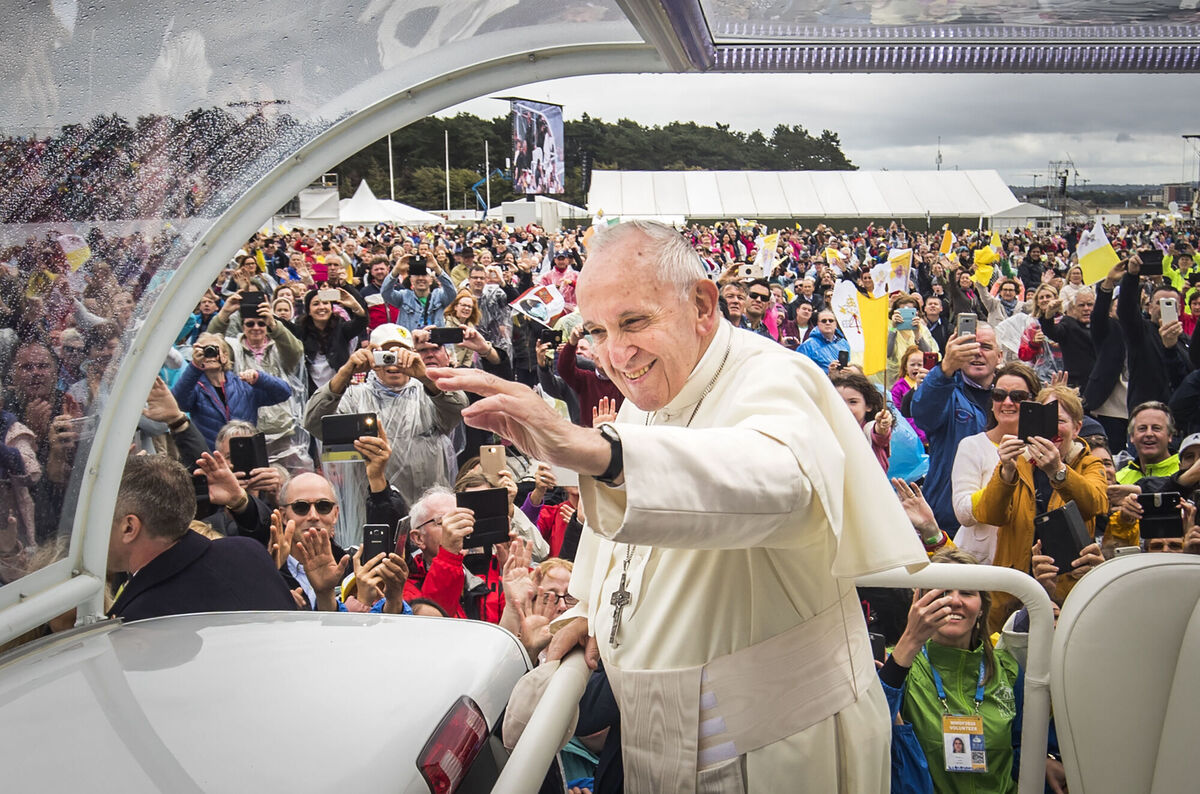
But I also said that “when millions of people the world over struggle to cope with the meaning of austerity in their own lives, here is a leader who embraces austerity for himself, who sets out, as far as one can see, to walk the walk”.
In many ways, it’s not fair to expect too much from one pope, one papacy.
The atmosphere he created around him, which suggested a commitment to tolerance and respect, was one step. Perhaps if he’d been younger and more in the whole of his health when he was elected, we’d have a right to be more demanding. Reform, I suppose, takes time.
But one unforgivable thing, one area in which the Church and its different entities continues to fail abysmally, is in the treatment of survivors of the abuse it meted out.
I know adults, some of them now elderly, who were deeply scarred by what religious men and women (to use the Pope’s phrase) did to them. Scarred for life. That scarring will never be healed by hypocrisy. Religious orders that issued carefully-crafted apologies, written by PR companies, while reserving their right to viciously cross-examine survivors in any setting, are part of the Pope’s legacy too.
Do you remember the phrase from the Ryan report about the Christian Brothers, and the way they viewed every survivor with “scepticism and suspicion”? Christian Brothers who were identified as serial abusers who left terrible damage behind still couldn’t be named, because the order went to court to prevent it. Reputation mattered more than justice.
What happens now?
The Church, for what it’s worth, still matters to a lot of people around the world. And it is a world that is becoming increasingly less tolerant and inclusive.
Pope Francis’s attitudes to immigrants and emigration are not shared by the president and vice-president of the United States. Aside from the demonising of immigrants, they are seeking to capitalise by turning back the clock on gay rights, on women’s rights, and on issues of race and colour.
The growing authoritarianism now visible in the States and elsewhere is, we sort-of know, something that horrified Pope Francis. He couldn’t, in the end, stand up to it.
Will his successor be able to? Will his successor want to? If you’re old enough, you’ll remember that Pope Pius XII was (at best) timid in his attitude to Hitler and the Nazis, and that Pope John Paul II (whatever else about him) was extremely forthright in relation to the emergence of democracy in the former Soviet Union. Popes can make choices in moments like this. Those choices determine how they are remembered.
Although born a Catholic, I haven’t had faith for all my adult life, and I despise the Catholic Church as an organisation. That doesn’t stop me from admiring many of its people, but it does mean I’m on the outside looking in.
In one sense, who rules the Church is none of my business. I’ll be fascinated, of course, by the arcane process that will now unfold, leading ultimately to the locked doors of the Sistine Chapel and eventually that moment of white smoke.
As an outsider, I reckon the only thing possible to predict is that the more episodes of black smoke we see, the more certain we can be that there is a battle going on for the soul of the Church.
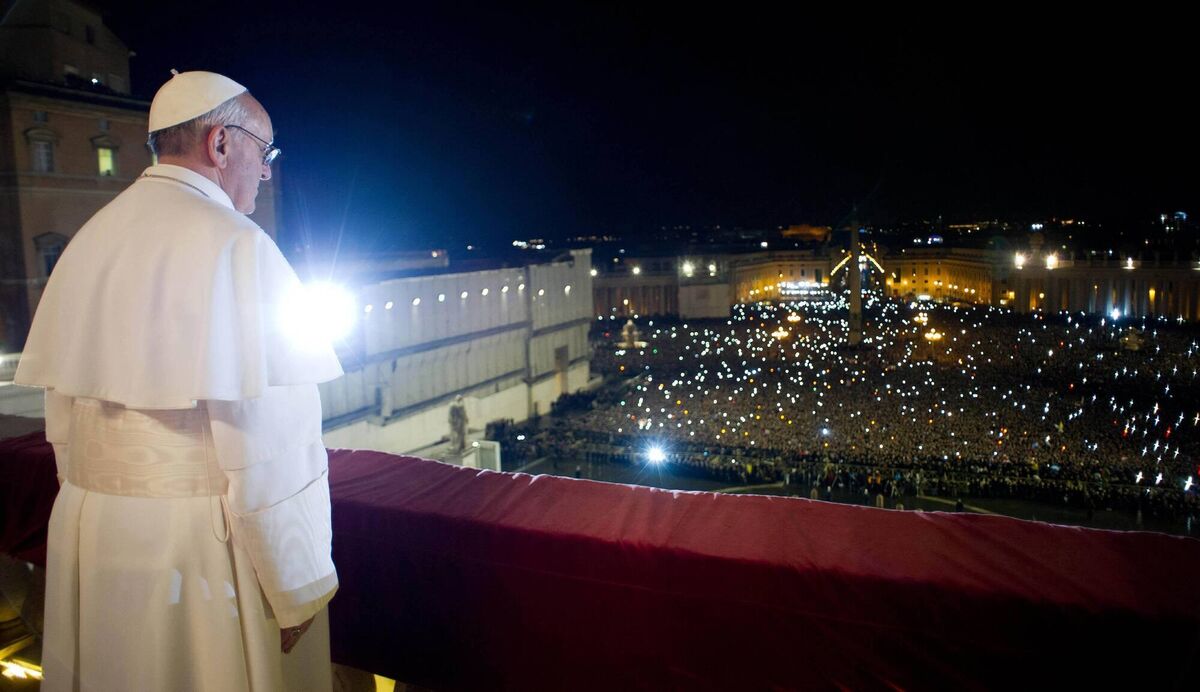
There will surely be cardinals who want to fight to build on the tentatively progressive start Francis made. There will be cardinals who want to turn the clock back to harsher certainties of John Paul II and Benedict XVI.
As someone who is fascinated with politics, there’s a side of me that would love to be in that room to watch that battle unfold. But I’m also someone who is deeply worried about the anti-democratic trends that are all too visible in the world.
That side of me really wants to see a new pope whose core mission will be to finish the job Francis tried to start.
Read More
CONNECT WITH US TODAY



Be the first to know the latest news and updates