Fergus Finlay: The HSE needs to be broken up — not into regions, but into functions
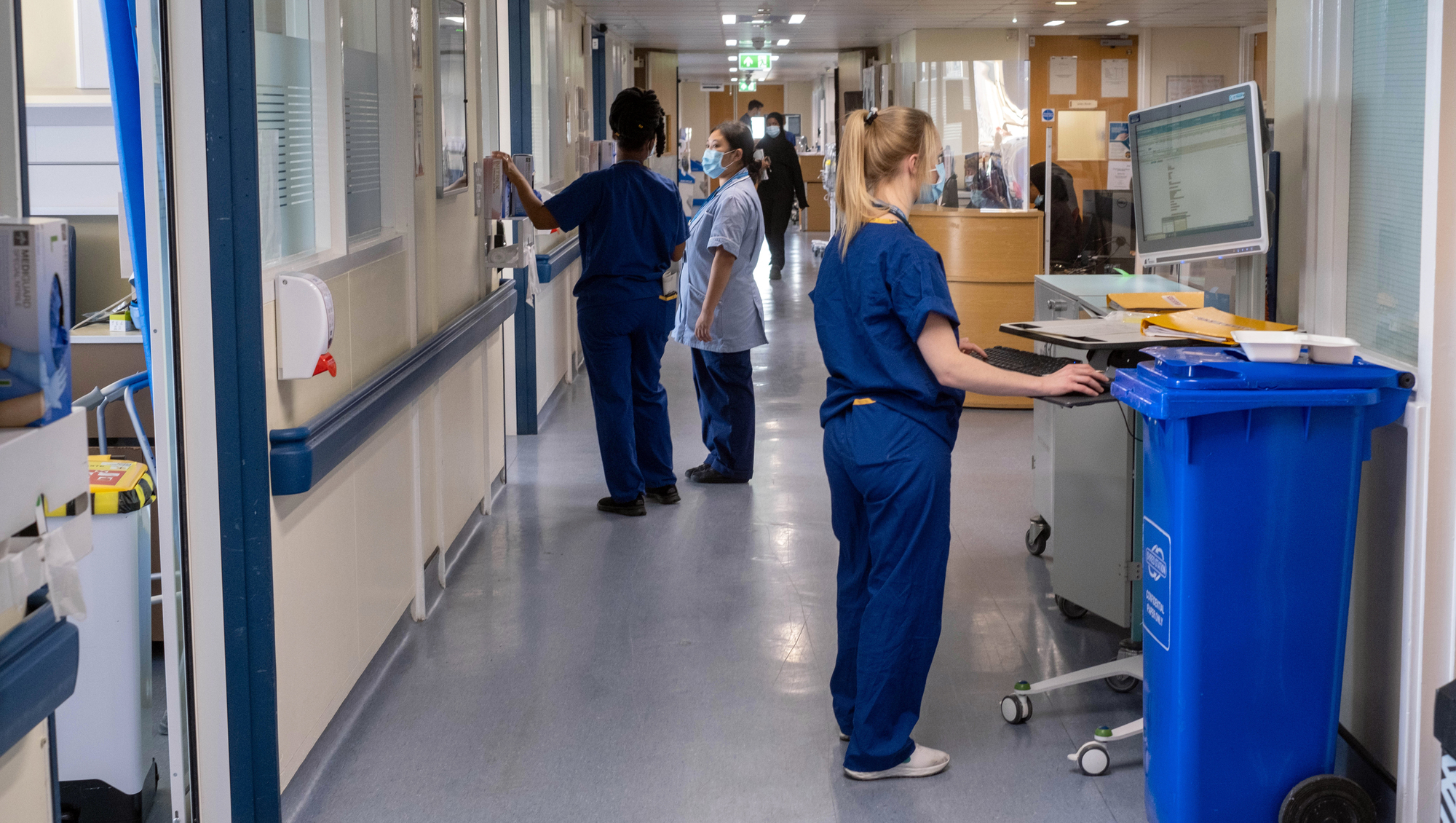
Only around 40% of the HSE’s enormous budget is spent on hospitals

Another week, another tragedy. Another family plunged into irreparable grief and the inevitable long fight for accountability and justice. Another terrible blow to reputation. Another week in the life of the HSE.
I’ve just finished a five-year term on the board of the HSE. I was angry not to be re-appointed, because I believed, perhaps delusionally, that there were significant changes to which I could contribute with a bit more time.
I’m over that now, and I’ve had a bit of time to reflect. I could probably write a book, but for now, I just want to say two things.
First, the people who run the HSE are good people. Second, the HSE doesn’t work, can’t work, and will never work.
Let me say something about the people first. I can’t claim I know everyone, and neither can I put my hand on my heart and say everyone is up to the job they have. But the senior management of the HSE, in my direct experience, works around the clock to try to get it right.
You all know the CEO, Bernard Gloster, and he is a top-notch public servant. There are others whose names you’d be less familiar with — Damien McCallion, Patrick Lynch, Stephen Mulvany, Colm Henry, Mark Brennock, and many more I could name — and they are all hard-working, able, and utterly committed public servants too.
I would trust them to run any private sector company I could think of. I’ve watched them and worked alongside them in crisis after crisis, several times working right through Christmas periods to keep emergency departments going at their busiest times.
If the people are so good, why is the whole thing such a mess?
I could give you 40 reasons.
I’m going to give you two, one big one and one small one.
The big reason is it’s too big. The HSE should never have been set up the way it was. It now employs, directly or indirectly, nearly 150,000 people. Across multiple activities, delivering multiple services, and dealing with multiple crises every day. All its priorities in conflict with each other.
If you watch the news or read the newspapers, you’d think all of those people work in hospitals. But actually, fewer than half of them do. Around 40% of the HSE’s enormous budget is spent on hospitals. The rest goes on primary care, disability services, services for older people, mental health services, and a tiny bit on health and wellbeing services.
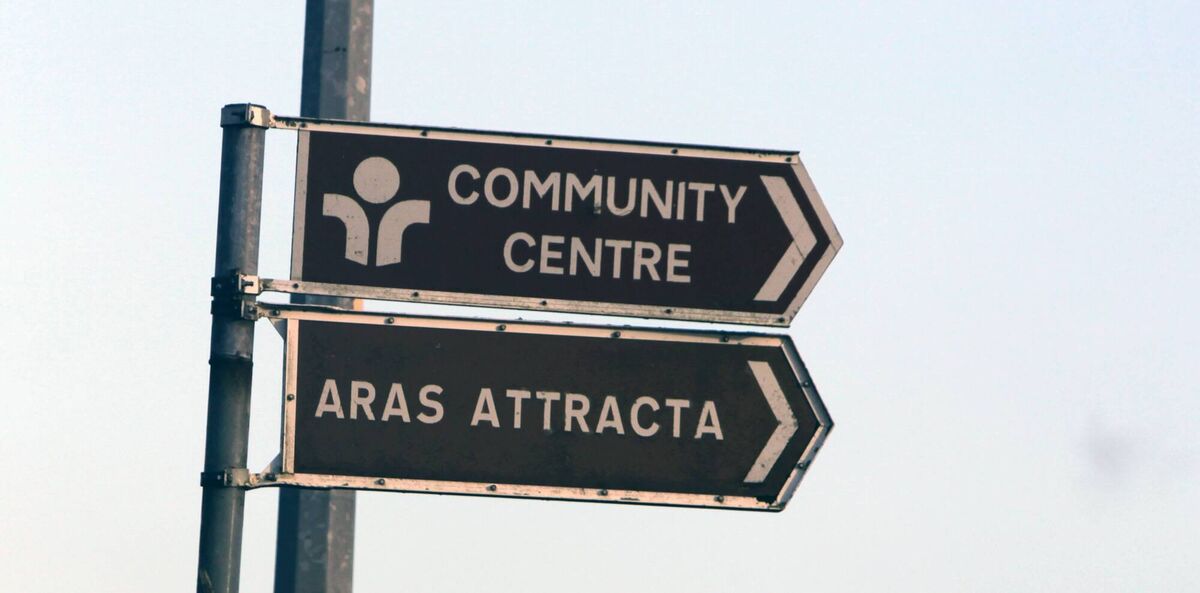
These services are scattered all over the country, and most of the time, no one really knows what’s going on in them. It takes a scandal to highlight stuff. Some years ago, before my time on the board, a story broke about the abuse of people living in a place called Áras Attracta, and the issue landed almost immediately on the desk of the HSE’s then chief.
Before he could do anything about it, he had to confess he’d never heard of the place. The name meant nothing to him, he didn’t know where it was, he didn’t know what it was supposed to do.
That’s a consequence of size and remoteness and it’s a symptom of the massive unwieldy nature of the HSE. To the best of my knowledge, years later enquiries are still going on there.
The bigger problem in my direct experience is this: I mentioned about 40% of the budget goes on hospitals, where most of the ‘day-to-day’ crises occur. But 90% or more of the intellectual (and emotional) capacity of the senior management of the HSE is devoted to hospitals. There are hidden crises developing in relation to disability, older people and mental health — but they never get the attention they need until there is a scandal.
Attempts have been made and are being made to address that through the development of regional structures — the Sláintecare model, as it’s called. They will become bureaucracies within a bureaucracy, with regional managers becoming just as overwhelmed as national managers are. The managers of the system spend all their time dealing with fires, and none of their time making the system as fireproof as possible.
I said I’d give you a small reason too.
It’s just as big a scandal, although it only involves a tiny group of vulnerable people, all of them with profound disabilities. It’s a pretty good illustration of “how we do things” — and by we, I mean the entire State.
A terribly bad decision was made by people in the HSE to place several young people with disabilities in a foster home, and to leave them there for years, despite mounting evidence of abuse. Terrible damage was done to these young people. One of them became known as Grace, after years being referred to as SU1 (Service User 1).
Eventually a commission of enquiry was established to find out who had made the decisions and why. Everyone involved was a public servant, there were paper trails everywhere. So it shouldn’t have been difficult.
That was in 2017, seven years ago. It has gone on ever since, and has never managed to make a single substantial finding of fact. Some of the families involved have felt broken by the adversarial process they have been put through.
I understand a final report has now been submitted to the Department of Health, but it hasn’t been published. According to one recent newspaper report, “the focus [of the commission] is now on the finalising of costs payable to witnesses who appeared before it".
The legal costs alone will run to many millions of euro.
That commission started its work in May 2017. A month after that, in London, the Grenfell fire happened, the worst fire in Britain since the Second World War. A two-phase inquiry into that appalling tragedy, set up in the UK about a month after the Grace commission was established here, has now published its devastating report. Here, we have yet to see anything from a statutory enquiry into the abuse of a small number of children. And heaven only knows when we will.
That’s how we do things here.
And when things go wrong, we light on a different solution every time.
Right now, the buzz word being imposed on the HSE is productivity. Next year it will be something different.
It’s never seemed to occur to anyone that the right thing to do is to enable leaders to lead and managers to manage, and to hold them accountable if they can’t or won’t do it. The other thing we have to do is to make the system itself manageable. Hospital managers should manage hospitals, community managers should manage community services.
The HSE needs to be broken up, not into regions, but into functions. One agency to run Ireland’s 50 or so hospitals, one to provide services in the community, including primary care and services for older people, and one to provide mental health, disability, and wellbeing services.
Sixteen years ago, and several times since, I wrote here that we can never get the health and social services we need by creating a giant amorphous bureaucracy and making it responsible for all sorts of conflicting priorities.
We’ve got to start again, right from the beginning.
CONNECT WITH US TODAY



Be the first to know the latest news and updates