Mick Clifford: The whistleblowers who paid a heavy price for doing what they believed was right
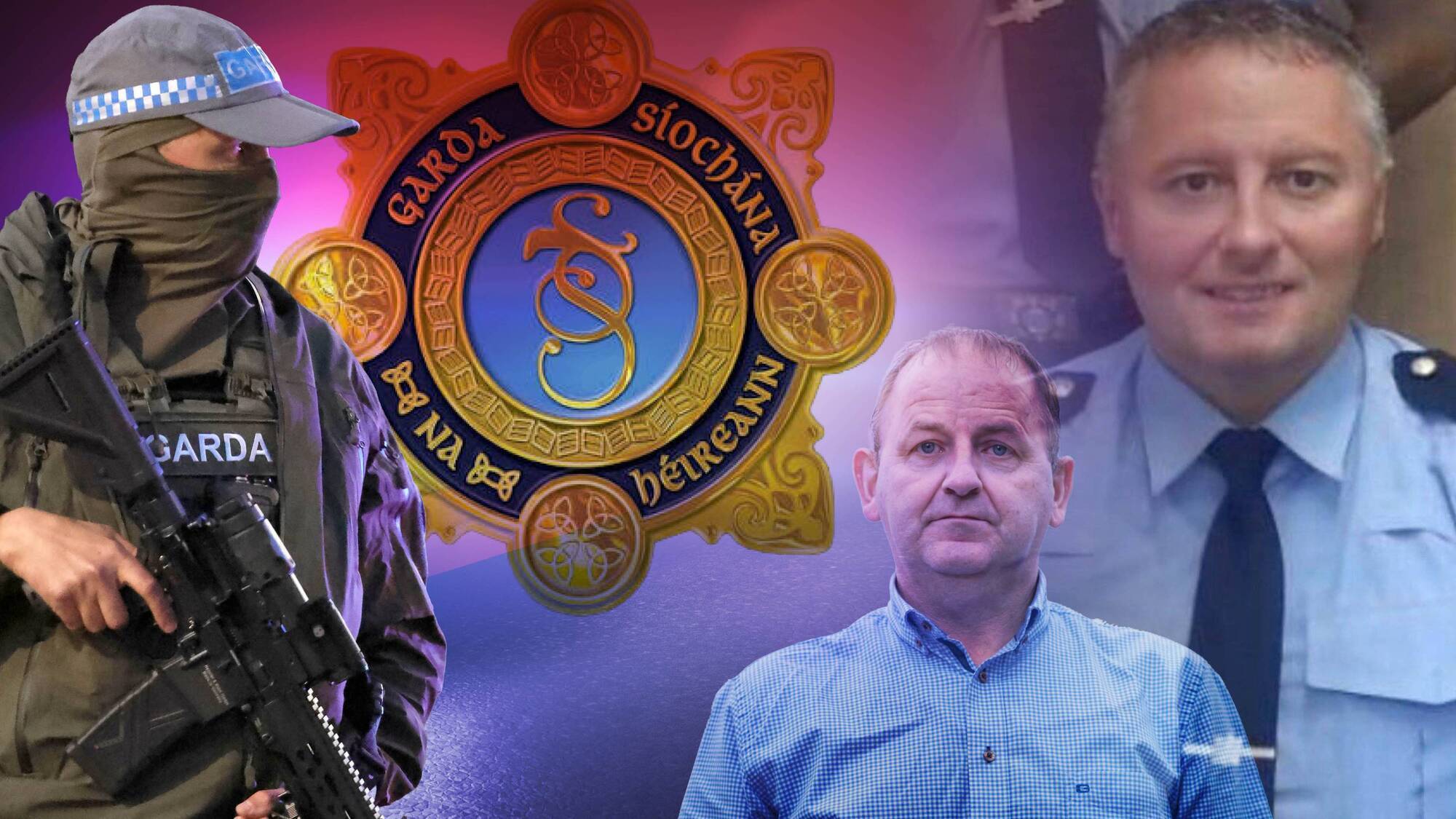
Former garda sergeant Maurice McCabe was subjected to 'a campaign of calumny' directed by then commissioner Martin Callinan, according to Disclosures Tribunal report.
There was an unusual figure in the public gallery every day at the court martial of Captain Alan Kearney.
This individual was a member of An Garda Síochána. He had no reason to be there. The hearing was an internal matter in the Defence Forces involving allegations about storage of ammunition. Yet, during the court martial in July 2024, this garda was present and reportedly highly attentive.
Kearney wasn’t surprised. As far as he was concerned, the nightmare he was put through, both personally and professionally, for over two years was directly attributable to his connection to a Garda whistleblower. The individual was a former colleague of Kearney’s who went on to join An Garda Síochána. When he found major irregularities in the Garda armoury, he contacted Kearney for advice.
That precipitated what had all the appearance of a witch hunt against the highly decorated army officer.
His plight has been detailed in this newspaper. On Tuesday this week he was referenced in the Seanad by Michael McDowell.
“The home of his (the whistleblower) former commanding officer in the Defence Forces was searched under the Offences Against the State Act,” McDowell told the House.
“That officer, who has an exemplary record, and who had been selected for appointment as Captain of the Guard in Leinster House had his Garda security clearance withdrawn and was denied his due promotion in the Defence Forces until the intervention of a Defence Forces Ombudsman.”
Read More
In the end, no evidence was produced against Kearney. The Defence Forces Ombudsman, Alan Mahon, attempted to have Kearney’s promotion reinstated on the basis that he had been victim of an injustice. Ultimately, Kearney felt he had no choice but to resign, his career in ruins.
The Defence Forces was robbed of a highly efficient officer but it remains a mystery why he was pursued as he was. There has been no investigation about what he was subjected to, and, crucially, the reasons why.
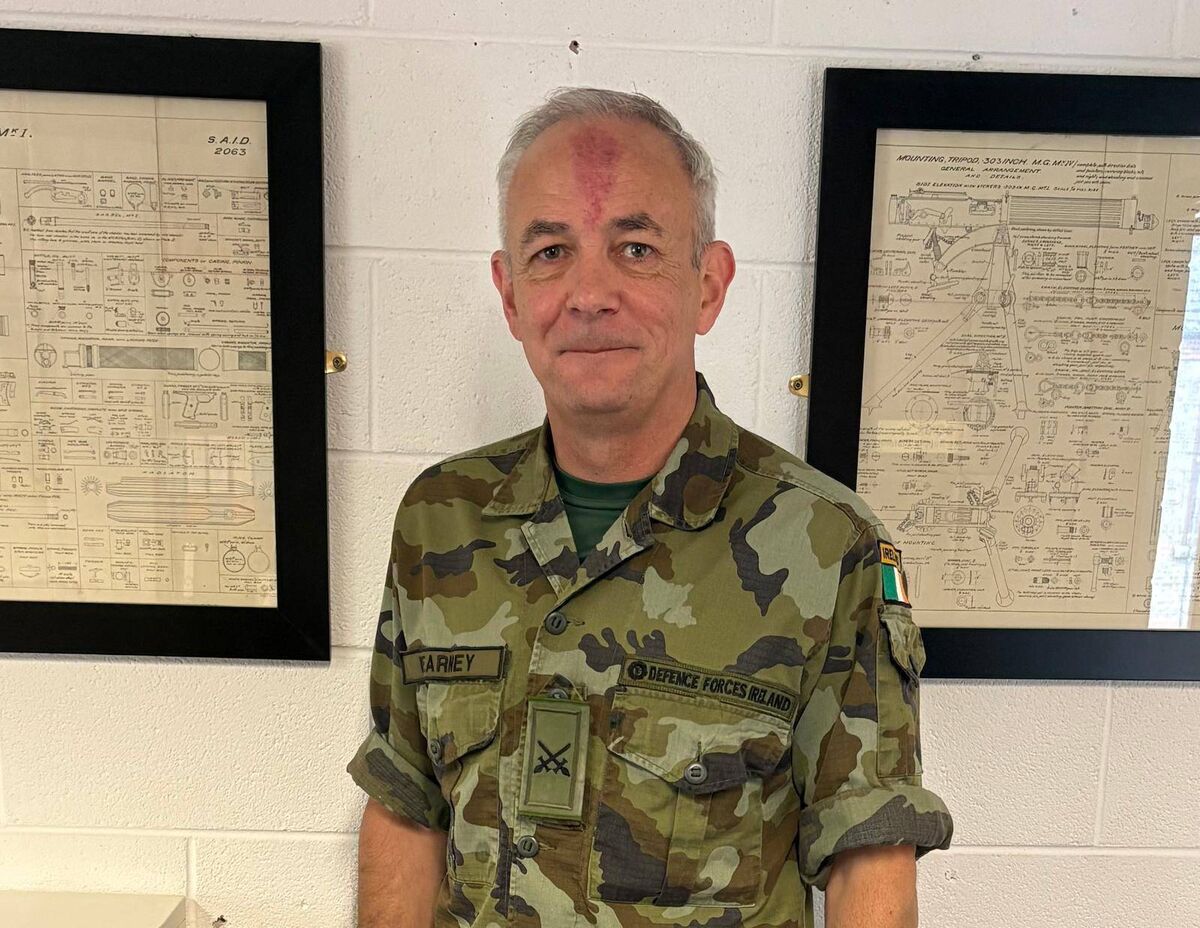
Commandant Alan Kearney, as he was when he resigned, may well represent the most egregious example of a career attacked and destroyed once he become entangled, however innocently, in a Garda culture that can’t fathom paying attention to whistleblowers.
Others might vie for that position. Detective Superintendent Brian O’Reilly was highly regarded across An Garda Síochána. This newspaper has documented his plight, from high-flying career to scorned whistleblower.
He was the head, and acting chief superintendent, of the Garda National Technical Bureau, a major component in fighting serious crime. He pointed out malpractice where he saw it because to ignore it would have been a dereliction of duty. He is now out on sick leave, no longer in receipt of his salary.
Dr Donal Corcoran is another career cop who has felt the chilling effect of blowing a whistle. His last active job was as manager of the protected disclosure office in the force, an alleged safe harbour for officers who made disclosures.
He couldn’t turn away from the reality that the disclosures which he received in good faith were being ignored by Garda management. So he made a disclosure himself about the lack of interest, and even obstruction, in investigating disclosures. His plight, the stress he was placed under, forced him out on sick leave and effective rendered him a pariah with management.
The whistleblower who went to his former army boss Alan Kearney for advice is now before the criminal courts. As a result, details of his experience in the force can’t be fully explored as his case is sub judice.
Anybody arriving from space and observing the plight of the men outlined above would inevitably come to the conclusion that if you call out wrongdoing in the police, or are associated with it in any way, your life is going to be turned upside down.
The saga emerging in recent days about the issues around Garda whistleblowers reaches back as far as 2019.
The previous year, across the Liffey from Garda HQ, the Disclosures Tribunal was sitting in Dublin Castle. It investigated the plight of Maurice McCabe who had made disclosures on malpractice, including in criminal investigations, and abuse of the penalty points system.
According to the tribunal report, McCabe was subjected to “a campaign of calumny” directed by then commissioner Martin Callinan.
There was widespread shock at what happened to a dedicated sergeant. This prompted a determination, allegedly, in political and policing circles that a new regime would sweep away the nefarious culture that existed when it came to calling out wrongdoing.
While all that hand-wringing was under way, disclosures were being made about the storage of weapons and ammunition in the Garda armoury in the Phoenix Park, by the former army whistleblower. This was investigated by a senior officer known for his professionalism.
The officer did his job, confirmed many of the allegations being made. He also set alarm bells ringing when, in the course of his investigation, he discovered a stray cache of weapons secreted in an attic space in the stores. This raised serious concerns about health and safety.
Faulty ammunition was discovered stored in an orange container. Not just that, but some of the ammunition was by that stage out in the field, being used by gardaí in specialist units, unbeknown to the units’ members.
The firearms store was a dangerous mess. Somebody in management concluded that a major clean-up was required. Ray Lane, a retired army man considered the foremost expert in the area of ammunitions, was approached. His appointment was then vetoed by Garda commissioner Drew Harris. This mess would be cleaned up internally, kept from any outside eyes.
In 2021, the report on the investigation into the 2019 disclosures was discussed at a high-level meeting. The report noted an opinion from an arms broker about the effect of the faulty ammunition.
“The mutated primer which when fired was generating excessive pressure which could damage the receiver of the firearm rendering the firearm useless or plausibly causing injury to the user,” it stated.
No decision was taken at the time to issue an immediate recall of the faulty ammunition. This was reflected in a later internal report which noted that “the return of the ammunition, if it got into the public domain, could have an adverse effect on the reputation of An Garda Síochána in that faulty ammunition was in circulation, which could also undermine the confidence of members who carry firearms.”
That passage encapsulates a key element to Garda culture when it comes to wrongdoing. Rather than examine it properly and take learnings, hide it away before controversy or scandal comes calling.
Another feature of the 2019 disclosure was problems around one brand of holsters issued to armed gardaí. The leather used in the holster was too malleable and, according to one firearms expert in An Garda Síochána who reported on it, “there is potential for an unintended discharge”.
That appears to have been what happened to an officer on duty outside the Isreali embassy in June 2020. His weapon discharged and he was shot in the foot. The holster was taken away for examination.
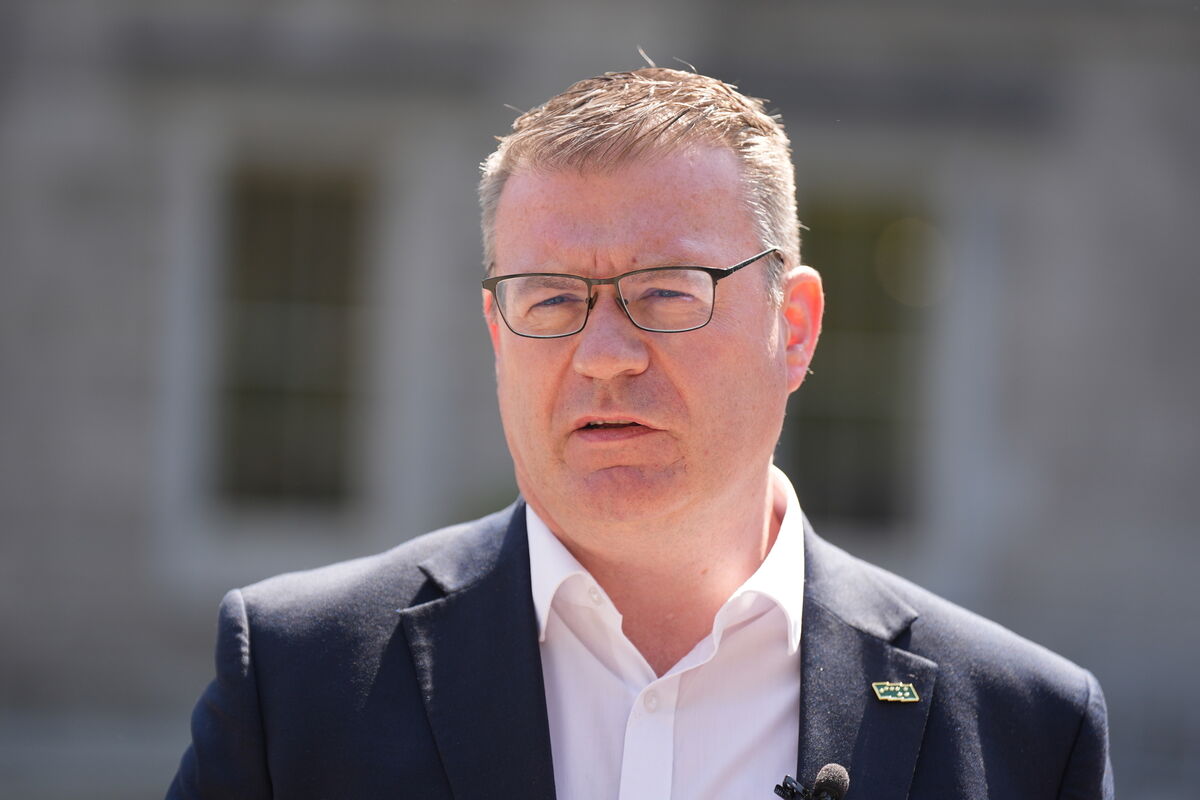
Last March in the Dáil, Labour party TD Alan Kelly, who has followed the whole saga closely, related what happened next.
“It was discovered by forensic experts attached to the Garda National Technical Bureau that the leather pistol holster issued to the member was so dangerously defective, the holster could actually engage the trigger and fire the weapon of its own accord,” Kelly told the House.
Ten days after the embassy discharge, Detective Garda Colm Horkan was wearing the holster when his weapon was grabbed from him and he was shot dead by Stephen Silver in Castlerea, Co Roscommon.
This time the technical bureau was not detailed to examine the holster, despite being the competent authority. Instead, two individuals who had experience but not expertise in firearms were asked to do the job. They returned the verdict that there was a few issues with the holster but it wasn’t “dangerous”. It might well be asked why these officers, rather than the bureau that ordinarily would do this work, were drafted in for a sensitive job.
Brian O’Reilly made disclosures around this issue and others that he had observed and had attempted to have addressed. He met brick walls. In 2023, under enormous pressure, he went out on sick leave. You can canvass opinion far and wide in the force and nearly anybody who came across him speaks of his professionalism and integrity.
The holsters were eventually withdrawn in 2023, four years after the problems were highlighted. The faulty ammunition was finally sent for destruction in 2025, six years after that problem was brought to the attention of management. The destruction happened in the days before Garda management were due before the Oireachtas justice committee, where Alan Kelly had already been asked detained questions.
Why were such dangerous, and possibly life threatening, problems allowed to fester and reside on the long finger? Was the priority keeping things under wraps or acting with professionalism and competency?
There is a thread running through the whole saga. It’s as if Maurice McCabe hadn’t happened. When wrongdoing is called out, the problem is buried. And the person calling it out is also metaphorically buried. This happens irrespective of the kind of exemplary record and service accruing to many of those now entangled because they wanted to do the right thing.
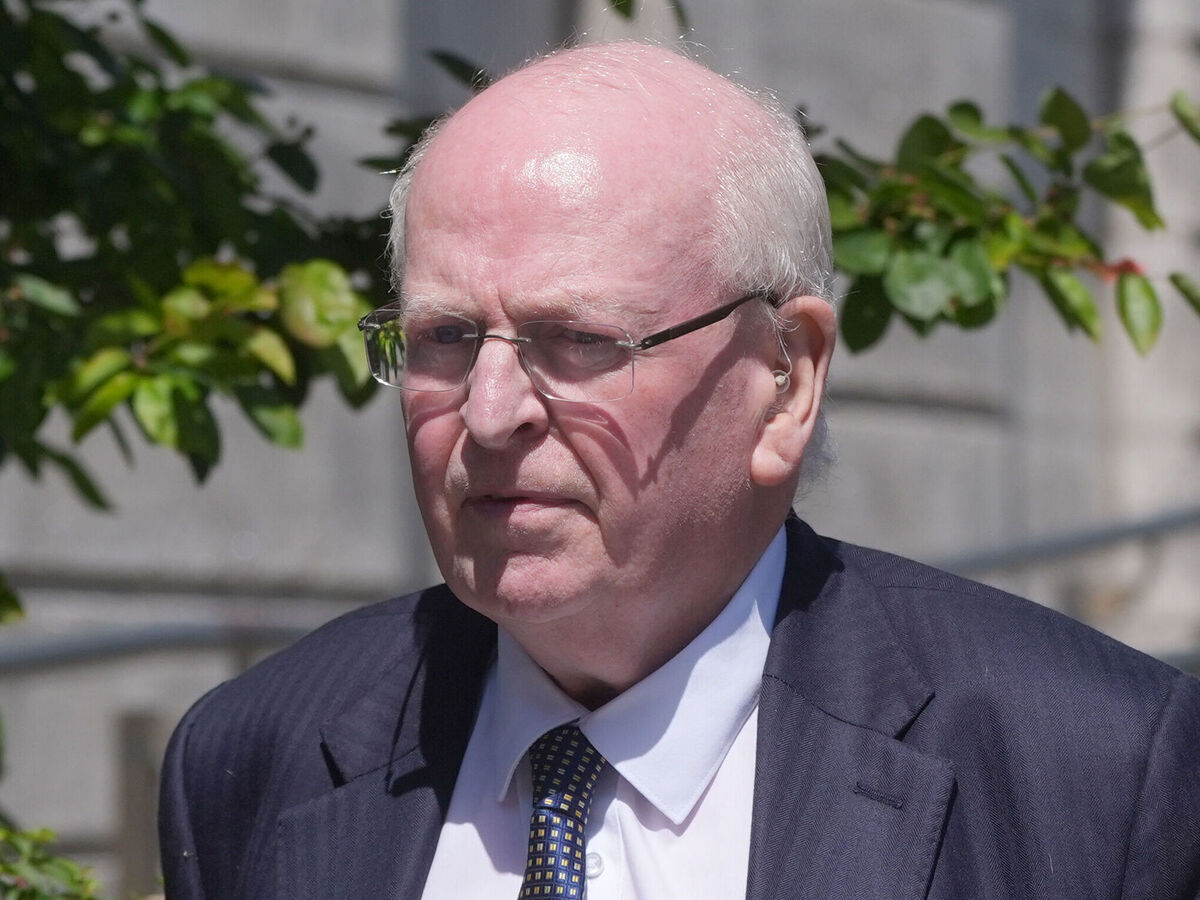
Politically, little has changed. For the last year and more, Alan Kelly and Michael McDowell have been highlighting what has been going on in the Dáil and Seanad, respectively. They were largely ignored by the Government. Nothing was done to examine whether their concerns had validity. The approach appears to have been keep the head down in case it might get chopped off in a controversy.
There is one postscript that tells its own tale. Last June Brian O’Reilly was in the High Court attempting to have his salary reinstated.
O’Reilly’s counsel alleged to the court that at a previous hearing, a photograph had been taken of two individuals who were accompanying O’Reilly. One of these was Donal Corcoran, present to support a whistleblower because of his knowledge of how unsupportive the force was of doing so.
This photo was put up on a garda Whatsapp group, the lawyer alleged, that included Superintendent Liam White who is referenced in one of Detective superintendent O’Reilly’s disclosures. The photo was accompanied by a posting saying: “I recognise the face but I don’t know the name,” inferring the poster wanted assistance in identifying the person in the photo.
An allegation that somebody took a photo in court and subsequently attempted to identify supporters of Brian O’Reilly on a garda Whatsapp group, appears to have simply disappeared. Surely in a functioning police force the commissioner would immediately have ordered an inquiry, have it done quickly and get back to the judge with an explanation.
That didn’t happen. Was the failure to address such a serious allegation because the subject of what could be classed as covert surveillance were associates of a garda whistleblower? Or is it a manifestation of base contempt for the criminal justice system by the law enforcement agency?
Neither option is reassuring. More than that, everything that is tumbling out suggests that if anything things have got worse since the plight of Maurice McCabe rocked the police and political systems.
CONNECT WITH US TODAY



Be the first to know the latest news and updates