Taoiseach says abolishing 'Triple Lock' is essential to retain peacekeeping tradition
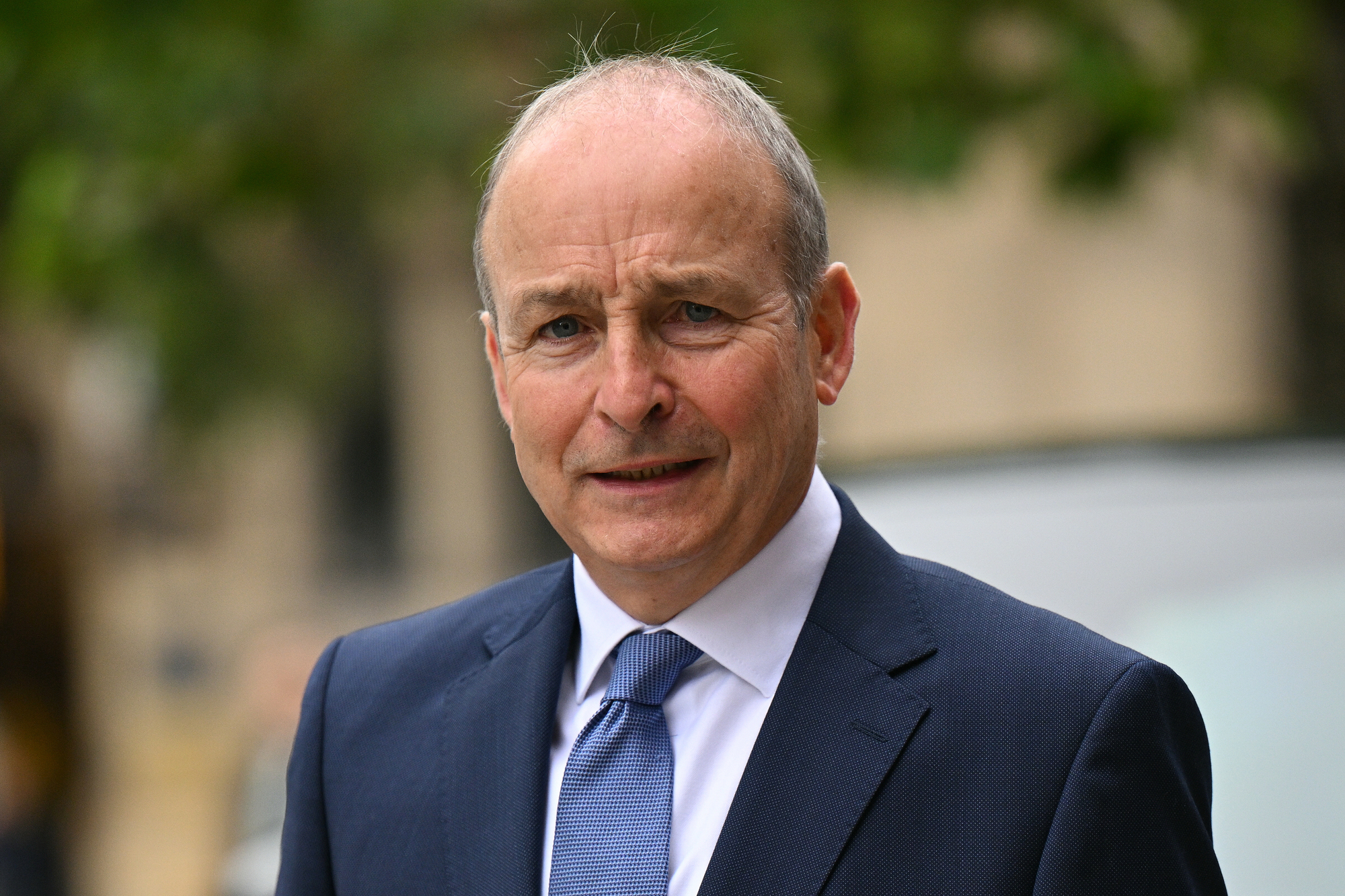
Micheál Martin has said his party opposes joining military alliances, but he added that "we should be willing to change" in order to protect our values

Abolishing the triple lock is “absolutely essential” as otherwise “we may very soon see the end of our 60 years of peacekeeping," the Taoiseach has insisted.
Micheál Martin has said his party opposes joining military alliances, but he added that "we should be willing to change" in order to protect our values, warning that there is "no virtue in standing aside as those things you value are threatened".
"I for one will not accept that our wonderful tradition of peacekeeping could be lost because one powerful aggressor is blockading the UN Security Council," Mr Martin said.
Read More
The Government is pressing ahead with controversial legislation that would drop the requirement to get UN Security Council approval before sending peacekeeping troops abroad, changing the current triple lock system into a “double lock”.
Under the proposals, approval would only be needed from Cabinet and the Dáil, but any deployment would have to be consistent with the principles of the UN Charter and international law.
Speaking at the Éamon de Valera Commemoration, in Ennis, Co Clare, the Fianna Fáil leader said: "We cannot allow our ability to contribute to peacekeeping forces to be lost. The reform of the triple lock, which will continue to root our decisions in the values of the United Nations charter, is absolutely essential or we may very soon see the end of our sixty years of peacekeeping."
He added that in the face of those who want to ignore international law, Ireland must work closely with those who share a belief in cooperation and common interests.
"In the face of wars of aggression and genocidal actions, we must always stand with those who seek to live in peace."
Turning to Northern Ireland, Mr Martin suggested that Mr de Valera never closed off debate on a united Ireland and called for similar "practical patriotism" which does the hard work of engaging with others.
"Today, just as has been the case for the past 100 years, we have a lot of people who seem to think that you can overcome partition by talking about it or by seeking a victory over the other side.
"Calling on other people to do the work is an awful lot easier than showing how you are willing and able to engage, to change, and to act. Pretending that there are no tough choices or sacrifices required is the fastest way to get nowhere," he warned.
He said that those who want to see a united Ireland must "respect the goodwill of those who disagree" as "talking to ourselves and demanding uniformity behind one strategy might make some people feel better, but it will not achieve anything substantive."
CONNECT WITH US TODAY



Be the first to know the latest news and updates