Mobile X-ray service provides rapid diagnostics for elderly and supports UHL emergency services
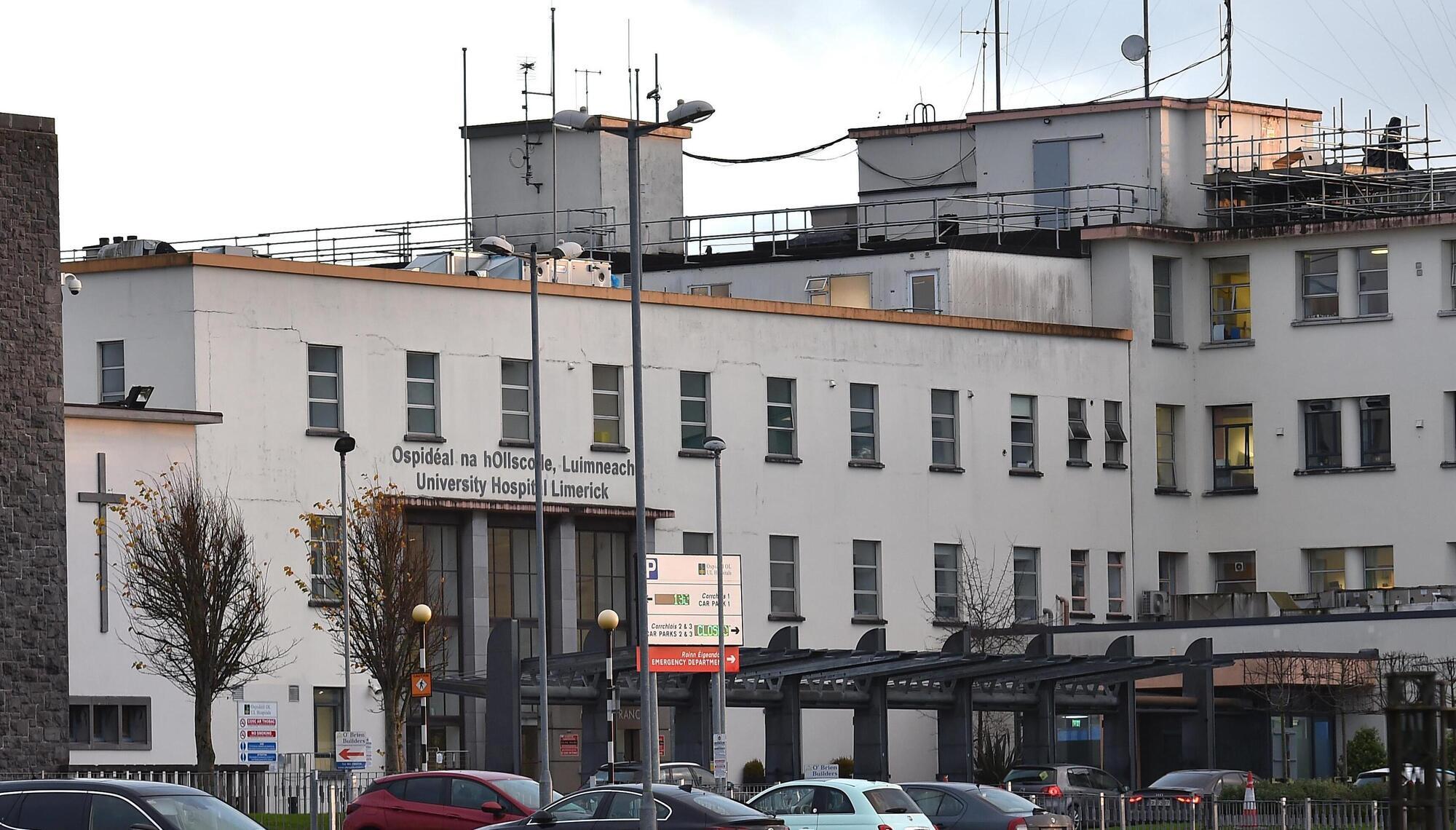
In its first year, the service made 1,527 patient visits to private nursing homes and community nursing units across the region. Picture: Dan Linehan.
A community mobile X-ray service has provided thousands of rapid diagnostics for elderly people in the Mid-West in its first year.
The service made 1,527 patient visits to private nursing homes and community nursing units across the region, including community-based disability and mental health services, as well as visits to elderly patients who live at home with family carers.
Delivered nationwide by private healthcare providers Mobile Medical Diagnostics Ltd, the free community mobile X-ray service provided 2,020 X-rays between April 2025 and March 2026, avoiding up to 1,457 hospital presentations and a potential total of 2,914 ambulance trips.
The majority of the service’s activity in the Mid-West was in Co Clare and Co Limerick, with 1,193 x-rays completed.
The average age of the patients visited was 84 years old.
Part of the broader Enhanced Community Care (ECC) initiative, the service was expanded by the HSE last year in a bid to reduce the need for older people to visit hospital and the number of ambulance trips.
With the GP-referral ‘same-day’ service, all types of X-rays are provided, including chest, hip/pelvis, knee, wrist and shoulder.
In urgent cases, a radiographer will arrive on-site and conduct the x-ray in the service-user’s own room, and share a report with the referring doctor within four hours. Referrals are triaged with the nursing home and GP to ensure timely diagnosis and treatment.
Head of Service at HSE Mid-West Older Persons Services, Patricia O’Gorman, said the initiative has made healthcare accessible for elderly people in the region.
“The importance of bringing diagnostics to the people cannot be over-estimated for elderly residents and others who are frail, less mobile and less able to attend hospital. The mobile service is really beneficial when a doctor perhaps requires only an X-ray to support a diagnosis, because it means people can stay in their communities and avoid attending hospital or perhaps a prolonged wait in ED.
“The figures underline the importance of delivering key healthcare services safely where people are at, and are also helpful in supporting the quality and efficiency of urgent and emergency care services within UHL,” she said.
CONNECT WITH US TODAY



Be the first to know the latest news and updates