Mr Kissane vs the Irish banks: Our homegrown version of the British Post Office scandal
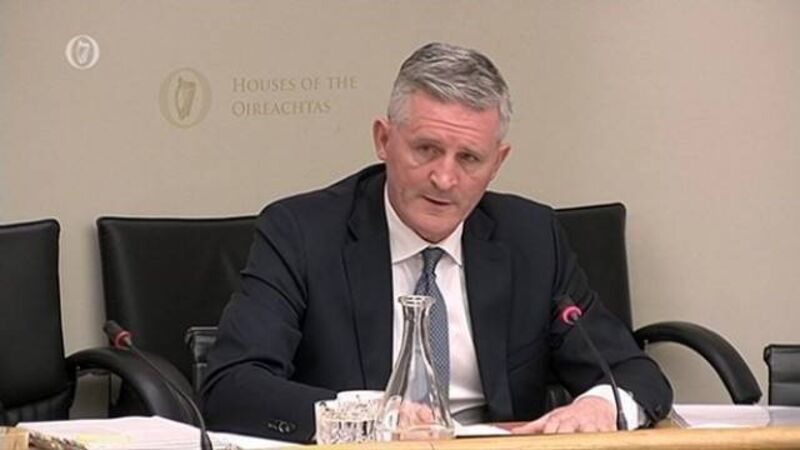
Padraic Kissane of Padraic Kissane Financial Services giving evidence at an Oireachtas committee hearing in Leinster House.
Harrowing tales of lives lost, homes and livelihoods ruined, and years of ordinary people fighting great financial institutions of power - it was a scandal too far for the public to bear.
Those reading may be familiar with the British post office scandal that has electrified the UK in recent weeks, but closer to home, it has eerie reminders of the nearly €1.5bn tracker mortgage debacle that cost lives and livelihoods across Ireland in the past decade.
On New Year's Day, ITV and Virgin TV in Ireland began broadcasting a four-part series called about the injustice suffered by hundreds of sub-postmasters across the UK who were convicted of fraud and false accounting following accusations that they used their village and community outlets to steal thousands of pounds.
With British national treasure Toby Jones in the title role as Alan Bates, who insisted from day one that the Post Office was wrong to accuse innocent postmasters in the face of evidence that its accounting software was faulty, the producers of the television series hoped it would resonate with viewers.
Even the writers have been pleasantly shocked by the ferocity of the outcry from the public to scenes showing innocent postmasters being wrongly jailed, going bankrupt trying to defend their reputations in the community, and even dying by suicide.
The outrage at a 20-year period where the Post Office not only refused to countenance that its systems were faulty, but covered up the shortcomings of its Fujitsu-designed Horizon software in order to avoid paying compensation, doubling down on prosecuting hundreds of innocent people, has become the domestic political issue of 2024 so far in Britain.
UK prime minister Rishi Sunak told the House of Commons last week that legislation is afoot to exonerate hundreds of postmasters en masse, and that compensation will be sped up. The beginning of the end may finally be in sight for those maligned and shunned in their communities through no fault of their own.
It has taken 20 years of fighting for Alan Bates and the Justice For Subpostmasters Alliance for the issue to become front and centre of the political cycle, with fewer than 100 of their postmaster colleagues so far having their wrongful convictions overturned out of more than 900 prosecutions.
The parallels around Ireland's tracker mortgage scandal are glaring.
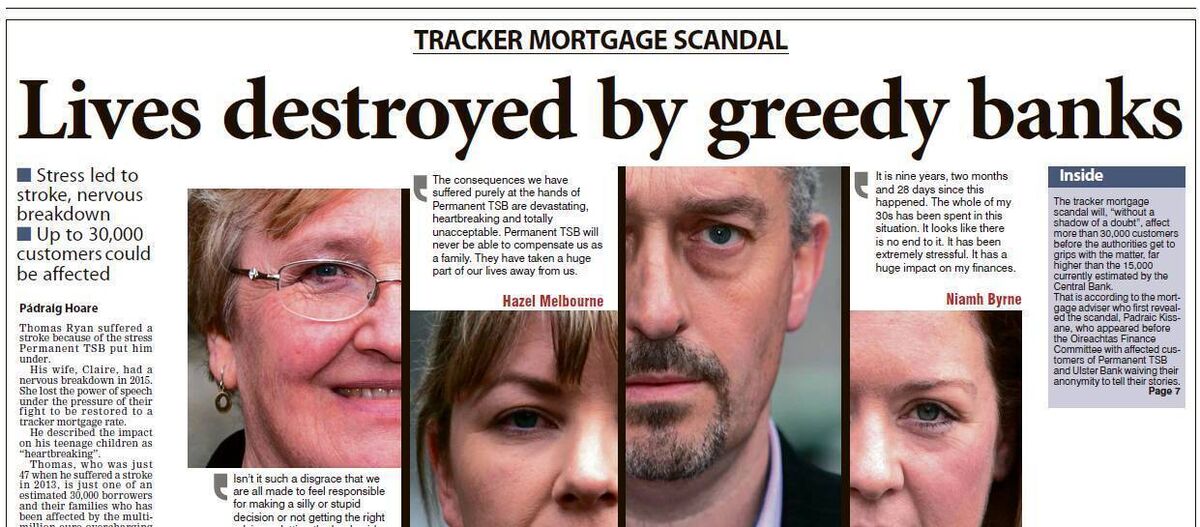
The €1bn-plus tracker mortgage scandal happened when around 40,000 customers were wrongly put on more expensive loans by a number of pillar banks in Ireland.
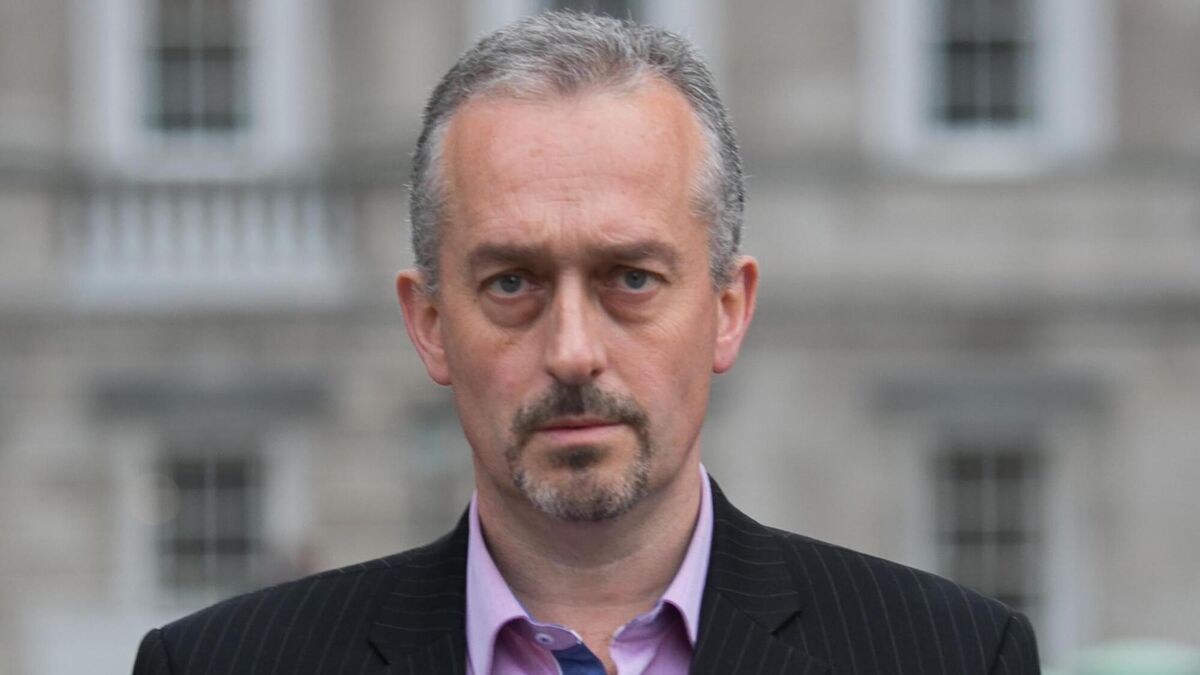
Like Alan Bates of the British postmasters, Kerry native and Dublin-based financial adviser Padraic Kissane was dismissed as a kook, a loudmouth, and needless rabble-rouser, as one of the whistleblowers of the tracker mortgage scandal. He was excoriated in off-record briefings by those close to banking institutions when he began to insist publicly that they were wrongly charging customers, back in 2009.
Like Alan Bates, Padraic Kissane would not only be vindicated after years of dogged pursuit of the truth, but invited to be a member of the Irish Banking Culture Board formed in the wake of tracker scandal.
Like Alan Bates, Padraic Kissane spent thousands of euro of his own money to pursue the truth, losing out on tens of thousands of euro of potentially lucrative clients for his financial services firm, such was his preoccupation with the unveiling the tracker mortgage scandal and getting justice for the victims of financial wrongdoing by respected banks.
Despite Mr Kissane and others repeatedly sounding the alarm that many customers were being charged thousands of euro more than what they owed, some losing homes and dying by suicide in the ensuing debacle, it was only in 2015 when the Central Bank announced it would carry out an industry-wide review of tracker mortgage accounts.
Watching the ITV and Virgin TV series on the UK Post Office was like watching the tracker scandal unfold at times, Mr Kissane told the Irish Examiner, with familiar delaying tactics, obfuscation, barriers, and painfully slow progress by powerful financial institutions to take stock of their own faults.
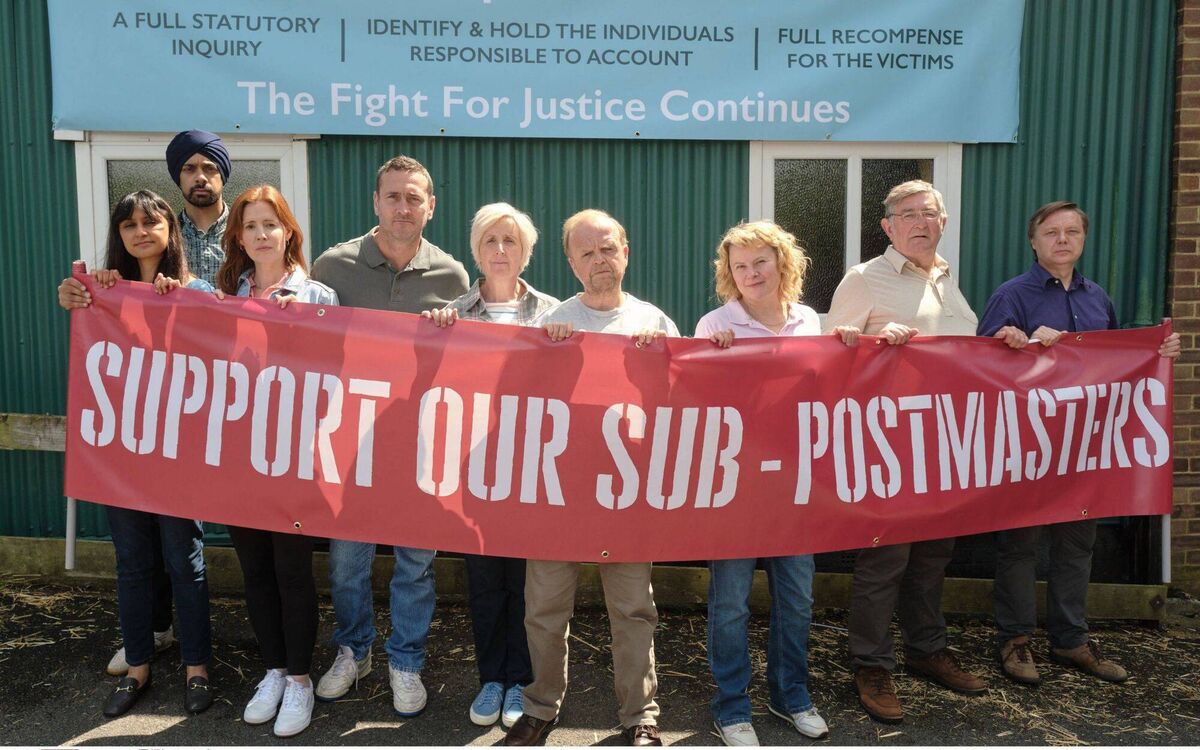
In the drama, Alan Bates organises a small community meeting in middle England, hoping the odd postmaster affected might show up, to gauge how many were affected by the scandal. The community hall car park is soon full and Mr Bates realises these are not isolated cases.
For Mr Kissane, it was hearing tracker cases from a few clients in 2006 that led him to put out a small ad in the paper asking if others might be affected. More than 350 contacted his office in the immediate aftermath and Mr Kissane realised they were not isolated cases, but rather the victims of systemic failure by the banks.
"It was shocking stuff. Up until then they thought they were alone and that they must be crazy. I remember being in my office at 4am some mornings surrounded by stacks of paper, it was like a small Amazon forest, poring over documents, going over 200-page data access requests, to try and find even one line within to help our case. I remember walking over the tops of the desks here in the office, hovering as reams of documents of paper were laid out on the ground, hoping to find pieces of the jigsaw.
"There was so much that you even begin to question yourself if you are right. It was a dark place at times, you felt you were all on your own taking on the might of the banks.
"The reluctance of the banks to help my investigation was striking, I had to do it all from the outside looking in.
"Some of the harrowing stories of people losing their homes and contemplating ending their lives will stay with me forever, and it was these people that motivated me to keep going until we got justice. This wasn't a financial scandal as much as it was a scandal about ruining people's lives."
A tide was turned in October 2017 when four borrowers told their story to politicians in the Oireachtas Finance Committee, including Thomas Ryan, who along with his wife Claire, finally and successfully faced down their bank in the courts.
Mr Ryan, aged in his late 40s and from Wexford, was a Permanent TSB customer who challenged its refusal to give him the tracker rate. He said the banks should be forced into making amends.
He suffered a stroke in 2013 and his wife Claire had a nervous breakdown in 2015 and lost the power of speech under the pressure of their fight to be restored to a tracker mortgage rate.
"They have destroyed lives all over this country. There are people no longer with us over this...it is appalling and an absolute disgrace. There's no other words for it," Mr Ryan said.
At the end of May 2019, more than 40,000 customers had been identified as caught up in the tracker scandal, forcing banks to cough up close to €1.5bn in redress and compensation to those affected.
AIB, Bank of Ireland, Permanent TSB, Ulster Bank, KBC, and others were excoriated in the press, social media, and the houses of the Oireachtas, much like the UK Post Office.
The wheels of justice had finally turned, years too late for many, but it left an indelible mark on the nation's psyche in the aftermath, much like the British post office scandal.
CONNECT WITH US TODAY



Be the first to know the latest news and updates