Bernard O'Shea: The Dad Bod Diaries — I went to Venice to find myself. I found pastries
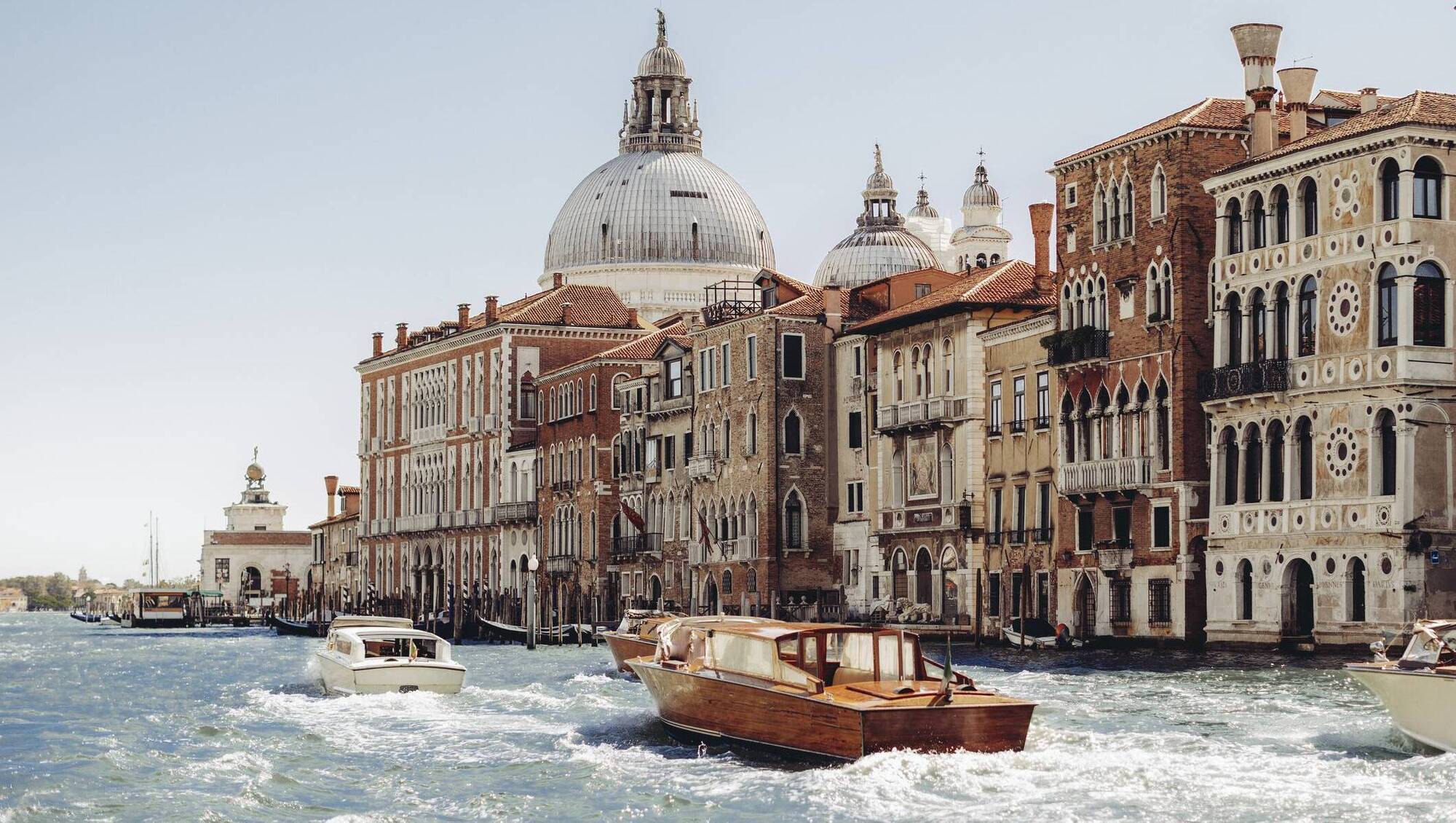
'I sat down in a small café in Venice last week, convinced I was about to experience the Italy of films. Tiny coffees. Elegant old men. Women in sunglasses somehow making smoking look sophisticated.'

Before I went on holiday, I had a plan. A proper plan. I was going to be disciplined abroad for once.
No ‘sure, holidays don’t count’ mentality. No treating every meal like I’d just escaped prison. I’d have light breakfasts, sensible dinners, maybe walk everywhere, and accidentally return home spiritually renewed and two pounds lighter. I even packed work-out gear with the optimism of a man who has never once used a hotel gym.
Italian food creates a very specific type of self-delusion. You convince yourself that because the ingredients are fresh and everyone here seems slim, calories somehow become less binding under Mediterranean law. Olive oil becomes wellness. Gelato becomes emotional education. A second espresso and pastry is no longer gluttony — it’s your new life.
I sat down in a small cafe in Venice last week, convinced I was about to experience the Italy of films. Tiny coffees. Elegant old men. Women in sunglasses somehow making smoking look sophisticated. Children pursuing pigeons across sunlit squares while accordion music floated gently through the air.
To be fair, a lot of that was actually there. Italy is one of the few places left in Europe that still feels gloriously alive in public. Families don’t disappear indoors after work. Grandparents, parents and children all seem to exist together in the same space.
Teenagers gather in squares (albeit hormonally agitating and loud). Old men argue passionately over football. Toddlers are welcomed everywhere rather than treated like tiny drunk adults who might ruin everyone’s evening.
The Italians adore children. Do not tolerate them. Adore them. You see it constantly. Babies were passed around restaurants like celebrity guests. Those teenagers still hug their mothers in public without embarrassment. Whole families eating together at ten o’clock at night, while Irish parents abroad are sweating through a logistical military operation involving chips, screens, and threats.
And then, halfway through this idyllic European scene, a fully grown man at the next table practically had a nervous breakdown because his coffee wasn’t exactly what he ordered. Not mildly annoyed. Properly distressed. Hands waving. Loud sighing. Looking around for public support. A performance.
He reacted as though the waiter had reversed over his Vespa. The young woman serving me — probably only in her early 20s — rolled her eyes and quietly explained the Italian word ‘bamboccione’. It roughly translates as ‘big baby’. An adult child. Someone overly dependent on comfort, attention, and emotional indulgence.
As she explained it, I nodded wisely like a man observing a fascinating foreign culture. Then I looked down at the pastry I was eating with my second coffee before noon and realised I might be my own version of a bamboccione. Not with my mother. With food. Because if I’m honest, a lot of my eating has very little to do with hunger and a lot to do with comfort. Reward. Soothing. Escape.
I know exactly how calories work. I know what I should eat. I’ve read enough articles about protein to qualify as a minor agricultural consultant. Yet somehow, after a stressful day, I still find myself behaving like a tired six-year-old emotionally negotiating for a treat. ‘Go on. You deserve it.’
Maybe adulthood is really just learning how to tolerate discomfort without immediately rewarding yourself afterwards. That sounds grim written down, but there may be truth in it.
Watching that man unravel over coffee made me think about the strange, modern version of adulthood many of us now inhabit. We can book flights online, operate complicated technology, and discuss Scandinavian crime dramas in detail, yet many of us still struggle with basic emotional self-regulation. Some people do it through shopping. Some through scrolling. Some (me) through food. Some expect the world to constantly adjust itself around their moods. Maybe we all have one small corner of life where we’re still 12 years old.
But there was something encouraging about it all. The Italians may over-indulge their children at times, but they also remain emotionally open in a way many colder cultures have lost.
Families stay connected. Life stays social. People still gather. Nobody seems in a rush to become emotionally detached efficiency machines.
Somewhere between the calm Venetian grandfather drinking espresso peacefully and the man theatrically collapsing over milk foam lies the rest of us — trying to figure out what being a grown-up actually means. And if I’m honest, I’m still working on it myself.
CONNECT WITH US TODAY



Be the first to know the latest news and updates