Joanna Fortune: My 8-year-old is afraid of the dark, how can I reassure her?
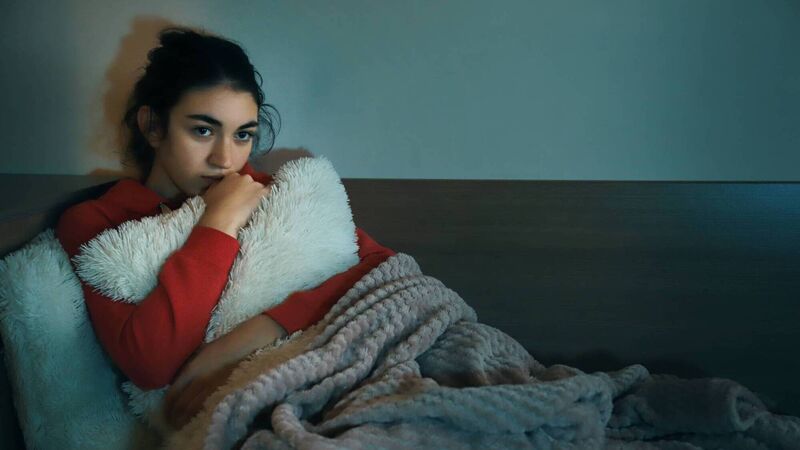
Dr Joanna Fortune: Avoid making her fear of the dark a big issue that needs to be dealt with every night, as this could cause you to become anxious as you anticipate her reaction. What your daughter needs most is a calm response

Fear of the dark is one of the most common childhood fears with as many as half of all children experiencing some degree of it. An active imagination is a great strength during the day, but it can work against children at night as they can easily conjure up all kinds of scenarios in their worried brains.
I suggest you start by acknowledging your daughter's fear. Do this in a way that allows her to understand better what is happening. For example, 'I know you feel scared in the dark. The clever thinking part of your brain knows that you are safe, that I am close by and that nothing bad can happen. But the feeling part of your brain is creating all kinds of scenarios that aren’t real but feel very real to you. I understand what is happening and will help you with this.'
Next, I suggest you practice being with her in the dark. Sit on her bed and chat casually, sharing fun memories and stories together for a few minutes. The important thing is that you stay very calm because children don’t calm themselves — instead, they are soothed through your stillness.
Avoid making her fear of the dark a big issue that needs to be dealt with every night, as this could cause you to become anxious as you anticipate her reaction.
As you lie with her, take turns telling fun stories and model deep rhythmic belly breaths. Consider placing a small teddy on your tummy and onto hers and challenge each other to make the teddy rise up and down as slowly as possible using just your breath. This will help to make breath work more playful.
Children look to their parents for reassurance when they are worried or anxious and sometimes a fear of the dark is more about a fear of separation. Nighttime is a prolonged separation when the house is quiet, and every tiny creak or sound is amplified in a hyper-vigilant child's brain. Being left alone can be a scary experience after you have spent the entire day surrounded by others at school and home.
Using the steps above, she will know that you understand her fear, that you are not cross with her for being afraid and that she is not alone in her fear because you will be there to help her through it.
If her distress escalates or does not improve, you may want to seek professional support with a child psychologist or psychotherapist.
- If you have a question for child psychotherapist Dr Joanna Fortune, please send it to parenting@examiner.ie
CONNECT WITH US TODAY



Be the first to know the latest news and updates