Check yourself: 10 DIY ways to help you keep a close eye on your health
Ten simple ways to check yourself.
More than 40,000 adults aged over 50 in Ireland have atrial fibrillation, according to the Irish Heart Association, although many of them do not know it. An irregular heart rate carries a five-fold greater risk of a stroke so checking your heartbeat regularly is essential.
To test your pulse you need to remember 2x2x2 — use two fingers on your wrist, check your pulse twice a day for two weeks and take note of the results, says the IHA.
Repeat the test every few weeks and see your doctor if there are any notable changes in heart rhythm.
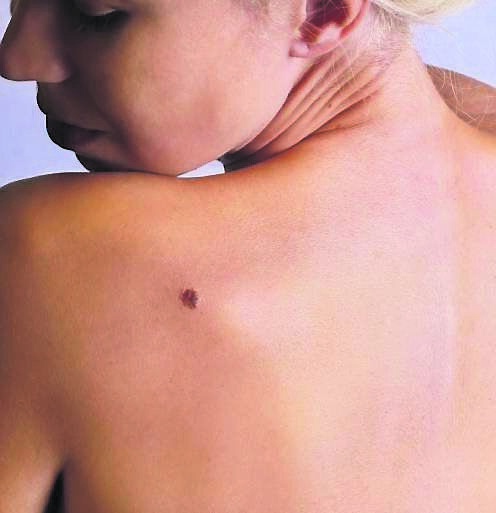
Skin cancer is common in Ireland with about 13,000 new cases diagnosed yearly. The National Cancer Registry of Ireland (NCRI) estimates this will double by 2040.
According to the Irish Cancer Society, we should be checking for lumps, bumps, and scaly patches as well as moles. About 70% of melanoma cases in adults are not associated with existing moles but form as new marks on the skin, so count how many moles you have now and assess for new ones.
Do a thorough check of your body (you may need to ask for help or use a mirror) once a month.
The colour of your urine can determine dehydration and even mild dehydration has been linked to reduced cognitive functioning [exa.mn/hydration].
Healthy urine should be pale and straw-like in colour. If it’s dark yellow, it is a sign you are dehydrated, although bear in mind that some vitamin and mineral supplements can make urine turn a different shade of yellow. Any blood in urine is a warning sign for something potentially more serious and you should see a doctor.
Check throughout the day for changes in urine colour although be aware that it can be darker first thing in the morning when you are least hydrated.
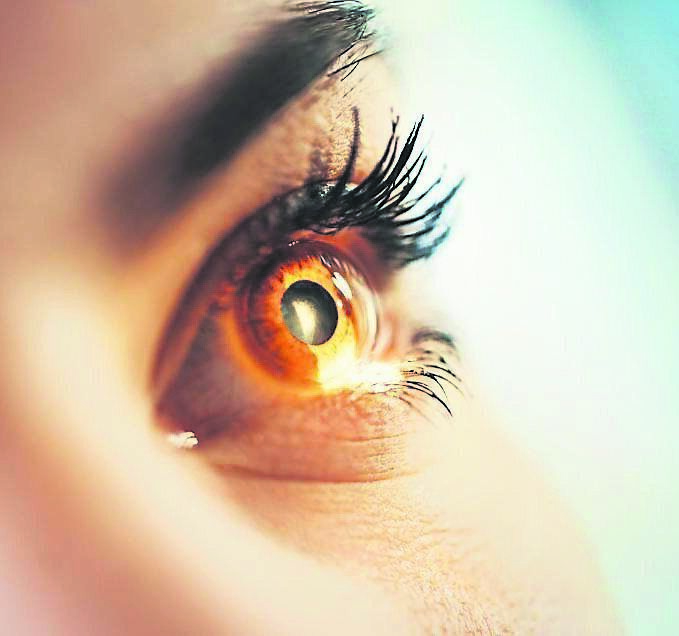
Changes in vision or the colour of your eyes can give an insight into health conditions ranging from heart disease to high blood pressure.
Broken larger blood vessels are usually harmless unless they persist for more than two weeks, which could be a sign of high blood pressure.
“It is recommended adults get their eyes tested and checked by a professional at least every two years to assess for changes and related health issues,” Edmonds says. “But if you have any concerns you should see an optometrist sooner.”

According to the HSE, most adults in Ireland have some degree of gum disease — it is the 11th most common disease in the world. A recent study from Boston University, published in , drew on 25 years of data and concluded it causes “a chronic inflammatory burden” that raises the risk of early death.
Two years ago, a study in showed people with a history of gum disease are at greater risk of developing illnesses, including mental ill-health and heart conditions and it has been linked to an increased risk of Alzheimer’s and diabetes.
Keep an eye on the colour and health of your gums. They should be pink and firm, not red, swollen and tender. Bleeding after brushing or flossing is an early sign of gum disease and should be checked by a dentist.
The Irish Dental Association says adults should visit a dentist for a thorough examination of their mouth, teeth and gums at least once a year, especially if they have problems. You should also clean your teeth and gums twice a day with fluoride toothpaste.
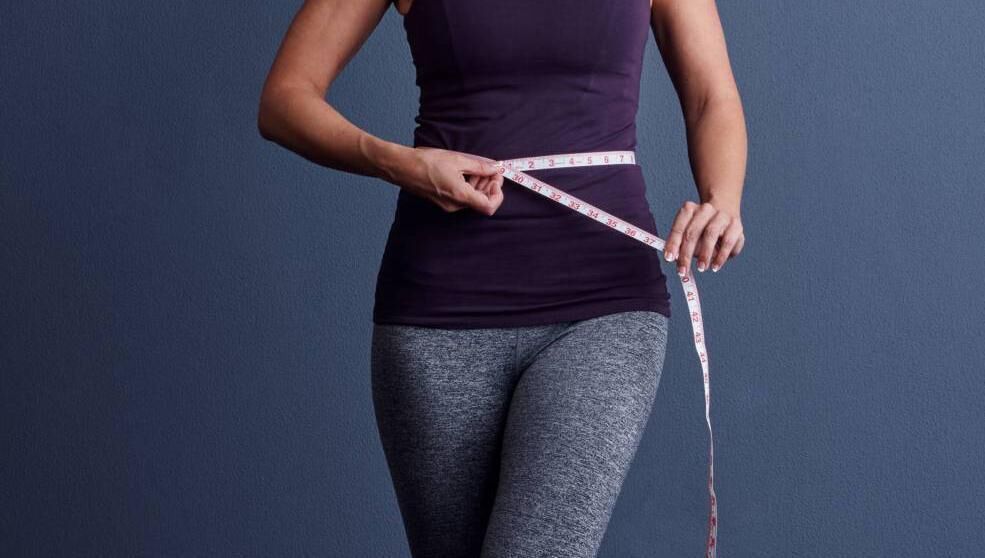
A wide waistline can be a sign of dangerous visceral fat collecting deep within the abdomen between your organs. The wider your waist, the greater the risk of type 2 diabetes, cardiovascular disease, some types of cancer and metabolic problems related to obesity. Prolonged bloating or stomach pain should always be checked out by a doctor.
Get a tape measure and wrap it around your middle at the widest point, the halfway point between the top of your hip bone and the bottom of your lowest rib roughly in line with your belly button.
The International Agency for Research on Cancer and the WHO suggest measuring your waist approximately once a month.
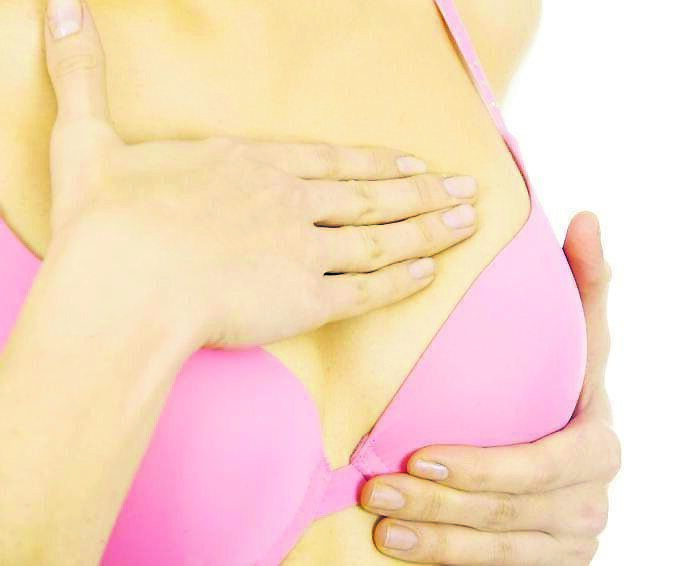
Around 3,400 women and 30 men in Ireland are diagnosed with breast cancer every year, according to the Irish Cancer Society. Catching breast lumps early greatly increases the chance of successful treatment if needed.
You are looking for any changes in the feel or appearance of your breast or surrounding tissue, including lumps or thickening in the breast or armpit, changes in size or shape of breast or nipples, any discharge or crusty skin and swellings in the armpit, says the Irish Cancer Society. You should use a mirror to check for changes in appearance and feel for breast changes in the bath or shower.
You should check your breasts once a month advises the HSE.
Testicular cancer is relatively rare, but it remains the most common form of cancer in men aged 15 to 34 in Ireland, with 160 men diagnosed each year, according to the Irish Cancer Society. If caught early it is curable and treatable.
Hold your scrotum and get to know the shape and weight of each testicle as they can be different — the best place to do this is in the shower. Examine each testicle by rolling it in your fingers to check for lumps and swellings. It is normal to feel a soft tube at the top and back of each testicle — this is the epididymis which collects sperm. If you are concerned about any changes, consult a GP.
Perform a self-examination every four to six weeks.
The Marie Keating Foundation says that around 2,560 people in Ireland develop bowel or colorectal cancer every year. The risk increases with age and it is usually diagnosed in people over 55, so screening is offered from age 60. But it also occurs in people under 50 so it pays to be vigilant regardless of age.
Changes in your poo, including red or black poo or blood are warning signs and should not be ignored. But keep an eye on any changes in normal bowel habits, too, such as diarrhoea or constipation for no apparent reason, lasting longer than six weeks. Unexplained weight loss and abdominal pain are also red flags.
Keep tabs on your poo regularly. People between 60 and 69 are invited to take a home bowel screening test every two years although you must be on the bowel screen register to be invited for your first between your 60th and 63rd birthday.
Balance diminishes quickly from the mid-50s, and the less stable we become the greater the risk of falls, fractures and health issues including stroke. According to research at Trinity College Dublin, approximately four in five older adults in Ireland experience falls.
Stand barefoot with your eyes open and raise one foot off the floor by bending it at the knee. Time how long you can maintain that position. A study in the found that the ability of those in middle age to stand on one leg for 10 seconds was associated with higher rates of survival years later. Others have shown that people in their 50s who can’t manage more than two seconds are three times as likely to die before 66 as those who can.
Practice the balance daily, building up until you can manage 20 seconds on each leg, then try it with your eyes closed. Aim for 60 seconds on each leg if you can.
CONNECT WITH US TODAY



Be the first to know the latest news and updates