Cillian Murphy: College friend Des Bishop, and teacher William Wall recall the early years
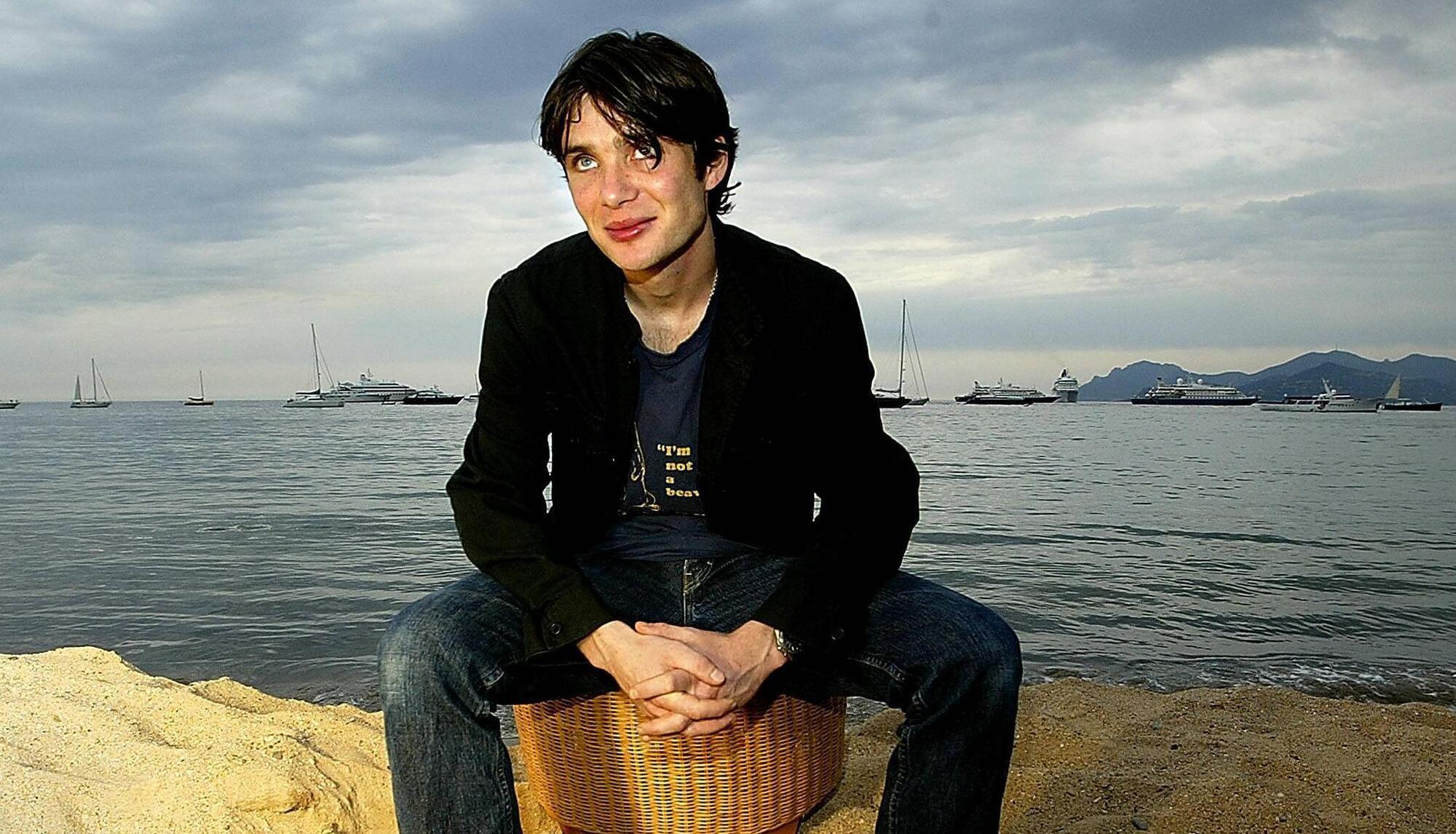
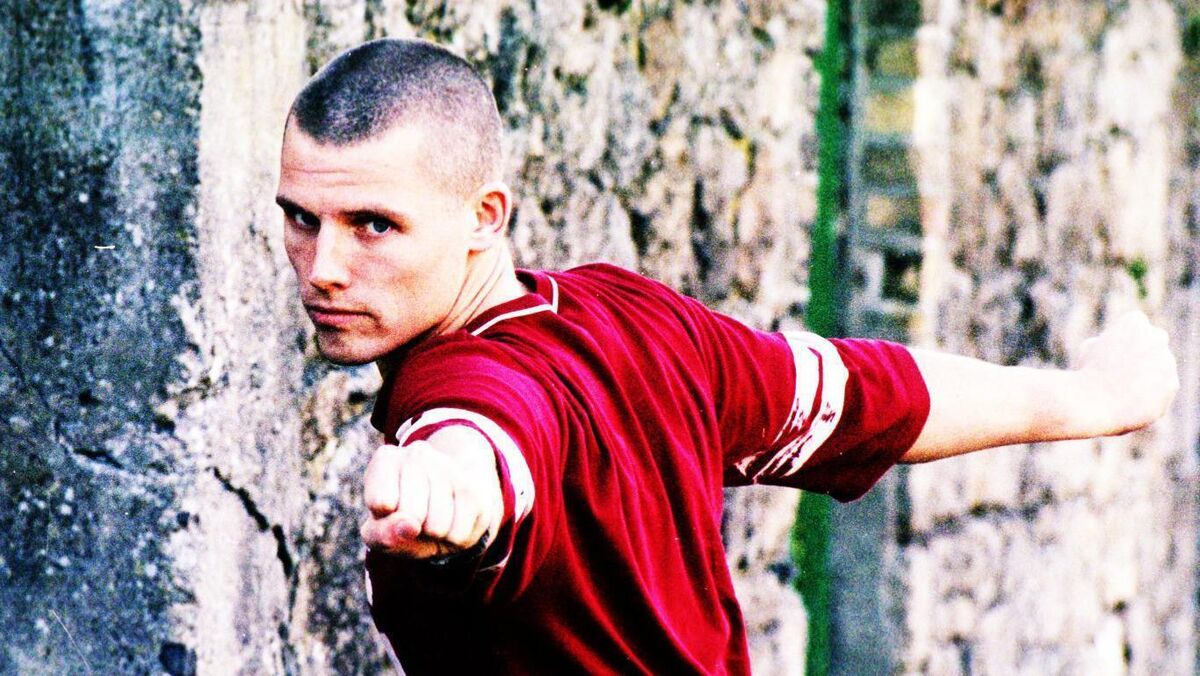
“I first met Cillian Murphy in autumn 1995. We were in first year in University College Cork. I was repeating the year. Cillian was studying law. We were both cast in a Dramat production of Frank McGuinness’s Observe the Sons of Ulster Marching Towards the Somme.
It had a grand collection of great guys: Cillian; Cathal Murray, a Late Date presenter on RTÉ Radio 1; Thomas Conway, who just got a big job at the Gate Theatre; and Ed Wilson – who became a successful actor called Edward MacLiam – was the play’s director. We all became close friends, friendships that last to today.
The play did well, as far as student drama goes. I’ll never forget one piece of cast gossip. A guy in it told somebody a prediction he had, and then somebody else leaked it: ‘The only person who's gonna make it as a professional actor in this cast is Cillian.’ Like, fuck you!
But that guy was right. He could see it better than I could. And of course the women knew too. At that time, I was more impressed with the success of Cillian’s band, Sons of Mr. Green Genes, than with his acting potential.
I had a flat in the Glen and I'd be listening to their music on cassette. They were great. I still have that album. It was acid jazz, kind of Jamiroquai-ish, but it was a unique sound. It wasn’t covers. They were all serious musicians. They had a song called ‘Didgeridon’t’. I saw the band live at Nancy Spain’s on Barrack Street. I never went to the famous Connolly’s of Leap shows, some of the crazier nights, because I was newly sober.
My overriding memory of Cillian is that very quickly, I had deep chats with him about life, art and music. I remember we would sit in Tribes coffee shop, a Cork institution on Tuckey St, chatting intensely. I was in my first year of sobriety and he was open to talking about that. Most guys at that age wouldn't want to hear it.
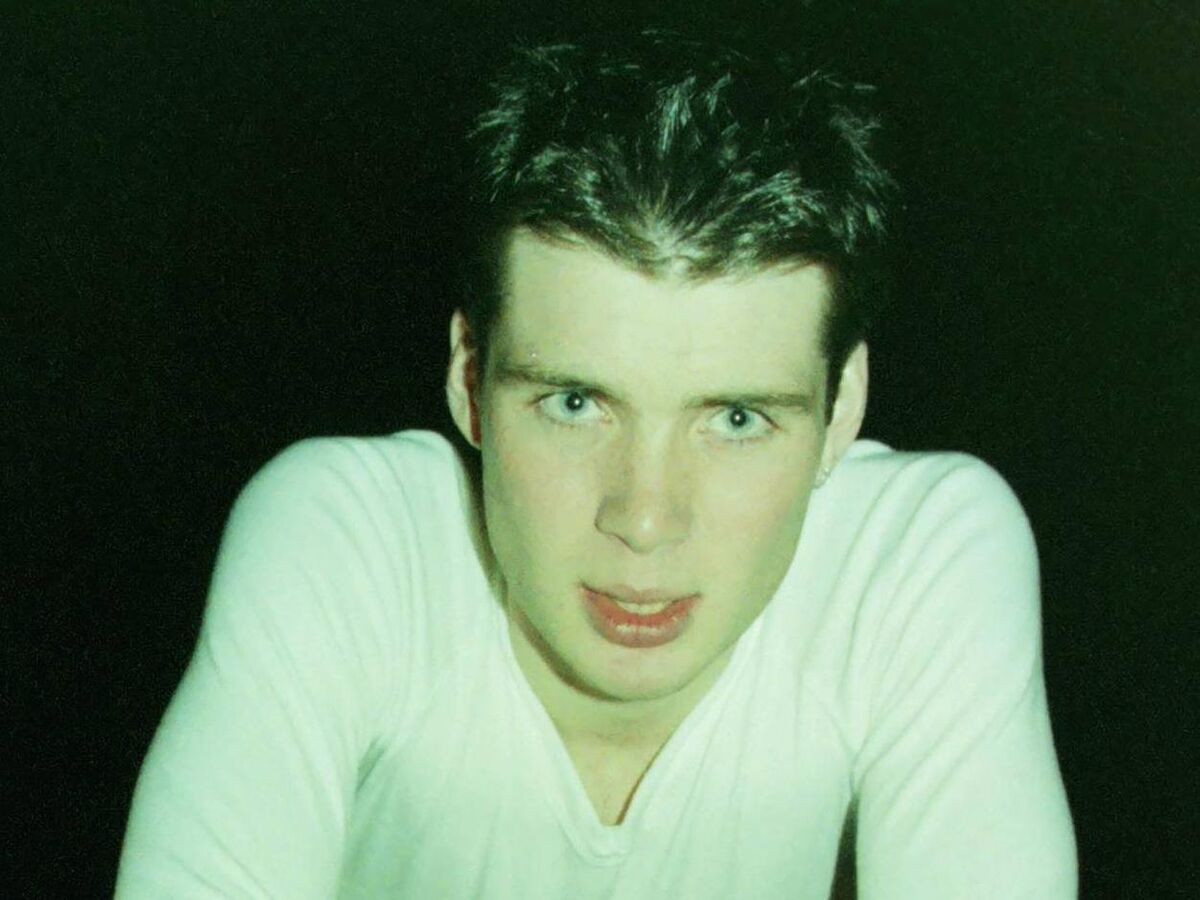
I remember thinking, ‘This guy gets it’. You didn't always find a safe conversation partner at 19 years of age, talking about struggling with alcoholism and drug addiction, and spirituality and where you're at emotionally. To this day, more than anybody I know, he's not distracted by the stuff we're all distracted by – social media and all that. He's authentic. There's no glitter.
I was in New York for the summer of 1996 when I heard he got cast for Disco Pigs [his breakthrough role with Cork theatre company Corcadorca] and was dropping out of college. He came back to UCC and directed something with Cathal the following year.
I remember noticing the evolution. You could tell he had learned from Pat Kiernan, the director of Disco Pigs. The play had performed outside Cork at this stage. He was a different guy. Something had changed. He went from being a student actor to a professional.
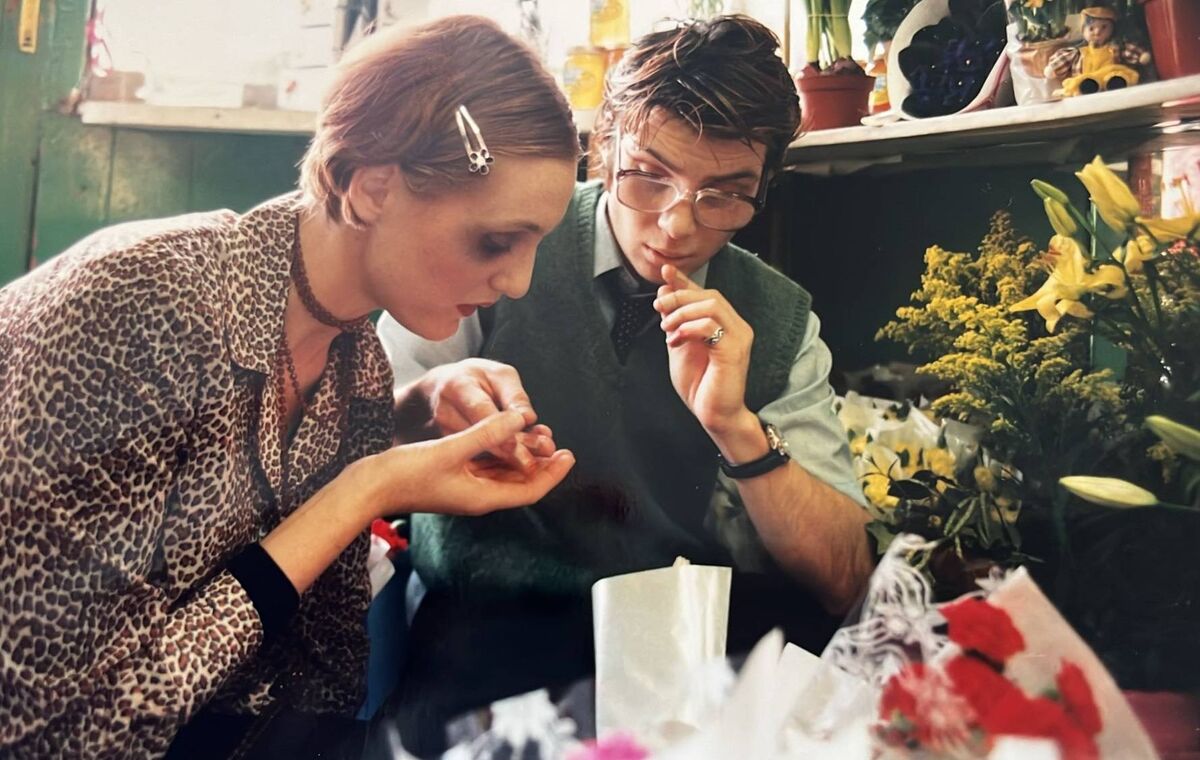
I’ll watch the Oscars. I’m very invested in it. Cillian has been under-rewarded throughout his career despite his cult successes. He carries the whole Oppenheimer film. If he doesn't win, it'll be some Hollywood bullshit. And if a Cork man gets hard done by, he’ll be comfortable with the chip on his shoulder. He’ll be alright. It’s never easy coming from Cork.
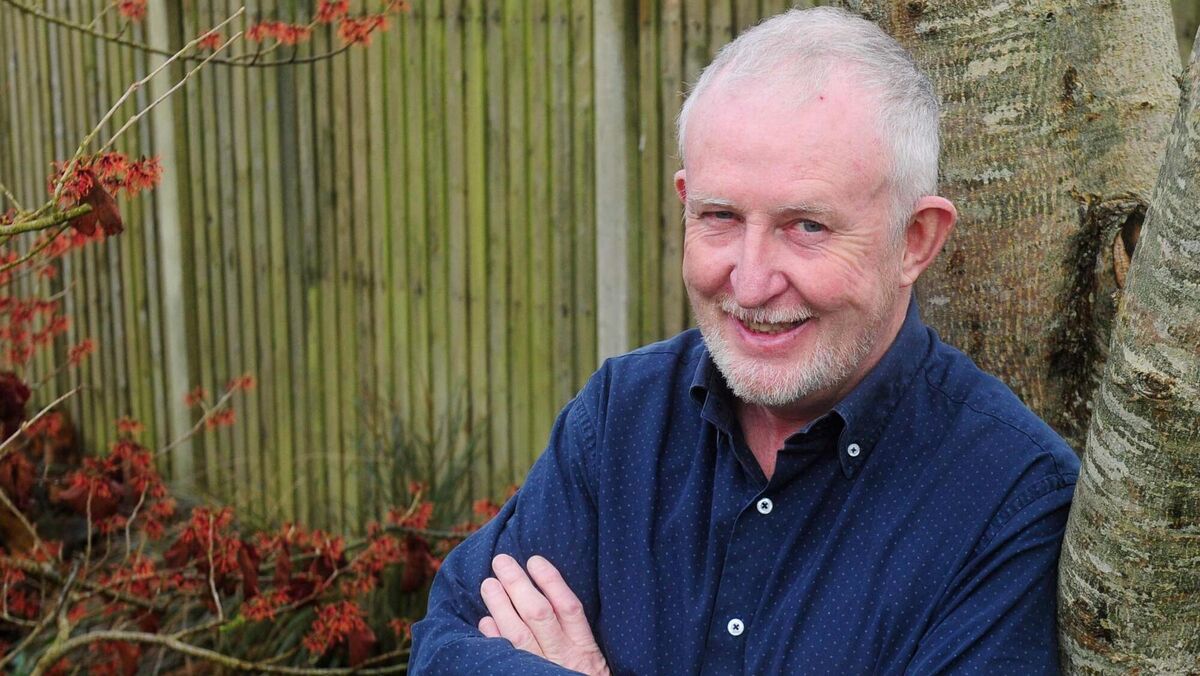
"I taught Cillian for the Leaving Certificate in Presentation Brothers College. He arrived in the class with a reputation as a troublemaker, a smart alec. My wife, who also taught in the school as a mathematics teacher, had him for maths and he drove her cracked, but she was fond of him.
At the end of the year, his class gave Liz so much trouble – and Cillian was the ringleader of it all – they gave her a present of Cillian’s abacus. We still have it at home.
By the time he came to me, he had settled down to do a bit of work, although he was never a hard worker. Where English was concerned, he had an immediate understanding of poetry, novels and plays. It was a distinguishing thing about him – he had a natural inclining for culture.
He was a leader in the classroom, particularly on the non-sporting side of the class. He had no time for jocks, as they say in America. It was books and, in particular music, for him.
My wife, Liz, came up with the idea of holding lunchtime concerts at school. Cillian’s band, Sons of Mr Green Genes, included his brother and Bob Jackson. They were amazing. They had a Sixties vibe. They dressed in kaftans and flares. They burned joss sticks for the concerts. Even that image-making – you could see that love of performance in Cillian. He was outstanding on stage. He really got into it. The band would have done well if they’d persevered.
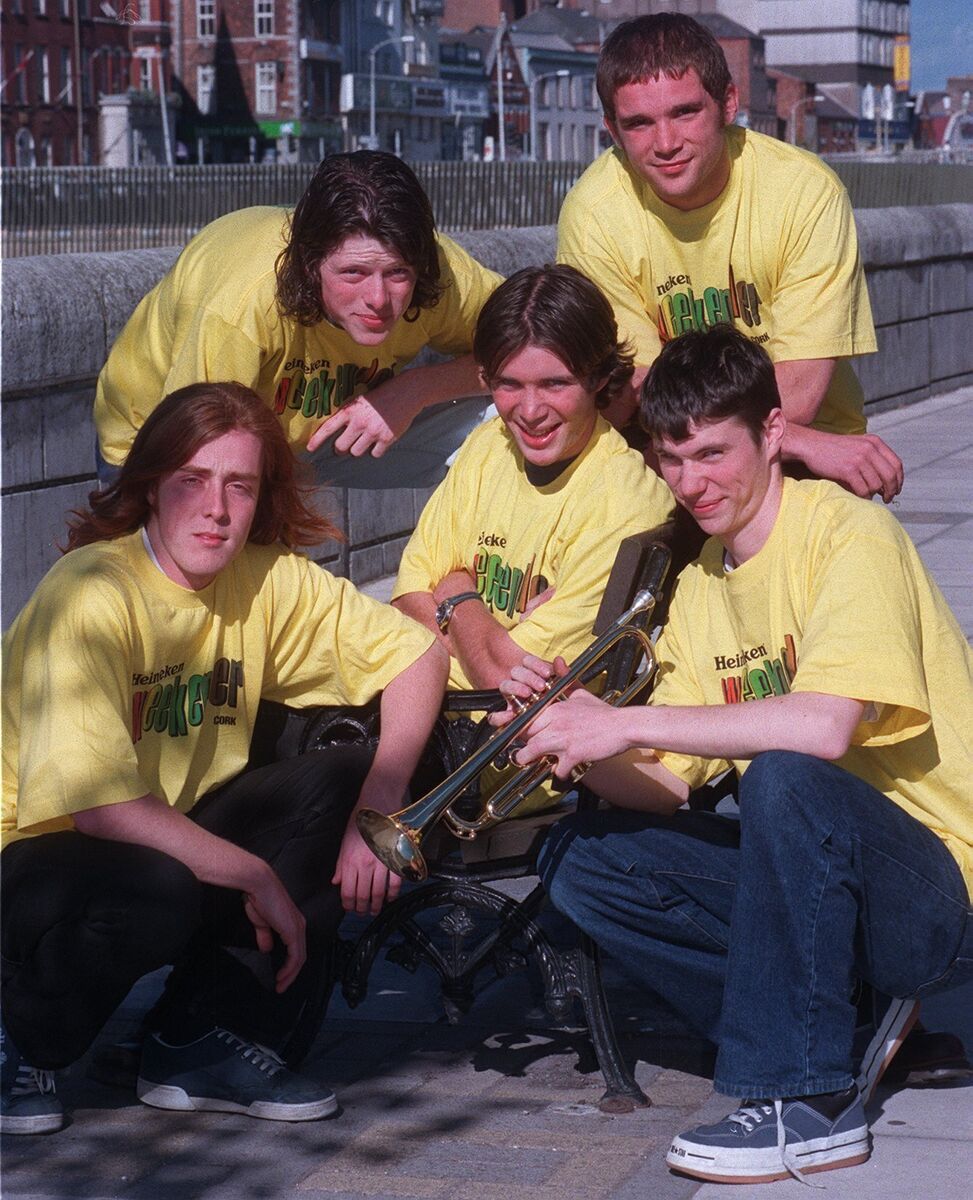
Could I have foretold he was going to be nominated for an Oscar? Forget it. Not at 17 years of age, I couldn’t see that, but I could see a natural love of performance in him, even in class. Seeing him on stage with Sons of Mr Green Genes, I could see he was a performer.
He credits me with telling him he should go into acting. I don’t remember that, but I remember saying to him he should consider something in the arts. Eventually, he studied law. I wouldn’t say I was disappointed but I thought of him as one of these performing barristers you hear about in the Four Courts, one of these prima donnas.
I was glad when I heard he’d gone into acting. Once I saw him in Disco Pigs I expected he was going to be an important actor. He had it. I was completely blown away by the play and his performance.
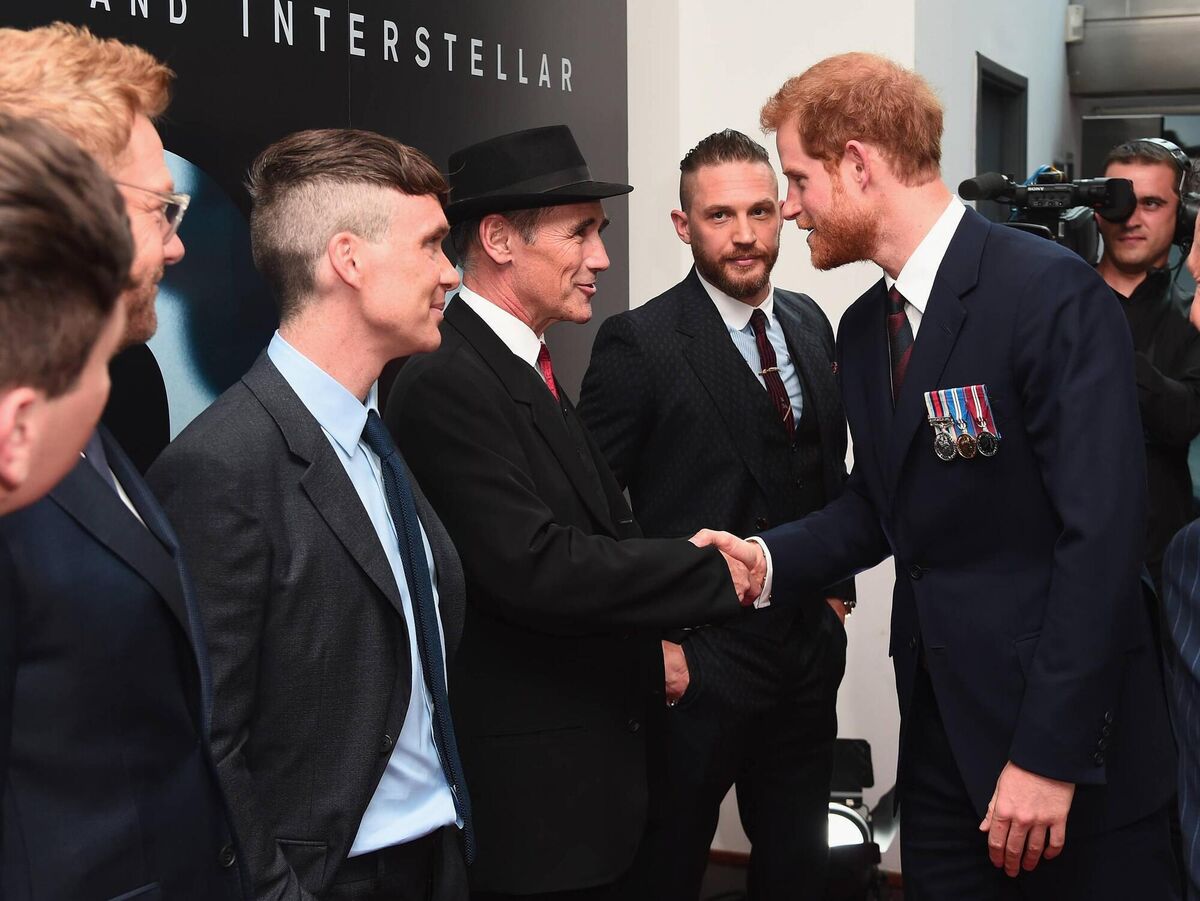
Cillian has stuck to his principles. Despite all his success, his travels, his body of work, he remains the same decent person his parents brought him up to be. It’s surprised me, though, he has taken so long to get used to the publicity side of showbusiness, the way he is on the red carpet, hands in his pockets, Cork 100 percent. You could almost hear him saying, ‘Howya, boy, what are you here for?”