Life Hack: How to care for candles correctly including how to prevent tunnelling
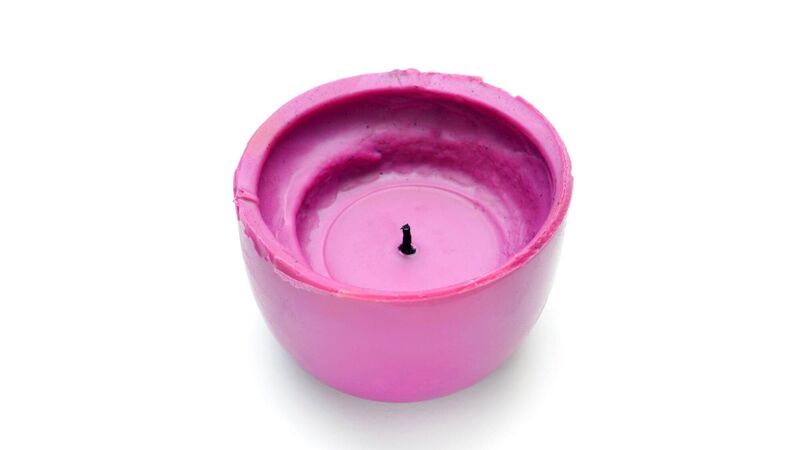
You can prevent tunnelling — but you can also reverse it.
Candles are a popular gift and with Mother’s Day and Valentine’s Day both in recent memory, you may have a new candle that you’re itching to burn. Here are some easy ways to make the most of your latest fragrance.
There are some simple steps you can take to ensure the most impact from your scent.
Did you know the way you light your candle for the first time can affect its lifespan? Trimming your wick is the first step to a longer-lasting burn and if you skip it you are essentially burning money. Cut the candle’s wick to about one-third of a centimetre. You can use a special wick trimmer but regular scissors or nail clippers will work too.
A shorter wick means your candle will burn for a longer period with a brighter flame, and it is a safety measure too. It keeps the flame more in control and if your candle is in a glass container trimming the wick will prevent it from becoming stained by smoke.
You might not have heard of tunnelling, but you’ve probably seen it in candles. If you have a candle that has been burned and has a thick layer of wax up to the top of the candle and a narrow tunnel around the wick, you’ve got tunnelling. Similar to wick-trimming, the prevention for this starts with your very first burn and, in particular, the first time you extinguish the flame.
Do not blow out your candle until you see the top layer of wax has melted along the top of the candle, which could take some hours for larger candles. For the first burn, make sure you’re at home for a few hours to monitor it and allow the wax to melt.
The first time the candle’s wax melts it essentially creates a map for future burnings: what melts in that first burn will be what melts in future burns. So, if you extinguish the candle after a short time and only a small fraction of the top layer has melted, that is the section that will continue to melt in future burnings, causing a tunnel to form the more the candle is lit. That unmelted wax that remains is hours of candle burning gone to waste.
If this article came too late and you have a tunnel forming in a candle, you can act to save it. Wrap some tin foil around the edges of the candle’s top, tucking it in slightly at the top, and light the wick. Let the candle burn while the foil covers over the areas at the edge where unmelted wax remains. After a few hours, the wax should melt evenly.
And if it’s too late and you’ve burned through a tunnelled candle, you can remove the wax and use it in a wax melter if you have one. This allows the scent from the wax to waft around your home so it goes unwasted.
CONNECT WITH US TODAY



Be the first to know the latest news and updates