Swiped out: The science of finding love online

According to a survey by Badoo, a dating-focused social network, users are spending an average of 10 hours per week swiping left and right
After an exhausting two years of wearing masks and measuring metres, we’re all looking for a bit of a refresh. According to recent research by the dating app Bumble, that seems to be
especially true for the singletons among us.
A survey conducted by the site found that nearly half of single people globally are looking to reset their love lives, with 67% of Irish Bumble users saying they want to get into a relationship this year.
Users of the dating app Hinge feel similar, with three quarters looking to start a relationship.
Mobile apps like Bumble and Hinge, which allow users to swipe on another user’s profile to indicate interest and start a conversation, have become one of the most popular ways to find love in modern times.
According to a survey by Badoo, a dating-focused social network, users are spending an average of 10 hours per week swiping left and right — sometimes logging on nearly 10 times per day.
Is all that swiping becoming exhausting? For Kerry-based dating coach Frances Kelleher’s clients, the answer is a resounding yes.
“One in three people are now meeting their partners online, and there are new apps coming on to the market every day. While they’re a very good way to meet someone if you use them strategically, people are exhausted from them.
“For some, it’s a constant cycle of connecting with people and then still ending up single after all their effort,” Kelleher says.
“But now is the best time for dating as the pandemic has shown people what is really important in their lives. They’re looking for a more genuine connection than ever before, and more people are also online, so there’s a bigger pool of potential partners to choose from.
“And, without doubt, dating is a numbers game. The more people you meet, the better chance you have of meeting the right person for you.
"People are tactical with nearly everything else in life, so why not be in dating?”
A numbers game
The idea of using strategy in dating is something that US behavioural scientist Logan Ury is an expert on.
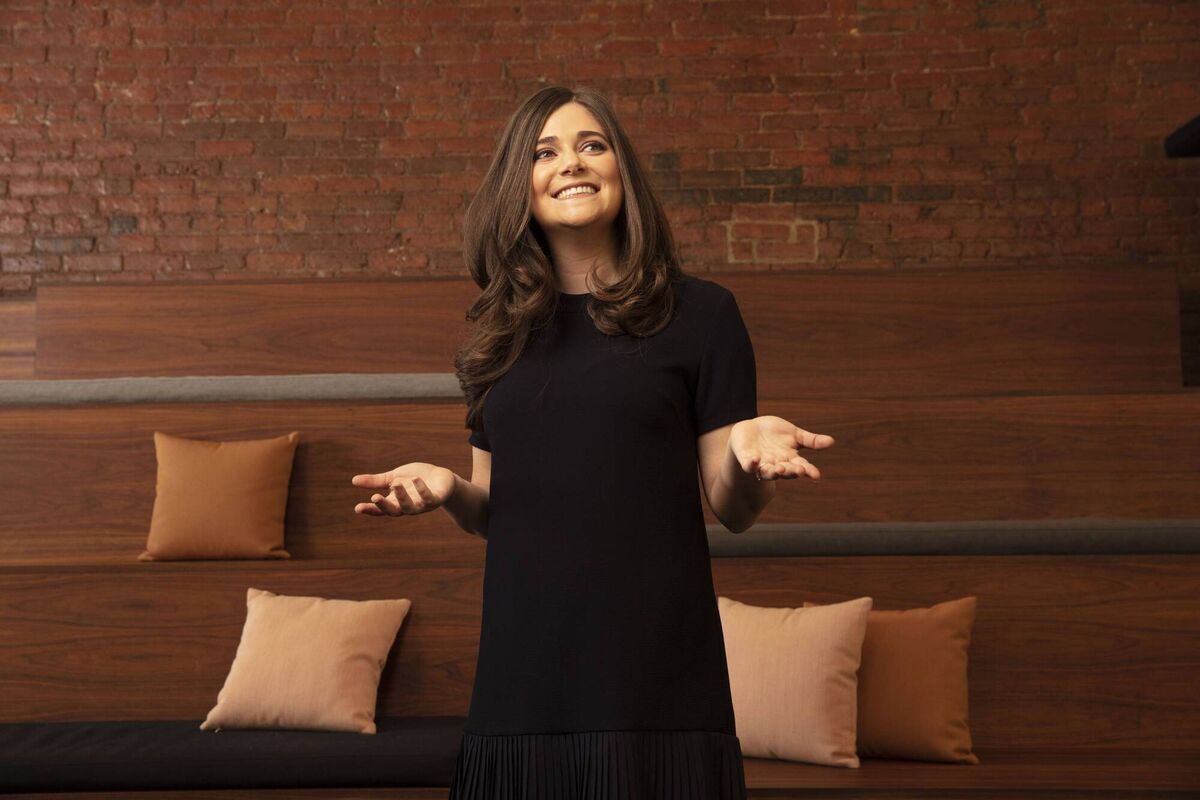
Ury, author of the bestselling book How Not To Die Alone, has utilised her Harvard psychology degree to become a leading dating coach, and the director of relationship science at Hinge. And, like Kelleher, she believes that people are more motivated than ever to find a partner.
“What we found at Hinge over the past two years is that love is pandemic-proof. People still wanted to connect and find each other,” Ury says.
“But people also spent a lot of time going inwards and figuring out who they are. Now, they’re bringing that self-confidence and self-knowledge to dating and they want to find someone who’s doing the same.
"We actually found that the most attractive thing that people can do right now is to take care of their mental health.
You’re more likely to get a second date if you mention on the first that you’re going to therapy.
88% of Hinge singles said that they would prefer someone who goes to therapy.
“People are also dating more intentionally. A term that’s become popular is ‘hardballing’, which is being more upfront early on. It might mean that you say straight out on a first date that you’re looking to eventually settle down. You’re not being needy or demanding, you’re just filling them in on what you want and saving yourself time.”
However, Ury’s studies have shown her that dating isn’t simply a numbers game.
“Someone will tell me they’ve gone on 100 dates and they need to find number 101, but there probably was someone in that 100 they could have connected with,” she says.
“The answer isn’t always quantity, sometimes it’s changing your mindset.”
Utilising science
Some help can be found in a curious place: research papers. “Finding love is an art and a science. Oftentimes, people focus on the art.
"They think of romance and magic and unicorns but there is an entire field called relationship science, and there are so many findings from that field that can be applied to dating,” says Ury.
“One thing I talk about a lot is the ‘secretary problem’. Imagine you’re hiring a secretary and you have 100 candidates. You have to interview them one at a time and after each one, you have to make an irrevocable decision on whether you want them or not.
"You don’t want to decide too early but you also don’t want to decide too late, so what you’re looking for is the best strategy.
“The mathematically optimal answer is that you should interview 37% of the candidates, and identify the best person to become your meaningful benchmark. As you go through the rest of the candidates, you hire the person who is better than that benchmark.
“So if you apply that to dating, and you’re going to date from when you’re aged 18 to 40, by the age of 26, you’ve dated 37% of the people you’re going to date. Your benchmark is the best ex you had during that time.
"The next time that you meet someone who you like better than that benchmark, you should commit to that person.”
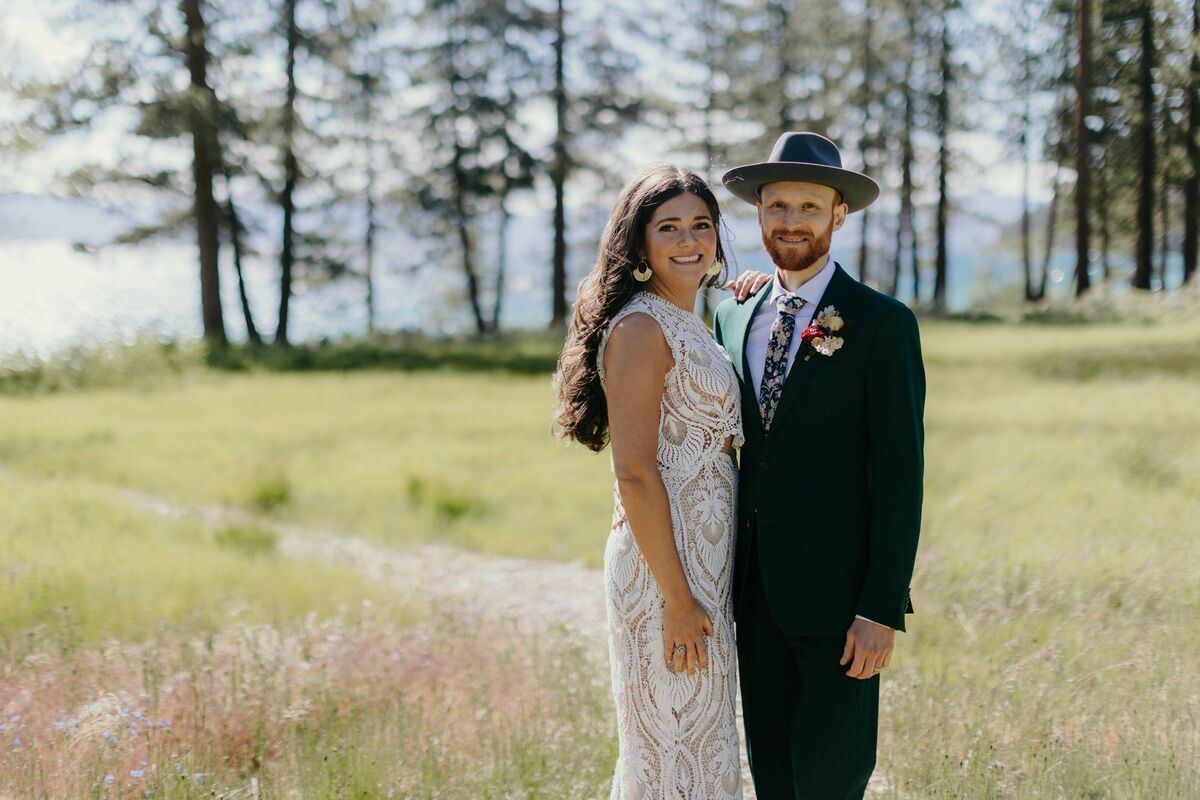
So, how did Ury decide on her own perfect candidate? She actually had a little help from a dating coach, before she became one herself.
“I met my husband Scott when we were in college, and then we met again when we were both working at Google,” she says.
“I realised through my work with a dating coach that until then I had been focusing on the wrong thing. After a year of being friends, I looked at the qualities that really matter to me, and realised that this person was really special, and had all of those things.”
That was seven years ago now, with the couple officially tying the knot in 2020. The ceremony had to be put off due to the pandemic and the cancer treatment Scott was receiving, but two weeks ago, they finally had their celebratory bash.
Now, Ury is trying to help others find the same connections.
“My philosophy is that a lot of the time we have dating blindspots: behaviours and ways of thinking that hold us back from finding love that we can’t identify on our own.
"Maybe we always go for people who don’t like us back, or focus on looks too much, or have unrealistic expectations,” she says.
“If you’re not satisfied with how your dating life is going, look back at your past and try to identify your patterns to change the way you date in the future.”
New types of dating
Bumble’s sex and relationships expert Dr Caroline West also thinks the field of dating has changed, especially in Ireland.
“People are no longer talking to someone for a month on an app before they meet up,” she says. “I think everyone has realised that there’s no point wasting time like that anymore.”
There’s also a shift toward something many Irish people may have feared before lockdown — sober dating.
“Historically in Irish society, we would meet people down in the pubs or through socialising on a night out. Obviously, that was
curtailed during lockdown, and people got creative. They would go out for a takeaway coffee or a walk, which is really positive,” says West.
“I think people are really enjoying this new type of dating. It’s no longer just about the Saturday night out in the pub.”
Irish singletons aren’t the only ones moving towards dates that don’t involve alcohol, with 75% of global Hinge users saying that going for a drink is no longer their preferred first date activity, mostly because they want to be in the right state of mind while getting to know their
potential partner.
As for Tinder users, 57% want to get to know their dates on a deeper level, and nearly half of those aged 25 and younger plan to have more video chats with someone before meeting them.
“What people consider a date has really expanded. Video calls are more normal now and voice notes have become really popular — 35% of Bumble users say that virtual dates are now a normal part of dating,” says West.
“It’s a great way to see if you want the same things ahead of meeting up.”
Determination
Bumble’s research found that one-quarter of users feel more confident about going after what they want now than they did before the
pandemic. A whopping 42% of Irish women have felt pressured to compromise their needs when dating in the past. West doesn’t think this will be the case going forward.
“The rule book has really been bent. Before Covid, maybe someone would have felt like they needed to go on three dates before they would go to someone’s house or go on a certain type of date and now, people are doing things on their own terms,” she says.
“We get too bogged down on what society says we should do. We’ve been told that we shouldn’t seem too desperate or needy, and I think one positive of the pandemic has been that people have thrown that out the window.
“Our culture has always been about having a list and a type, but I think people are letting go of that.
"People aren’t just swiping because they like someone’s looks, they’re really looking at their page and trying to figure out if they’re similar or not.”
That seems to be the case, with 30% of Bumble users saying they are less judgemental about people’s looks now than they were before the
pandemic, and 64% of Tinder users prioritising interests, political views, and humour over looks.
“People don’t want anything superficial anymore,” says West. “They want a caring relationship.”
CONNECT WITH US TODAY



Be the first to know the latest news and updates