Alan Healy: Who really benefits from a cut in fuel excise duty?
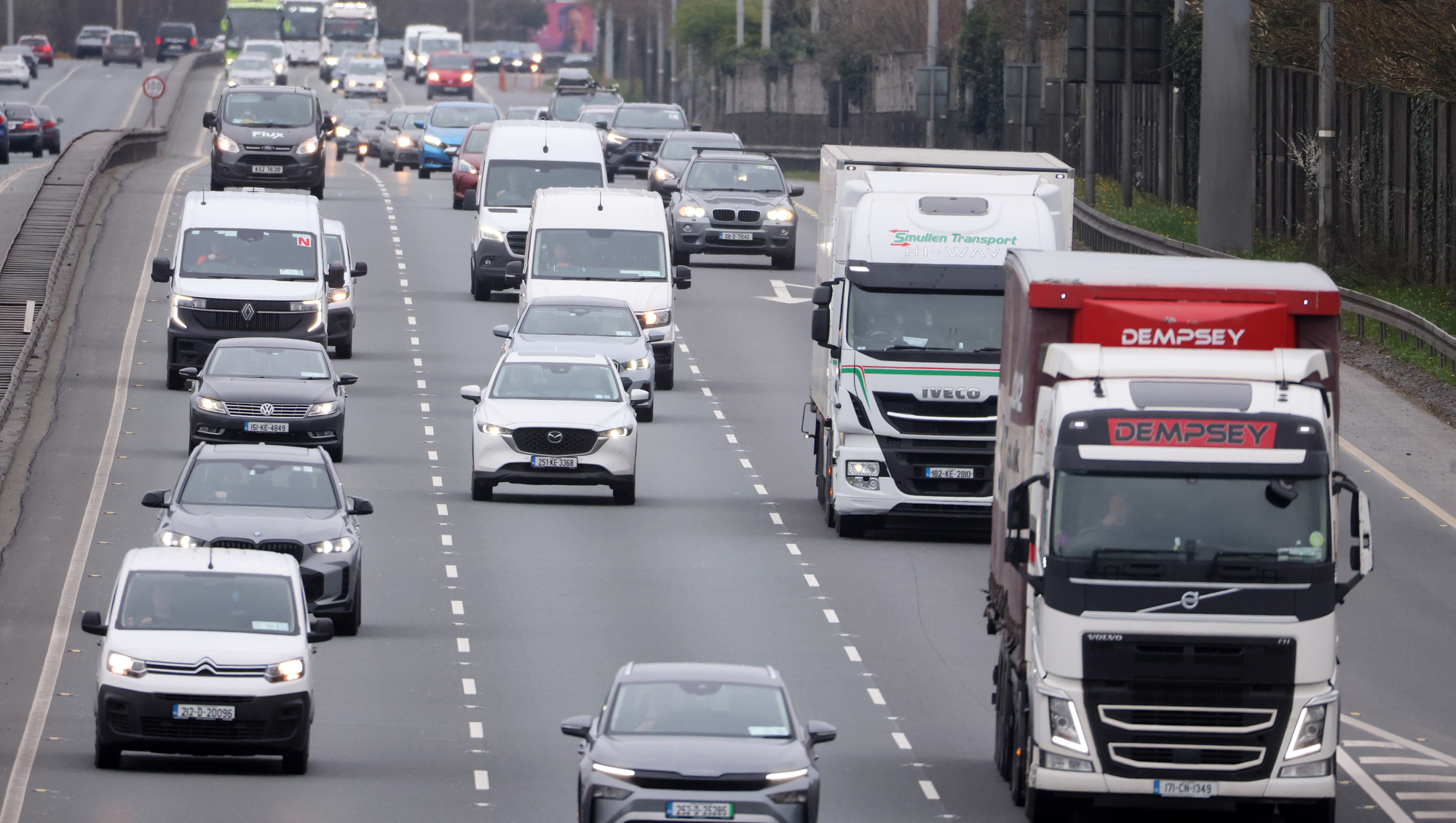
We are left with a painful reminder of our dependence on energy imports when conflicts like this occur. Picture: Eamonn Farrell
With little oil reserves, no major domestic production and no ability to influence global crude oil prices, Ireland has been left badly exposed, once again, to an external conflict.
Motorists facing €2.30 per litre of diesel at the pumps this week earned a reprieve in recent days as the Government's move to cut excise duty saw prices drop back by 20c.
Changes to the levy we all pay to fund the National Oil Reserve (NORA) should see a further 2c cut. Hauliers and other large transport providers will get a diesel rebate scheme, which will be backdated to January.
The moves see Ireland join most other countries as they attempt to shield consumers and industry from the brunt of the conflict in Iran, but as effective as they might be, temporary tax cuts highlight the limited bag of tools and levers we can pull when faced with grave external pressures.
The warnings of what would occur without action were everywhere. We have fresh memories of the oil and gas price spikes in the wake of the Russian invasion of Ukraine. It drove inflation in Ireland to more than 9% that year, spurring a cost-of-living crisis we are still suffering.
Various sectors were quick to point out the impact of a fresh rise in energy prices, as the restrictions on the Straits of Hormuz saw oil exports grind to a halt.
The Irish Farmers Association said the green diesel that powers Irish agriculture rose 50% in the wake of the conflict. They were clear food prices would see significant increases without intervention. The road hauliers said the increases in fuel would drive up the price of everything from food to construction materials.
Ireland is a small country, and despite having a front-row, prime-time slot with the US president in the middle of the conflict, our efforts to resolve the issue were confined to diplomatic overtures and appeals for peace.
There is a well-versed concern about Ireland's overreliance on multinationals for corporate taxes and a significant portion of income taxes. Efforts to broaden the tax base need to be protected.
An excise cut obviously erodes exchequer returns. Minister for finance Simon Harris said the excise cut would cost the exchequer €160m, rising to €250m when the cut to the NORA levy is included.
On top of this, tax cuts, once implemented, are very difficult to reinstate. The Government has made it clear the excise cut runs until the end of May. However, a precedent has been set.
The conflict in the Middle East still seeks a resolution. Few believe any form of lasting stability will return to the region in the short to medium term. It seems likely that with the precedent of an excise cut being set, the Government will come under pressure every time the price of a barrel of oil spikes.
We saw this when the 9% reduced rate of VAT was introduced for the hospitality sector during the covid pandemic. It returned to 13.% in 2023, but a sustained campaign saw the Government relent and restore the 9% rate in the most recent budget.
The other question for the Government to ponder is how much the consumer benefits from sectoral tax cuts. Analysis by the Irish Fiscal Advisory Council in October found hospitality businesses were more likely to pass on VAT increases to consumers but less likely to pass on VAT reductions, which can often get swallowed up by other costs.
Blanket fuel tax reductions are a blunt instrument. Higher earners drive more, drive further, and drive larger vehicles. The rural household on a low income with no alternative to the car is genuinely exposed. They might be better served by a targeted payment than by a cut that simultaneously subsidises every high-mileage commuter in the country.
The real lesson for Ireland from the conflict in Iran is not about excise cuts but that we have again sleepwalked into a position of extreme energy exposure.
For the second time in just four years, we are left scrambling to respond to surging energy prices, trying to pull what limited domestic levers we have.
CONNECT WITH US TODAY



Be the first to know the latest news and updates