Michael Moynihan: Park benches can be a much hotter topic than you'd expect
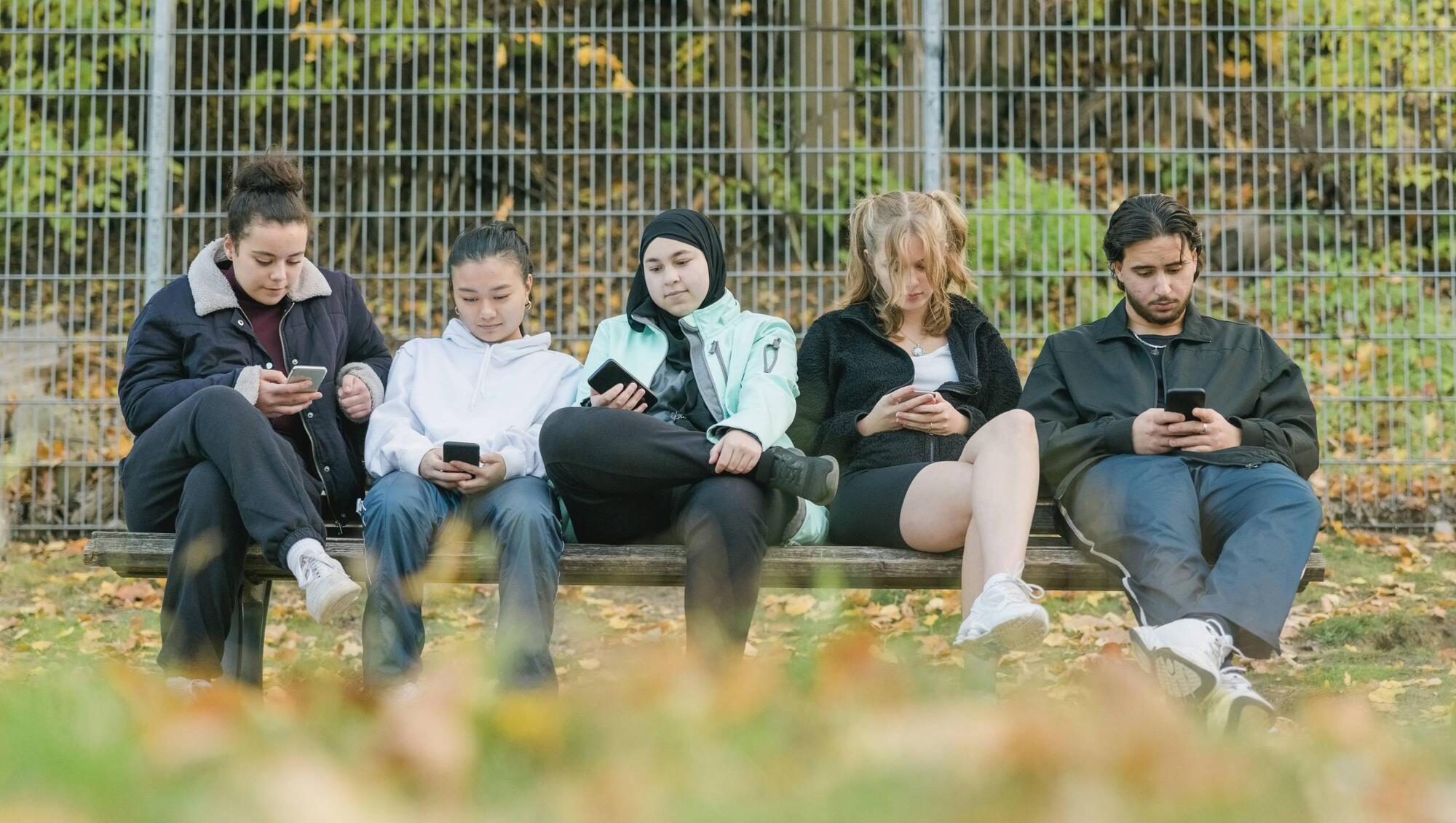
Three years ago, police in Stanhope, Kent, took away park benches and low-lying shrubbery from small parks because, they explained, the benches had provided 'places to gather' and their removal would help 'design out crime'.

The French probably have an expression that covers it. The Germans definitely have a word for it. The Basques probably have some kind of gesture which summarises it, and then a pintxo to commemorate it.
I refer to the sensation which washes over you when you see an event that you missed when it happened, but which you would now give anything to attend.
In my particular case it is the annual International Park Bench Festival, held last June in the Parisian suburb of Petit Colombes.
God knows any excuse would suffice for a trip to Paris, even if it has never been the same since the disappearance of the greatest shop in the world (Colette), but here was the perfect reason to visit and drill into the — how to put it — the raison d’être of the park bench.
The location was significant, because a couple of decades ago Petit Colombes and other urban centres in France removed their public benches.
Why? To discourage loitering and antisocial behaviour following the deaths of two teens after a police chase, an incident which caused riots all over France.
They’re not alone. Three years ago, police in Stanhope, Kent, took away park benches and low-lying shrubbery from small parks because, they explained, the benches had provided “places to gather” and their removal would help “design out crime”.
Places to gather? Isn’t that what a park... anyway. The force’s chief inspector of Ashford explained to the that removing the benches and shrubbery was part of a temporary trial to “prevent antisocial behaviour in hotspot areas”.
Interesting to see design and architecture evaluated for their potential involvement in illegal or antisocial behaviour. It’s even more interesting to consider the British angle, and not just because they’re our nearest neighbours.
Until I started digging into this, I was unaware, for instance, of the existence of Secured By Design, a British organisation whose website states it is: “... the official police security initiative that works to improve the security of buildings and their immediate surroundings to provide safe places to live, work, shop and visit”.
This isn’t all plain sailing. Earlier this year, the Royal Society of Ulster Architects pointed out housing associations in the North of Ireland had to be SBD-approved for certain grants; this meant giving SBD de facto powers of veto over housing design, which is unquestionably a bad thing, and a trend worth keeping an eye out for here.
We surely are not at a point where police requirements dictate how we build our cities. Yet.
I digress. Back to the humble bench, where there is a whole hinterland lurking once you start digging.
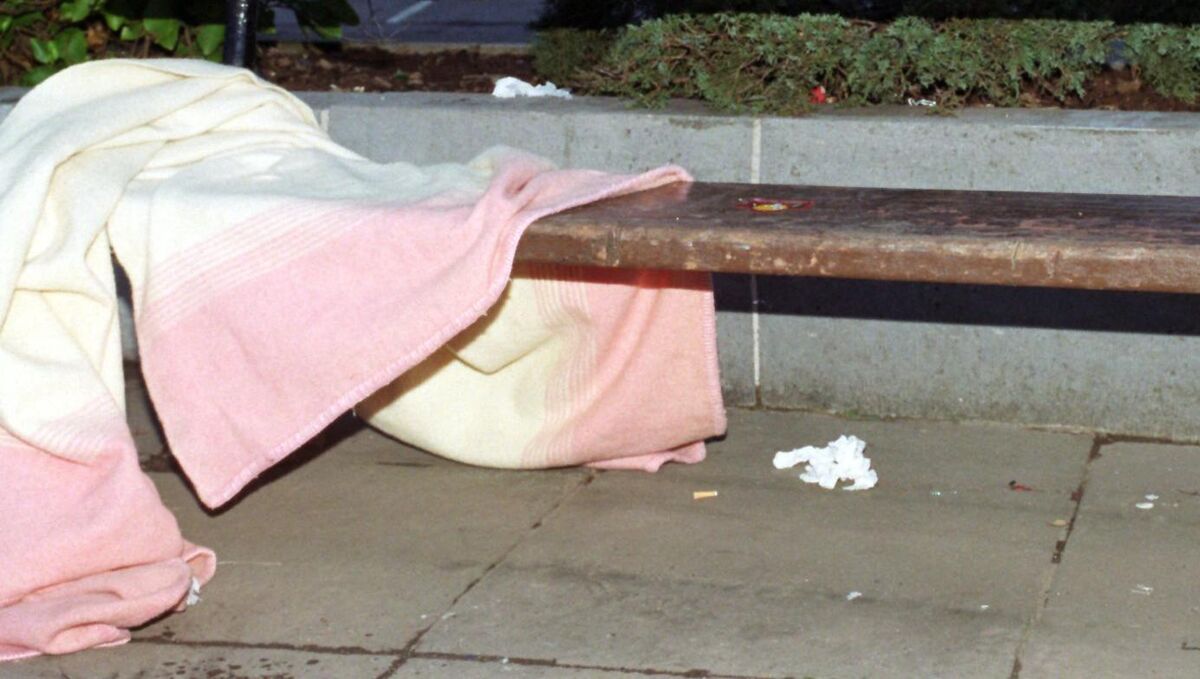
In America, the bench has a long history of being weaponised against the homeless, for instance. Going back to the 1930s, urban planner Robert Moses worked with a furniture maker to create 8,000 benches for New York which were notable for one significant feature: hooped dividers at the midpoint of the bench to prevent the homeless stretching out to sleep on them.
Some of them were later updated with ironwork within those hoops. Why? To stop people from sticking their legs through to lie down on the bench.
Fresh ways to deter the homeless from using benches in New York continue to pop up. In more recent years, the city’s subway system started introducing leaning benches, hip-high structures which one can’t sit upon but . . . lean against. (“We already have leaning benches in every station,” one commuter told the . “They’re called walls.”)
The great challenge with public benches is that having them is good for older adults and people with small children: plentiful public seating is a boon for those who may not be as mobile as they once were, and those who are taking care of other who may not yet be as mobile as they will be soon. A city’s ability to cater for these two different cohorts is often an indication of its ability to cater for everyone, as noted here many times.
Having benches is good for other cohorts of people as well, as the French, English, and Americans have found: those who are interested in antisocial activities of various kinds.
Is there a sweet spot? A magic number of benches which will accommodate the pensioner who wants some respite for aching feet without having to share the space with a couple of lads having a flagon of cider at ten in the morning?
Or is there a slightly more subtle answer?
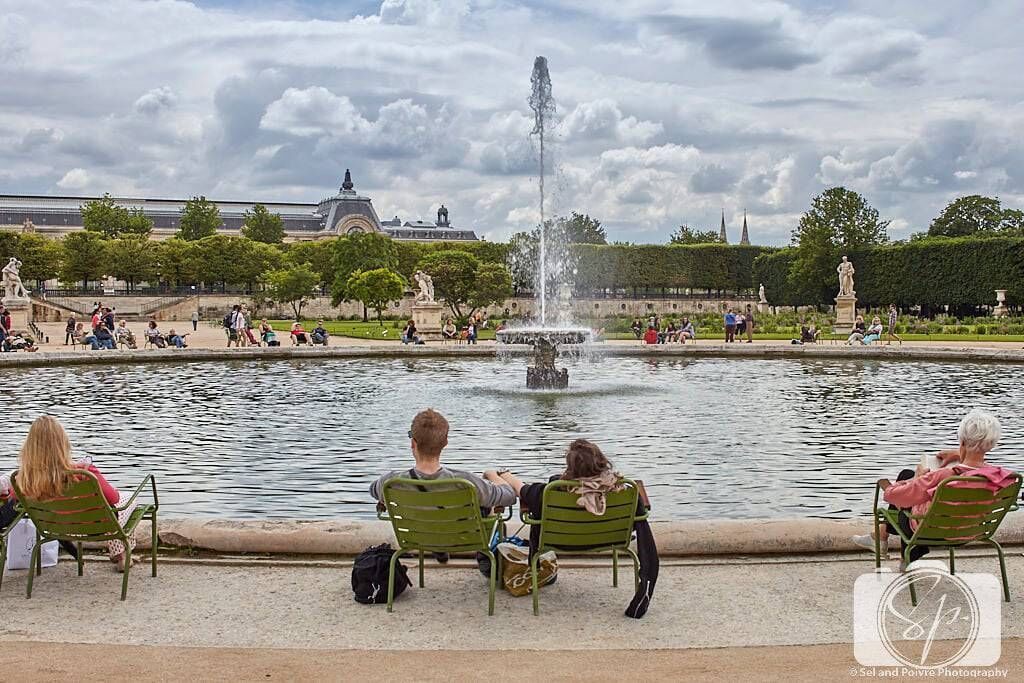
Visitors to the Jardin du Luxembourg in Paris will be familiar with the famous green chairs to be found there: they’re free standing and you can drag them off to a spot that suits yourself, though probably not too far. They’re heavy enough — 7.3kg for the chair, 9.6kg the armchair, and the recliner is 13.5kg, but that weight deters theft as well as anchoring the seats from being blown over or carried off by the wind.
There’s yet another alternative. In Helsinki, antisocial behaviour led the city authorities to scrap their traditional benches for solo seats, with many locals observing these one-seaters were a neat fit with the Finnish reputation for reserve: research indicates loneliness is an issue for one in three Finns, which means the solo bench is either conforming to the national stereotype or undermining it totally, or perhaps both at the same time.
In Cork we seem to be subscribing to all sides in this debate.
Two years ago, at the urging of local Sinn Féin councillor Mick Nugent, Cork City Council’s parks division facilitated a first friendship bench for the city at Gerry O’Sullivan Park, Churchfield.
It wasn’t the last time the city council used benches with an eye to the community — earlier this year, for instance, it named a new bench in Ballincollig Regional Park after the late Anne Murphy, a devoted parkrunner.
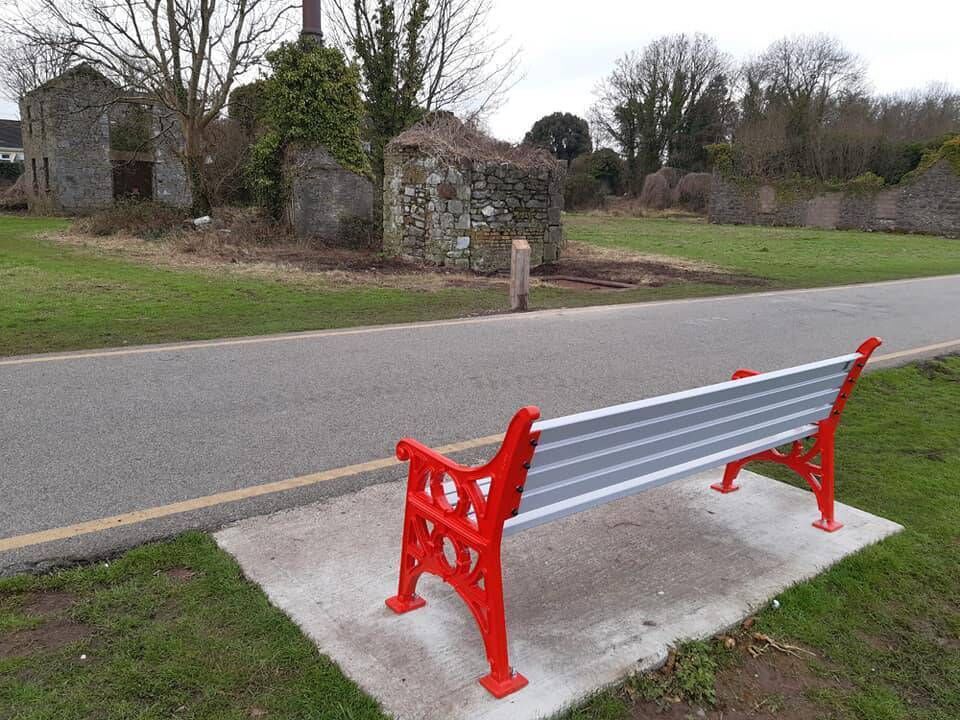
On the other hand, going back to 2021, the council had to remove benches from Connaught Park specifically because of antisocial behaviour. That was also the reason benches in Ballincollig were being replaced in 2020: Cllr Colm Kelleher said the Ballincollig park benches, made out of recycled plastic, were “constantly being burnt to cinders” and had to be replaced by the city council.
(More recently we have had even more benches replaced — the seating areas of our late lamented RoboTrees, though that may have had more to do with a general sense of embarrassment than rotten timber or antisocial behaviour.) More recently, we have seen new bench structures in Bishop Lucey Park — (stop, please: everyone in the greater metropolitan area of Cork).
Alright, to be revisited.
Benches, who knew? Useful to commemorate loved ones and family on one hand, yet also (literally) the scene of both antisocial behaviour and combating such behaviour.
To get a better understanding of bench studies, I am happy to bite the bullet and go to Paris for next year’s conference. No sacrifice is too great for my readers.
- X: /mikemoynihanex
- Instagram: /mikemoynihanex
- TikTok: /mikemoynihanex
CONNECT WITH US TODAY



Be the first to know the latest news and updates