Terry Prone: He was a labourer. Now his family reveals the secret life of artist Eric Tucker
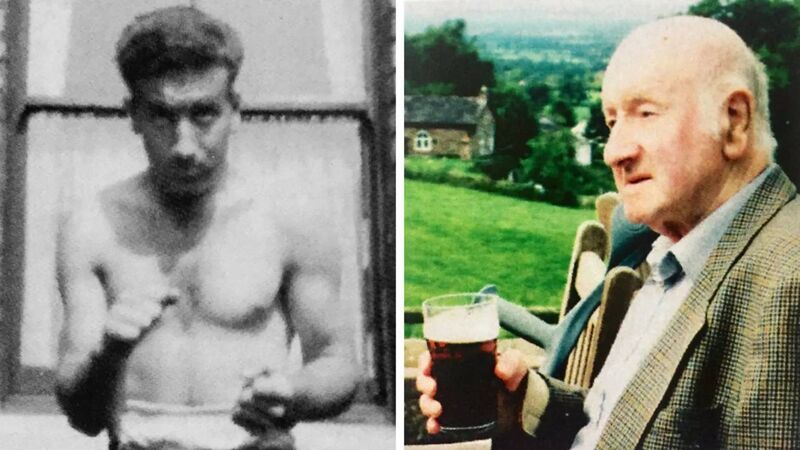
Eric Tucker was known only as a labourer who had been a handy boxer in his youth. But, over six decades, he had been quietly sketching the people and places around him in Warrington and making hundreds of now acclaimed paintings.

looked at doing a story on the uncle, but lost interest. Which is understandable. Difficult to turn readers on to a story about a guy who’s dead unless the guy was famous when he was alive, and this man wasn’t remotely famous — nobody knew him from a hole in the ground.
It’s even more difficult to excite readers about a bloke who lived in Warrington, and who, according to his nephew, would shamble arthritically down the terraced streets of his hometown, “with his shoelaces undone and an aluminum walking stick tethered to his wrist by string that had been rain soaked and sun-dried several times over. His personal aesthetic seemed designed to put tramps at ease.”
And that was before his mobility went south, leaving him, in his 80s, dependent on a friend to place his daily horse-racing bets and restricting him to the house he had shared for decades with his mother.
You can understand how went off the idea of a story about him. But they were wrong.
Fortunately, his nephew, a man named Joe Tucker, was bothered enough by the paper’s rejection to decide to research and tell the story himself.
His brother and nephew had always known that Eric painted. He was not a house-painter. Or a sign painter, even though, when he left school at 14, he had been apprenticed to a specialist in that business.
Despite the apprenticeship, instead of sign painting, he earned what might be called a living as a casual labourer.
A big guy who boxed in his spare time, he eventually landed a less-than-plum job loading and unloading lorries for a local construction company.
He had pub friends and betting friends and work friends. He had a regular, even an obvious, life.
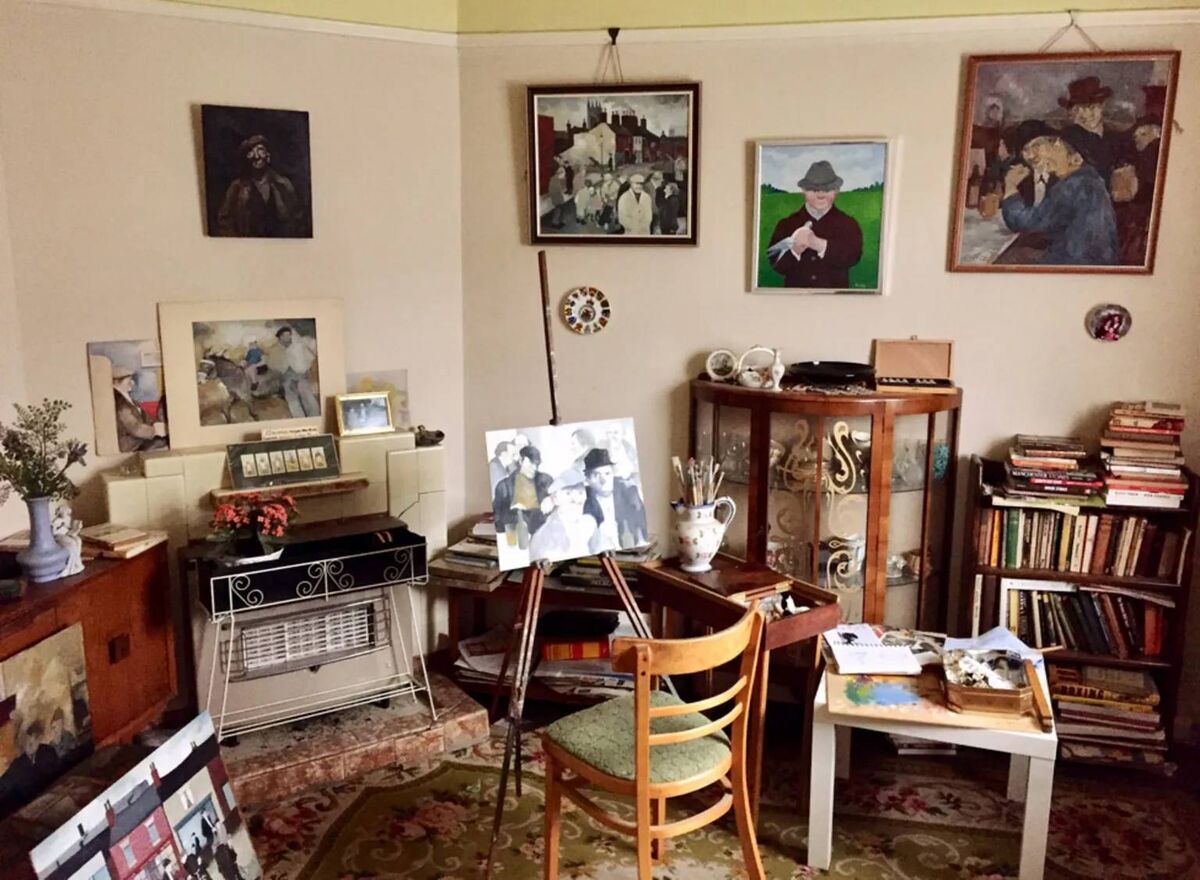
What nobody but his family knew was that he had another, quite different life. He painted with oils on canvas.
He went to art exhibitions and travelled to state museums and art galleries to study the works of painters he liked, bringing home posters and catalogues.
The posters got thumb-tacked to one of the two old-fashioned wardrobes in his room.
The catalogues ended up rubbing shoulders with boxing magazines and books about horse racing. For example, an account of the quintessentially genteel landscape painter John Constable sat cheek-by-jowl with , a popular compendium of the toughest, hardest men in Britain at the time.
One side of his life knew nothing about the other side of his life.
The lorry-drivers pulling into the yard of the construction company for which he worked would never have imagined that this big bulky six-footer who cut his own thinning hair with a kitchen scissors and held his trousers up with string was actually an artist, and they were never going to find out from him.
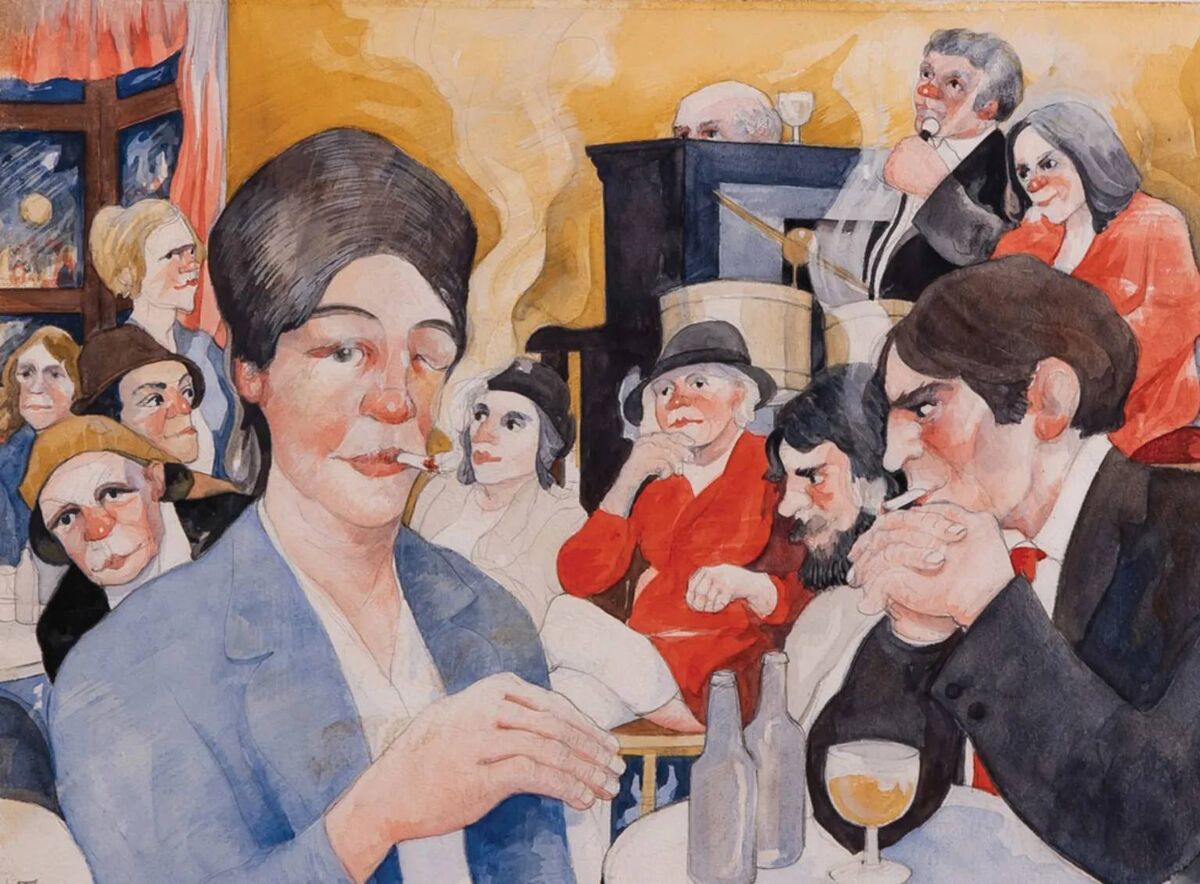
He managed to do it on the sly, having worked out that people in pubs are always more interested in the drink they’re drinking or the gossip they’re sharing than in what somebody else might be sketching. And that’s what Eric Tucker would be doing while downing his pints: Sketching.
A pad on his knee, a pencil in his hand, and he was ready to capture the faces of neighbours, friends, and strangers.
The sketches would go home with him. Some of them would provide the basis of a painting, the fast-formed sketch informing the final artwork. Some of them would be stored for future reference.
Either way, the work happened in the little council house in which he had been brought up, the evidence saved and stuffed in drawers and on shelves, because he was a hoarder, too. Not that the people he worked with or socialised with knew that, either.
His family, though, did know. They always knew.
He had a younger brother who went to university and, having studied art, always wanted his brother’s work “to be considered not just curious and fascinating, but meaningful and good”.
The big heavy lorry-loader was never mocked or discouraged by his own family, but rather admired and praised by them.
They lived with the ever-growing stacks of completed paintings and had a real sense that Eric was not just an artist, but one who was growing and developing as he aged — and he was.
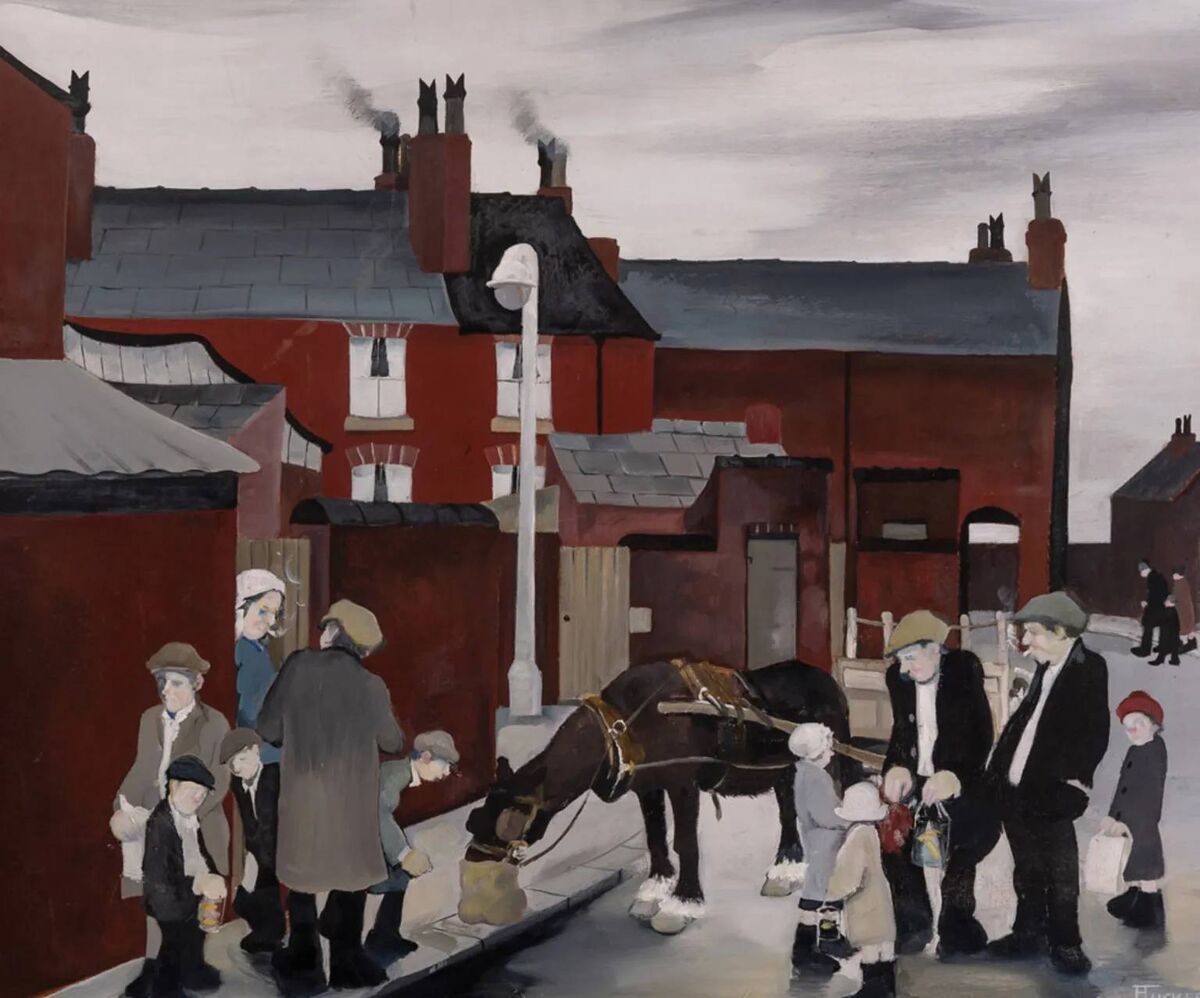
Over time, he developed a unique approach to painting. Although he has been called “the secret Lowry”, his paintings have little or nothing in common with those of that painter.
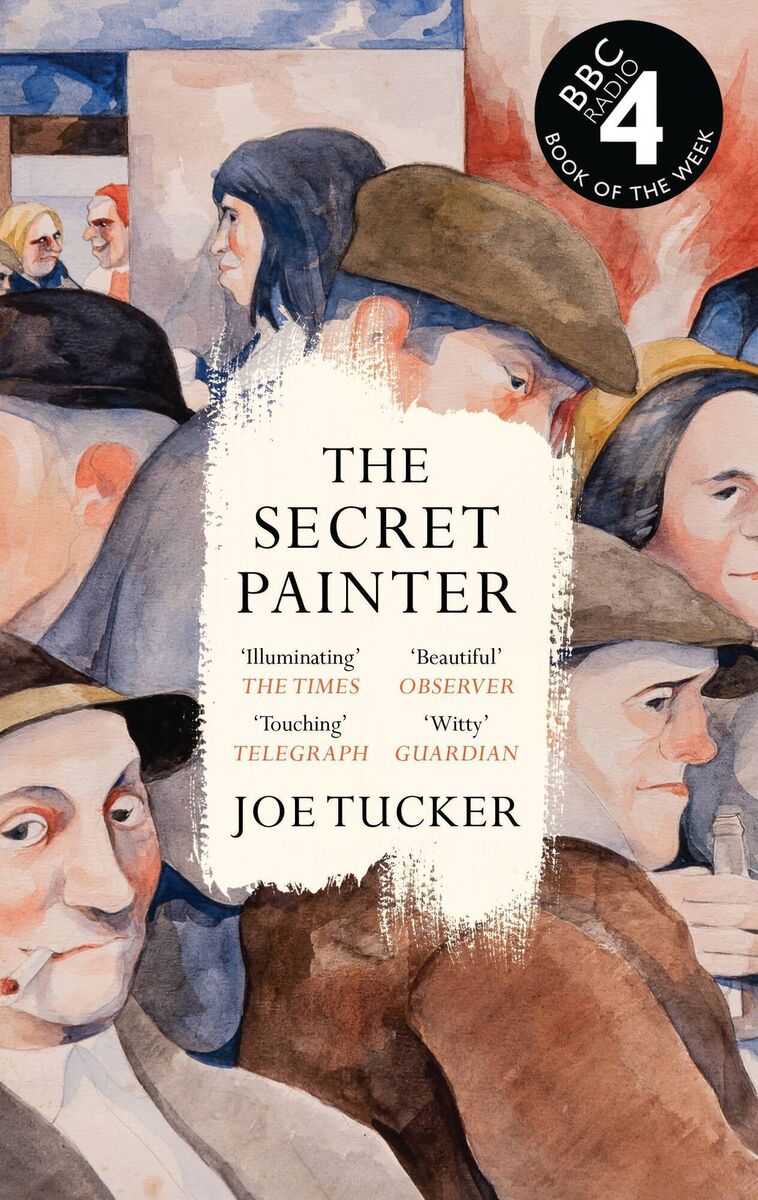
Tucker’s people were mostly seen in what camera operators would call close-ups or mid-shots, not in distant genericising crowd scenes of matchstick men and dogs. His colour choices were distinctive, too, often utilising pastels when portraying people in pubs, although his pastels managed to include a warm red when addressing a drinker’s nose.
Tucker’s work was neither ironic nor overly affectionate. His approach to painting was a little like mountain climber George Mallory’s reply when asked why he wanted to climb Mount Everest. “Because it’s there,” was Mallory’s response, and Tucker seems to have painted people that way —simply because they were there, in all their workaday ordinary uniqueness.

At home, he painted family members who had died in evocative portraits that were as faithful as photographs yet misted and slightly fogged.
The family portraits he hung up on walls within the house, not stacking them along with the pub scenes and evocations of external working class Warrington.
The house enclosed him and his paintings as his mobility diminished. But his sense of worth, of having created art that mattered, did not drain away in those final years.
If anything, it grew: He confided to his ever-supportive brother that he would like to have an exhibition.
His brother agreed, pointing out that a precursor to such an exhibition would be a cataloguing of the paintings, putting titles on them they’d never had.
“By the time of my uncle’s death,” his nephew Joe Tucker writes, “my dad had found more than two hundred paintings in his house.
"In fact, he had uncovered less than half of his work. In the weeks following his death, as my parents tried to bring his house into some sort of order, they would ring me each day to tell me they’d found another thirty, forty, fifty paintings, stashed away in every nook and corner of the house, inside and out.
"On top of this, there were drawings and sketches too copious to count.”
Joe Tucker decided to write a book about his painterly uncle the lorry-loader, and the result is an account of a secret genius.
Thanks to his family, Eric Tucker will be posthumously known as he never was in life, and his work will be seen the way his brother had always wanted it to be: as meaningful and good.
- 'The Secret Painter' by Joe Tucker is published by Canongate
CONNECT WITH US TODAY



Be the first to know the latest news and updates