Services for children with intellectual disabilities funded at half needed for functioning service
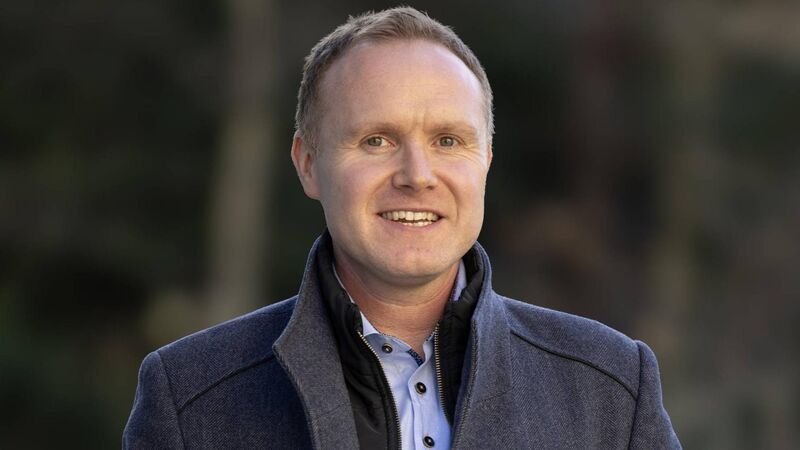
Cork East Social Democrats TD Liam Quaide said the figures represented a 'tragic lack of ambition' in terms of staff resources for some of the most vulnerable people in Irish society.
Mental health services for children with an intellectual disability in Ireland are being funded at less than half the HSE’s own requirements for a fully-functioning service, new figures reveal.
The HSE has admitted within Child and Adolescent Mental Health Services (Camhs) “there is no [intellectual disability] team nationally staffed at the level recommended”.
In response to a series of parliamentary questions from Cork East TD Liam Quaide, regarding the level of resourcing for Camhs intellectual disability services, the HSE said there were currently just 10 such teams operating nationally at a “baseline level”, that is with staffing levels significantly below optimum levels.
According to the HSE’s own service requirements, there should be at least 16 such Camhs for those with intellectual disabilities, one for ever 300,000 people.
The HSE’s replies to Mr Quaide indicate the staff that are in place are covering far greater population sizes than would be considered best practice.
Mr Quaide said the figures represented a “tragic lack of ambition” in terms of staff resources for some of the most vulnerable people in Irish society.
He said the replies to his inquiries are “deeply troubling”, adding it was “very difficult to understand” why a full multidisciplinary team was not seen as essential to those presenting with an intellectual disability, as is the case the broader Camhs services.
He asked, given a fully resourced team is seen as integral for Camhs, why such a service “is not even remotely delivered in practice for children with even greater needs”.
The HSE said an additional 160 clinical posts and 16 associated administrative roles would be required to bring the intellectual disability service up to code.
At present, however, only 71.5 clinical posts and 6.7 administrative jobs have been funded by the Government, a rate of just 43% of the roles required.
Mr Quaide said those underfunding levels were “stark”, adding the actual resourcing of the required roles was even lower, closer to 38%, given many of the jobs that are actually funded have yet to be filled among ongoing recruitment and retention difficulties for the HSE generally.
He pointed to the current levels of staffing for the Camhs Intellectual Disability team in HSE South-West, across Cork and Kerry, which already serves a population of 660,000, more than double recommended levels.
In that region, at least five positions — covering consultant psychiatrists, psychologists, specialist trainees and speech and language therapists — are either unfilled or on hold, while no occupational therapist is even listed.
“Even on the HSE’s own figures, this falls well short of the multidisciplinary standard it says these children require,” Mr Quaide said.
“What these replies reveal is a tragic lack of ambition by the Government even to deliver the minimum staffing baseline for a cohort of young people whose needs are particularly complex, affecting all aspects of their lives,” he said.
“These are among the most vulnerable young people in our mental health system, yet the specialist service meant to support them remains far too patchy, far too limited in its multidisciplinary depth, and, in some parts of the country, non-existent,” he added.
A HSE spokesperson said Minister Mary Butler has invested in services and is driving forward the phased rollout of new teams in the "context of labour force constraints and a challenging international labour market". The HSE said an additional 22 posts had been funded since 2024, including 11 funded under Budget 2026, for which recruitment will commence this year.
CONNECT WITH US TODAY



Be the first to know the latest news and updates