Richard Hogan: Were RTÉ's Traitors participants prepared for Internet backlash?

The cast of The Traitors: Ireland, which has just finished airing on RTÉ One.

Last Tuesday was the finale of . Few shows have captured the national consciousness like this one. The buzz around the show has been great to witness. It illuminates the potential of great TV to spark national discourse.
Of course, when we watch something on Netflix, Prime, or whatever platform we use, we watch the show in our own time. That’s a bit of the appeal, no ads, just watch whenever suits you.
But with a TV programme like Traitors, there is something about the shared experience and collective consciousness of the country, having to consume it at the same time and, like everyone else, wait until the following week to get the next few instalments.
That was half the fun watching this show, listening to everyone trying to figure out what is going to transpire the following week.
I was fortunate enough to work on the series, interviewing all the potential participants, and looking after their welfare as they managed the emotional roller-coaster that was .
They all came into the game with a plan, and most of them left with that game plan in tatters.
has been such a huge success in the UK and America. People wondered, could Ireland produce players that would be memorable and delectably duplicitous? Oh, the Irish did not disappoint. They were magnificent.
Siobhán McSweeney was perfectly cast, the right combination of sass and dark humour. She was just brilliant.
In my early interviews with some participants, it was funny to listen to them describe the type of game player they would make.
The energy and enthusiasm for the game was remarkable. Unfortunately, some didn’t get the chance to play, being voted out immediately, while others skilfully manipulated the narrative of the game.
I am not naïve when it comes to the general public and how they like to pass judgment on anyone who dares to put themselves out there.
But I was struck by the levels of vitriol some players garnered. It was like people forgot the contestants were playing a game to win €50,000.
Everyone was playing a game, just some were chosen to be traitors from the start. It was all game play.
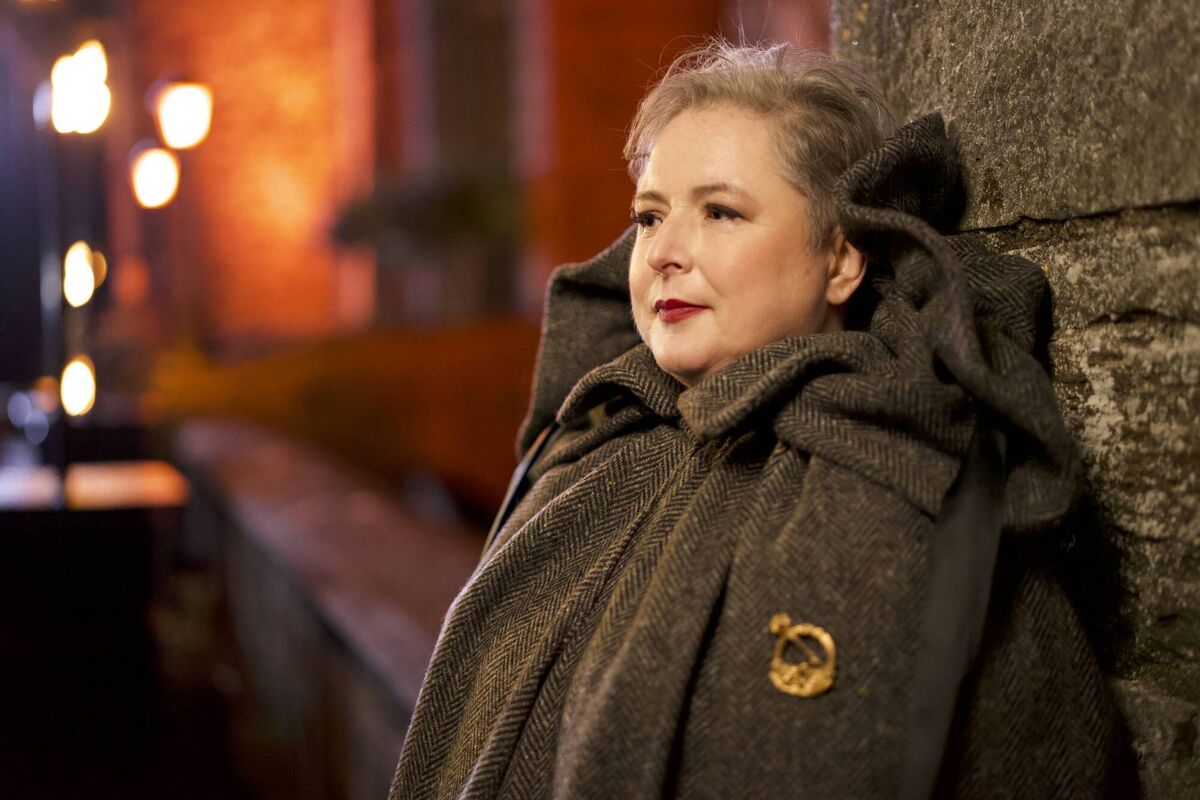
As part of my duty of care, I had to keep an eye on what was being said about the players online. Some of it was hilarious, while some of it was just downright nasty. I was surprised by it.
I have been writing publicly for many years, and I have received my share of unflattering comments. But I was worried about people who haven’t been exposed to that type of scrutiny before, and now all of a sudden are subjected to awful comments.
To be the source of derision out of nowhere can be quite unsettling. Especially when people start to jump on the bandwagon, that is, jumping on other people’s hurtful comments to back them up and support them.
It can be very unnerving to experience that. It can feel like a tsunami of hate. So, I spoke with the players in question and asked them how they were dealing with it all.
After the initial shock, they started to process what was being said and ultimately learned how to not let it impact them adversely. But it did make me stop and think about social media and Ireland right now. We seem to be more intolerant than ever.
There seems to be a lot of anger out there. Most of it is directed at our elected officials, but some of it is hurled at anyone who opposes a held point of view. Online spaces have become even more toxic.
But there are people at the other end of those comments. There are parents and children of those people.
I often reflect on that and wonder, what is it that drives someone to launch such vicious comments about someone they don’t even know? I don’t even think I’d ever think of saying something that vile about someone who actually wronged me.
So, what is going on with people who say those types of things? Is it what Bob Geldof alluded to on the Brendan O’Connor show last Saturday about the resentful bitterness of Irish people in the ’70s and ’80s?
Are we still that bitter and mean-spirited that we can’t enjoy the success of someone else? I would have thought we had moved from that begrudging perspective.
The more you can enjoy someone doing well, the more joy you have in life. Or could it be that someone who does attack strangers with such vitriol is so deeply unhappy with how their life is going that they can’t handle when someone is doing well and should be pitied?
If you feel powerless in life, maybe lashing out at someone behind your keyboard makes you feel powerful. I don’t know, but it was a very strange aspect to this wonderful TV programme.
CONNECT WITH US TODAY



Be the first to know the latest news and updates