Fast fashion is over: it's time for sustainable Irish designers
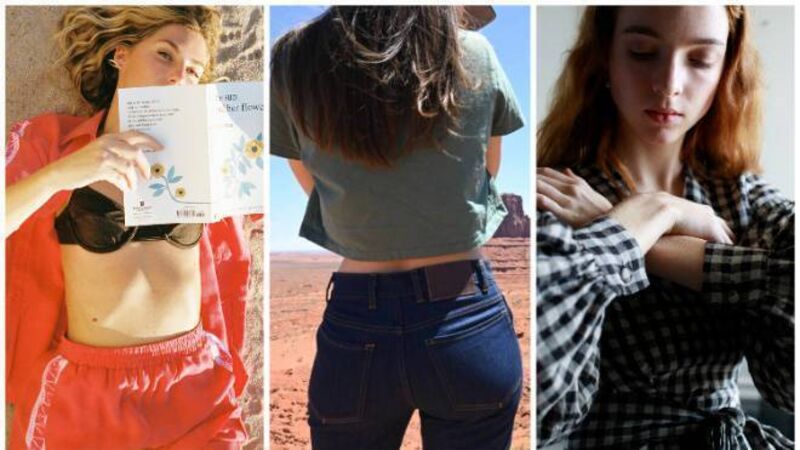
Paul McLauchlan suggests these ‘green-aware’ Irish designers to invest in now
Fast fashion is over: it's time for sustainable Irish designers

A selection of sustainable Irish design

Sustainability is on shoppers’ minds like never before. Finding eco-conscious alternatives to disposable fast fashion and poor-quality luxury items is as crucial as finding something to suit your style. More and more, Irish designers are becoming the people we turn to for these conscious choices as themes of circularity, upcycling, and local sourcing bubble to the fore.

At the Council of Irish Fashion Designers, all 56 members, such as FéRí, Leonora Ferguson, and Nicki Hoyne, have signed up to a sustainability charter which requires brands to agree to respect EU targets to reduce greenhouse gas, produce limited production runs, and work towards a zero-waste business model.

On the runways, designers like Richard Malone and Robyn Lynch are industry pioneers.

Malone’s transparency about his fabrics (recycled stretch, local wool, regenerative nylon, and ocean plastics woven into fabric) to dyes (everything is organic), and upcycling (his practice is zero-waste — discarded scraps are used in future collections) remains a breath of fresh air.

Meanwhile, Lynch, who routinely uses natural and compostable fibres as well as sportswear deadstock from global brands, was recently nominated for the Woolmark Prize, an award that challenges designers to incorporate sustainably sourced merino wool into their collections.

CLIMATE & SUSTAINABILITY HUB

Ireland’s stance

Broadly, Ireland is one of the founding members of the European Fashion Alliance, working with 28 other fashion councils across 25 countries to create a sustainable ecosystem for European fashion. The goals of the alliance include achieving carbon neutrality, environmentally sustainable, non-toxic and completely circular textile industry, in addition to raising awareness about the importance of positive change amongst fashion designers, producers, and consumers alike.
Irish retail consultant and chairperson of the Council of Irish Fashion Designers Edmund Shanahan said: “Irish designers realise that fashion needs to make a responsible contribution to climate action, that consumer sentiment is changing towards ‘green aware’ labels, and forthcoming regulations for fashion and textiles will make it compulsory for the industry to embrace sustainable, circular processes.”

Now customers have a choice to update their wardrobes with guilt-free, ethical buys that won’t harm the environment as much. Here are three sustainable Irish fashion brands to know.

Imara Earth designs
Imara Earth designs

Imara Earth’s mindful approach

Amy Condell, founder and creative director of Imara Earth, named her latest collection ‘Lamu’, after a whimsical coastal town in Kenya, where she spent much of her childhood. Born in Donegal to missionary parents, Condell spent much of her younger years living in Kenya where she attended a British boarding school before returning to a Dublin boarding school in her teenage years.

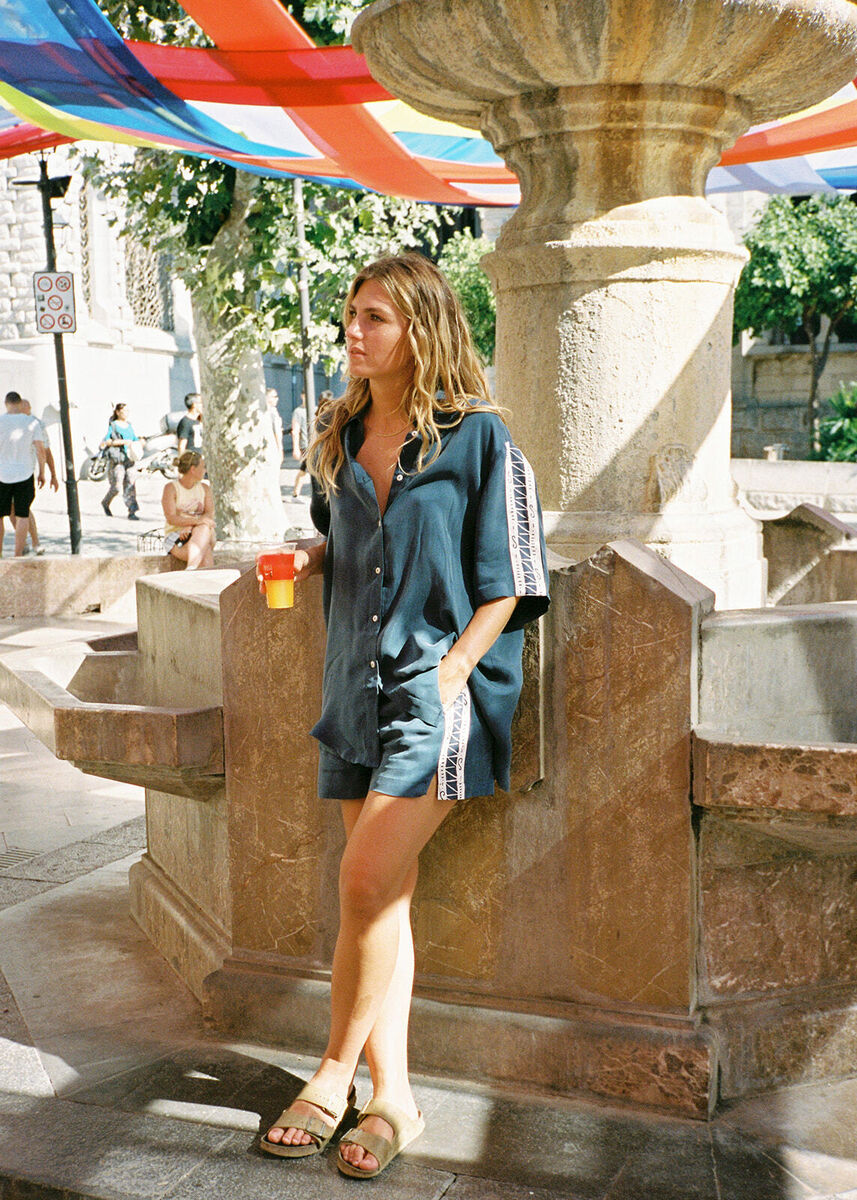
The utterly relaxed separates that define the new collection, like linen shorts and shirts, suitable for “balmy European summer evenings, sipping spicy margaritas at a beach club”, complement her quirky initial offerings — a hybridised bucket hat-cum-bag and a blouse that easily transforms into a dress. The multi-functional pieces are designed by Condell and produced by a seamstress in Galway. Recently, she launched a Global Organic Textile Standard-certified organic cotton tee.

“I really want [Imara Earth] to be the best that it could be for the environment. I did a lot of research to ensure that I was doing things in the most sustainable way possible,” Condell said.

The sustainability slant to Imara Earth was born out of her time studying textiles and print design at the University of Ulster in Belfast. Around the same time, she learned about the realities of fast fashion and its perilous impacts on the environment. Now, with every collection, Condell takes into consideration the environmental impact of her designs. Working with Irish fabrics, Condell takes things a step further with buttons made from caruso nuts, fusibles for shirt collars made from recycled plastics, and uses recyclable packaging. Beyond that, for every item that she makes, a tree is planted on her family farm in Donegal.

“I never looked at the unsustainable ways of doing things. I could probably grow things a lot faster if I did and, financially, I would be doing better because I can make a higher profit. But I don’t aspire to be a huge company with everybody wearing my stuff because it takes away from it being special and something that not everybody has.”

Condell is now based in Tramore, Co Waterford, where she lives with her partner but will soon move to Dublin, placing her at the heart of Irish design. The next chapter of Imara is set to be an exciting one.

The linen work of Jennifer Slattery

Jennifer Slattery’s everyday heirlooms

When Jennifer Slattery started a business based on Irish linen over a decade ago, she sourced her fabric from an Irish supplier that was selling to some of the biggest fashion houses in the world but they didn’t even have a website. A graduate of the National College of Art & Design, where she specialised in embroidered textiles, she peddles handcrafted table linen proudly made from Irish fabrics.

What distinguished Slattery’s project from others in the market is that Emblem Weavers, the Wexford-based supplier and manufacturer she was working with, counted her as one of the only Irish design clients at the time. “This was 12 years ago and they didn’t really have any Irish designers using their linen,” she said.

To this day, Irish linen and lambswool are at the crux of her operation. (Many others have chased a similar gambit.) If one is ensconced in her shop on Benburb Street in Dublin’s Smithfield, one can find mid-weight washed linen blouses with voluminous sleeves and decorative frills and longline linen shirt dresses with a homespun feel alongside beautifully handcrafted tableware.

From flax to the final product, Slattery asserts that she can vouch for every aspect of the production process. Although she acknowledges it is a difficult process to entirely source and produce in Ireland given the costly nature, she takes pride in the quality of linen and centuries of craftsmanship found in the country.

Despite being in business for 12 years, Slattery has only counted clothing as a core part of her operation in the last year. However, the process began eight years ago when she started sampling clothing, reworking vintage clothing, and adjusting existing patterns. She started with some pre-orders and small-batch releases and was pleased with the positive response. This year, she plans on adding more skirts, trousers, and day dresses to her roster of products.

“I want these pieces to be relevant in 20, 30, or 40 years’ time; they’re not about following trends but about being flattering and gorgeous to wear for a long time,” she said.

Native Jeans
Native Jeans

Native Denim goes back to Ireland’s craft roots

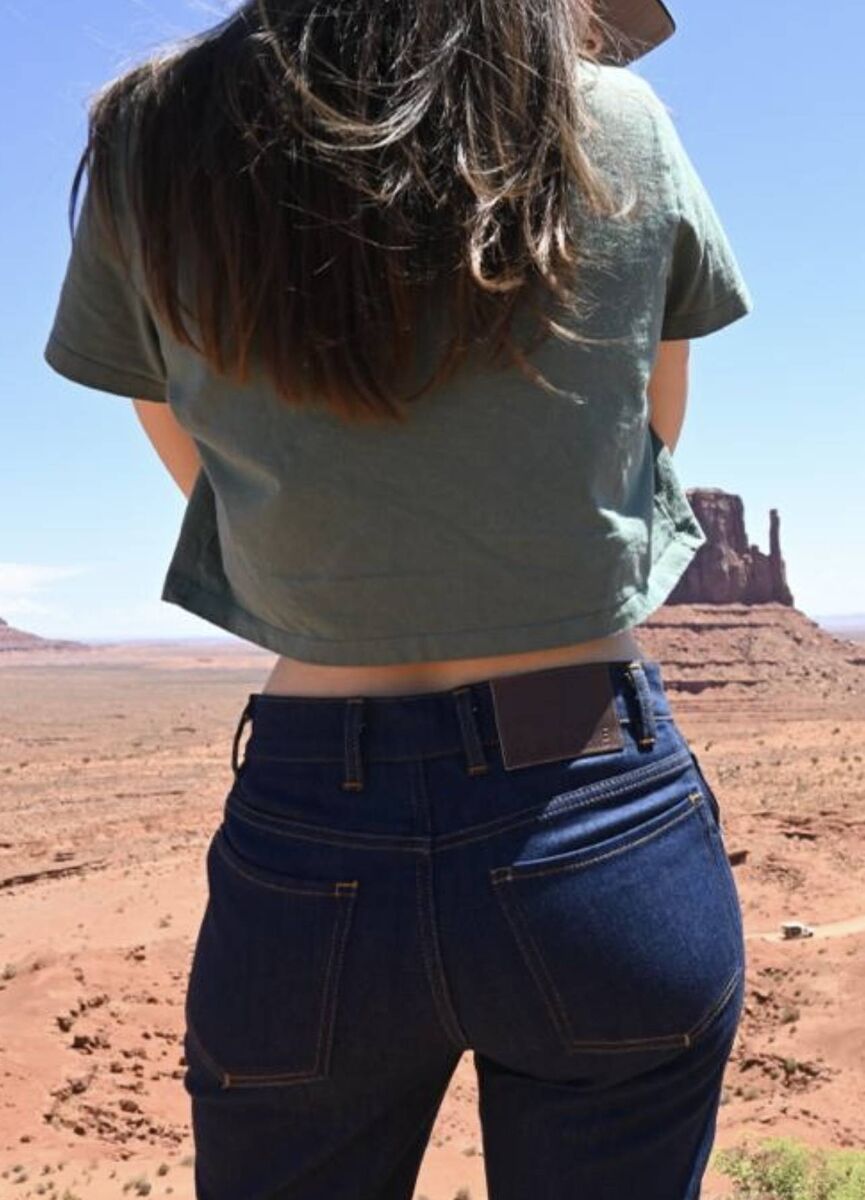
It’s easier to conceive of an Irish brand based on linen, wool, and other natural fibres than it is to imagine one in denim. In 2018, that started to change with the arrival of Native Denim, a handmade denim label in Dublin from Susan Owens, David Murnane, Stephen Kavanagh, and Pat O Brosnacháin.

Together, the cohort, which is comprised of textile experts, graphic designers, and restauranteurs, embarked on a mission to bring denim into the Irish craftsmanship fold.

With the bulk of denim manufacturing taking place overseas in Africa, the Middle East, and Asia, the quarter sought to bring things home with a brand whose final product is cut, made, and finished in their Dublin studio at the Chocolate Factory off Parnell Street.

“Fast fashion is a race to the bottom,” Owens told The Irish Times in 2020. “We are the complete opposite. We have gone back to the way jeans were meant to be made.”

In addition to championing local manufacturing, they source their denim from leading sustainable mills in Italy, Turkey, Japan, and the US, as it is not possible to do so in Ireland. Each of the mills that they work conform to the Better Cotton Initiative and Global Organic Textile Standard, have minimal water usage, and are considered circular manufacturers.

Their Italian weaver partner is proudly the first fully bio-degradable stretch denim which will compost in six months.

Native Denim styles vary from entry-level, off-the-peg jeans to selvedge denim with which customers can customise fabrics, threads, and rivets; and a made-to-measure rare selvedge and moleskin-style that are custom made to the customer’s liking.

With decades of experience in the industry between the team, it’s hard not to trust Native.

More in this section