International Criminal Court condemns sanctions by Trump administration, pledges to continue its work
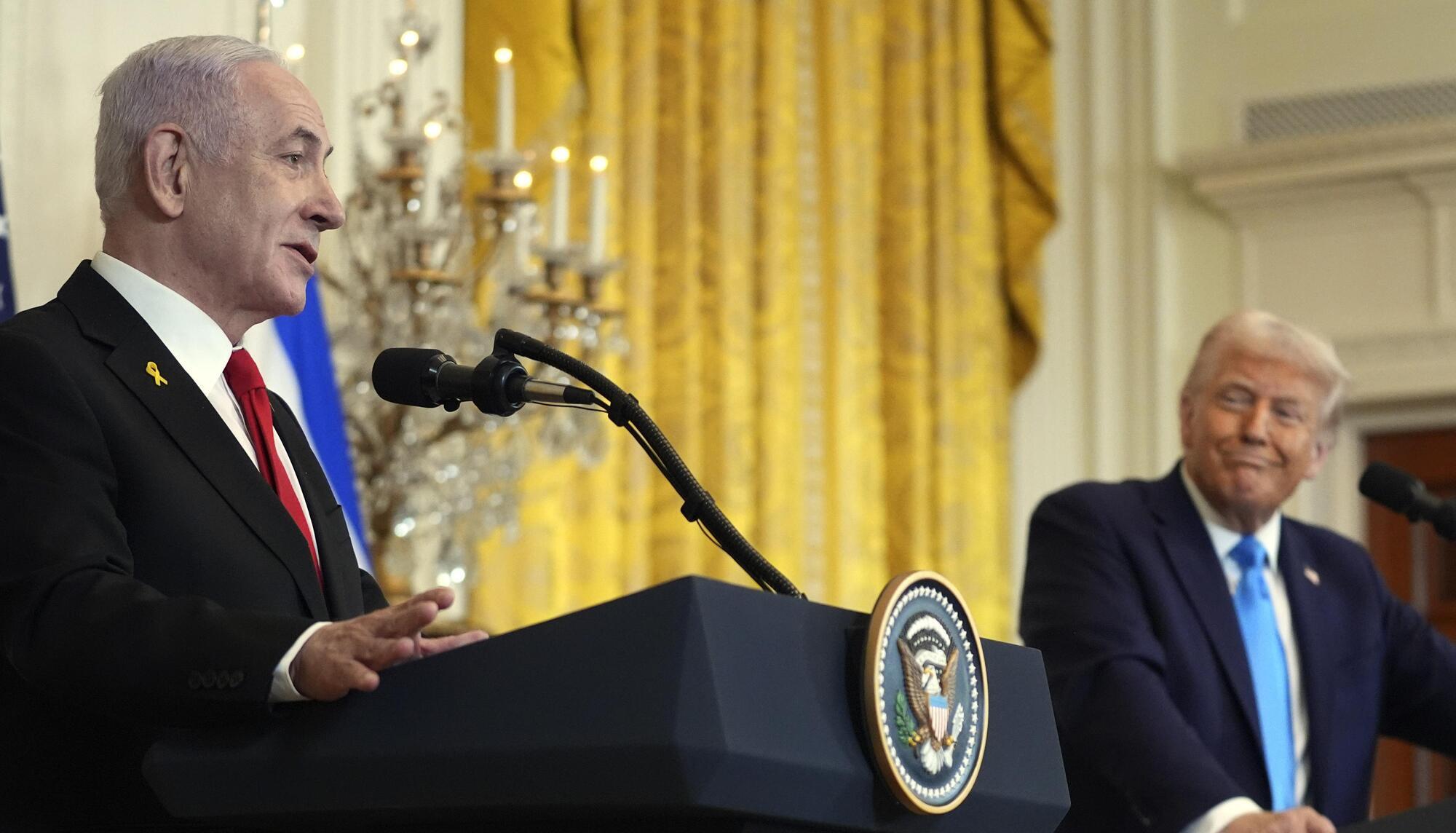
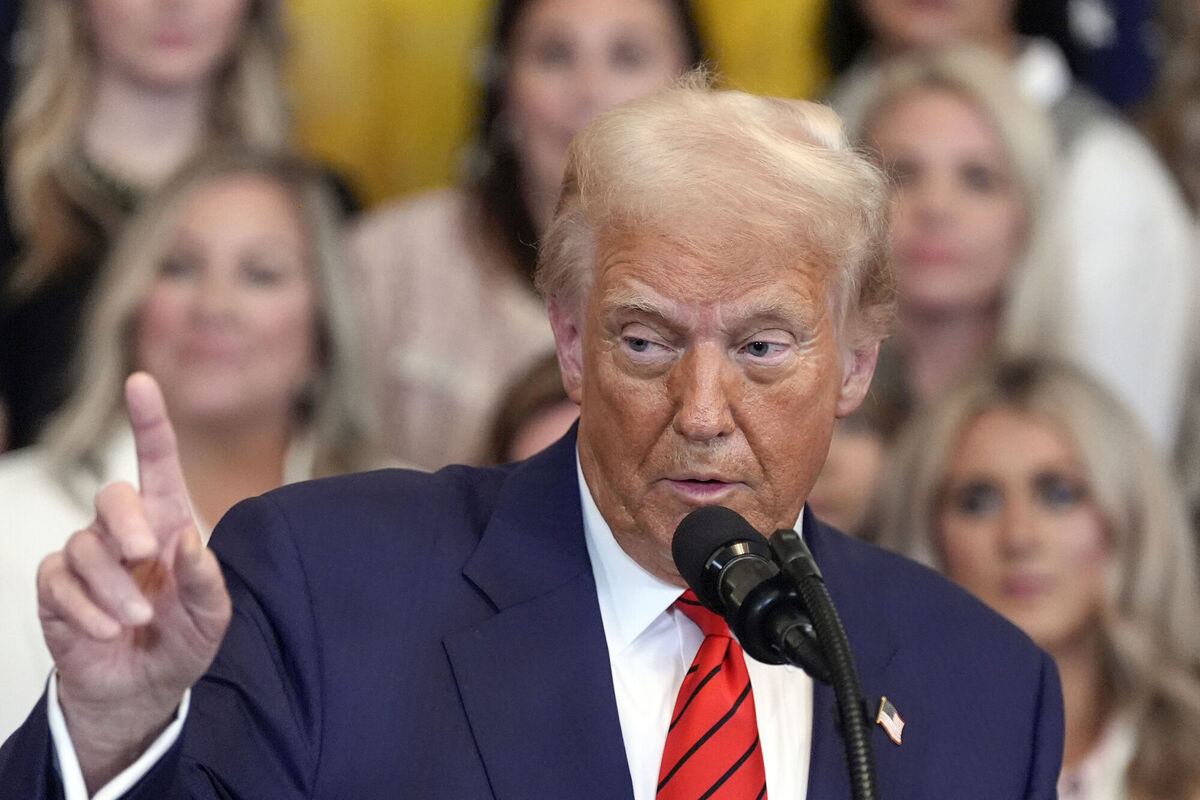
Neither the US nor Israel is a member of or recognises the court, which has issued an arrest warrant for Israeli Prime Minister Benjamin Netanyahu for alleged war crimes for his military response in Gaza after the October 7 attacks in 2023. Picture: AP Photo/Evan Vucci
The International Criminal Court has called on its member states to stand up against sanctions imposed by US President Donald Trump, saying the move was an attempt to “harm its independent and impartial judicial work”.
The White House issued the executive order on Thursday in response to what it called “illegitimate and baseless actions targeting America and our close ally Israel”.
It was referring to the arrest warrant the ICC issued last year for Israeli Prime Minister Benjamin Netanyahu over alleged war crimes in Gaza.
The Hague-based court said it “condemns” the move.
“The court stands firmly by its personnel and pledges to continue providing justice and hope to millions of innocent victims of atrocities across the world,” the court said in a statement.
Mr Trump had signed an executive order to impose sanctions on the International Criminal Court following The Hague’s investigations into Israel during its war with Hamas.
Neither the US nor Israel is a member of or recognises the court, which has issued an arrest warrant for Israeli Prime Minister Benjamin Netanyahu for alleged war crimes for his military response in Gaza after the October 7 attacks in 2023.
According to the United Nations Office for the Co-ordination of Humanitarian Affairs on February 4, 47,540 Palestinians were killed in the Israeli military response since the October 7 attacks and a further 111,618 people were left injured.
Israel reports more than 1,200 fatalities and 5,400 injured for the same time period.
The order signed by Mr Trump accuses the ICC of engaging in “illegitimate and baseless actions targeting America and our close ally Israel” and of abusing its power by issuing “baseless arrest warrants” against Mr Netanyahu and his former defence minister, Yoav Gallant.
“The ICC has no jurisdiction over the United States or Israel,” the order states, adding that the court had set a “dangerous precedent” with its actions against both countries.
The order says the US will impose “tangible and significant consequences” on those responsible for the ICC’s “transgressions.” Actions may include blocking property and assets and not allowing ICC officials, employees and relatives to enter the United States.
The Treasury and State Department will determine which people and organisations will be sanctioned.
Human rights groups have criticised the decision.
“US sanctions against ICC officials would be a gift to those around the globe responsible for mass atrocities. Sanctions are for human rights violators, not those working to hold rights abusers to account,” Liz Evenson, international justice director at Human Rights Watch, said in a statement.
“Trump’s executive order borrows a page out of Russia’s playbook, which has sought to obstruct the court’s work through arrest warrants against its judges and prosecutor,” Ms Evenson said.
Court officials had been preparing for sanctions for months. In January, the court gave staff a three-month advance on their salaries, two court insiders told on condition of anonymity because they were not authorised to speak to the media.
At least two senior staff members at the court have resigned since Mr Trump was elected in an effort to avoid sanctions.
The Netherlands, which hosts the court, has also condemned Mr Trump’s order.
“The Netherlands regrets the executive order imposing sanctions on the ICC. The court’s work is essential in the fight against impunity,” the country’s minister of foreign affairs, Caspar Veldkamp, said in a statement.
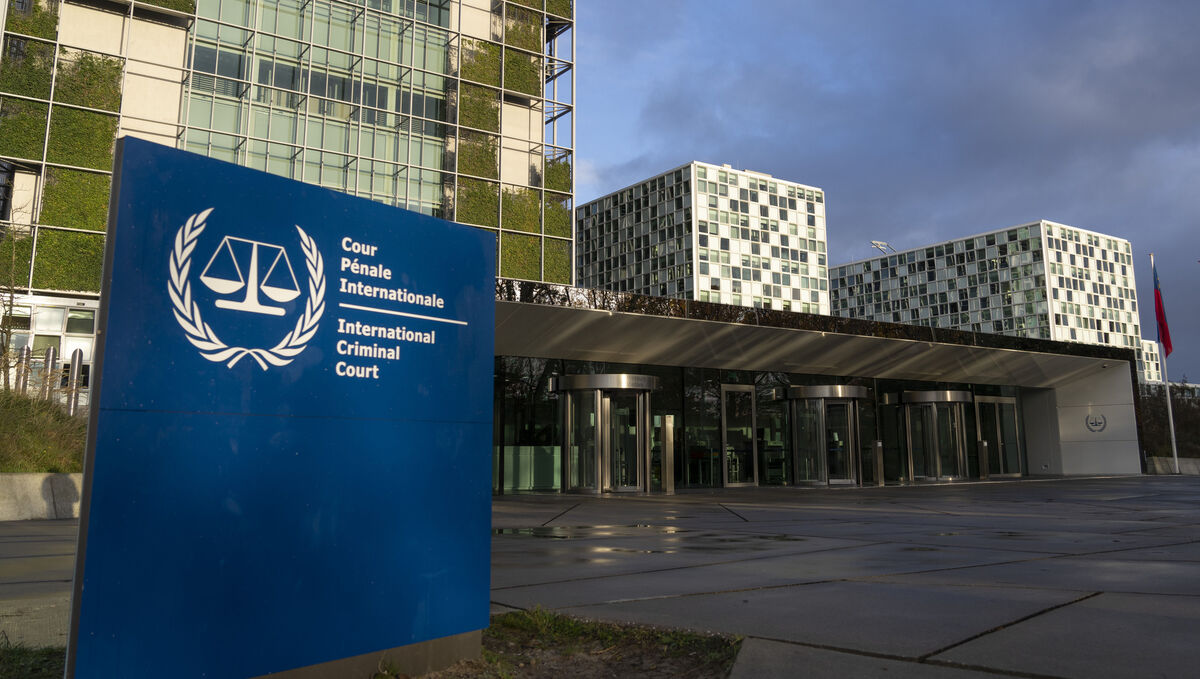
People in the Dutch government say the Netherlands has been trying to assist the court in shielding itself from the fallout.
Groups who work with the court have also expressed concern over the scope of the sanctions.
“We just have put every project on hold, because we don’t know what the sanctions will mean,” the head of one advocacy group told on the condition of anonymity. Another said they were moving money out of US-based bank accounts as a precaution.
It is the second time Mr Trump has gone after the court.
During his previous term in office, he imposed sanctions on former prosecutor Fatou Bensouda and one of her deputies over her investigation into crimes committed in Afghanistan.
President Joe Biden lifted the sanctions when he took office in 2021.
Mr Trump’s action came during a visit by Mr Netanyahu to Washington.
He and Mr Trump held talks on Tuesday at the White House, and Mr Netanyahu spent some of Thursday meeting with politicians on Capitol Hill.
Human rights activists said sanctioning court officials would have a chilling effect and run counter to US interests in other conflict zones where the court is investigating.
American Civil Liberties Union’s National Security Project lawyer Charlie Hogle said of the order signed by the US President: “Victims of human rights abuses around the world turn to the International Criminal Court when they have nowhere else to go, and President Trump’s executive order will make it harder for them to find justice.
Mr Hogle added the order “is an attack on both accountability and free speech.”
Washington director of Human Rights Watch Sarah Yager added: “You can disagree with the court and the way it operates, but this is beyond the pale.”
Like Israel, the US is not among the court’s 124 members and has long harboured suspicions that a “global court” of unelected judges could arbitrarily prosecute US officials.
CONNECT WITH US TODAY



Be the first to know the latest news and updates