Munster chief Ian Flanagan: 'I'm sorry. This situation won't arise again on my watch'
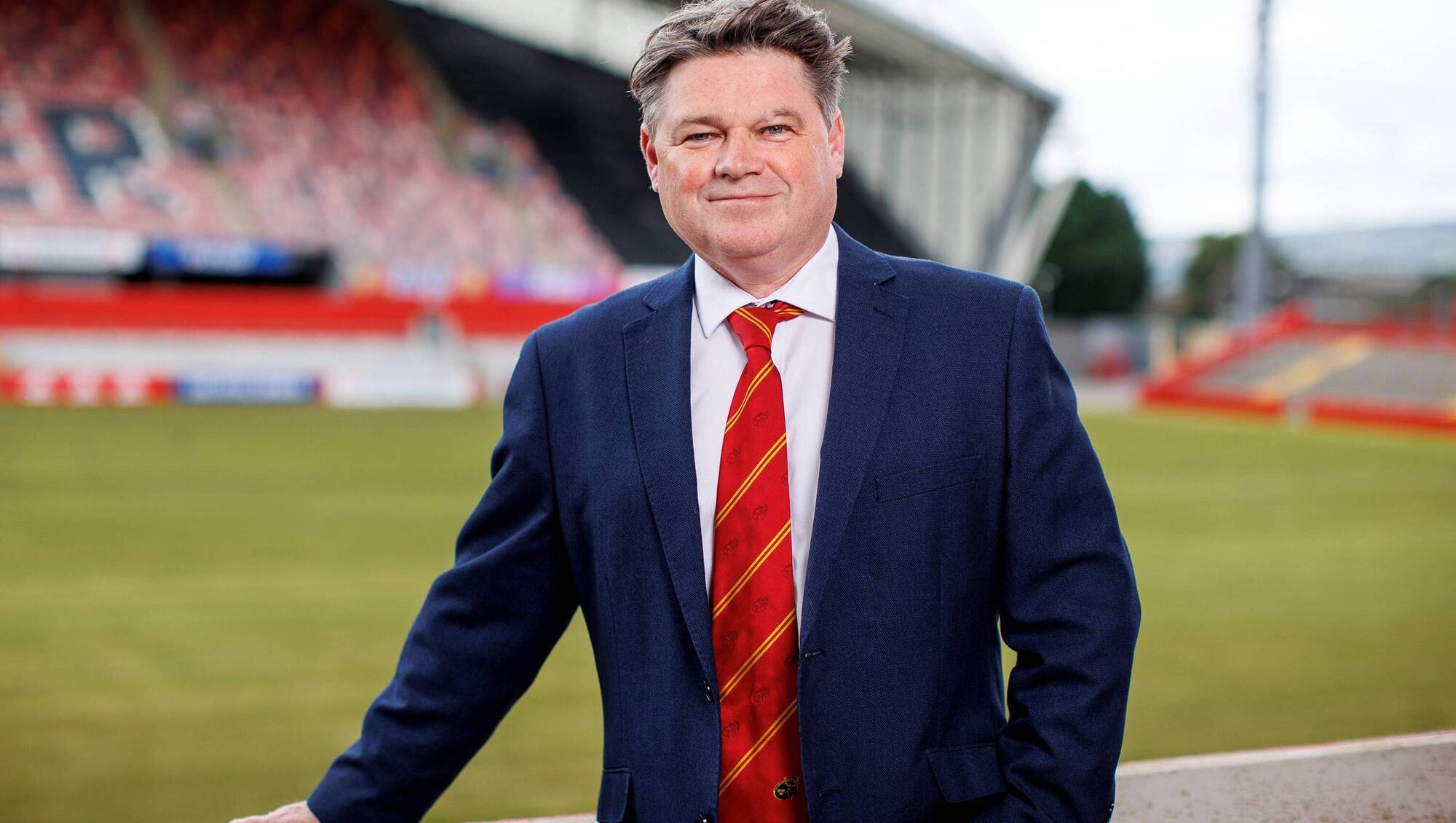
FRONTING UP: Munster CEO Ian Flanagan. Picture: INPHO/Ryan Byrne
An apology to supporters, an acceptance mistakes were made in the attempt to hire Roger Randle, and a promise to restore faith in Munster Rugby.
Speaking for the first time since his organisation was plunged into controversy and a public outcry over its now abandoned appointment of Randle as attack coach, chief executive Ian Flanagan has told the he took full responsibility for the failed processes which have led Munster Rugby to commission an independent governance and organisational review.
Announced on May 12 and to be carried out by the Governance Company, the review will assess the organisation’s governance, leadership, culture and communications structures before providing recommendations back to the Munster Rugby Board, with those findings to be shared with the IRFU.
Yet Flanagan said he did not need an external review to recognise the communication breakdown within his organisation surrounding Roger Randle's aborted appointment. Those mistakes led to growing unease, both inside and outside Munster Rugby, which followed the resurfacing of historic rape allegations against their preferred candidate when he was a Super Rugby player on tour in South Africa in 1997.
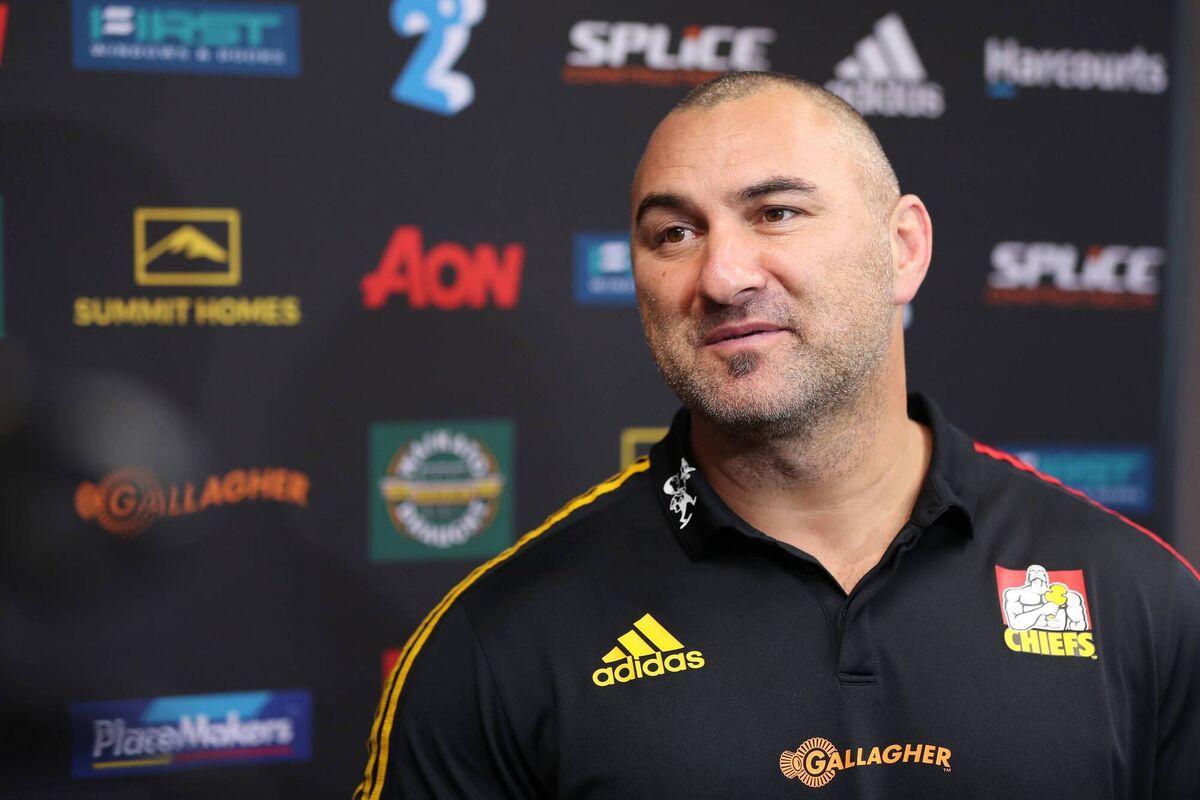
The former New Zealand international wing has consistently protested his innocence against the claims, which did not lead to a prosecution. Randle has since forged a successful coaching career, currently with the Chiefs, but he will not be rejoining former boss Clayton McMillan at Munster.
Read More
For Flanagan’s part, the CEO maintained due diligence into Randle was thorough but that the scale of negativity it provoked had been unexpected. That included the resignation of three independent members – former players Billy Holland, Killian Keane and Mick O’Driscoll — from Munster Rugby’s Professional Games Committee and the loss of volunteer members of its informal Commercial Advisory Group.
In a wide-ranging interview, the second part of which will be published Monday, Flanagan insisted the mutually agreed decision to cancel Randle’s contract before it had begun would mean no financial impact for Munster Rugby but agreed one his main tasks ahead was to restore reputational damage at one of the most recognised brands in global club rugby as well as regaining the trust of supporters.
“I understand that. I accept it. I acknowledge it,” Flanagan said. “And I wouldn't necessarily say it's just supporters. We have a lot of stakeholders and I know there's disappointment out there from a lot of people. “I know there is upset out there and this is a significant motivation for commissioning the independent review that we want to assure people.
“Firstly, I want to apologise to those people for how it did unfold and hold our hands up and say, we want to learn from this. We do want to re-establish trust. We do want to go about building trust and we want to reassure everyone that we are going to learn from this and we are going to strengthen our processes and our governance so that it doesn't happen again.”
Asked if there were regrets about the way he handled the Randle appointment as the chief executive, Flanagan said: “I think it's very clear that it's been a very challenging and difficult time for the club. As CEO I take full responsibility for the decisions made by the organisation. So the buck stops with me.
“This review, it was a very dynamic situation with people involved and human beings at the centre of it and I'm really keen to be seeing the findings and hearing the recommendations of the review when they come. Because it's really important for us as an organisation that we can stand over it and that we can act on the findings and that we can really improve our processes around this, because put simply, they didn't work as well as they were supposed to work. I think that's clear to see.”
It was put to the Munster CEO that for all the due diligence undertaken into Randle’s character and coaching ability, there could have been more care taken to gauge public sentiment in the province.
“We were prepared for there to be negative reaction, obviously. We were aware of the 1997 allegation. It formed part of the due diligence. A significant amount of due diligence was undertaken. The key people involved in that would have been the general manager (Ian Costello), chair of the Professional Game (Committee, John Hartery) the head coach (McMillan) and so on.
“We would have followed exactly the same due diligence process that we would always conduct when we're bringing people into Munster and into the country from overseas. There would have been extensive contact and dialogue with people who knew the individual well and bear in mind, we had two people within the building (McMillan and team manager Martyn Vercoe) who had worked with him for over a decade.
“We would have spoken to people who had worked closely with him, knew him personally, testified as to his character, in Ireland, in New Zealand. So there was extensive dialogue and extensive feedback was sought. And the feedback was incredibly strong in terms of his ability, his character, his professionalism.
“And as I said, we were prepared for there to be negativity. I think it's fair to say that the scale of the negativity probably took us by surprise. And again, that led to what was a fluid situation and a dynamic situation.
“And post-announcement, we continued to have discussions with Roger and with his family. And as the days went on, it became clear to all of us that it wasn't going to be tenable on a human level.
“We believed we were bringing an incredibly strong coach into our system who would really help the team. And that was a view expressed by the pro game side of the house, by Clayton, who knows him very well, that he was the outstanding candidate.
“But we're very mindful of our role, very mindful of our positions. And we listen, we listen to comment. We listen to the feedback. But the main criteria was just continuing to talk to Roger as the situation unfolded and as the environment around this, and the commentary around this continued.
“And we reached an understanding over a relatively short period of time post-announcement that this just wasn't going to work, on a human level for him personally, for his family, for us, it was just going to be untenable. So that was where we reached our understanding not to go ahead.”
As to a potential payout to Randle, the CEO added: “We never obviously talk publicly about HR and contractual issues but it's had no impact on Munster Rugby financially.”
Flanagan vowed both he and Munster Rugby would learn from recent mistakes and be better going forward.
“Let me be clear, I've got broad shoulders. My main focus now is with leading the organisation, that we respond properly to this, that we support our people. And that we focus on the future and learning from this but being better going forward because that's the only way we can demonstrate that we've learned, we've understood, we've held our hands up. And I have. As CEO, I take responsibility for the decisions of the organisation.
“We absolutely can improve our governance, we can improve our internal communications, the dialogue between committees and staff, risk assessment, all that stuff. We need to manage appointments around the pro game better. That is a clear thing.
“We already have discussed areas. I'm of the view that the PGC needs a reset anyway. And I'm really looking forward to seeing what the review says about that, so that it can most effectively support the board, the organisation, in terms of the engagement and oversight around the pro game.
“And we want to support Clayton and his coaching team. We want to give ourselves the best chance of winning on the pitch. We want people to be proud of the team they support.
“So the key takeaways for me are this has been a really challenging time. It's been difficult for so many of our stakeholders. And I fully understand that, understand the disappointment, the frustration. Understand that people were saying, ‘Jesus, tell us things, tell us things sooner’.
“Obviously, you'll understand there were legal, there were governance pieces, which meant we couldn't necessarily say a lot. We couldn't say stuff earlier. Equally, our staff, our main constituency, our first port of call when we were able to say something concrete was to speak to staff.
“I did that at Thomond Park recently. Showing that we were learning. Showing that we were willing to learn. Commissioning the independent external review and how that will operate. That's an important first step.
“We're holding hands up. We want someone else to shine a spotlight on us. We want to learn. We want to know where our processes didn't work effectively. Where the system broke down, effectively. And we want to ensure that it doesn't happen again. So those building blocks needed to be done first.
“I fully understand that we need to front up as the management, leading the organisation. And speak to people. And we're doing so now and we'll continue to do so. We've kept all of our partners and stakeholder groups engaged. So the main thing for me is how we respond. That's what my focus is on. It's what we've learned. How we respond.
"We have an awful lot of people. We need to support our people. It's been really tough for volunteers and staff. All the Munster Board members are volunteers. They've been in the spotlight on this. They've done Trojan work.
“All of our staff members have lived through an incredibly challenging six or seven weeks as well. And I fully appreciate that. So we need to support them. And we need then to focus on what comes next to show we've learned.
“And to show that we'll be in a better position next year. But also that this situation won't arise again on my watch. So that's probably the main learning.
“It's how we learn. How we respond. How we bring people with us. And how we improve.”
CONNECT WITH US TODAY



Be the first to know the latest news and updates