Keith Higgins' Mayo All-Ireland diary: inside the fearless plan that stunned Kerry
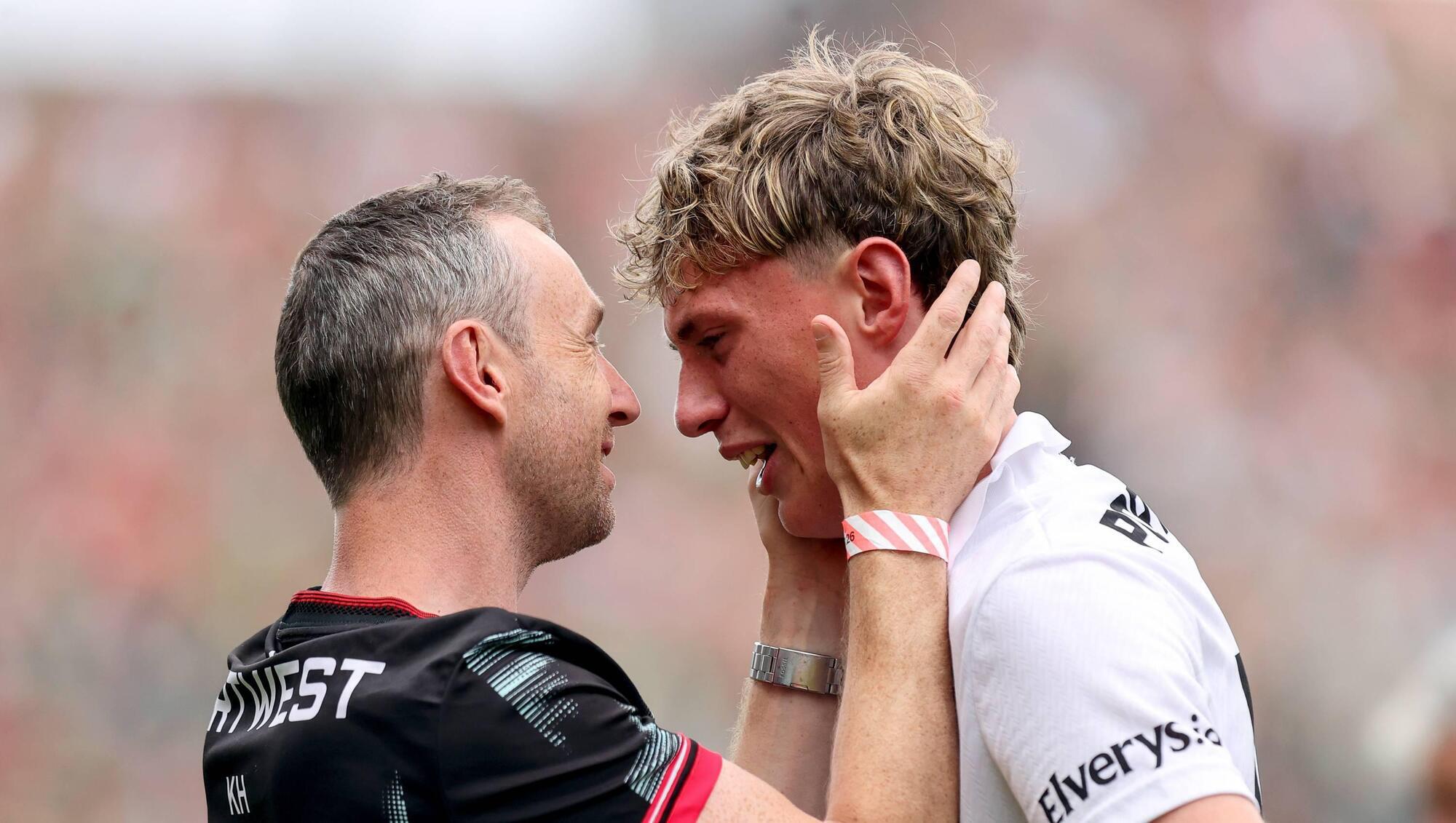
For everyone else from Mayo on this earth, and not on this earth, we did it. Pic: INPHO/Ryan Byrne
From the decision to put Eoin McGreal on Paudie Clifford, to the call to Oisín Mullin, the half-time messages, Coppers until 5.30am, and remembering his brother Pierce — it's all here.
As soon as Seán O’Shea’s late two-point attempt for an equaliser dropped short, Paddy Tally turned to me in the coaches box and told me to go. Get down there for the final whistle. Nirvana is upon you, and everybody else from Mayo. Soak up the euphoria. Drink it in. Every last drop.
I picked up my notebook and took off. The most direct route is down through the aisle of the Hogan Stand but I felt the elevator would offer less obstacles in the chaos of that moment. So I ran across the concourse with some of the stats lads and started pressing buttons.
Wrong call. The lift was delayed. The attendant started pressing even harder. Eventually the elevator arrived but before the doors closed, the Kerry stats team arrived in. Then a few more supporters jumped into the lift. As the attendant kept holding the doors open, JP McManus suddenly landed in.
In my own mind I was thinking, ‘Just get me the hell down there. Quick.’ The elevator only descended to level 1. Some fella decided to have a chat with JP, reminding him of how he had golfed with him years back. I was nearly waiting for your man to start asking JP about his horses in Martinstown. ‘Please,’ I was thinking. ‘Just please.’ The lift finally moved and arrived at -1. By the time I bolted out the door, I was in the horrors. The final whistle had already blown but I wasn’t sure if Mayo had actually won, or if Kerry had turned over the counter-attack and nailed a two-pointer to equalise. Could they have even got a goal to win the match? Knowing our luck in All-Ireland finals, I couldn’t be sure.
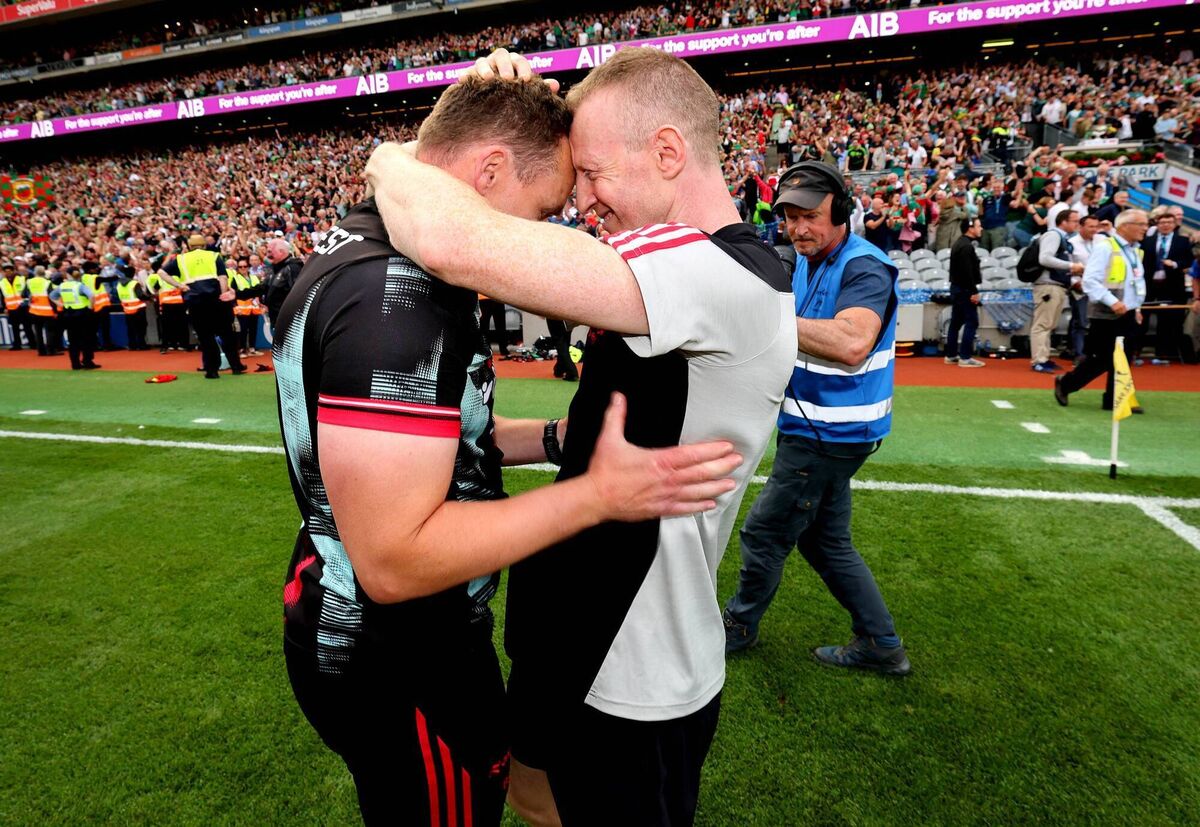
Racing out the tunnel and into a wall of red and green noise and an orb of elation finally put my mind at ease. Thank you God. We had finally done it.
Read More
Considering how long we have all been waiting for this glorious and magical moment to finally arrive, being a few seconds late to the greatest party imaginable was more than worth it.
Now that we were suddenly here, it felt apt that the first person I did meet was Andy Moran. The embrace felt like a dissolution of all the pain and hurt we had shared on that field together on that stage far too often.
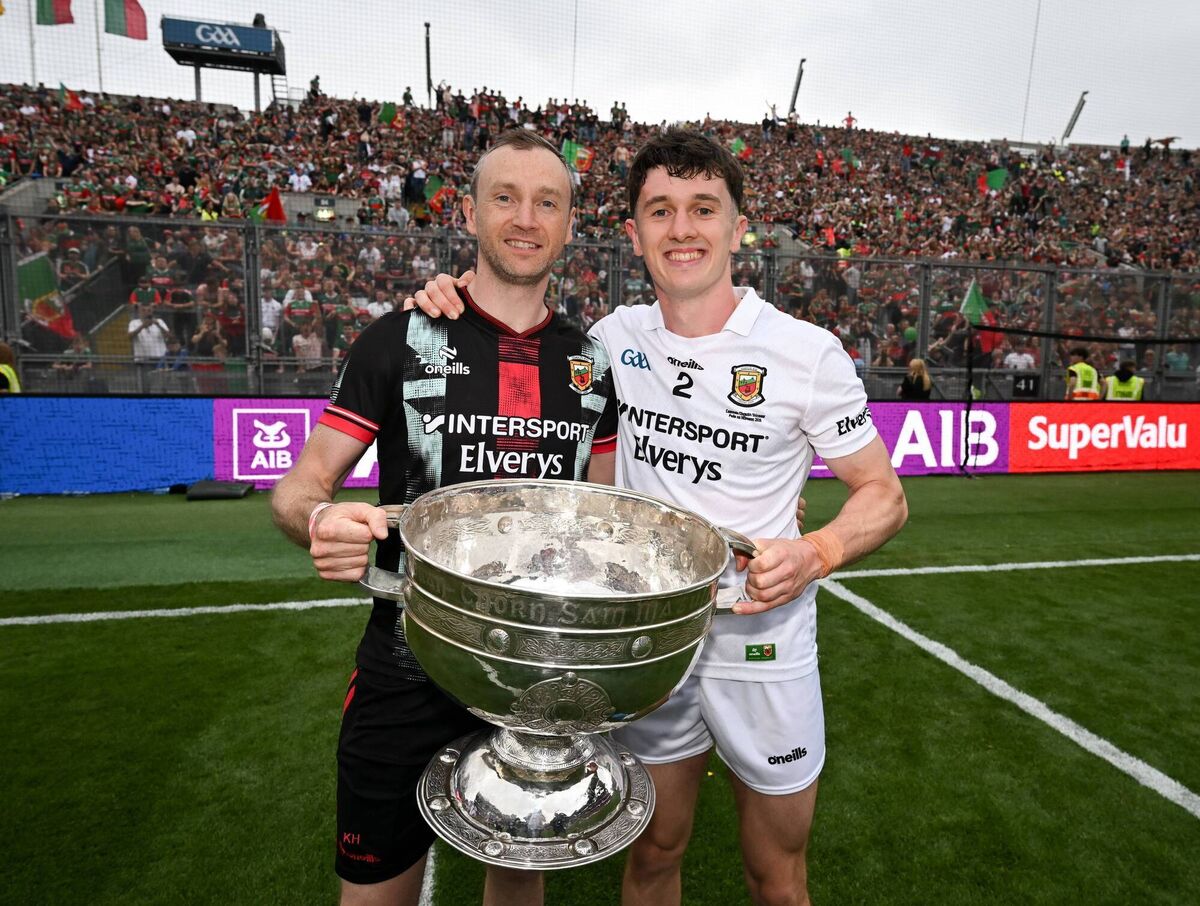
It took me a few minutes to find my clubmate and team-captain Jack Coyne. When Jack first joined the panel, I used to bring him to training. He has known me and my family from since he was a young child. Jack was wearing his usual wristband in the black and red colours of Ballyhaunis.
Across it was the name ‘Pierce’, my older brother, and only sibling, who passed away in 2023.
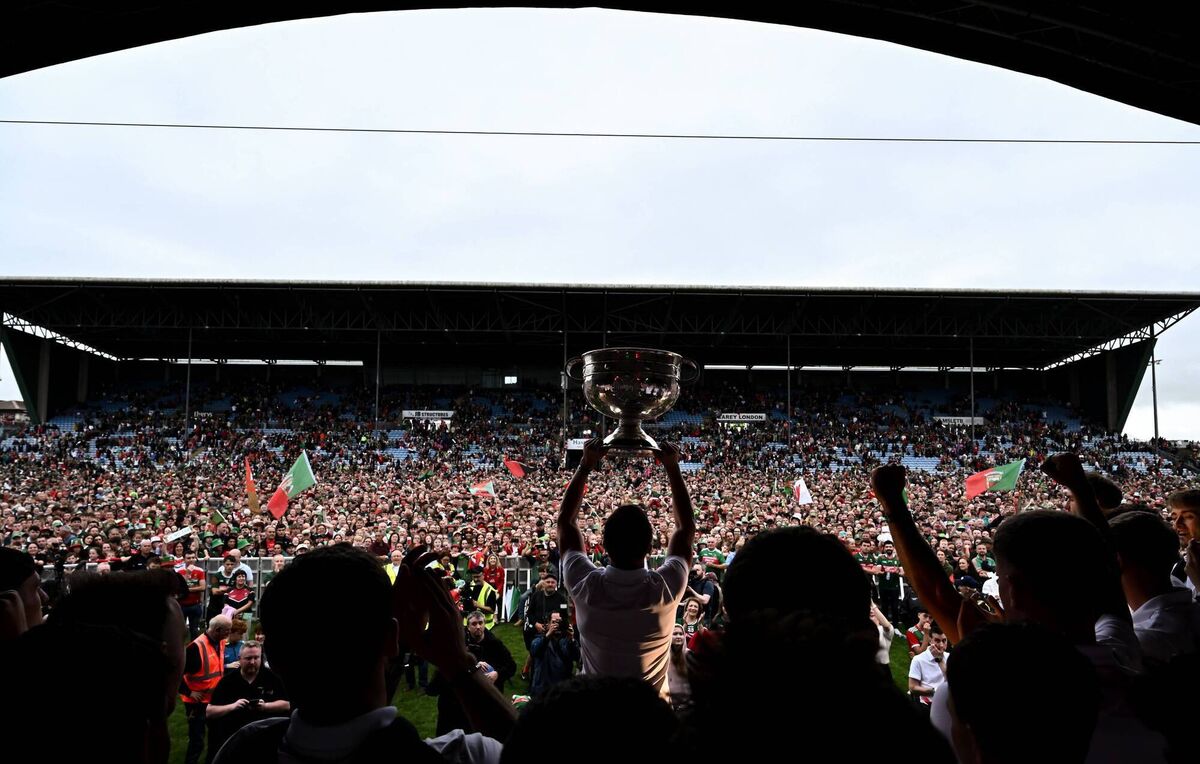
As Jack finally raised the Sam Maguire to the sky, pointing it towards the heavens, I looked up and said thanks to Pierce.
We finally did it. For my brother. For everyone else here from Mayo on this earth, and not on this earth.
Finally.
Andy and Boyler (Colm Boyle) stayed up in Dublin after we beat Louth two days earlier before taking in the Dublin-Kerry semi-final the following day. They weren’t just lounging around before that match either as they did some recon work and logistical planning around the hotels the night before and of the match.
We always had a Zoom call on the Monday night after a match with the backroom and medical team, before the management stay on the call to discuss what happened during the match, and what we need to do to make sure that we’re even better again the next day out.
As soon as the medical team dropped off the call, Andy set out his stall. We were going after Kerry. No holding back. No backward step. No deviation from our principles. If anything, we were going to ramp up all that stuff even more.
Andy was really firm in his delivery, as if being firm in that moment was his way of reminding us that the Mayo way would overcome the Kerry way. We have a clear identity around how we play the game in Mayo, of how we want to play, and we were going to weaponise that style to our advantage.
Were Kerry really going to be ready for that level of heat that Andy wanted us to bring? It was our job as a management team over the next two weeks to make sure that they were not.
The management – Andy, Boyler, Paddy (Tally), Papa (Paul Durcan, goalkeeping coach) and I - met in MacHale Park at 1.30pm, as we had done in recent weeks on the Tuesday after a game.
The initial part of the meeting was reviewing our clips, footage and numbers from the Louth game, along with data and insights from the Dublin-Kerry match, and some clips from Kerry’s other matches in the championship.
By the time the players arrived, we did a 20-minute presentation before training around what we were going after over the next 12 days. The main focus of that presentation was around opportunity, especially in terms of where we felt we could hurt Kerry.
We identified gaps in their defence and how we felt we could exploit them. Kerry had been used to teams backing of them and letting their defenders walk the ball out so we knew we could knock them back with our relentless pressing game, especially high up the field.
Kerry’s kickout had been a huge weapon for them all season so clarity around how we were going to try and disrupt and strip that apart was paramount; our set-up, who was going to be where, what the match-ups were on Kerry’s restart.
Before the presentation concluded, the message was that we were instantly ramping this up as soon as we hit the pitch. We had three days recovery after the Louth match. The players made the call themselves in the dressing room that they weren’t going out that night.
Everyone might think that should be a given but, 15 days out from an All-Ireland final, the players were entitled to a few beers if they wanted to unwind. In their minds though, they were already winding up for an All-Ireland final.
The session that Paddy, Andy and Boyler had drawn up certainly wasn’t easy. The players immediately knew as much when they were doing a warm-up drill and Boyler was in the middle of it nailing lads with his shoulder.
The whole session was full-on. Because it needed to be.
As soon as Andy took over, he was very strong on making sure the players had Sunday off whenever we didn’t have a match. We compensated by doing whatever training we needed to do during the rest of the week but Andy wanted the players to mentally unwind and have that down-time with their wives, partners and families before they jumped on the treadmill again at the start of another week.
Friday was rarely a pitch session, but they were always long sessions in MacHale Park. Nine days out from the final, we did the first part of the session in the warm-up area with a presentation on how we were setting up on the Kerry kickout, how we were tweaking our own restart, before honing in on our defensive and attacking set-ups. That was followed by 15-minutes of basic handling skills before another 20 minutes of walk-throughs in a full-pitch setting on what we hoped to implement, especially on kickouts.
After food it was back upstairs to the meeting room for more intensive video analysis. It’s always highly interactive but if somebody makes a suggestion around a tactical adjustment, it has to be backed up with evidence.
Everything Andy said that night was linked back to what we did on Tuesday, what the players had done in their own analysis earlier in that Friday session, and what we had aimed to do the following day.
After the management wrapped up the analysis piece, we left the room and the players spent around 20 minutes with Rachel Sheehan, our performance coach.
It was a long evening – and a long 18 hours. Less than 12 hours after the lads left MacHale Park that evening, they were back at the Castlebar venue the following morning. Eighteen hours (roughly) amounts to 1,080 minutes. A lot of that was obviously taken up with sleep and recovery, but we didn’t want to waste a minute.
And we didn’t.
Early on in our management Zoom call that afternoon, Andy said: ‘Right, we need to stop talking about Kerry now. It’s time now to focus on what we’re going to do.’ We had been doing that for the guts of a week but, again, I felt it was Andy’s way of reminding us to keep ramping up the intensity, as much the management team than the playing group.
We had already discussed match-ups in huge detail the previous week but we went into overdrive on that topic before and after the 15v15 game on the Saturday. We had settled on who was picking up who, with the big one being Enda Hession going after Paudie Clifford.
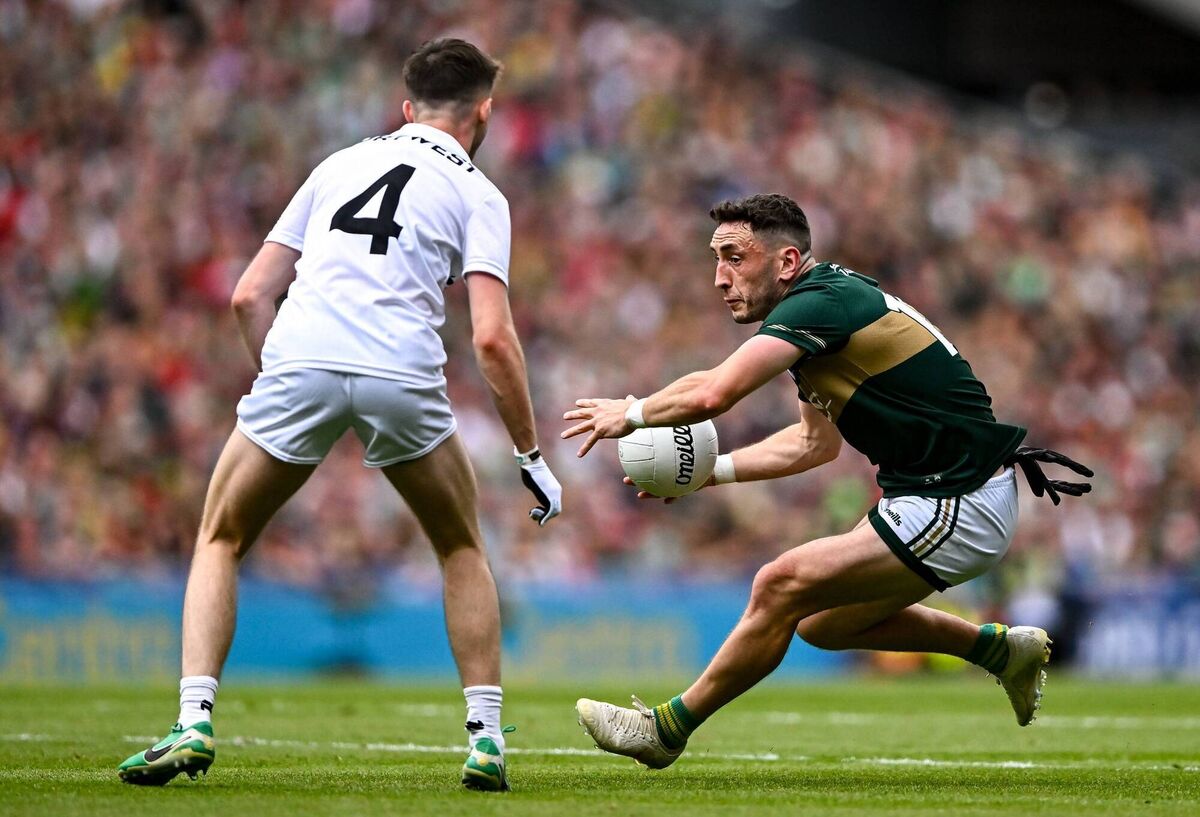
On that Monday afternoon, Andy rang me. He was just off the phone to Paddy and Boyler and he asked me the same question he’d asked them: ‘Why aren’t we going with (Eoin) McGreal on Paudie?’ ‘We haven’t ruled it out,’ I replied. ‘I think he’d love it. Sure he just wants to play out the field. He’s got the athleticism for it. He has the pace to recover if he does get sold. And he’s fearless.’
The decision was made there and then. Hession was switching to Seán O’Shea, which would also enable Enda to get forward more. And we were putting a rookie, still under 20, and in his debut season, on Kerry’s best playmaker.
Fearless.
Every option possible was examined. On our Monday Zoom call two days after the Louth game, Boyler made a comment about Oisín Mullin - half serious, half joking – and who he was going to be matched up against.
Andy and Boyler already had that discussion. Andy had already made the call to Oisín, just to tease it out to see if coming home from Australia was a runner.
He had been on our training camp earlier in the year, so it wasn’t as if the call was out of order. It was explored to see if it was possible. Oisín broached it with Geelong but their head coach Chris Scott ruled it out with the Cats being in the middle of their season.
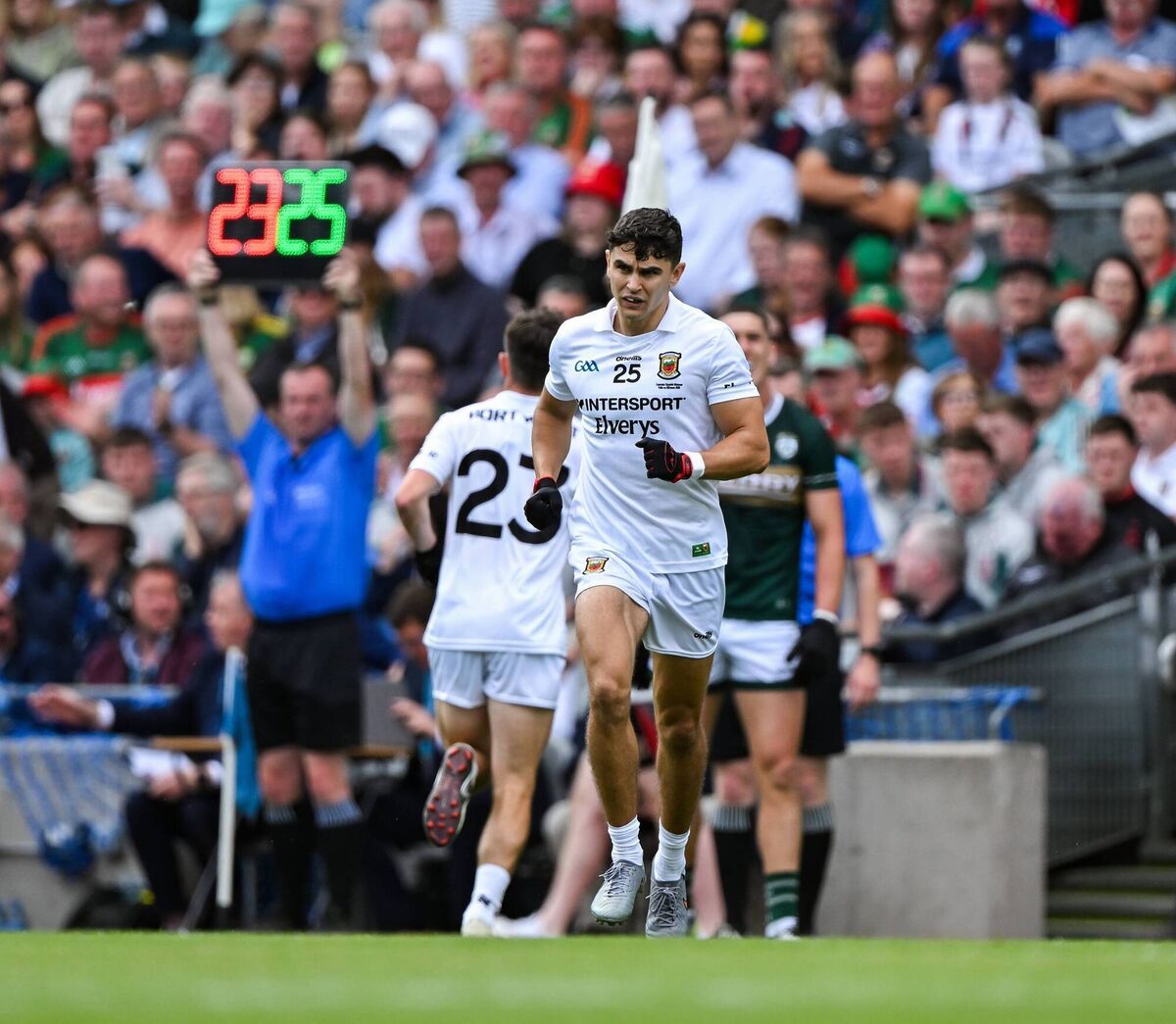
We were prepared to try everything. The players were willing to do everything. Paul Towey knew he would only play 25-30 minutes because there wasn’t 70 minutes in Tommy Conroy. Paul never batted an eyelid when he was told. As soon as Eoin McGreal was informed that was picking up Paudie Clifford, his face lit up.
‘You happy with the decision,’ I said to him.
‘Yeah,’ replied Eoin. ‘Ready to go.’ It was the response you love to see – not even a hint of hesitation, just a want and a desire to go after Kerry, to hunt Paudie down.
Five days out from the biggest day of the players lives, the core message being delivered throughout our session anyway was almost old school; relentless work-rate and just tearing into Kerry like wild animals.
I think that mood stemmed from having watched Limerick in the hurling final two days earlier, of how they savaged Galway players in the tackle and hunted them down like ruthless predators stalking and devouring their prey. It was referenced throughout the session of how we wanted to keep the tackle-count and level of aggression up.
Watching the session that evening, and how aggressive and physical the lads were in the 15v15 game, I knew we were primed.
When we analysed Kerry’s semi-final against Dublin, we noticed how they reduced the pace of their slow attacks, even more so than normal. Much of that was down to Dublin’s set-up on the day but, while we expected Kerry to play with more pace against us, we still felt that they had become overly used to their slow attacks.
We really wanted to keep the pace of the game even more hectic than ever. It had worked for us all year anyway but we also identified pockets of space, especially around long range shots, with how they set up around our slow attacks.
The lads are encouraged not to be afraid to take on the kick-pass, just don’t keep sending it down the channels. The message had been clear all year around shooting, and not being afraid to shoot. Andy’s big phrase has always been, ‘Keep swinging.’ Even though we were only three days out, that Thursday session wasn’t light. It lasted an hour and, while there was very little running done, there was still plenty done. Especially shooting.
Our main priority in that session though was nailing down the starting team. We had 13 of the 15 named on the Monday but we wanted to give Stevie (Coen) every chance because he has been such a big player and leader for us.
Stevie had been having an issue for a number of weeks around an injury and he hadn’t trained. He had been working away in the background with the medical team and physios but they just said it to us before training that time had run out for Stevie. So Diarmuid O’Connor was in. And John McMonagle was coming into the 26.
It was heartbreaking for Stevie that he wasn’t even going to be togging out on the Sunday. He was devastated but his immediate response to Andy was typical of the man. ‘What do you need me to do now?’ Whatever needed to be done, every single person in the group was going to do whatever was required.
Treasa and I have two kids, Ivy Marie (4) and Hugo (2). Treasa also has a daughter Abbi (15) who is great help to Treasa when I’m gone so much. After dropping off Ivy Marie and Hugo to the babysitter that morning, I drove to Sligo for work. I was busy but I made sure to make the time to ring Stevie Coen. I played with Stevie for a long time. I know him well. I wouldn’t say he was fine but he never let on for a second during our call that he wasn’t fine either.
It was a short conversation, not because Stevie or I wanted it to be. Stevie was between work calls. He had enough going on. So had I. After I left Sligo I drove to Castlebar to pick up a dress for Treasa for the post-match banquet. The afternoon was a blur, running and racing around trying to get stuff done before picking up the kids at 5pm.
We made the decision that we would leave the kids at home for the weekend. My parents, Pete and Kay, weren’t able to go to the game and Treasa wouldn’t have been able to manage them on her own and enjoy (if that’s the word) the game.
So the morning was taken up with getting the kids sorted and to where they needed to be over the weekend. I had so much to get done that I barely had time to think about the match before I arrived in Ballaghadereen for 2.30pm to get on the bus.
Everything is so much different from when you’re a player compared to being part of the management but one thing I find the same is the bus journey. As soon as you take that seat, routine just kicks in. Everything is laid out. The timings of your afternoon and evening are similar. There is no need to worry about anything else at that stage. Just go with the flow until it’s time to rock.
We sat down for food as soon as we arrived at Johnstown Estate hotel in Enfield around 5pm. Then we went to the pitch for a stretch and some short ball handling work, with no movement. Before we left the field, we just did ten minutes of making sure we had the set-ups right on kickouts. Again, just for extra clarity.
More food. Relaxation. Team meeting at 9pm. Some lads played pool or went on the PlayStation, other lads got a rub from the physio, most lads were still just chatting and chilling.
After the meeting I just headed back to the chalet I was sharing with Papa and Conor Finn, our S&C coach. That’s the time to relax and unwind. Make the most of it - because that time won’t exist as soon as your eyes open on Sunday.
I slept fine. Even though you’re not playing, you want a good night’s sleep because you want to be sharp. I always slept fairly well before All-Ireland finals as a player. The one night I didn’t sleep a wink – the 2020 final – I wasn’t even playing. I was too nervous. Maybe I just sensed that it would be my last All-Ireland final as a player. And it was.
After breakfast at 8.30am, we had a management meeting at 10.30am to run through everything around the day. That lasted an hour before the whole group went for a walk around Johnstown House for around 20 minutes, everybody just chilling and shooting the breeze.
Pre-match meal was at noon before Andy reinforced our key messages and then the players had another quick discussion around our tactical set-up.
The bus journey from Johnstown House to Croke Park is roughly an hour but the biggest difference I’ve noticed as part of the management before big games is that the day drags a lot more. Players have their own routines of getting rubs, listening to music or doing whatever it is that gets them into that headspace where they need to be. As part of the management, everything is effectively done – so you’re kind of just killing time.
I made a conscious decision to not be in the dressing room for the final moments before the match. I wanted to make sure everything was in place for the warm-up but I also wanted to be on the pitch to see the lads come out, and to hear the roar that greeted them. As I expected, the ground shook.
After David Clifford’s goal went in, I did wonder if this was déjà vu, and if this was going to be another day of devastation. It was a strange emotion because we had done so much right. We were even struggling in the coaches' box to figure out what was going wrong.
Usually if a team has you on the run, you can identify the source of that momentum surge, either through what they’re doing well, and what we’re not doing well. It wasn’t really that black and white. Even trying to get a read on the data in front of us, we couldn’t pinpoint any real cracks.
Kerry got a couple of big breaks off our kickout, while we were suffering on turnovers from shots that dropped short. That was always likely to happen when we had planned to do so much shooting against the breeze, but the biggest message from me was that we needed to play with more tempo.
The first few attacks we had, we slowed them down too much and made it easy for Kerry to shift their defence across. Kerry are really good at doubling up and dropping off heavy on one side of the field – and our slow attacks enabled them to get more cover across quicker.
Of all the days, my mic wasn’t working. So I was onto Paddy the whole time. And he was consistently on the blower to Boyler.
Paddy and I always leave the coaches' box three minutes before half-time to be on the sideline before the lads head into the dressing room. Our policy is that we come armed with three messages that we want to relay to the management, and then to the players.
My three messages were very basic:
1. Our position on breaking ball, especially on our kickout. Our position wasn’t too bad at times but we were still allowing Kerry to get too much of a smash on Jack Livingstone’s long kickouts. The ball Kerry were bashing back was going over our initial set-up and was almost going into their inside forwards. We didn’t change too much on our set-up, it was more re-emphasising that if you were closer to the ball when it broke, you had to commit more to go with the man. That is difficult when the full-back line are also trying to be an option for a short kickout, and then if Jack is forced to go long, you have to quickly readjust your position and get back out with the way Kerry were breaking the ball.
2. We needed to try and get off a few more short kickouts – if possible.
3. More pace in our attacks. Some lads needed to commit more to the attack rather than just holding on the wing or in that pocket of space. We just needed to ask them more questions and keep going with that relentless pace in our attacks, especially when Kerry were getting that shift across too quickly on our slow attacks.
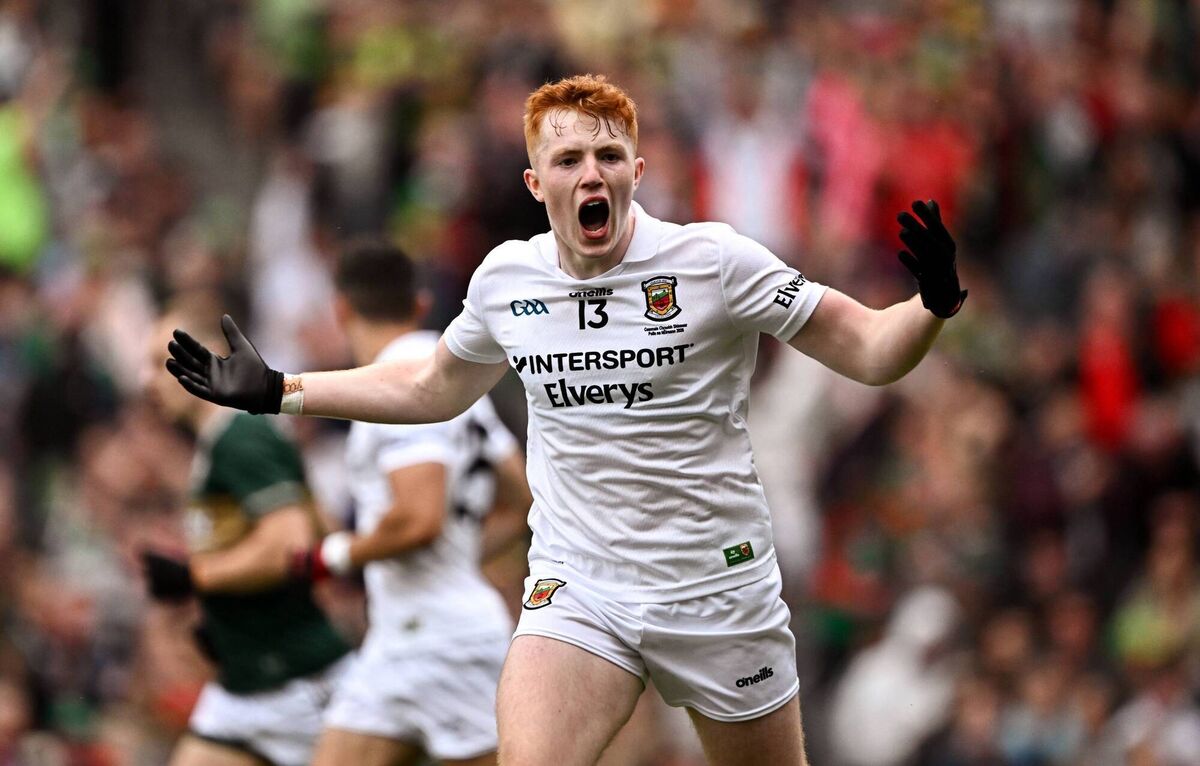
As soon as Darragh Beirne’s goal went in, I knew we were on the right track. We were playing well. Even when Kerry came back at us, they never got ahead. When Seán O’Shea had a wide that he’d normally have expected to nail, I thought to myself, ‘Maybe this finally is the day.’
Even though you’re not playing, you have to run those thoughts out of your head. There can’t be any switching off. As soon as Kerry introduced Tomás Kennedy, I knew we had to get Brick (Rory Brickenden) onto him because we felt it was the right match-up.
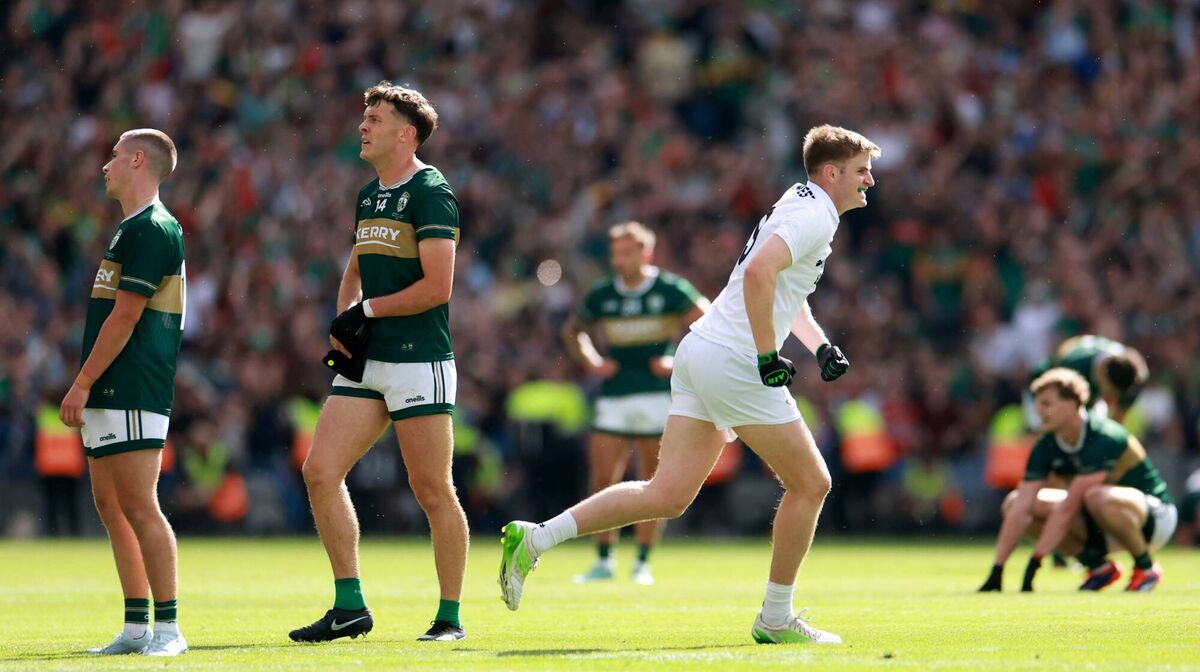
Then Brick had the wrong jersey. I don’t know what happened, and how he had Paddy Durcan’s number on his back, but the switch had been made just after Shane Murphy had made an excellent save from Kobe and he was down getting treatment.
That break in play gave us an opportunity to get a message into Brick. We had expected Kennedy to come on in the full-forward line but he was out in the half-forward line and Keith Evans had gone inside. Brick thought he was coming on in the full-back line but Boyler told him to still stay on Kennedy out in the half-back line.
Then as soon as Micheál Burns came in, we felt we needed Paddy (Durcan) on the field to match up with his pace.
Nobody was switching off. Everybody was laser focussed. We were still playing well. And then David Clifford hits that sensational two-pointer to reduce the margin to two.
At that stage, there’s nothing we can really do anymore in the coaches' box. It’s totally frantic now. Even if you do get information down to Boyler, he’s not going to be able to get a message into the lads at that stage.
It’s in the lap of the Gods now.
You’d think at this stage of my life that my days of heading to Copper Face Jacks nightclub were long over. But all bets were off the table when I didn’t want the greatest day of all to end. The night had already segued into Monday and nobody – including myself – was in any mood to call a halt to the delirium of celebration and satisfaction.
Conor Loftus asked me if I was going. I was in two minds but as soon as the team doctor, Seán Moffatt said he was heading to Harcourt Street, my mind was made up. Why not?
I was just thankful that I was dressed appropriately. As soon as I arrived back at the hotel after the game, Teresa said there was no suit in the room for me. Eventually, the suit was located in the vice-chairperson’s room. So whatever about looking right for the banquet, I definitely looked right for Coppers.
The place was bananas. The craic was unreal. It was the first time I was in Coppers after a big game and could actually remember what had happened. I wasn’t even drinking that much but I was guzzling in every drop of elation of every moment, of every interaction, no matter how crazy or meaningful that moment actually was. I just wanted to throw myself into the middle of the chaos and mania to try and get some idea of how much this had all meant to the people of Mayo.
At one stage, Jack Coyne and I got a picture of us together. We were sitting on one of the window ledges and you could see the daylight breaking through in the background.
We didn’t leave the place until 5.30am.
’d say I got two hours sleep. Certainly no more. As soon as my eyes opened, I did have to catch myself. Did that actually happen? Initially I was surprised that I had woken up so early. You just can’t sleep. It’s your body’s way of telling you that this has actually happened, almost as if you’re not allowed to sleep, that you’re supposed to be awake for every second of this living dreamland.
Breakfast. Loads of coffee. Loads of smiles. Tonnes of joyous conversations wrapped up in layers of ecstasy. You just don’t want it to end. I went to the Boars Head around 11.30 before returning to the hotel for 1pm. We were catching the train at 2pm, heading into the west, back into the embrace of our people, finally fulfilling the destiny we had always dreamed off.
The plan was that the train would just slow down going through Ballyhaunis, where Jack and I are from, but Jack brokered a compromise where the train would stop just for a couple of minutes. The crowd were on the platform and Jack joined them for a minute to raise the Sam Maguire in the air.
It was magic. But the magic was only beginning.
Long before the team bus left Westport for Ballyhaunis, I was gone ahead of them in the car. I wanted to go home for an hour before heading into the homecoming in the town. One of my priorities was to make sure that my parents had a seat in front of the stage.
Erin, Pierce’s eldest daughter had been texting me to say that she, Clare, Pierce’s wife, and his youngest daughter Ellie, were there. Clare was even stewarding at the event. I had met them after the game, even managing to get Ellie onto the pitch for a few minutes.
Nine years earlier, Erin had been on that pitch alongside me after we lost the 2017 All-Ireland final to Dublin. That was one of the hardest losses we ever experienced in Mayo, losing to a last minute Dean Rock free. I was absolutely devastated but it was nothing compared to the desolation I felt three days later when Pierce rang and asked me to come down to the house to see him.
He had been diagnosed with motor neurone disease (MND) the previous week. He hadn’t told me because he didn’t want it to upset my focus before that final.
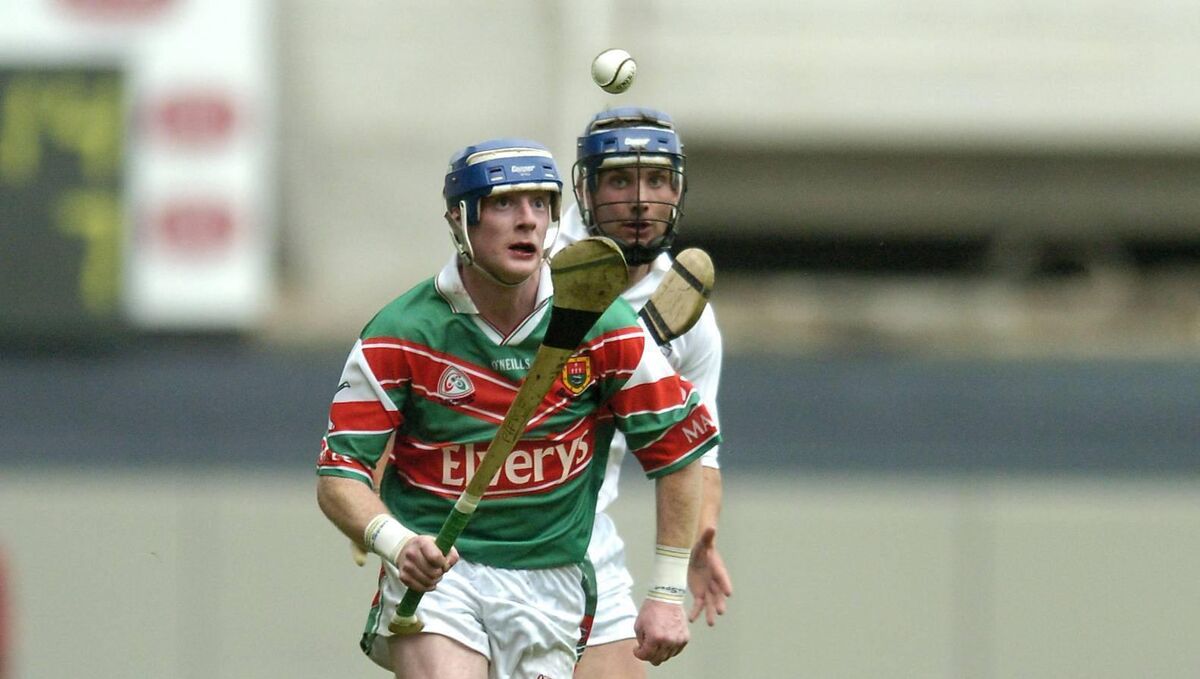
Denial is often the first refuge of hope but we all knew pretty soon that hope was just like wet sand against the raging tide of reality. And even then, I just did as I always had by looking to my big brother for inspiration. On the day he was diagnosed in 2017, Pierce went to hurling training in Ballyhaunis that evening. He togged out in the county final against Tooreen a few weeks later. He just kept on keeping on.
Pierce was my idol growing up. The first time I got to climb the Hogan Stand steps was when I captained Mayo to the 2021 Christy Ring Cup. The hardest part of the build-up was knowing that Pierce wouldn’t be there, particularly when he had always been in Croke Park for past finals.
The only brief low moment of that day was when the squad arrived back into Ballyhaunis with the cup. Everyone was there. But Pierce wasn’t. He was too sick at the time.
It is still so hard to believe that my big brother is no longer around. I don’t go to Pierce’s grave before games. I find it too difficult. Going isn’t the issue – it’s leaving is the problem.
I’m always wondering what Pierce would be thinking. I’m still always chatting to him in my own way. What would he be saying to me? What would he be thinking this week?
Pierce is one of so many people from our county who never got to see Mayo win an All-Ireland. In their own unique way, they were part of our inspiration. They were part of this journey because they will never leave our hearts.
They never got to realise their dream but we are all living it for them now.
Finally.
CONNECT WITH US TODAY



Be the first to know the latest news and updates