Hurling's great entertainers: Enda McEvoy's team of talents we all loved to watch
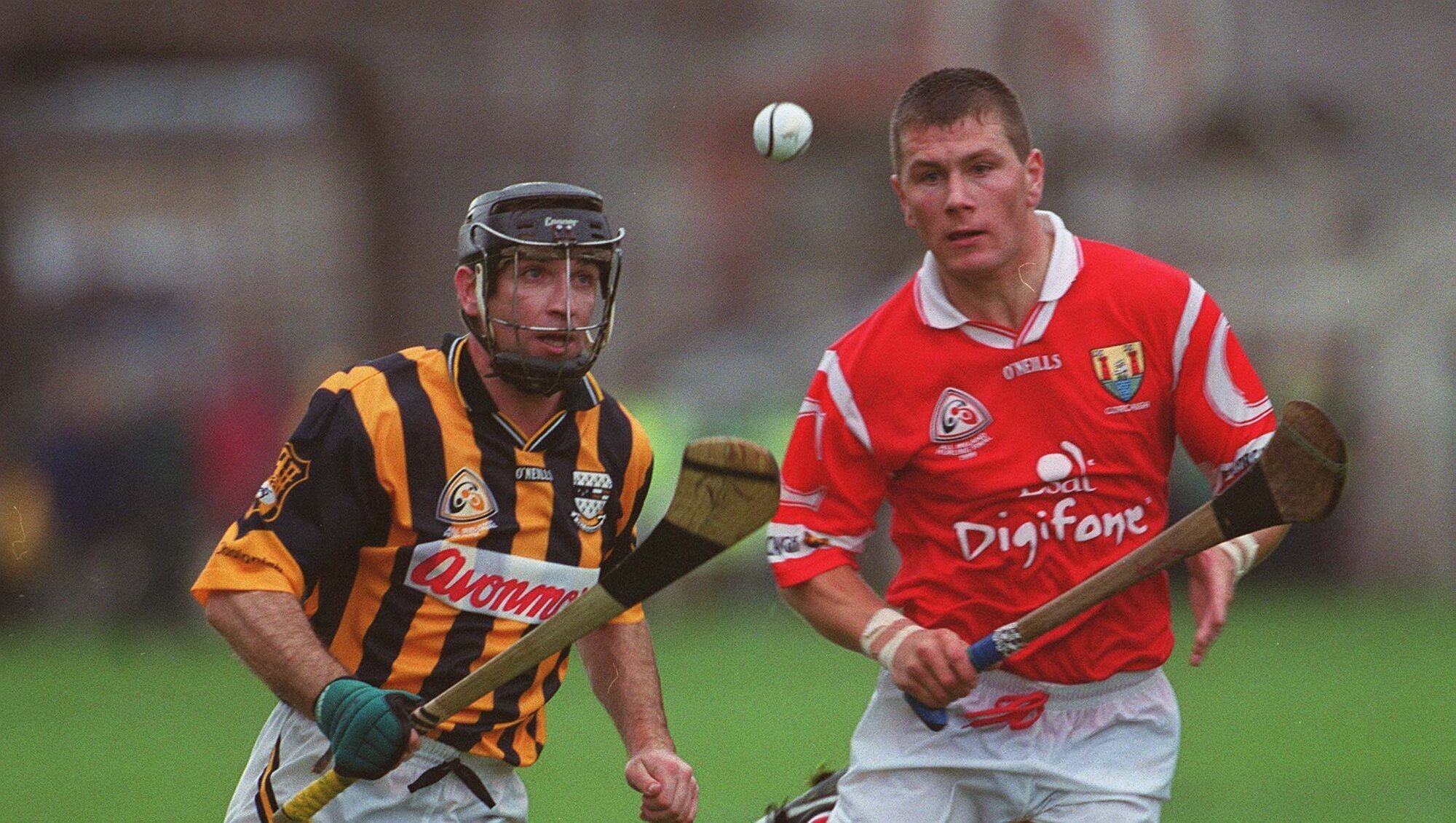
THE ENTERTAINERS: Kilkenny's DJ Carey and Cork's Diarmuid O'Sullivan keep their eyes on the sliotar. Picture: Des Barry.

This is a predictable exercise with a twist. A third of a century writing about hurling and an All-Star 15 composed not of the best players of the period - too many would be wearing either green and white or stripes and where would be the joy in that? - but the ones who’ve given me the most pleasure.
Try picking holes in that. Ha.
Read More
Inevitably an exercise like this owes something to nurture. Had I come of age in Cork I’d doubtless adore goalscoring forwards in the mould of Seanie Leary, Kevin Hennessy, JBM et al. As I didn’t my very favourite kind of player is a classy wing-forward who can put the ball between the posts from all angles from a standing position. Such a player is a pearl beyond price and over time the points add up.
Here I am now, entertain me? These guys certainly did.
Any number of terrific goalies could have made the cut, and clearly Davy Fitz was never anything less than compulsive viewing, but Fitzhenry had an appealing elasticity and athleticism about him as well as being a terrific shot stopper.
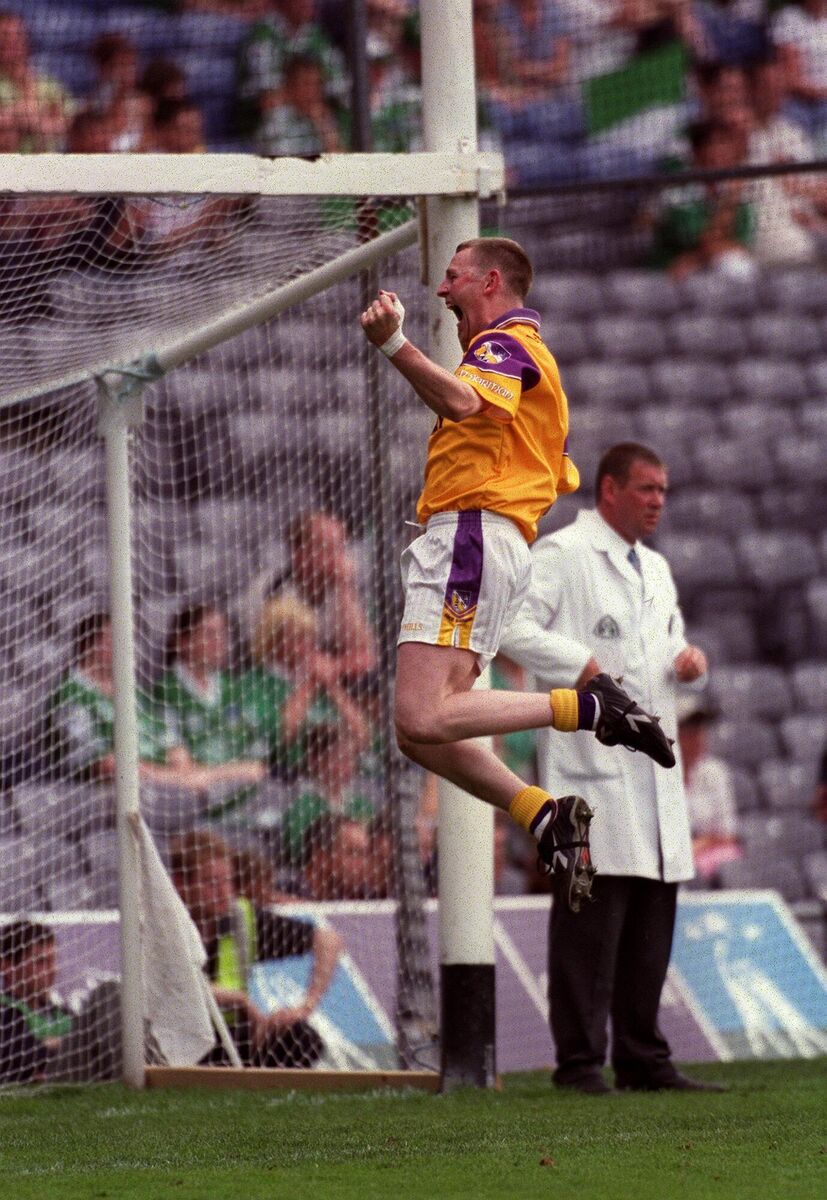
In the words of Liam Griffin, growing up as the youngest of 14 siblings living on the side of a mountain prepares you for anything. Produced one particularly improbable save, low to his right, in the 2004 All-Ireland semi-final, that drew acknowledgement from Brian Corcoran. Game knows game.
Hard to imagine there’s ever been a better player in the position.
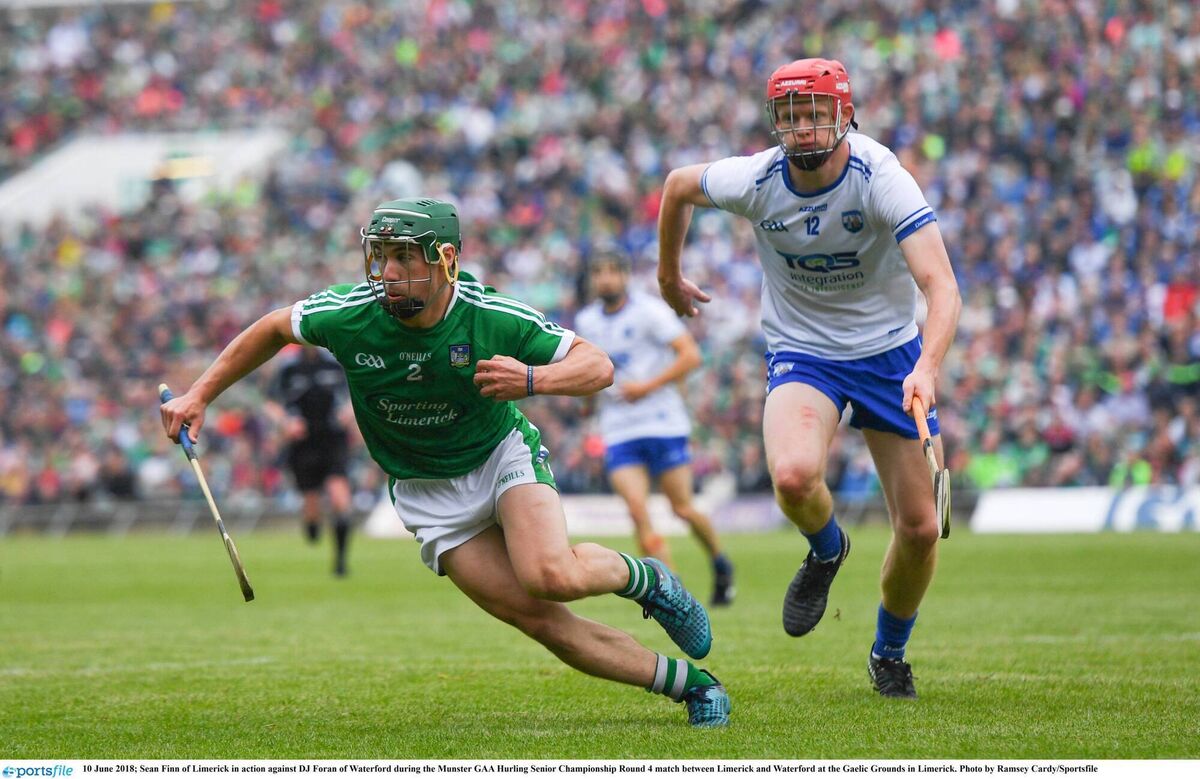
Continually does the right thing and continually makes it look simple. Nothing more to be said.
For a decade there was no getting away from him. Suffused with the kind of animal magnetism it’s easy to assume was similarly possessed by John Doyle (older readers, please feel free to confirm). Had an ego the size of a 200-acre farm but in a good way. Fond of throwing his considerable bult around yet the ball always came first.
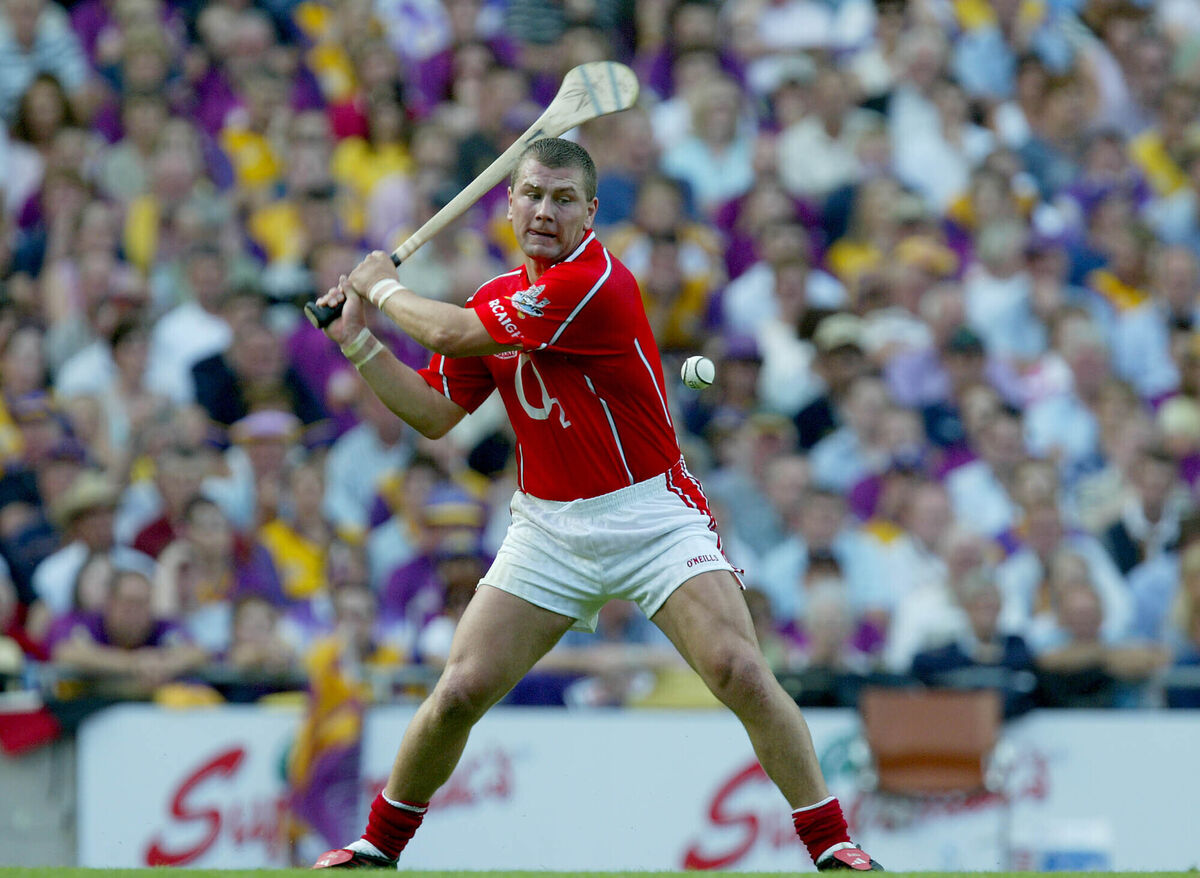
Niall Healy scored three goals in the All-Ireland semi-final; O’Sullivan ate him alive a month later. Had a few indifferent days in Munster as he got older but never in Croke Park. And one of the reasons for 2004-05 was that Cork got Sullivan to stop being the sheriff and realise that there’s nothing wrong with the Oscar for Best Supporting Actor.
Normally one wouldn’t applaud the conversion of a forward into a defender but in this instance it worked, Canning bringing an attacker’s sensibilities to his new role without ever neglecting his primary duties. If he didn’t go off injured in the last few minutes of the quarter-final, upon which Galway’s opponents got the two decisive points from his corner, would Tipp have won the 2010 All-Ireland?
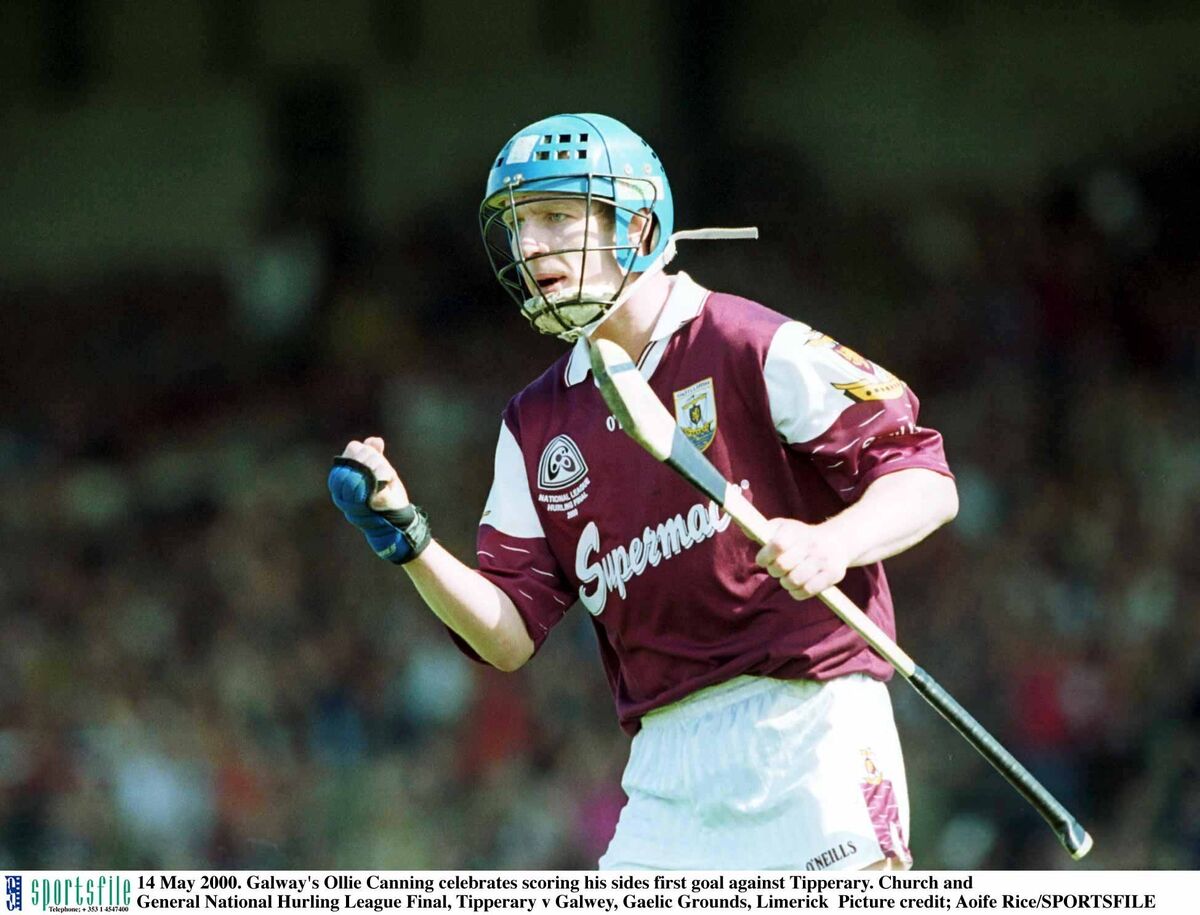
And no, there was never a day when Eoin Kelly confined him to two or three points from play, but it was still a good gag and an acknowledgement of Canning’s talent.
How could he not be here?
His reconstitution as a wing-back under orders to play his position, and not hit the sliotar as often as possible, was one of the foundation stones of Kilkenny’s four in a row and six in seven.
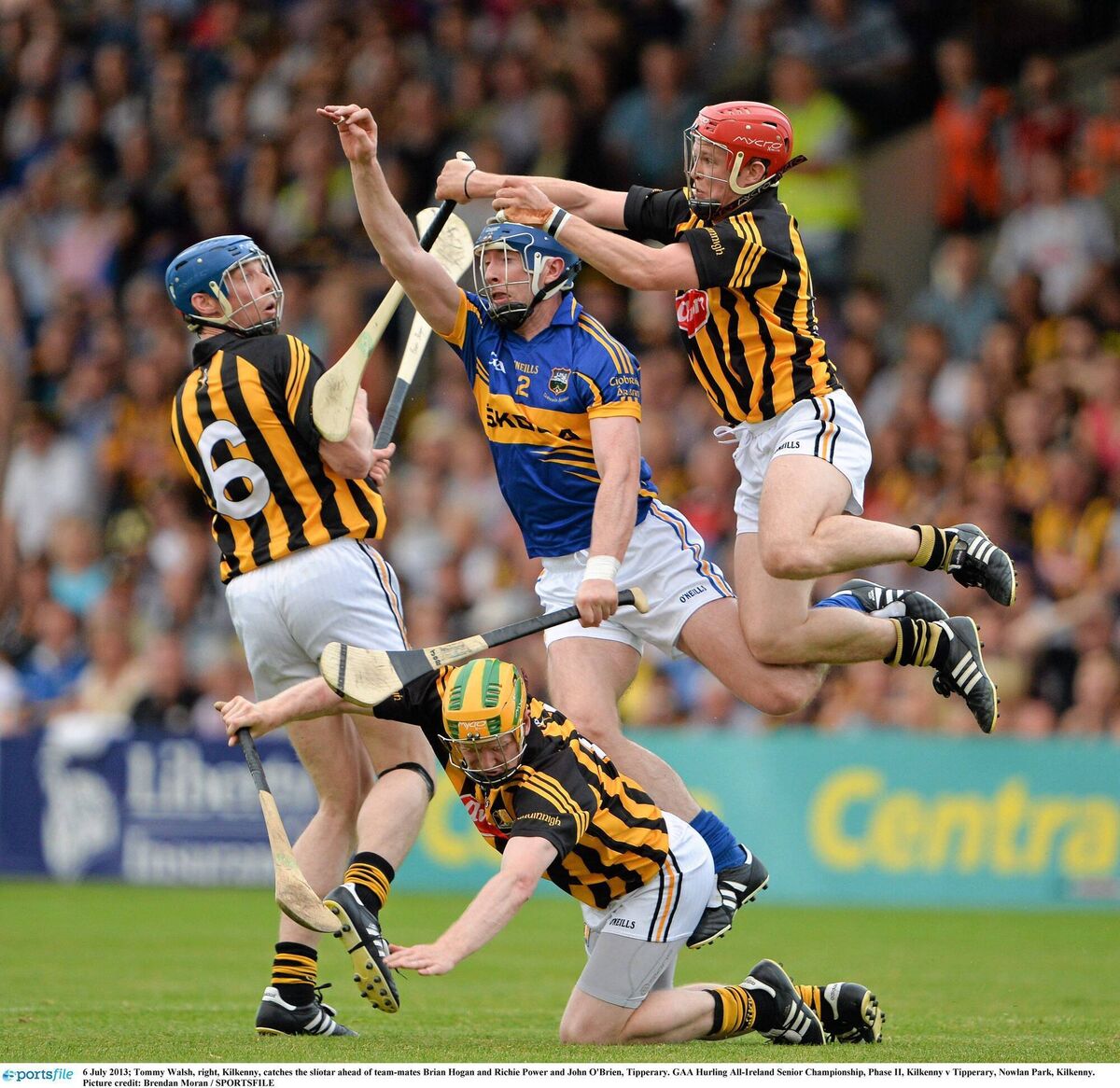
His colleague on the other wing was a better defender (“JJ can let the forward have the ball and take it off him – I’m not good enough to do that”) but Walsh won All-Stars on four lines of the field and none of them was a sop. Few players have ever provided such pure fun.
A calculating Mafia assassin in the guise of the ideal son-in-law, as Ger Loughnane put it. Built like one of those ramrod-straight figures out of hurling’s early mists. Mobile, anticipatory, sound off both sides and a had field-gun of a shot from placed balls; in that lower-scoring era his contributions from distance mattered.
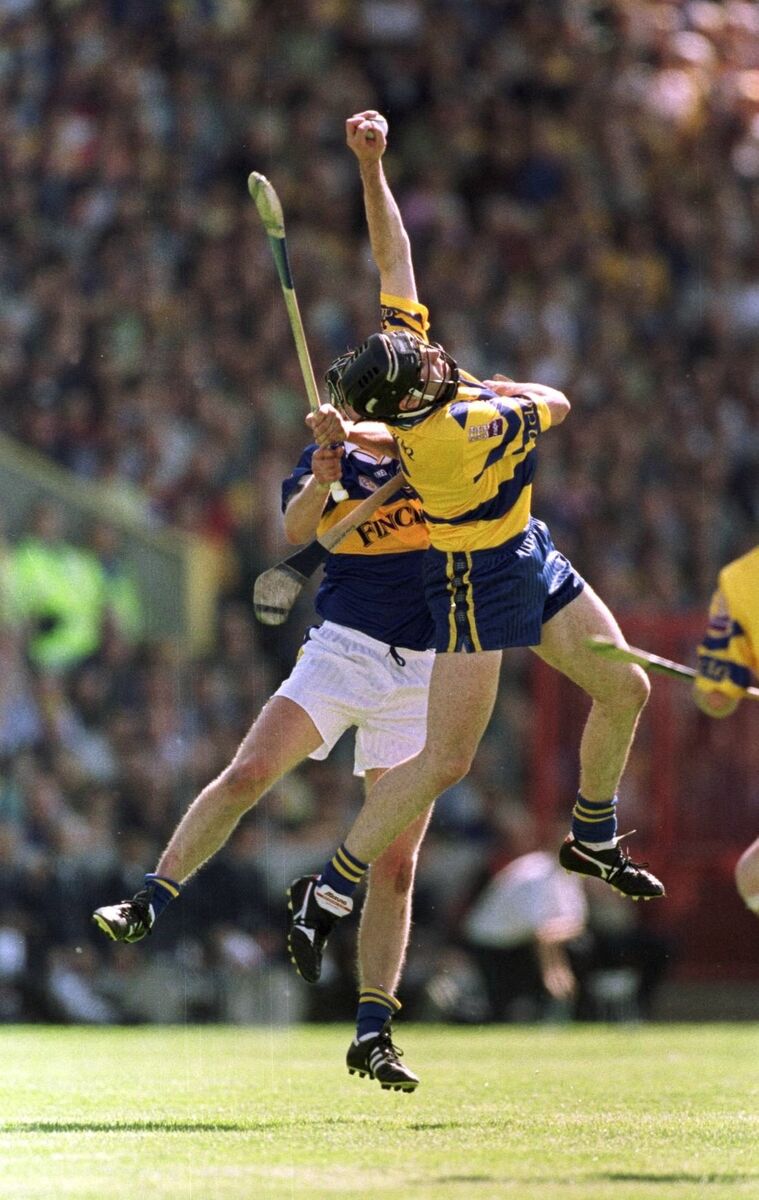
Possessed the mental granite to put a horrific 1994 Munster final (Limerick 0-25 Clare 2-10, with McMahon receiving a chasing from a jet-heeled Mike Galligan when moved to wing-back) behind him. I left Semple Stadium that evening wholly convinced I’d never see Clare win a Munster final and wholly unconvinced I’d see McMahon participate in one again. Then along came Loughnane.
A fine and accurate forward, but such were Waterford’s attacking riches that they were able to site him where he could see the game unfolding ahead of him. Naturally he flourished there.
During the summer of 2008 they decided, egregiously but mercifully temporarily, to try and reinvent him as a full-back. There wasn’t a position on the field more calculated to prevent Ken being Ken.
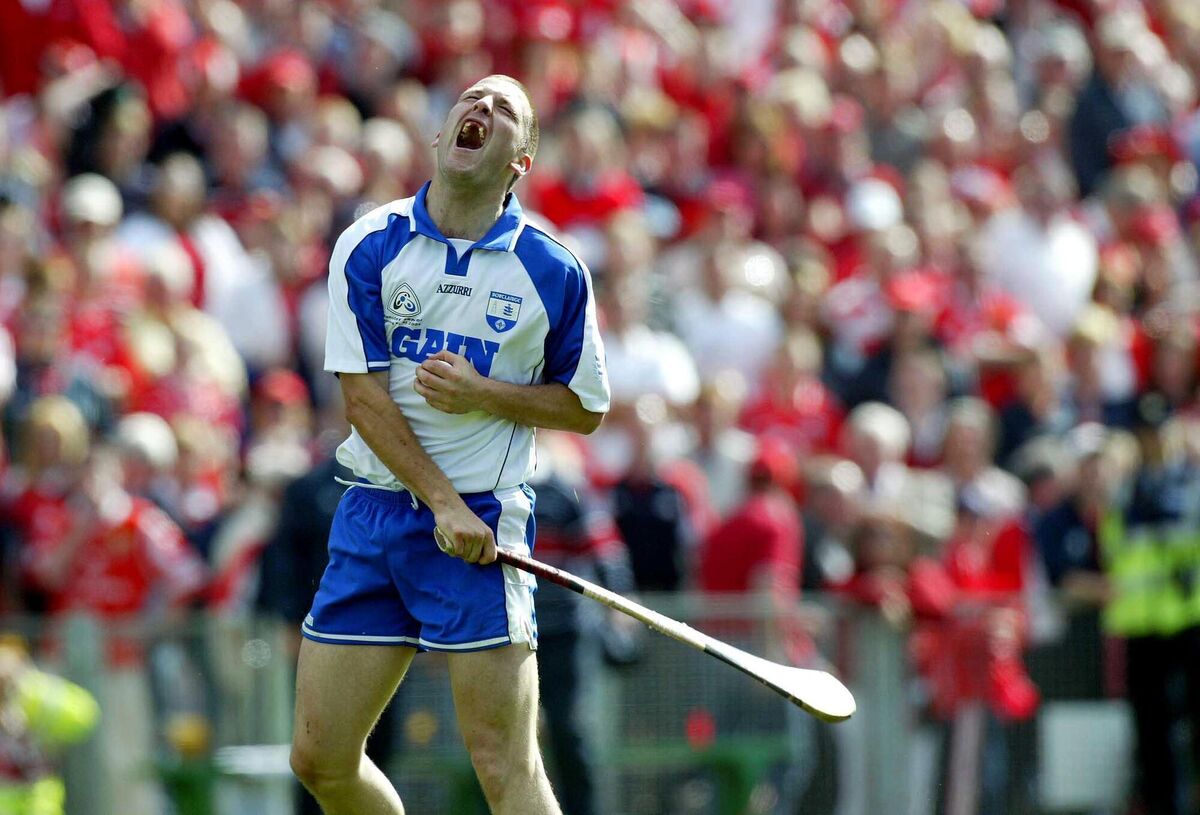
Flamboyant without being self-indulgent and that salmon leap and catch to seal the 2004 Munster title will live forever. The fifth musketeer.
A choice for the hipsters.
Light feet, lambent touch, tight swing and well able to cover the pitch. An Occam’s Razor of a hurler; the simplest solution was invariably the best.
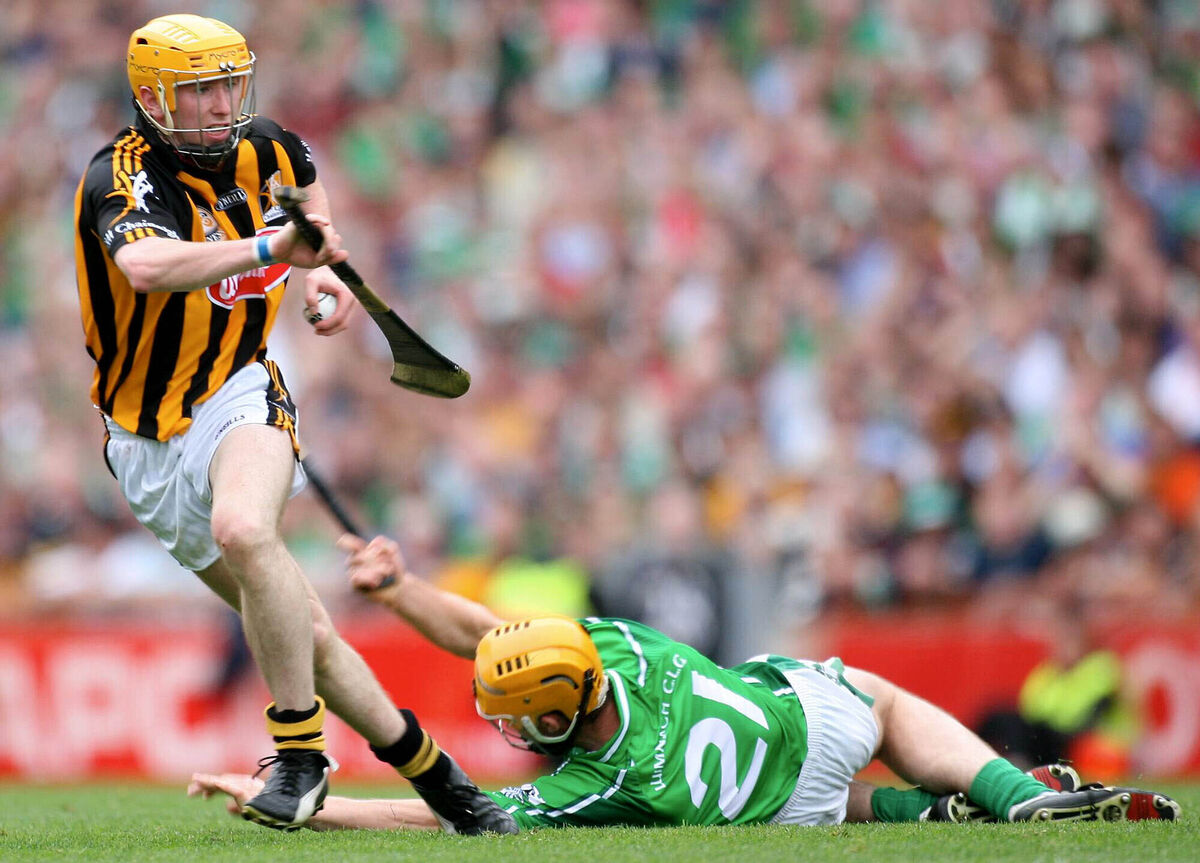
Resembled a comet who flared for three years before fizzling out. But what a three years.
Regular readers will not find this a surprise and may recall how Seamus Kennedy nailed McGrath’s superpower: “time slows down when he has the ball.” McGrath sources the sliotar and moves it on accurately without even a hint of unnecessary ornamentation.
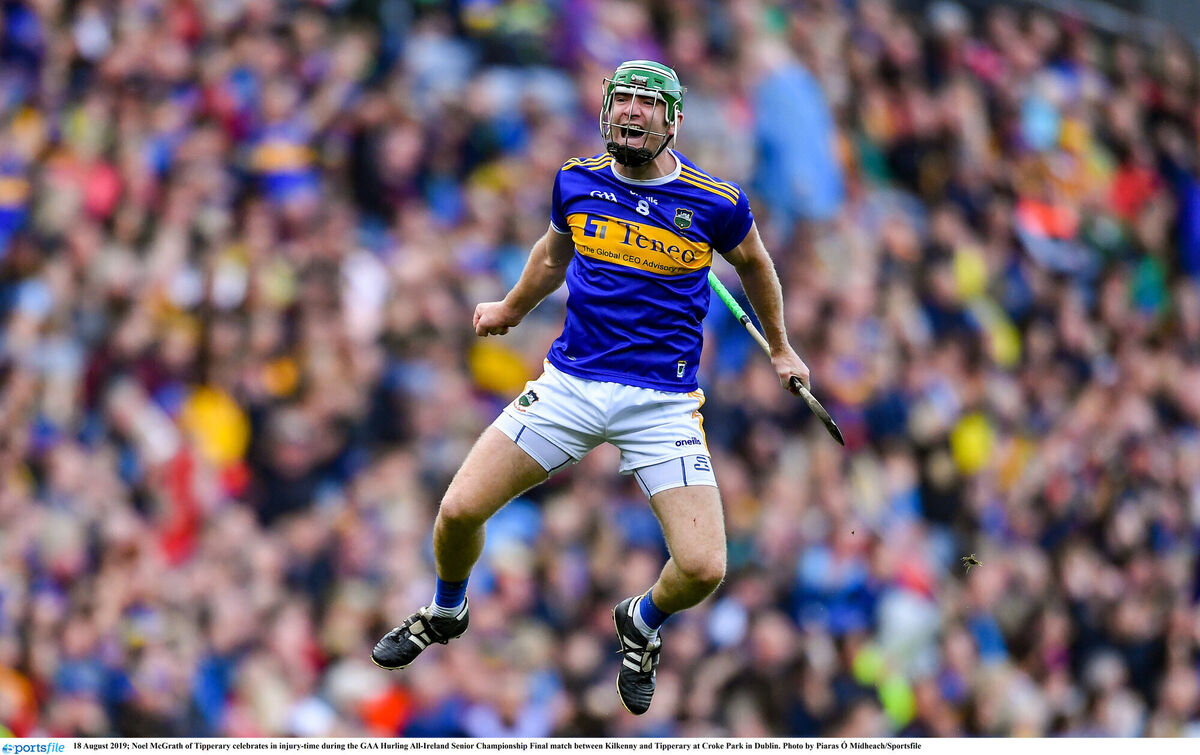
Made a fabulous option off the bench last year as hurling’s first designated closer, keeping his head when circuits were exploding all around him. Next in line for this spot would be Tommy Dunne, another Tipp man who shared many of McGrath’s virtues.
The beau ideal of the aforementioned stylish wing-forward. Perfect balance and purity of connection, a gorgeous, eye-pleasing swing and an unerring radar.
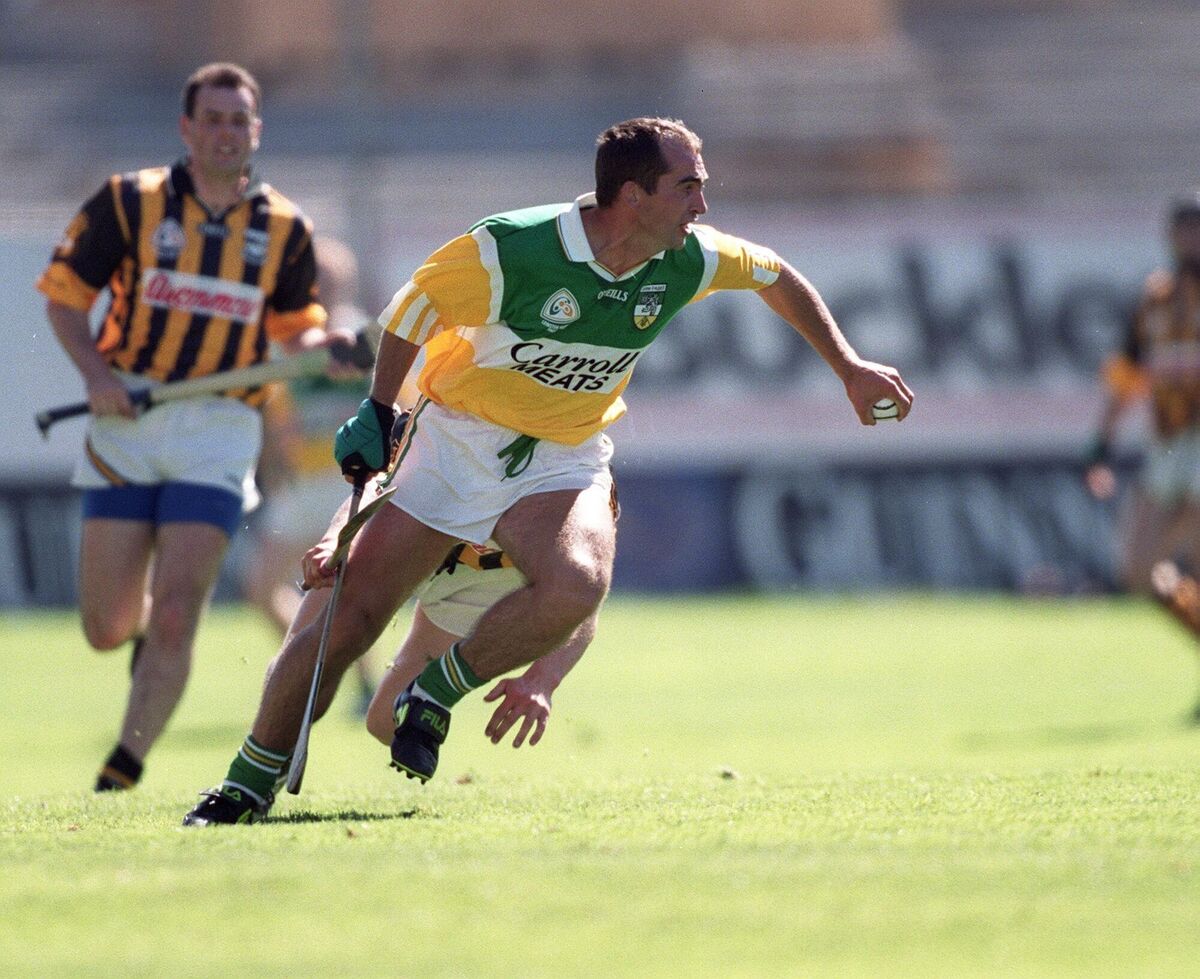
Planted his feet, moved his hips like Shakira and over it went, time after time. Next time you’ve a chance take a look at the fluidity of his follow-through for the goal that changed the 1994 All-Ireland final.
“He doesn’t pass you the ball, he lends it to you.” No apologies for repeating the line.
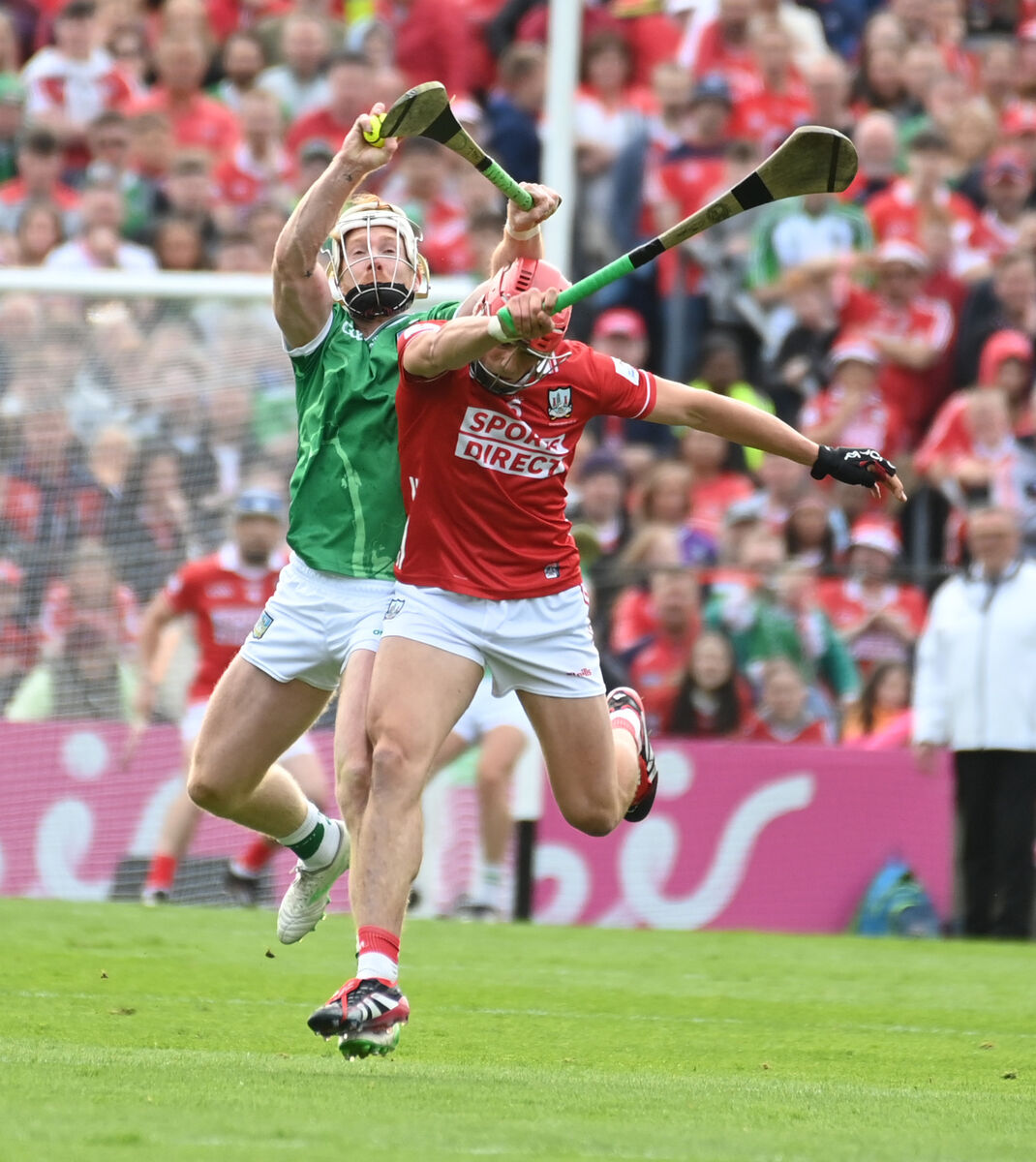
A spinner of strange and gauzy threads. Lynch on the Limerick team of, say, 15 years ago wouldn’t have worked because he’d have been a luxury item two levels above most of his colleagues.
Thankfully, John Kiely created a team worthy of his talents.
His episode of Laochra Gael performed a service by reminding us of all the astonishing goals we’d forgotten – forgotten because he’d normalised them.
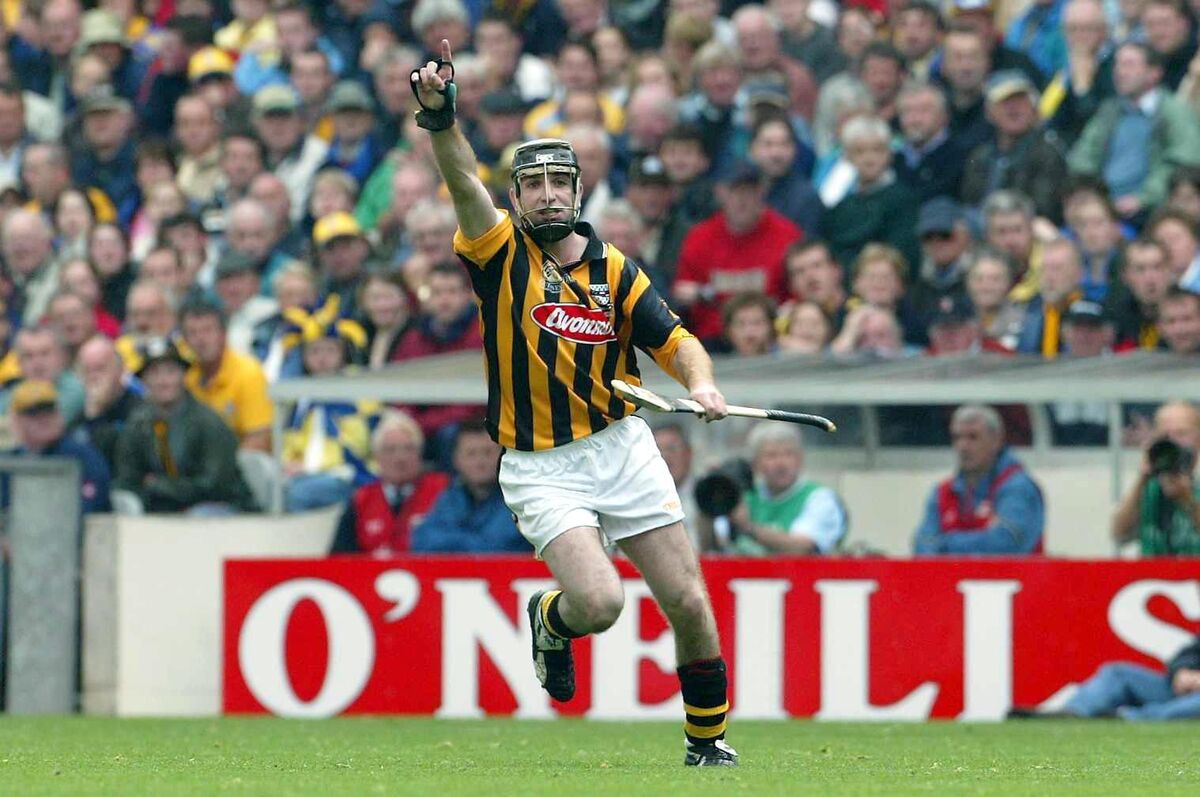
A personal favourite is the one against Antrim in 1993 and the almost impudent improvisation with which he backhanded his own rebound into the net; he may well have been the only person in Croke Park who was aware what way the sliotar had come back off the woodwork.
Scorer of the most beautiful and accomplished goals in the history of the sport.
Made a jet-heeled impression on his championship debut – Waterford would surely have seen off Limerick in 2001 had he not pulled a hamstring - and didn’t stop making an impression for the next 11 years. Given that he possessed a bazooka off both sides he probably ought to have scored more off his right, though perhaps that’s being nitpicky.
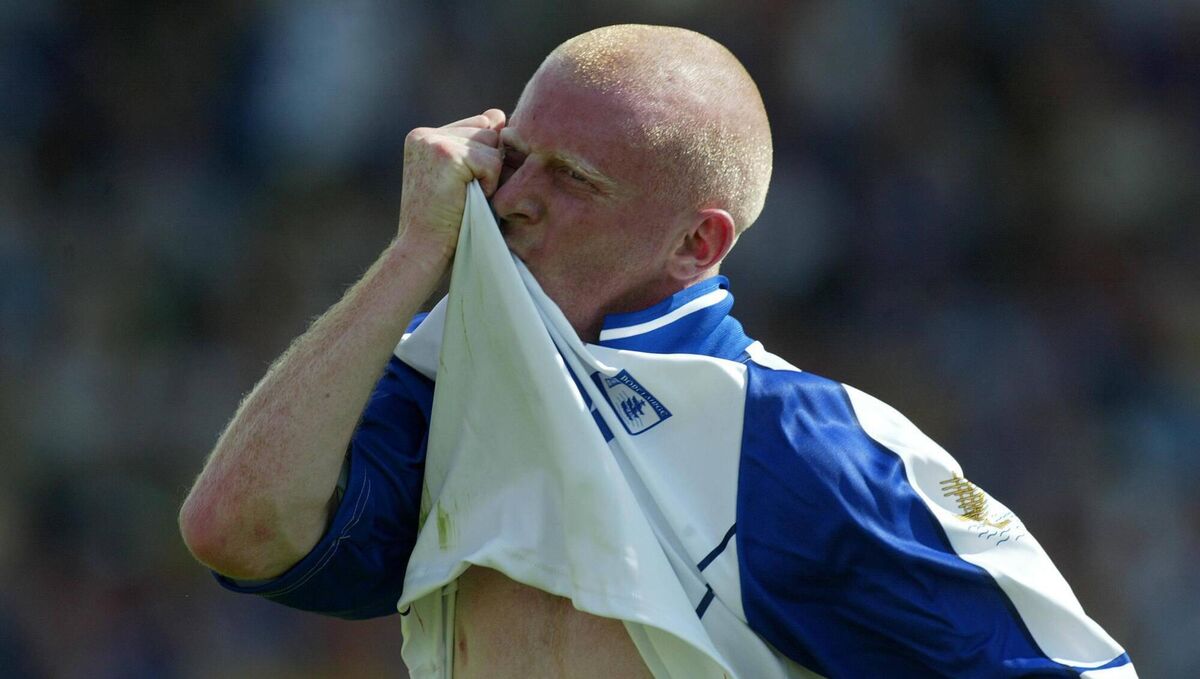
Five All-Star awards, a Waterford record.
Mullane never stopped being Mullane. Permanently compulsive viewing.
An automaton. Nothing remotely mysterious or enigmatic about him. He just kept scoring points.
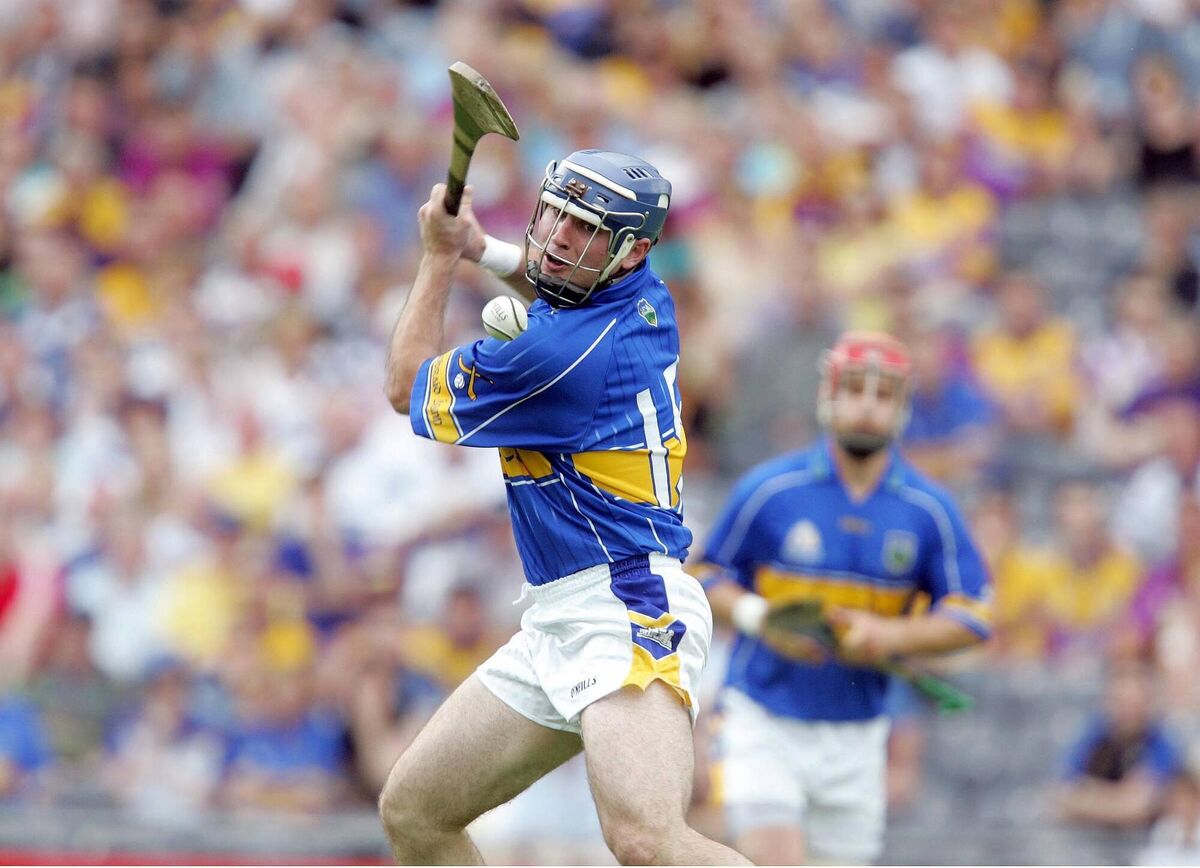
In doing so, he made it appear the most straightforward proceeding imaginable. It ain’t.
Look at all the things he wasn’t. Not big, not fast, not flashy, not a player who operated outside his own bailiwick.
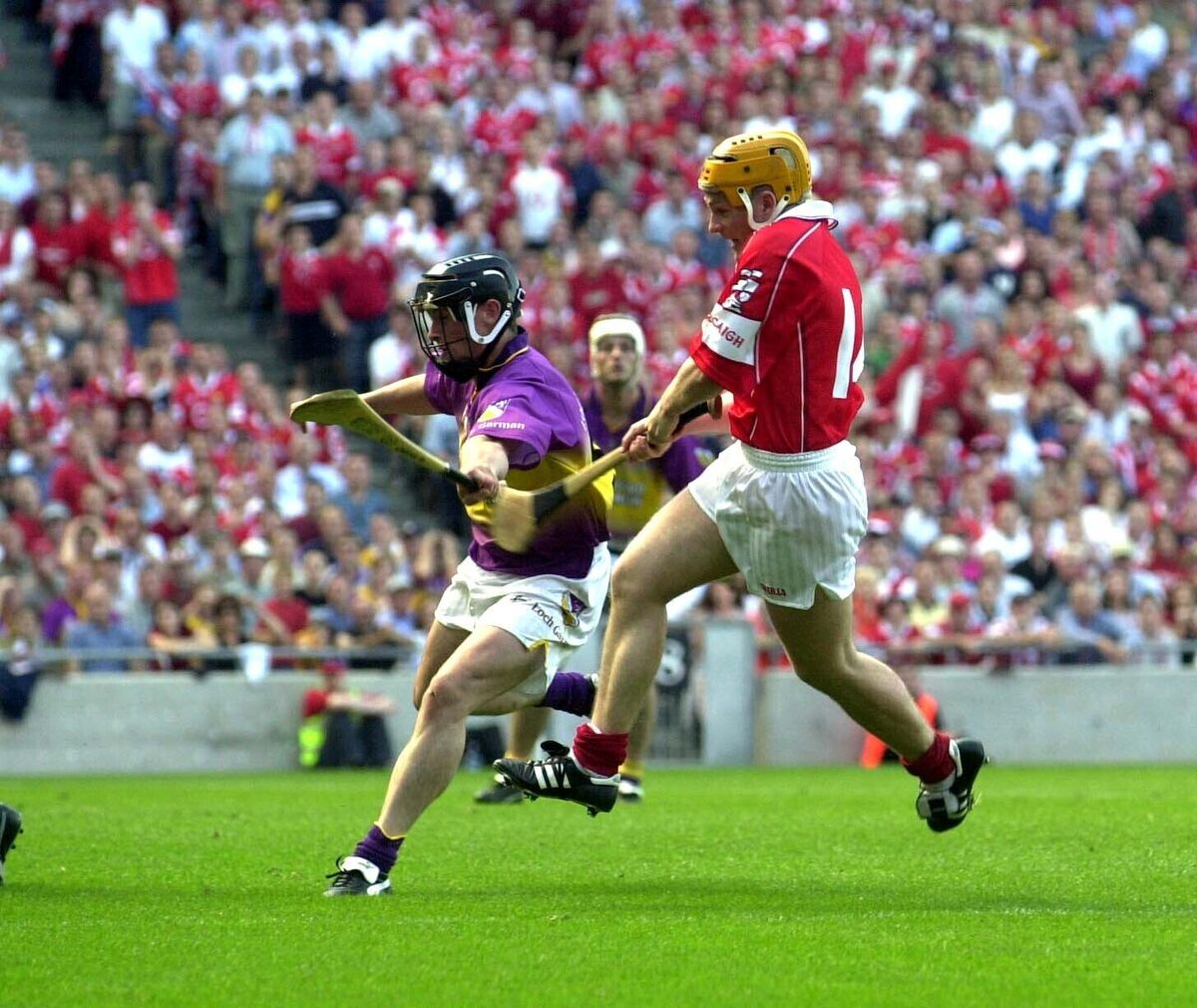
Yet somehow he made it work.
Sadly and inarguably he wouldn’t make it now, which says much about the unpitying relentlessness of the torque - - the sport has taken in the past 20 years. An asteroid killed off the dinosaurs; the rise of the cyborgs killed off the Deanes.
CONNECT WITH US TODAY



Be the first to know the latest news and updates