Kerry's conveyor belt: 30 years of classy, killer Kingdom forwards
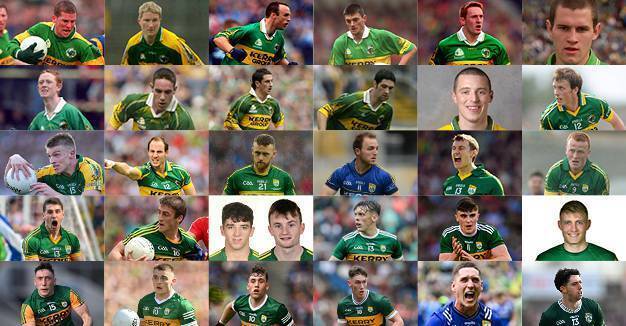
KINGDOM ELITE: Kerry's front line stars over the last 30 years, starting with (top left) Dara O'Cinnéide from 1996, then MF Russell, Johnny Crowley, Aodán MacGearailt, Noel Kennelly, Eoin Brosnan, Colm Cooper, Declan O'Sullivan, Paul Galvin, Bryan Sheehan, Kieran Donaghy, Donnchadh Walsh, Tommy Walsh, Tadhg Kennelly, Barry John Keane, Darran O'Sullivan, James O'Donoghue, Johnny Buckley, Paul Geaney, Stephen O'Brien, Tony Brosnan, Tom O'Sullivan, David Clifford, Sean O'Shea, Killian Spillane, Paudie Clifford, Diarmuid O'Connor, Dara Moynihan, Cillian Burke, Joe O'Connor and this year's star turn, Dylan Geaney.
It’s 30 years now this month that they first sang - because in their case it was.
After living for too long under the heel of Billy Morgan’s Cork, Kerry had ended his (first) tenure by wrestling back the Munster championship, a trophy that would be later named by the victorious manager of that day, one Páidí Ó Sé.
And so a generation of their supporters that had only known 10 years of hurt opted to paraphrase the song of that summer when they jubilantly flooded onto the playing field of Páirc Uí Chaoimh.
And pivotal to them being able to go all Baddiel and Skinner after that 1996 Munster final was because they had Dara Ó Cinnéide as well as Maurice Fitzgerald; after a decade of ploughing a lonely furrow upfront, Batman finally had himself a Robin, a fellow marquee forward.
Prior to that watershed 1996 win down in Cork, Kerry had reached the All-Ireland semi-finals just once in the previous 10 years. Since then, they’ve made 27 All-Ireland semi-finals over the last 30 years. Only Dublin, on 24, come close; next best after them are Mayo (15) and Tyrone (12).

One factor more than any other explains why Kerry are so consistently at the business end of the championship- they’ve consistently kept producing forwards of the calibre of an Ó Cinnéide or even a Fitzgerald.
And so to mark the anniversary of their breakthrough and outline that production line that has never stopped or finished since, we’ve done our own (well, actually 31 for 31 to be precise and pendantic about it!) with a forward for every year that marked him either breaking onto the team or having a breakout year, from Dara Ó Cinnéide in ’96 to Dylan Geaney now in 2026.
The poet Joseph G Smyth once pondered what was the secret of Kerry.
The answer is here.
Read More
.
Curiously played wing back in his first senior Munster final (1995), just as he had his first year at minor, but once his clubman Páidí Ó Sé landed the Kerry job, Ó Cinnéide was moved into his more natural habitat and entrusted with free-taking duties for the league in the absence of the injured Maurice Fitzgerald.
He duly thrived, leading to a breakout performance in a league quarter-final extra-time defeat in Cork where he racked up half of Kerry’s 18 points, triggering comparisons with a teenaged Fitzgerald’s unforgettable 1988 Munster final display at the same venue.
Even when Fitzgerald returned to nail some clutch frees in the 1996 provincial decider, it was Ó Cinnéide’s three points from play in a titanic head-to-head clash with reigning All-Star full back Mark O’Connor that separated the sides in that watershed game.
Kerry and Ó Cinnéide would be stopped short of reaching that year’s All-Ireland senior final, but not a second consecutive U21 title. After enduring their leanest decade, a glorious one was about to unfold, not least because Kerry could count on a forward of the smarts and skill of an Ó Cinnéide.
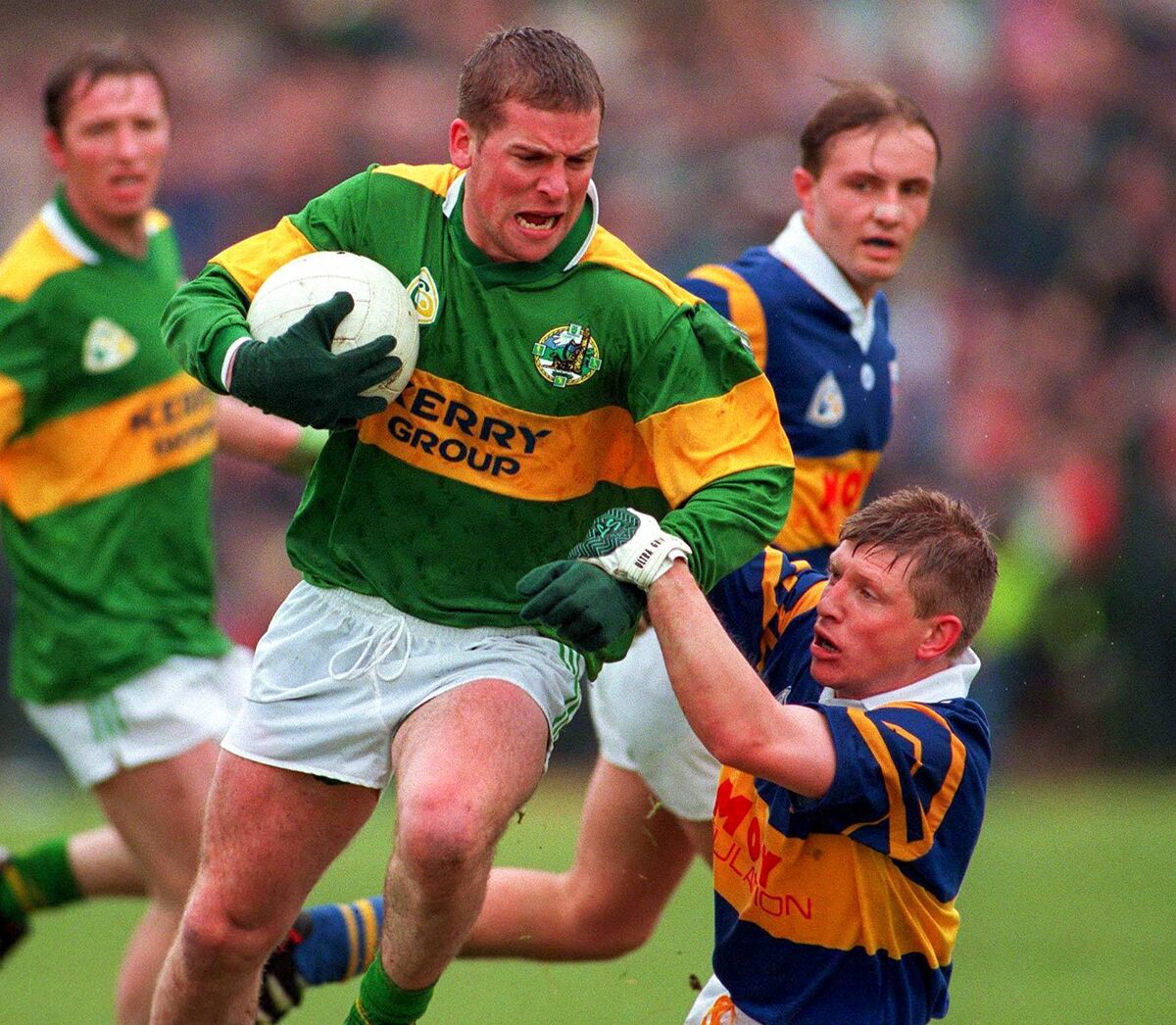
After turning the previous year’s All Ireland under-21 final with a 0-3 cameo off the bench, the baby-faced assassin from Killorglin shaped the destiny of the ’97 senior title as well; his supersub goal against Cavan in the All-Ireland semi-final was strikingly similar to Mikey Sheehy’s finish against Tyrone 11 years earlier and went a long way towards bridging that gap without Sam Maguire.
For that intervention he would win the inaugural Young Player of the Year award. Injuries would later deprive him of that vital split-second of pace, but for the first three years of this millennium he was the best finisher in football.
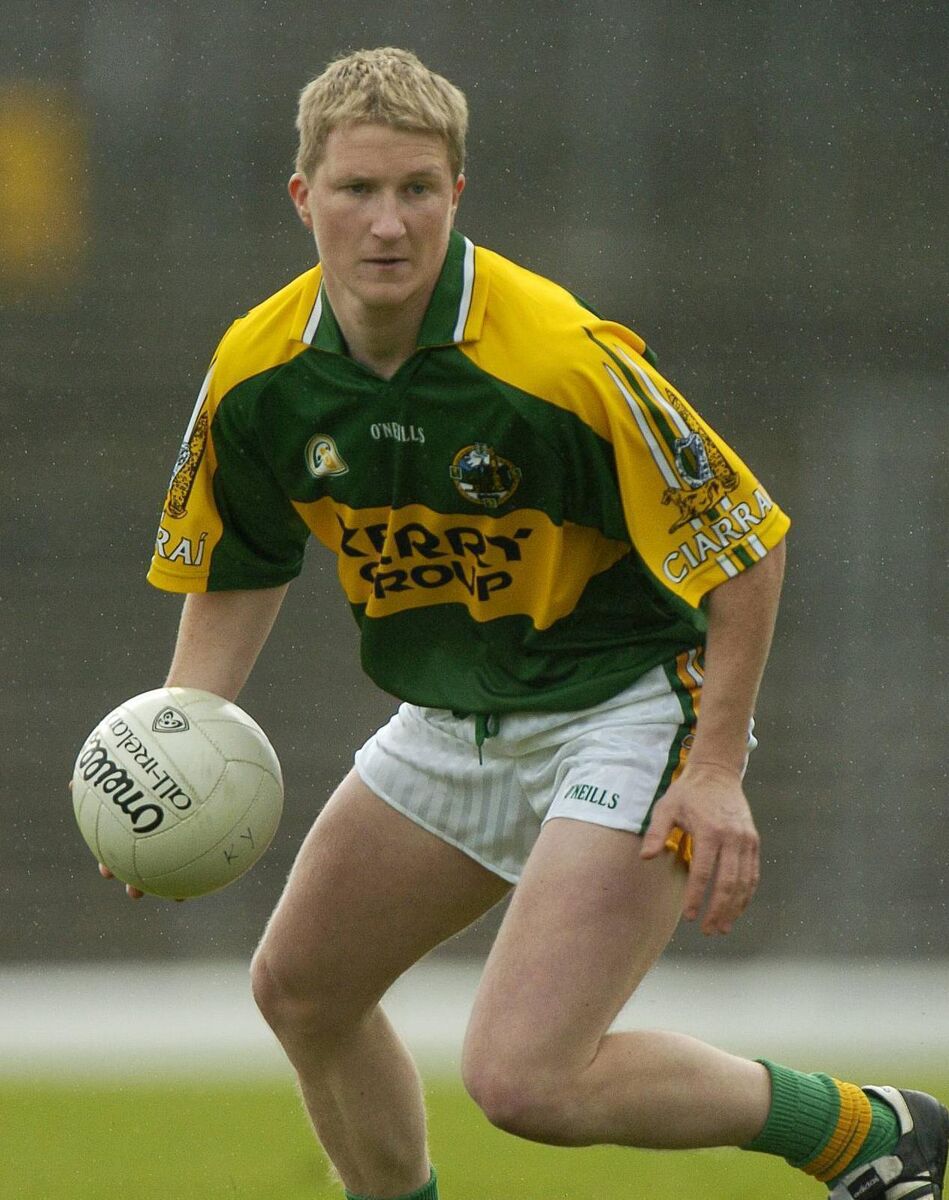
Had been knocking about since ’95 but had to wait until ’98 to play a full championship game against someone other than Tipp and Limerick. Once given that opportunity he’d more than take it, scoring five points from play against Cork to effectively finish Brian Corcoran’s football career before notching Kerry’s only goal in the one-point All-Ireland semi-final defeat to Kildare.
Cult status would follow, his 2001 All-Star winning form prompting a generation to embrace him as their John Egan to Mike Frank’s Sheehy.
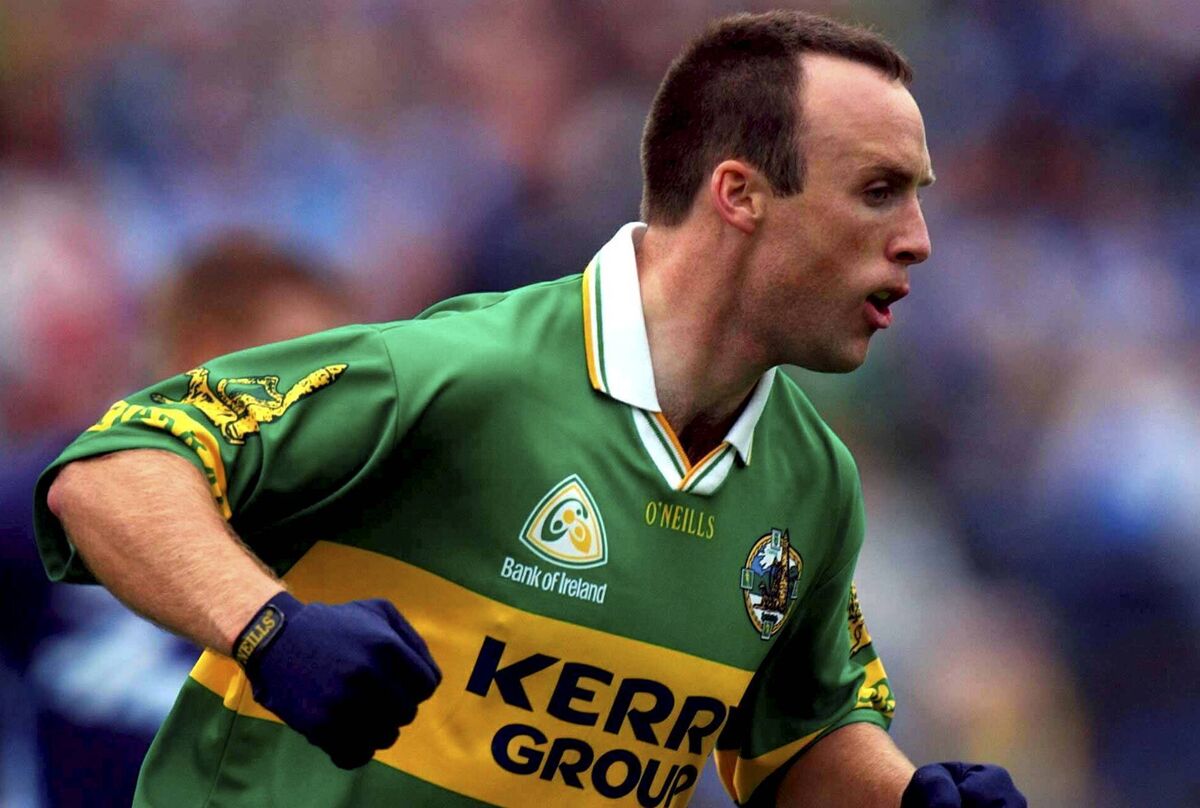
The one bright spot in a disappointing year for Kerry with his series of standout rookie displays from full forward. Finished Wayne Sherlock’s prospects as a dual player by taking him for 1-4 in the Munster U21 final, then was the Man of the Match in the seniors’ notorious goal-that-wasn’t game against Tipperary before scoring two goals off Seán Óg Ó hAilpín in the Munster final defeat to Cork.
Such was the talent and competition within the Kerry forward ranks, MacGerailt would have to settle for either a spot in the half-forward line or the bench for the rest of his county career, but he’d sporadically make some key contributions, most tellingly with 0-3 from play in the 2000 All-Ireland final replay against Galway.
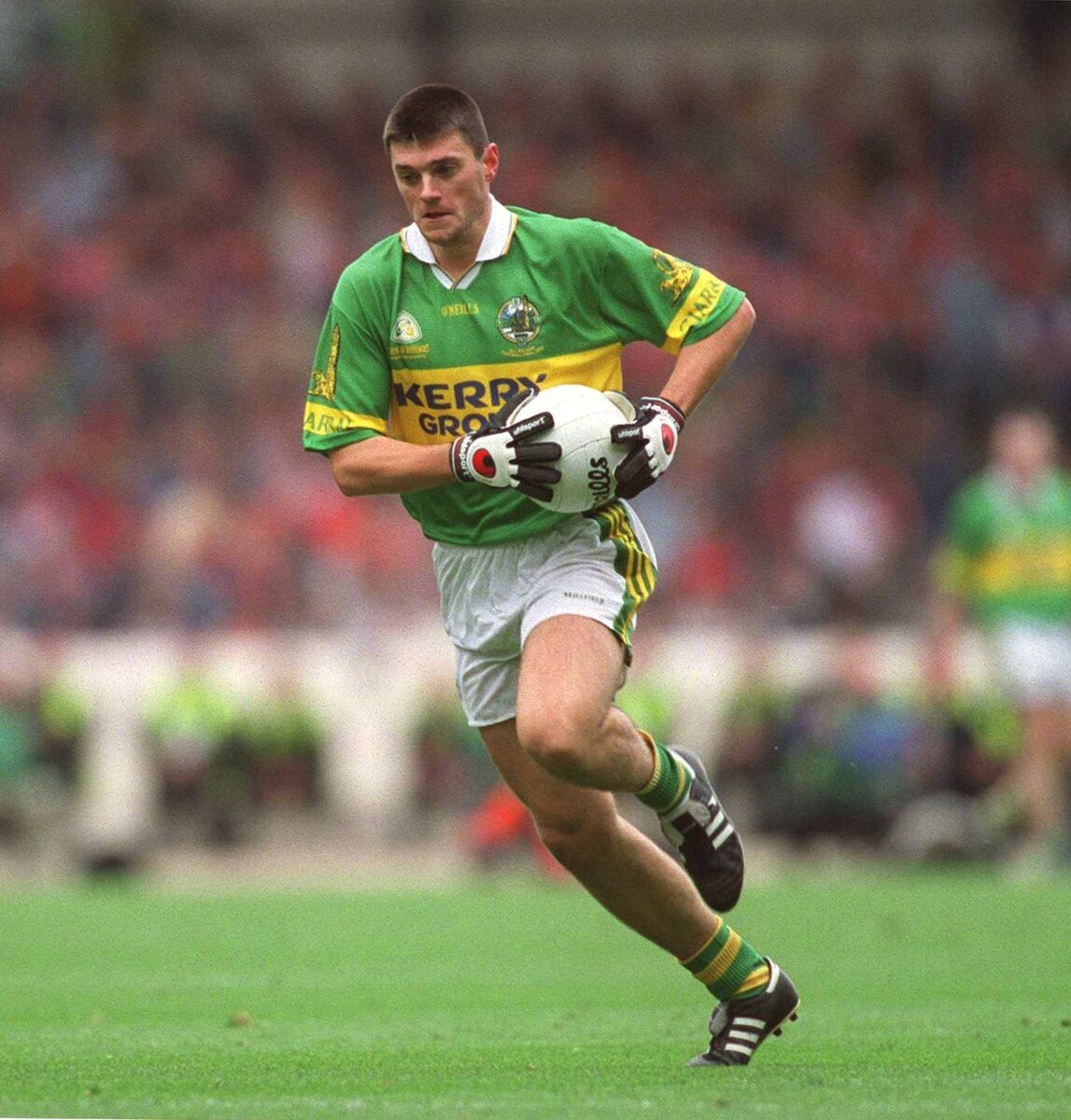
Better known as Tadhg’s brother and Tim’s son but for a while he looked like outshining them both, such was his capacity to kick points from range. Was probably the best Kerry minor of the 1990s and unquestionably the most-called upon U21; he’d play four years at that grade and it would have been five had his birthday not been Christmas Day.
In the All-Ireland winning year of 2000 he was so valued, Páidí Ó Sé would resist the clamour to start Maurice Fitzgerald and instead persist with Kennelly who would not just start but score from play in every game that summer.
A few months after being the team’s leading scorer in the league of 2002 though, Kennelly suffered a serious leg injury and would never be the same player. In fact, he’d never again play championship.
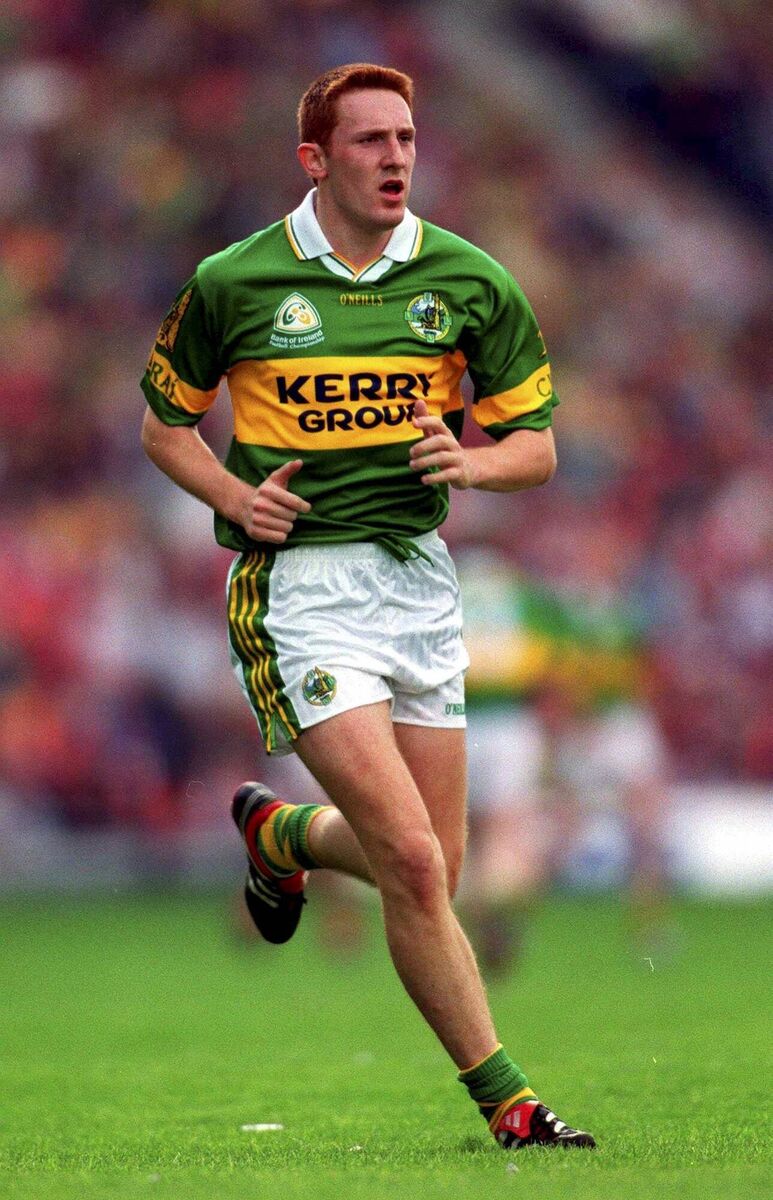
Another outstanding young talent who’d squeeze Fitzgerald to the margins. It was the Dr Crokes man who came on for Fitzgerald in the last game the great man started for his county – the 2001 Munster final – before taking his place in the starting lineup for the series of All-Ireland quarter-finals against the Dubs in Thurles and then captaining the side in their ill-fated semi-final with Meath.
If such an honour was a tad premature, a place in the starting 15 was not. In 2002 he’d signal why he’d go on to be the best goalscoring half-forward of the decade, scoring four goals that summer only to better it in 2006 with five.
He’d later show just what an all-round footballer he was upon returning to the team in 2011 as a centre-back after a two-year hiatus, but it was as a forward he’d first and foremost exhibit his remarkable ball-carrying ability.
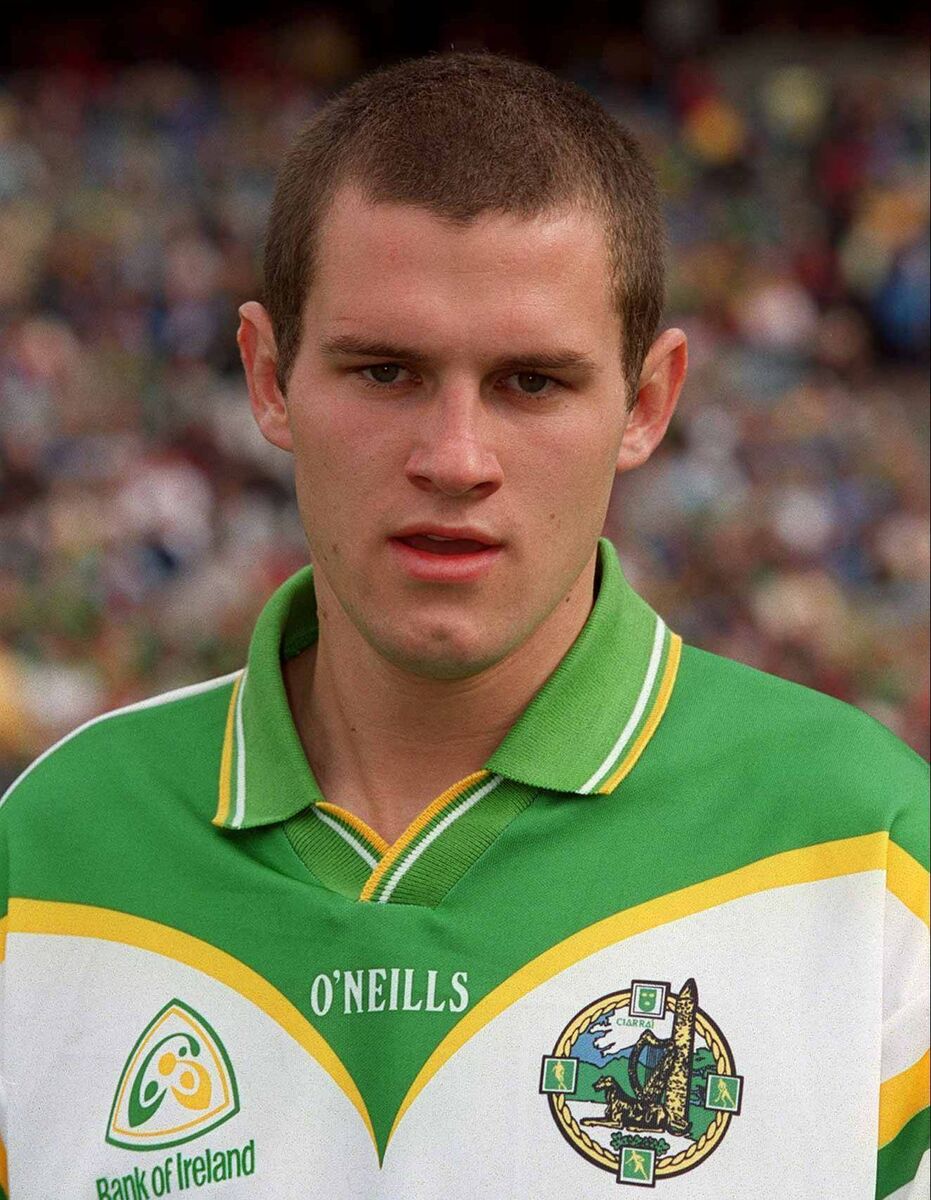
Possibly the greatest rookie season in memory, and certainly the most thrilling, even though it could easily have ended in the rain against Cork in his native Killarney when he was taken off before half-time. Bounced back to blaze through the qualifiers and light up Croke Park with remarkable displays against Galway and Cork. Even in the final he had Armagh chasing shadows in the first half before they finally got to grips with him – in every sense of the term. That year would be the first of nine All-Irelands he’d play in and the first of eight All-Stars. Only Pat Spillane has won more.
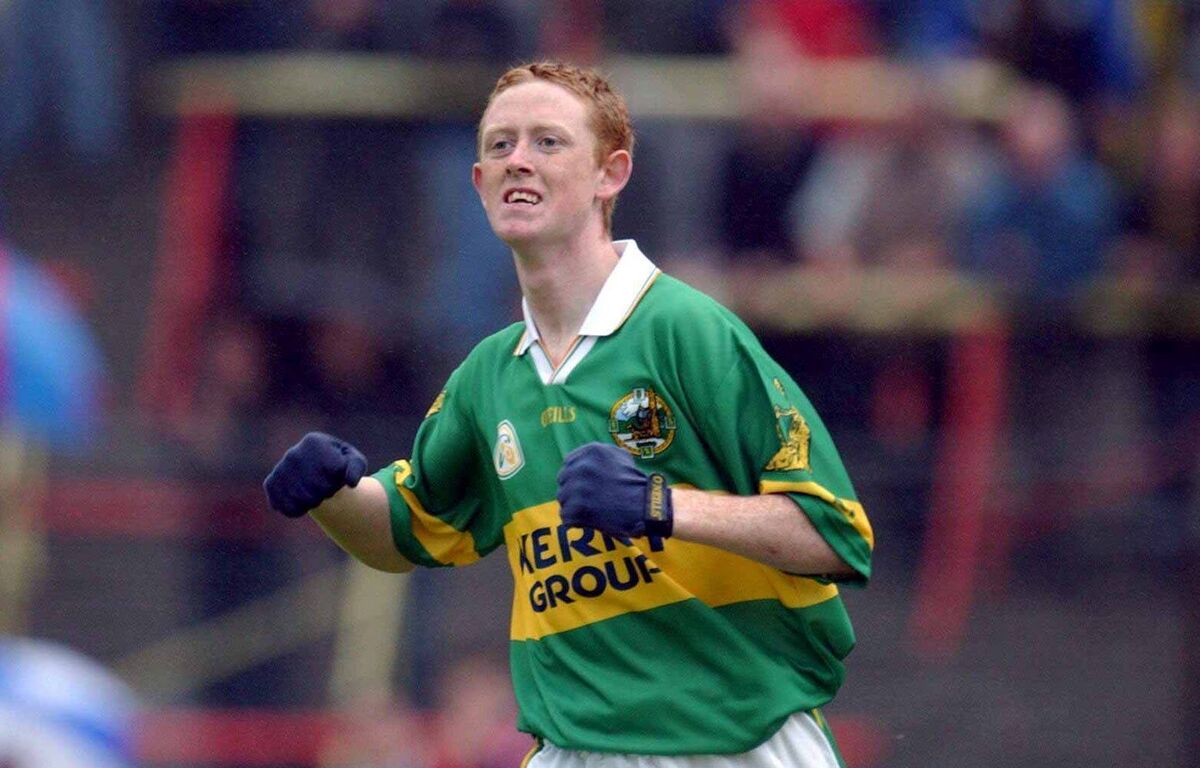
Like Gooch, broke onto a veteran team his first year out of minor, scoring three goals in the league, turning the Munster final against Limerick when moved out to centre forward, and then serving up a masterclass from full forward against Roscommon in his first senior game in Croke Park. Cormac McAnallen couldn’t sleep the night before the All-Ireland semi-final, the converted Tyrone full-back was so nervous about the prospect of marking someone so good. McAnallen would win that tussle but a year later O’Sullivan was winning the first of five All-Irelands – and five county medals with South Kerry. Seánie O’Shea before Seánie O’Shea.
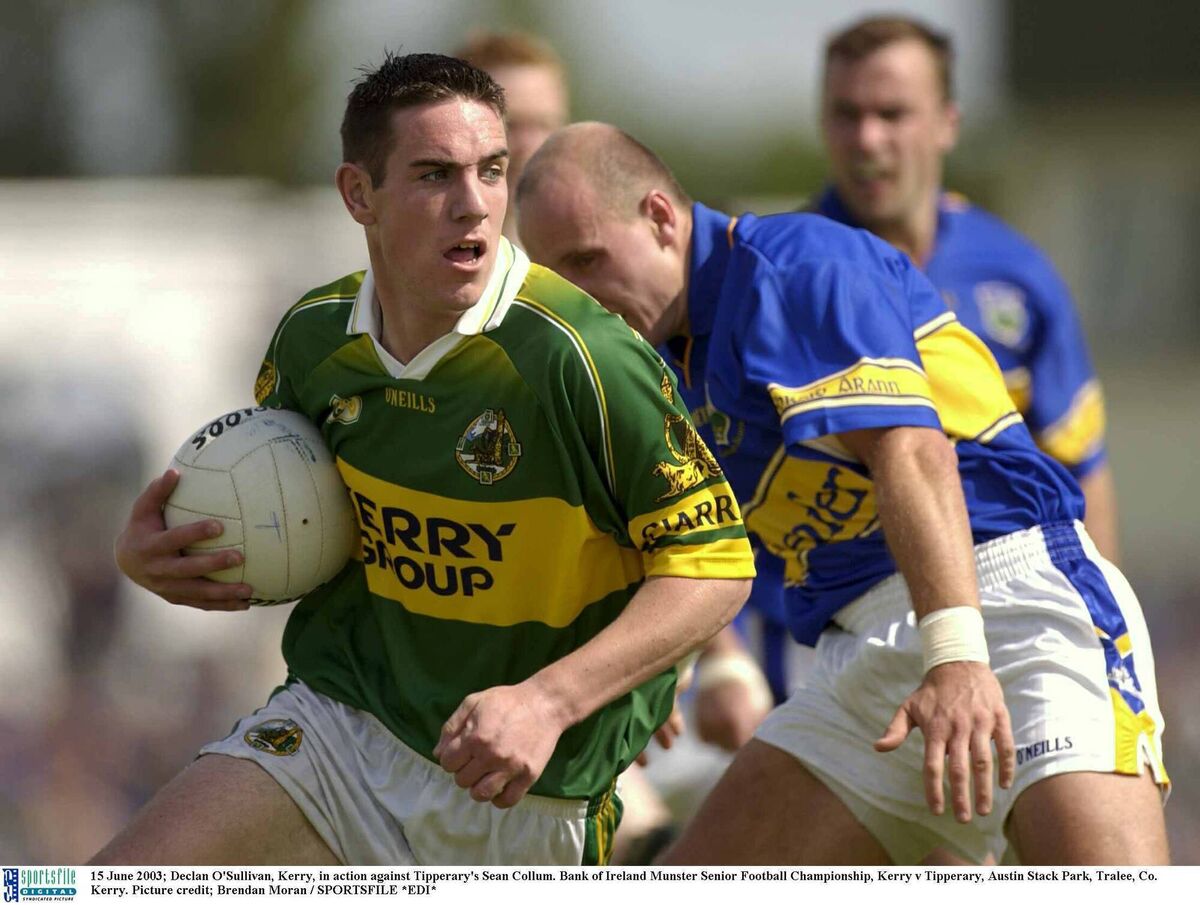
Wasn’t a golden boy or blue-chip talent in the lineage of all of the aforementioned, which explains why he had to wait considerably longer than them for his chance. After humbling Croke Park defeats to Armagh and Tyrone though, new manager Jack O’Connor identified that Kerry required a different kind of animal and forward: one who could win breaking ball, and a scrap if needs be.
Initially he’d be known more for his fight than his football but the latter would eventually shine through; in his breakthrough year of 2004 he’d score in each of Kerry’s last four games of the summer on his way to collecting his first All-Star and All-Ireland. Five years further on and he was the footballer of the year, revered for his smarts as much as his steel.
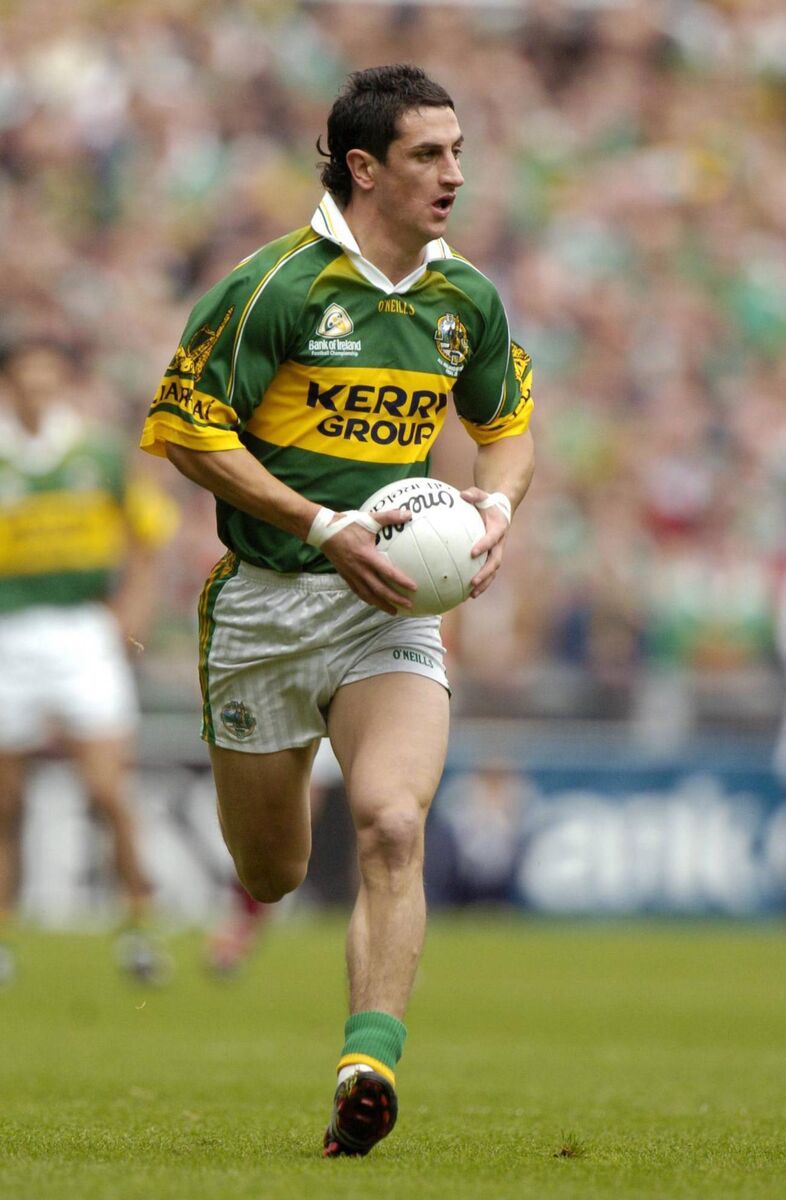
What to do when your primary free-taker of the past decade, one Dara Ó Cinnéide, can’t start the All-Ireland semi-final because of a hamstring? Why, just parachute a readymade 19-year-old into the starting lineup instead because as a three-year minor – two as a goalie – he was already a Croke Park deadballs veteran.
Sheehan would duly kick two points that day against Cork before Ó Cinnéide would come on for him and then start ahead of him in the final but another stellar striker of the ball had been blooded. For the following decade there wouldn’t be a finer off-the-ground kicker in the game.
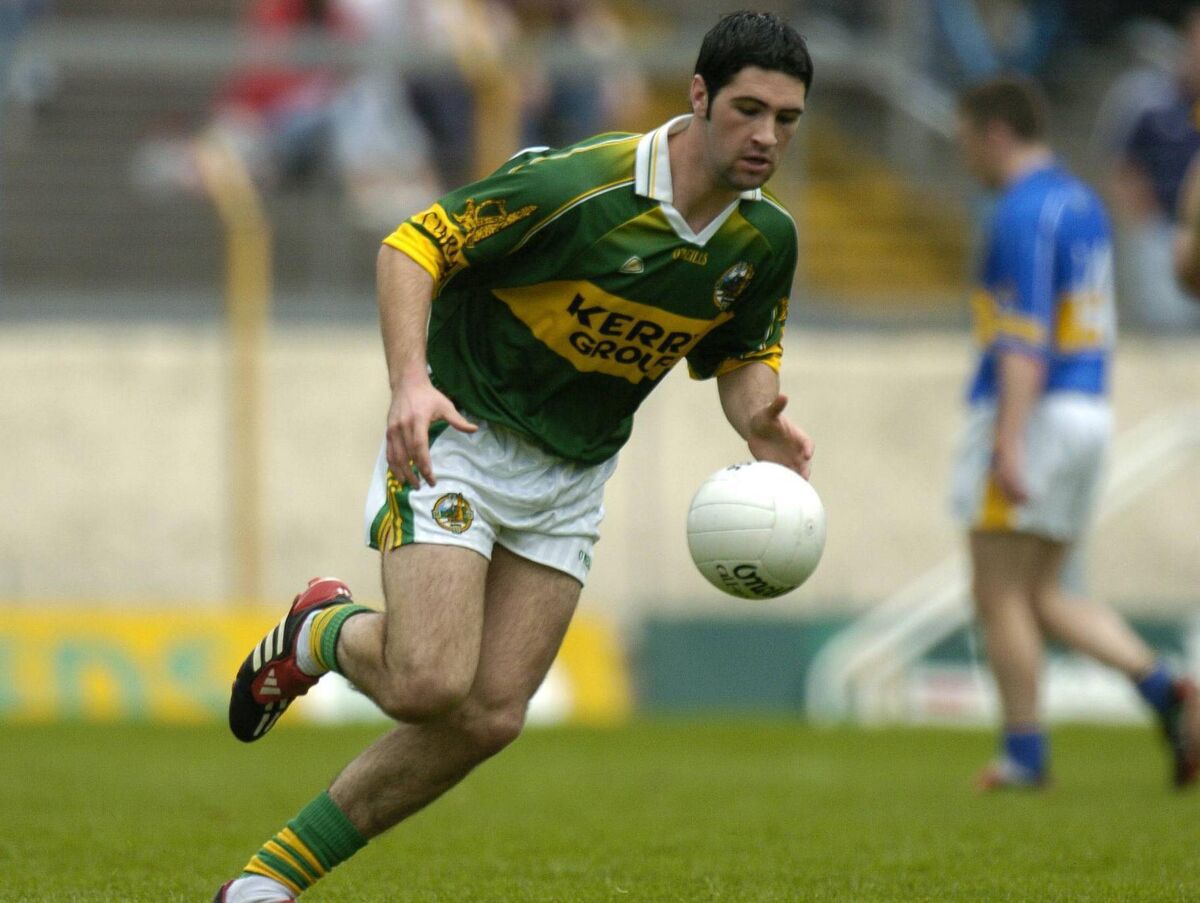
Twenty years on and everyone still knows the story of that summer. The Switch (from midfield). Longford. Francie and That Goal and asking Hearty who’s crying now, baby? At the outset of that season Donaghy had yet to start a senior championship game for Kerry. By the end of it he was the unanimous Footballer of the Year, having transformed not just a team but a sport.
Almost every county would subsequently try their own version of a Donaghy but nothing would equal the original. Twelve years later in Clones, he’d be still causing mayhem and feeding the finisher, only by then it was one by the name of Clifford rather than Cooper.
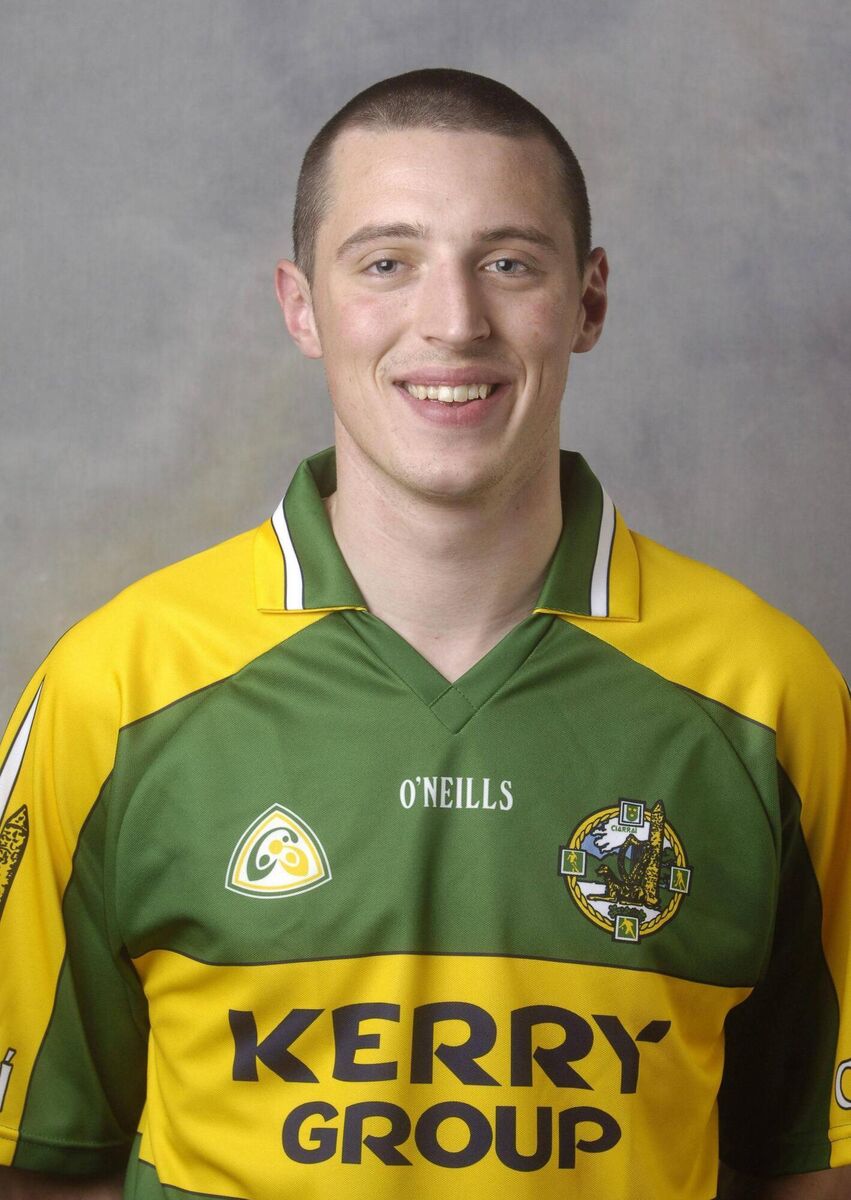
Such was the plethora of forward talent in Kerry during this era, Walsh, despite been given a league debut as far back as 2003 by Páidí Ó Sé, still hadn’t played any championship minutes for the county by the end of 2007.
The year still represented something of a personal breakthrough for him though. In the league he started in five games, the platform for starting four games in the following year’s championship and being a regular starter for the 10 years that followed. A model of resilience and persistence.
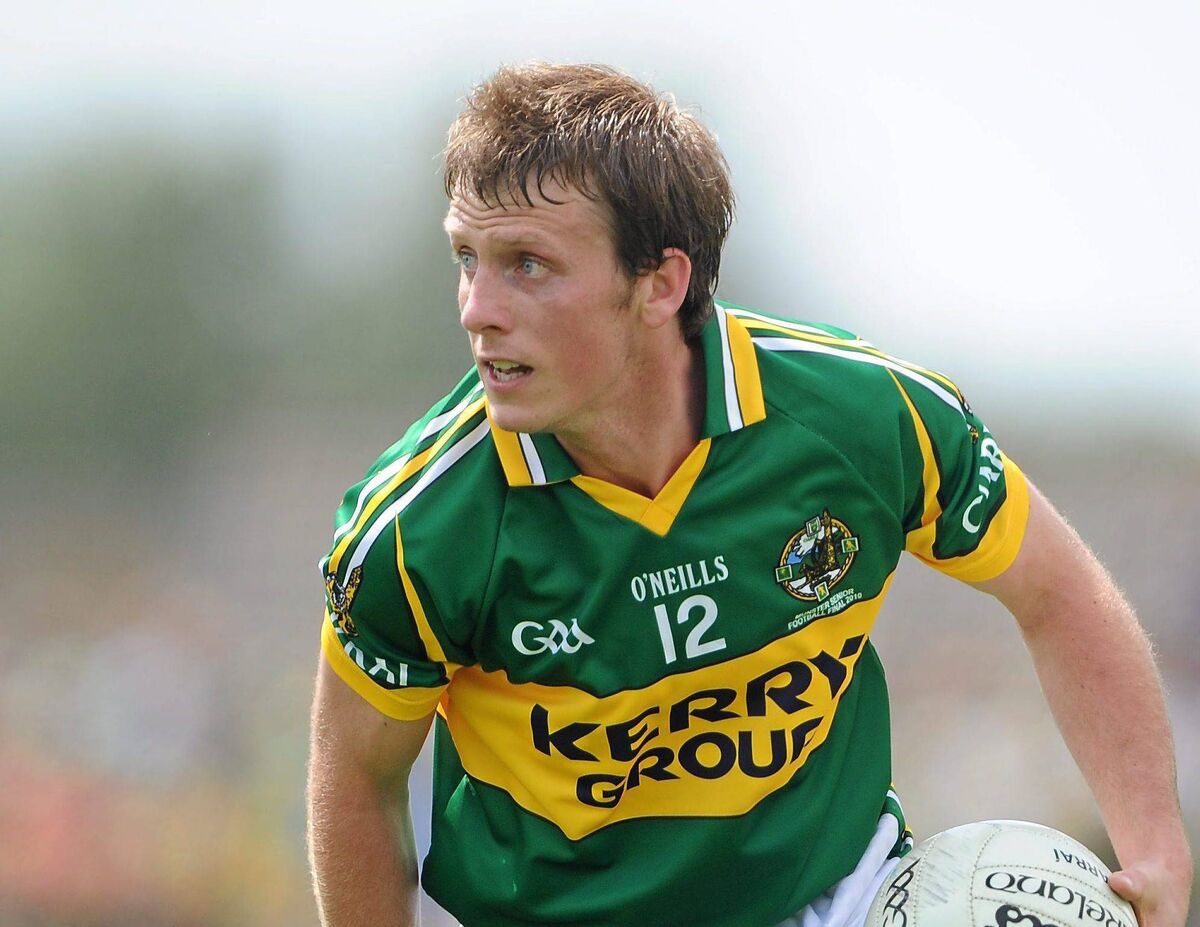
As if one towering Tralee inside forward wasn’t enough for opposing teams to contend with, then along came another. Walsh began the year inspiring the county to its first U21 All-Ireland in a decade (and its last prior to this year’s U20 title) before Pat O’Shea took a leaf out of Jack O’Connor’s playbook of 2006, deciding to remodel and rejuvenate his team following a Munster final defeat to Cork by starting and backing a wrecking ball inside.
Monaghan, Galway and Cork were all laid waste and Tyrone would ingeniously foil the Twin Towers in the All-Ireland final, Walsh still succeeded Killian Young as the Young Footballer of the Year.
A year later Walsh was even better, leading the line at full-forward in the absence of the injured Donaghy to win an All-Star and the All-Ireland final man of the match by taking Cork 0-4 from play in a tight, low-scoring affair (the lowest in the five years either side of it). In those years you could not stop him – until a call from the AFL did.
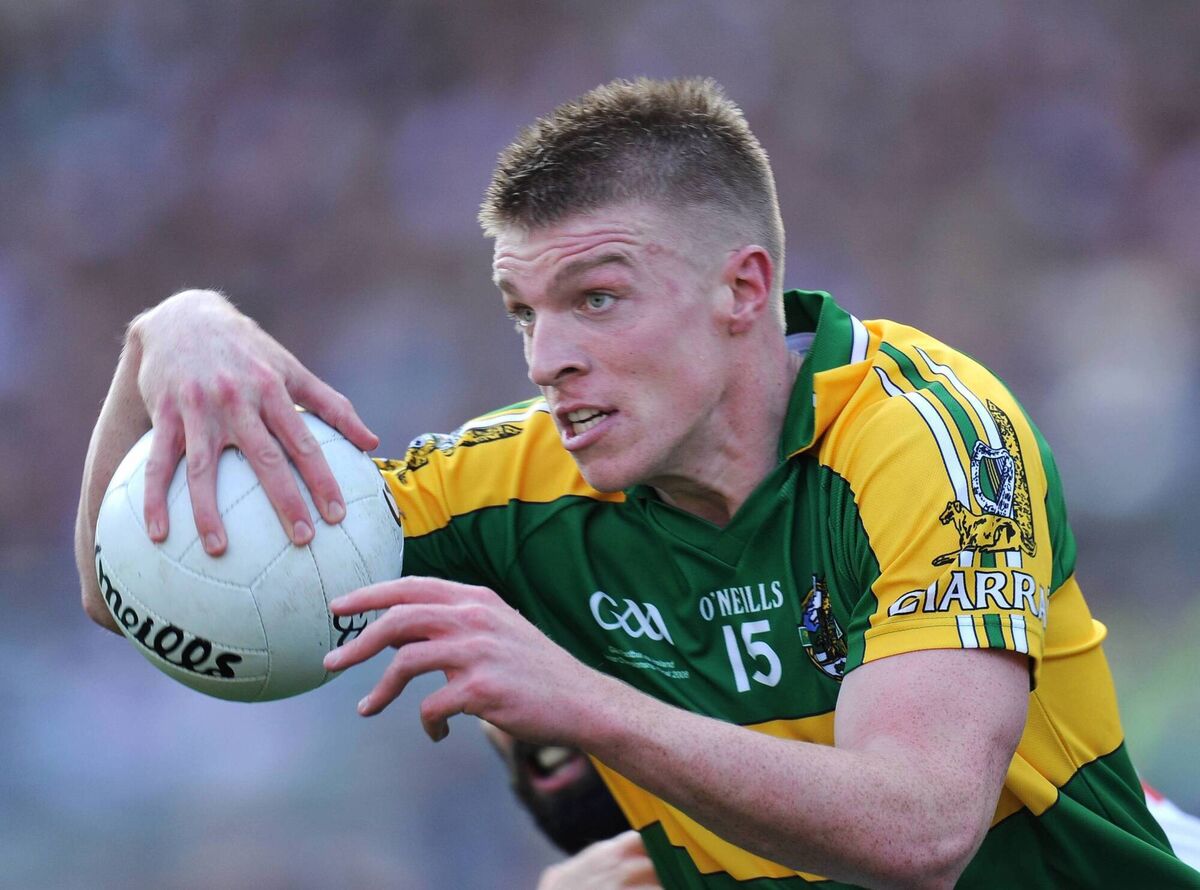
Another one that got away – but at least in 2009 they got him back. Kennelly had been one of the great What-Ifs of Kerry football, Mark O’Connor before Mark O’Connor, having being a three-year minor prior to heading over to Sydney. For the 2009 season though he’d take a one-year hiatus from the Swans to play and try to win an All-Ireland with Kerry, just as his father Tim had precisely 30 years earlier as captain.
His season now is mostly known for that hit on Nicholas Murphy and that jig on the Hogan Stand podium but there was much more to it than that; he’d kick two points from centre forward in all three championship games in Croke Park, meaning he’d return to Australia for good that winter with an All-Star as well as a Celtic Cross in his luggage.
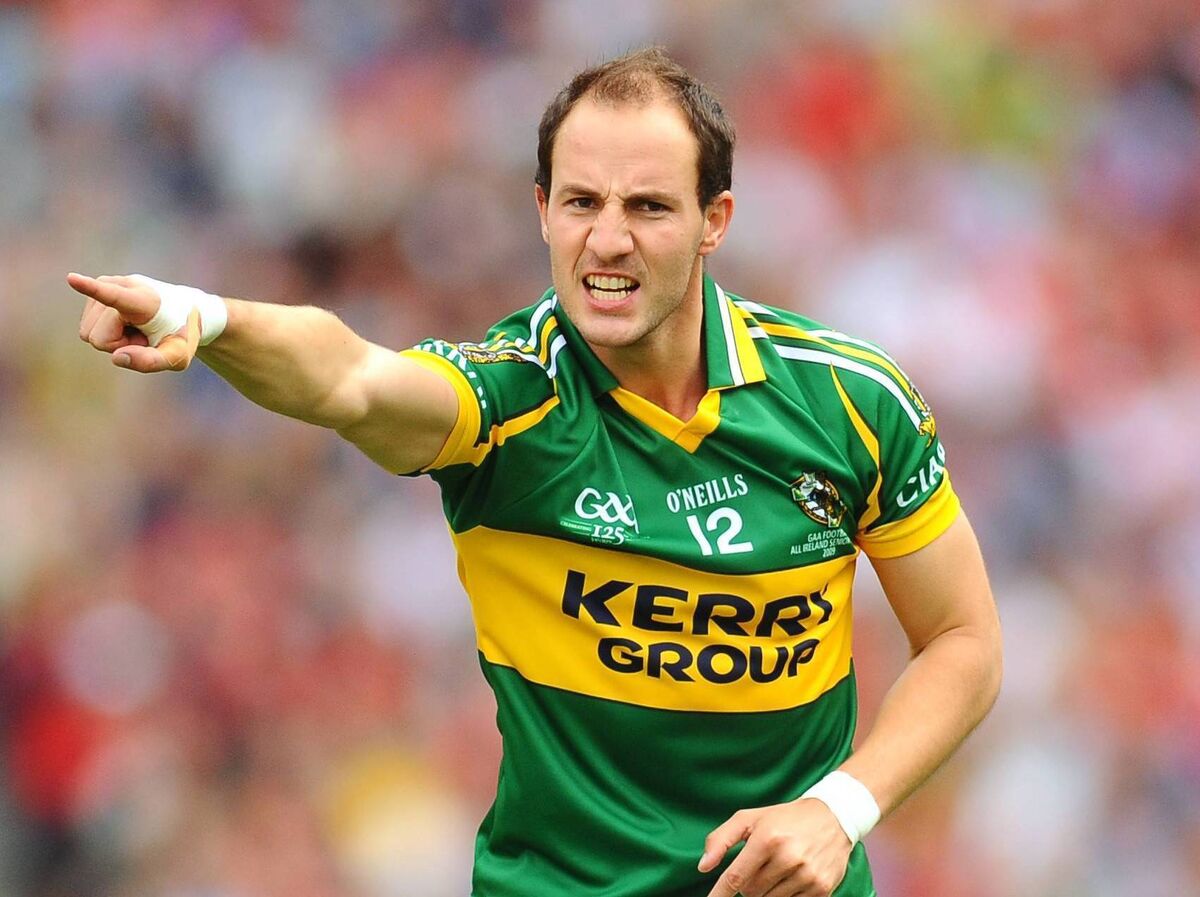
Not a household name like most of the others on this list, primarily because only three of his 37 championship appearances were as a starter. There was a reason though the Strand Road man would get game-time in nine different championship campaigns – he was the definition of an impact sub with his capacity to provide instant scoring, a precursor to Killian Spillane, and it was apparent from his rookie season when he’d come on and kick two crucial points in extra-time of a sweet Munster semi-final replay win over biggest rivals Cork in Páirc Uí Chaoimh.
It would be a taste of what was to come, like in 2014 when he came on to kick 0-2 against both Mayo and Donegal to seal an unlikely All-Ireland for the county.
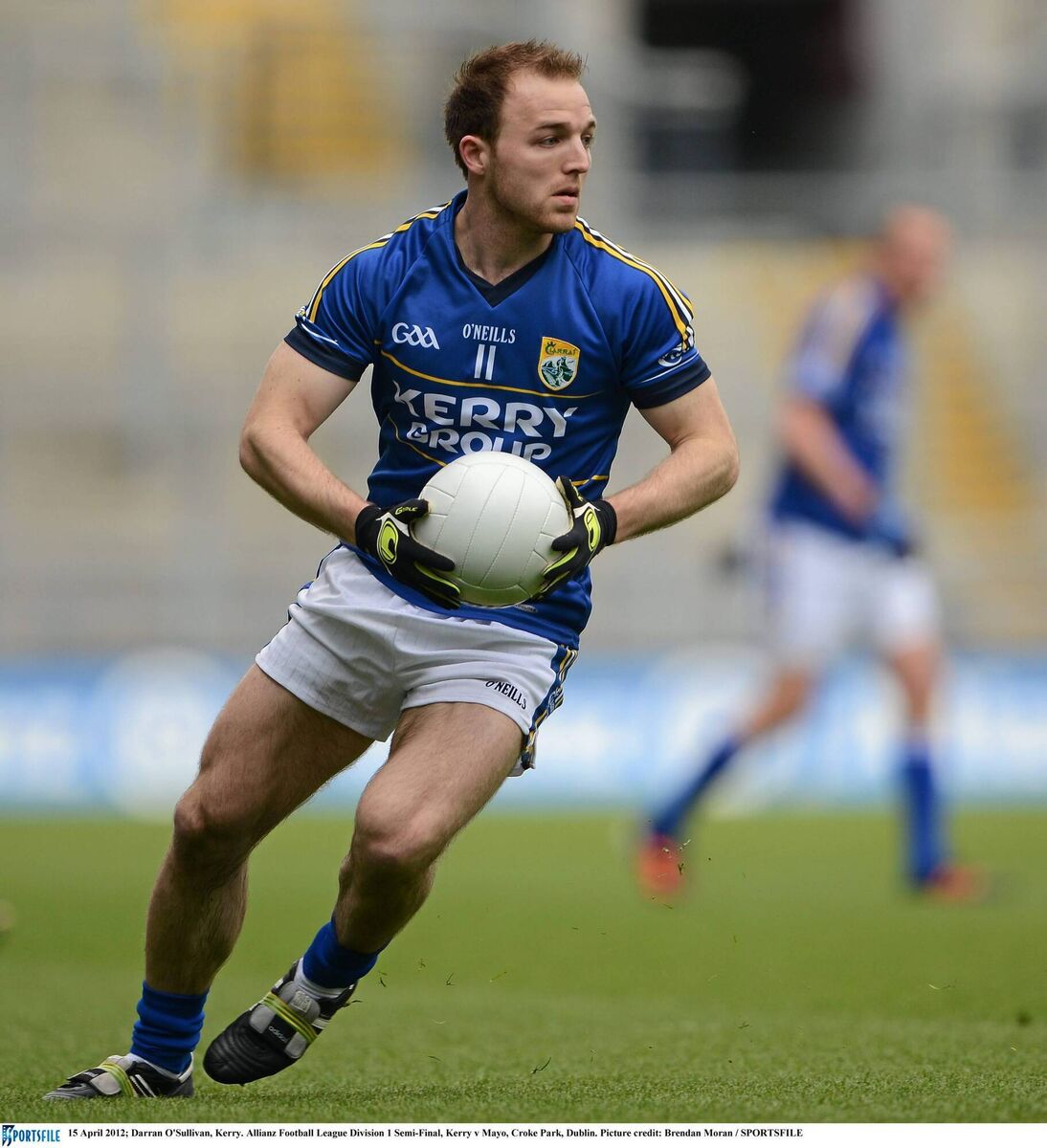
O’Sullivan had been featuring for Kerry in every championship since being thrown into the 2005 All-Ireland final only 12 months on from playing them in the minor decider, but it took until 2011 for him to finally nail down a starting spot. When he did there was no stopping him. He’d finish the year as an All-Star and a footballer of the year nominee, the most electrifying wing forward in the game.
There have few as chastening underage defeats in Kerry football history as the U21’s 2-24 to 0-8 humiliation to Cork in 2011, yet within three years nine of their starters from that night as well as their manager would drive the county to another Sam Maguire. O’Donoghue was the pick of that crop, getting some minutes in the senior 2011 championship, and then breaking onto the starting 15 proper in 2012, playing alongside Donaghy and Gooch inside. A year later he’d be an All-Star, the year after that, Footballer of the Year, a finisher supreme.
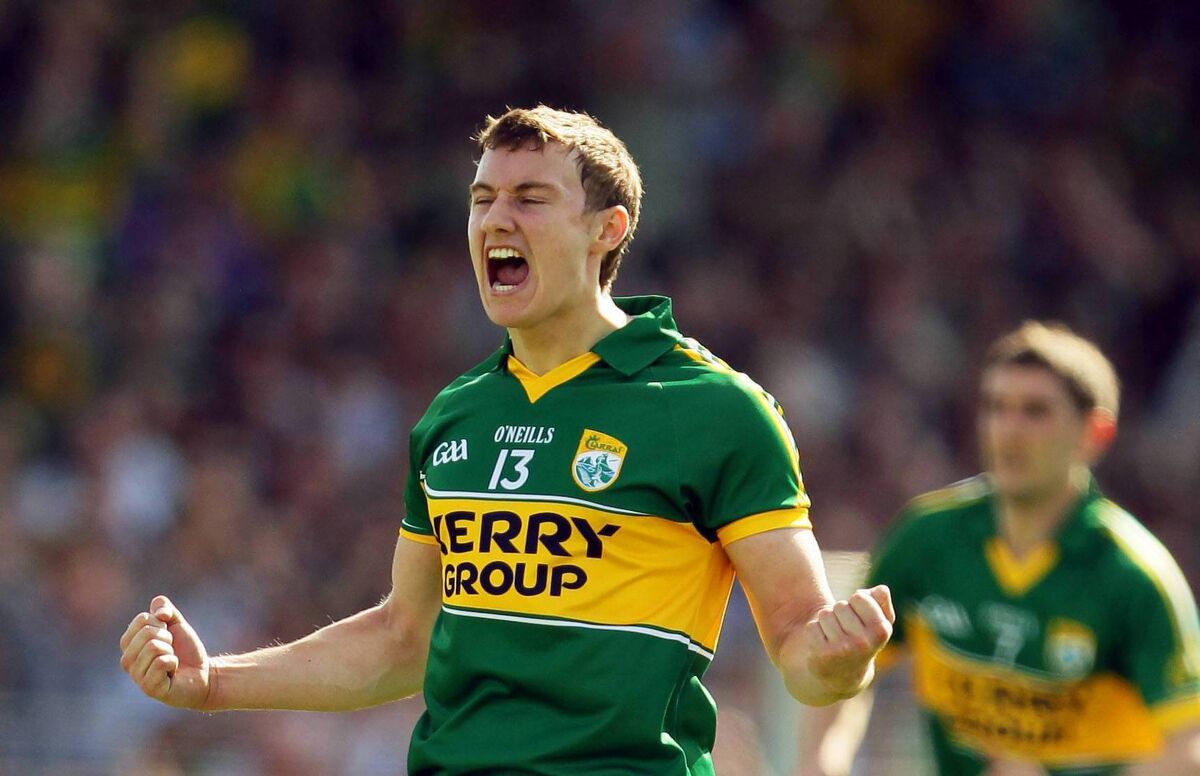
This particular year that he broke onto the starting 15, Buckley actually lined out at midfield, but he’d show in that campaign why in the following one he’d be moved into the forwards; in three of Kerry’s four championship games prior to their epic All-Ireland semi-final defeat to Dublin, the Dr Crokes man kicked at least 0-3 from play. While hardly a marquee forward, his skillset and technique meant he'd continue to be an effective one right up to his last championship game of 2017 when he’d score a goal in the drawn semi-final against Mayo.
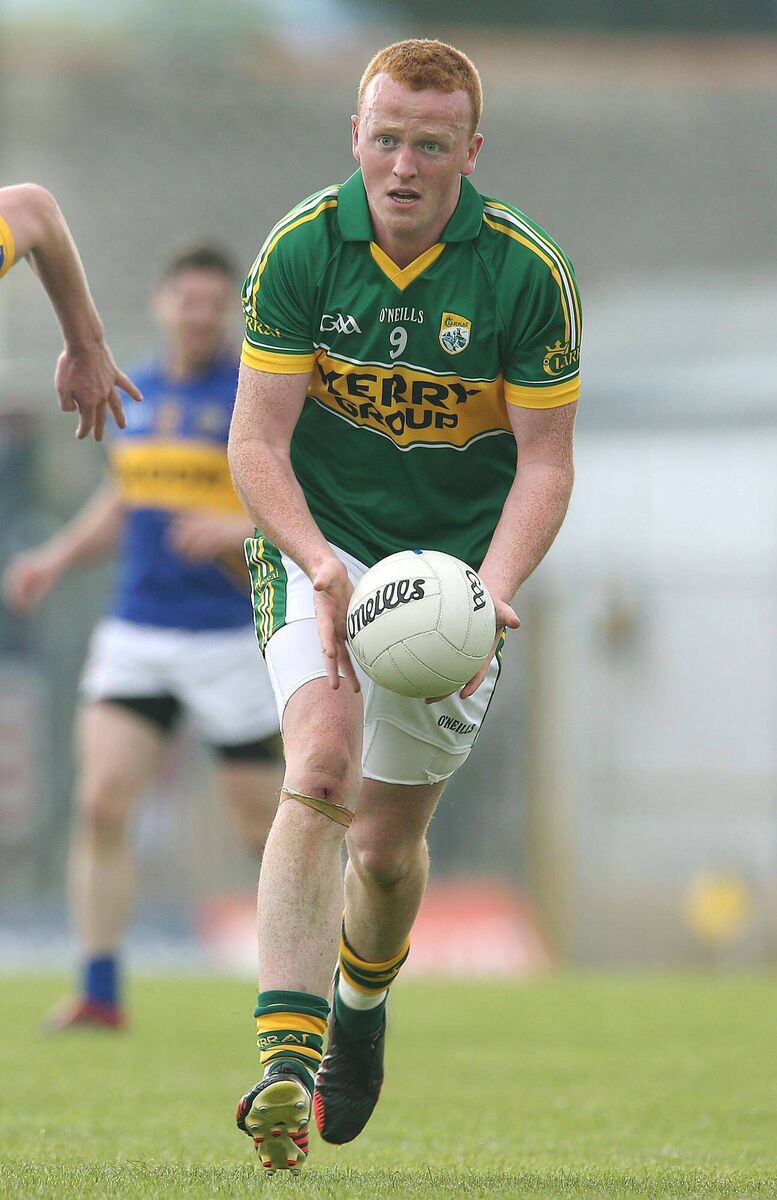
So at the start of this particular year Joe Brolly told us that the forward production line in Kerry was finished. Well, Paul Geaney would show what he thought about that. Another survivor from the 2011 U21s hammered in Cork, he’d only played twice with the seniors prior to the campaign of 2014: a league game against Cork in 2011 and some minutes of garbage time against Cavan in the All-Ireland quarter-final of 2013.
Wiser and older and crucially free from injury though, he’d attack 2014 from the outset, scoring a goal in each of Kerry’s last three games of the league, before averaging nearly 0-4 a game in championship prior to the final against Donegal in which he’d score a goal in the opening minute. Twelve years, three All-Irelands and two All-Stars later and he’s still one of the best finishers and operators in the game.
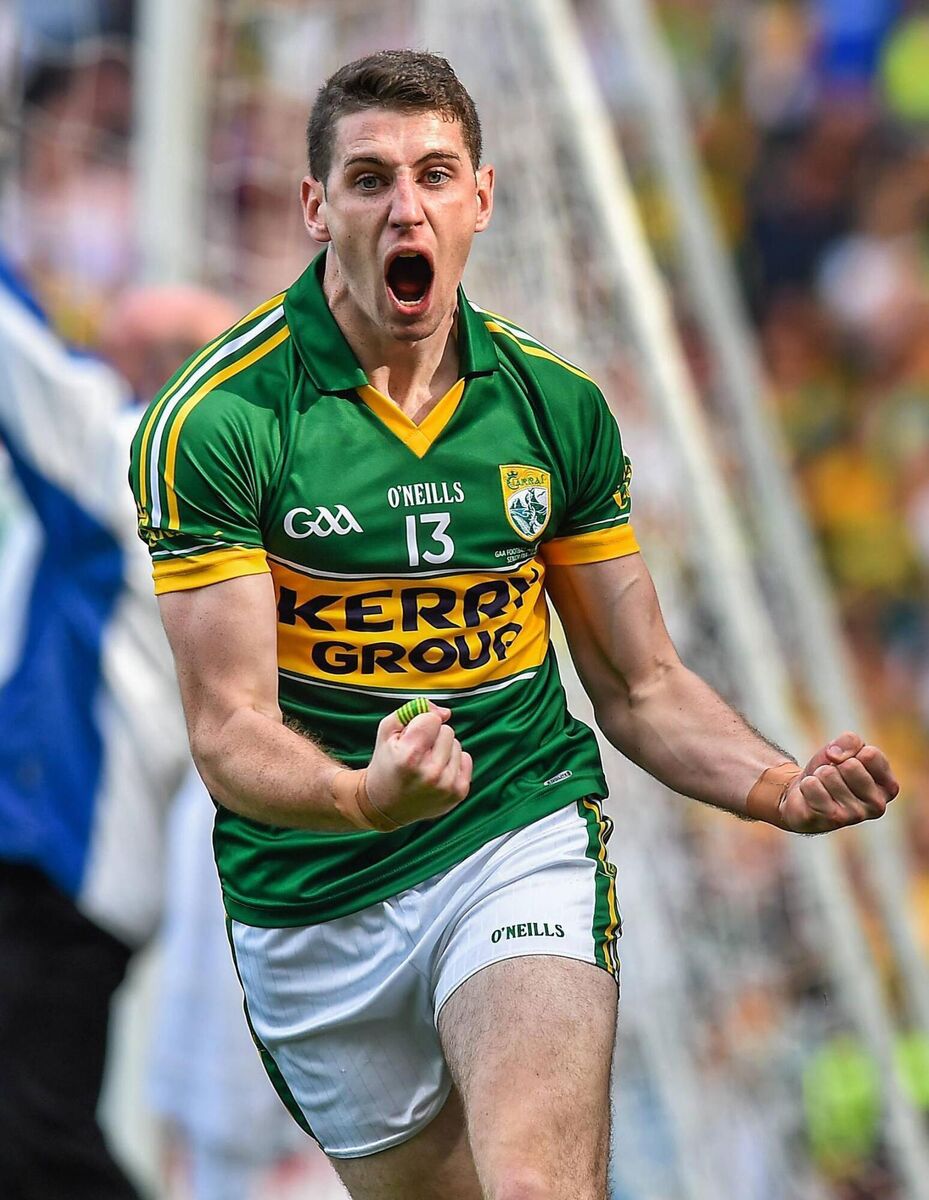
Another of the 2011 U21s that made a significant impact in 2014, though he only featured in two of Kerry’s last four games of that campaign. In 2015 he’d establish himself as a key starter upon Kerry returning to Croke Park, producing a big tally (1-4) in the quarter-final demolition of Kildare and big scores (0-2) in a tight semi-final win over Tyrone.
Four years later he’d score the decisive goal in another semi-final win over Mickey Harte’s men, and would still be featuring in another semi-final as late as 2024. One of those unheralded wing forwards, in the mould of a Donnacha Walsh and Seán O’Sullivan, who helped the stars shine – and win.
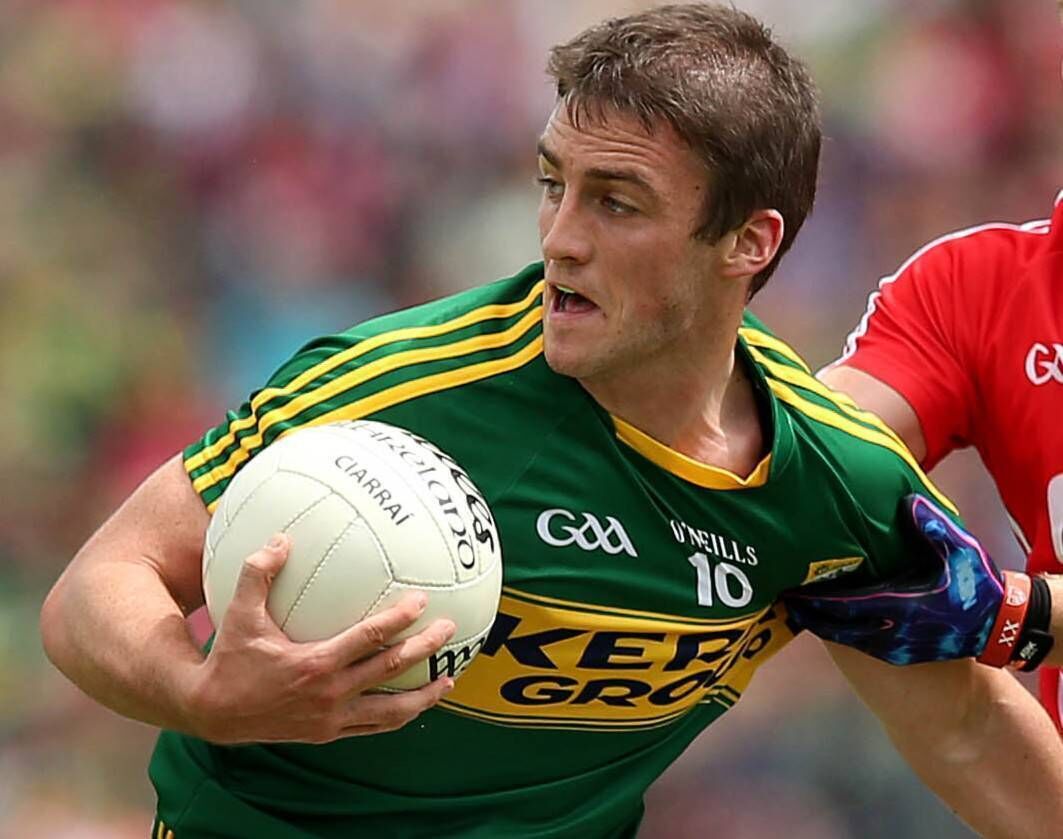
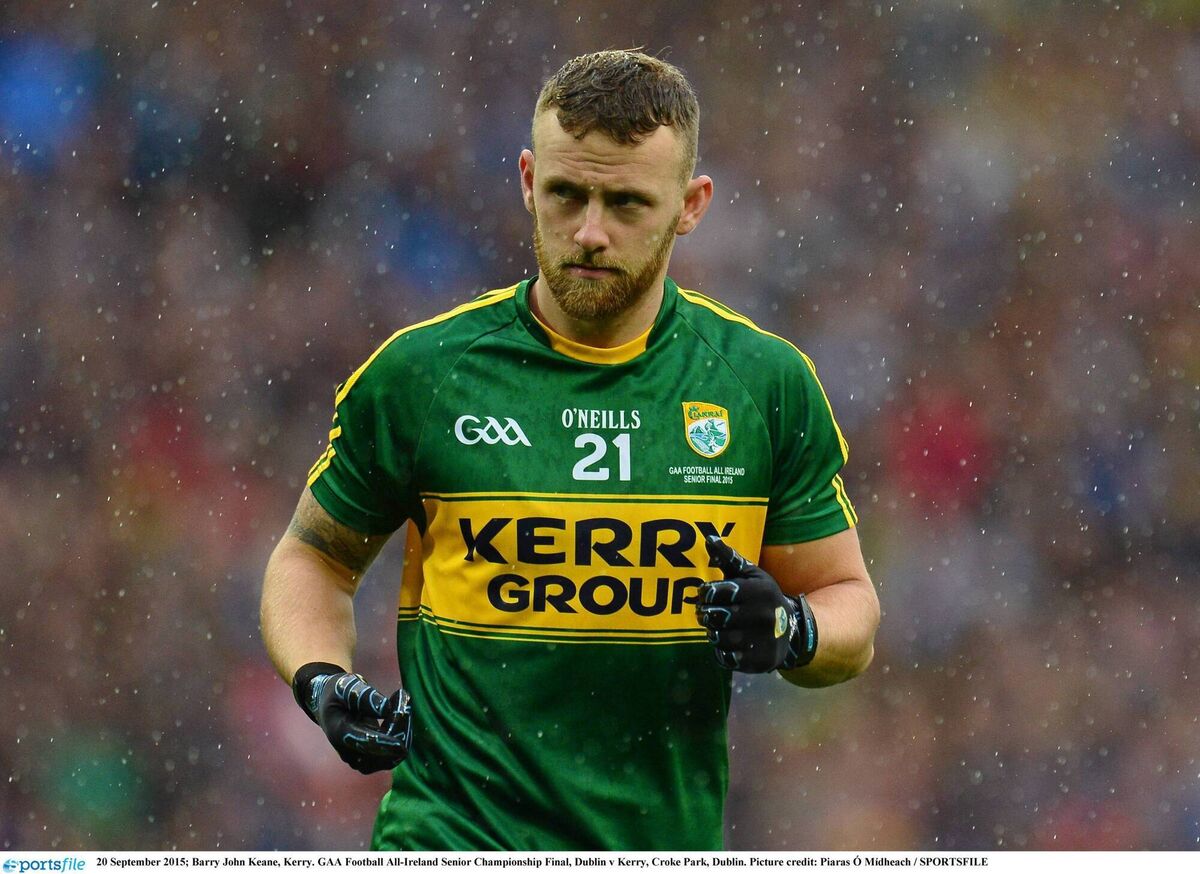
A bit of a stretch this one, given he’d only play five minutes all year – a late cameo in the quarter-final win over Clare – and would have to wait until 2020 to play senior again for Kerry but no other newcomer would feature in an otherwise veteran forward line that campaign of 2016. Ten years later he’s still showing what a clinical footballer he is, like the five points he swung over in the Munster final against Cork.
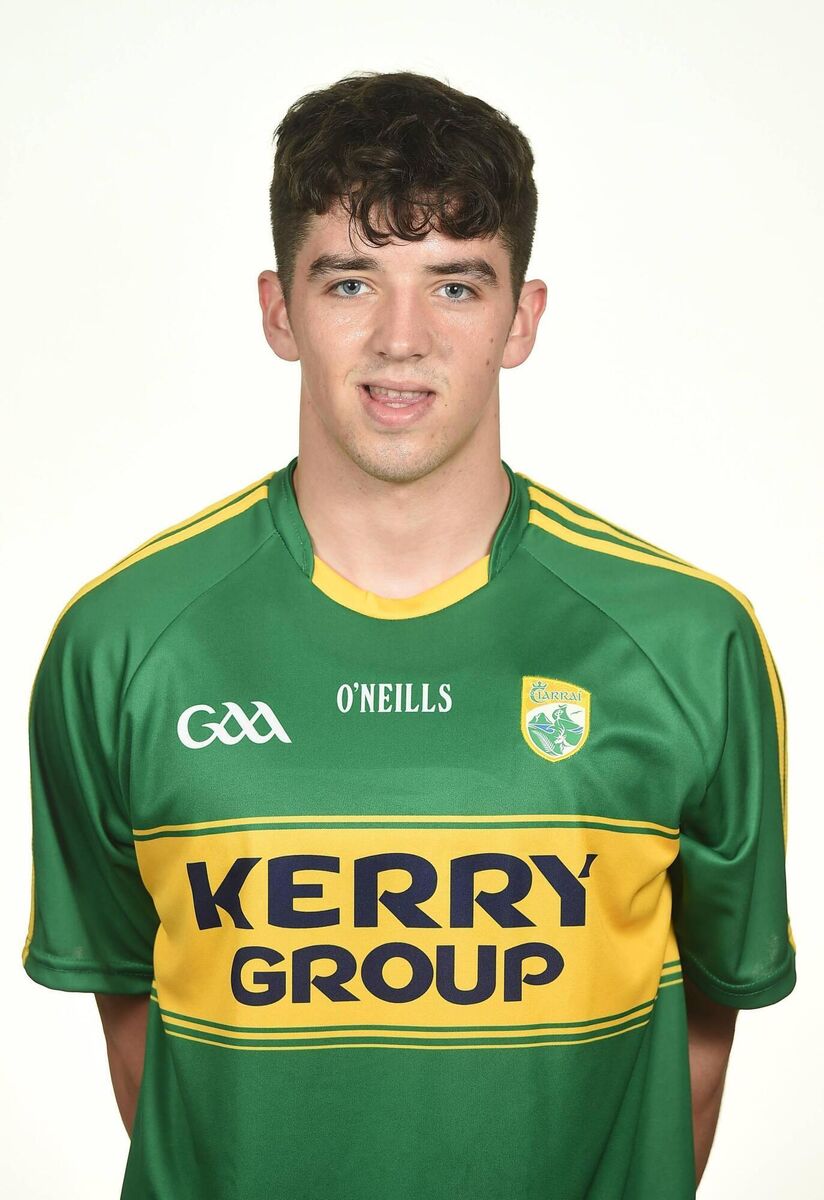
Another stretch, you reckon? Especially as he’d go on to play in the backs, including in that year’s All-Ireland semi-final replay defeat against Mayo when he was parachuted into the starting lineup having never played a minute in championship before. But nominally he was listed at corner forward that day, being a late replacement for James O’Donoghue as Éamonn Fitzmaurice opted to play a sweeper, and in subsequent years he’d go on to be one of the game’s finest attackers, taking the baton from Lee Keegan as the game’s highest-scoring back.
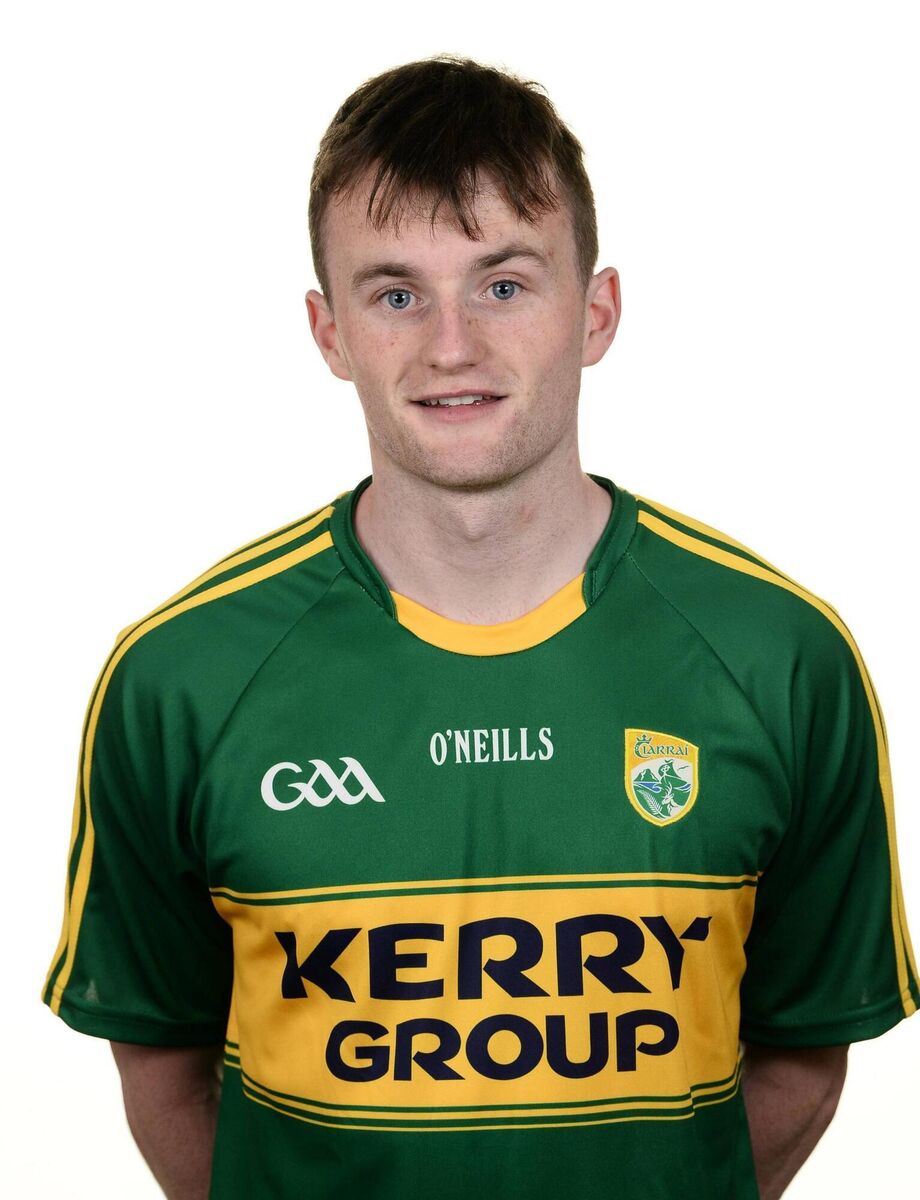
Want a more immediately-impactful or conventional forward after the choices of Brosnan and O’Sullivan above? Well, will David Clifford do, even if you could hardly describe him as conventional or normal? There were some fears and doubts if Clifford could match the expectations raised by him going for 4-4 in the last-ever U18 minor All-Ireland final of 2017 but he’d immediately quell them, scoring four goals in the inaugural Super 8s of 2018.
That season would be only the third since the watershed Munster final win of 1996 that Kerry would fail to reach an All-Ireland semi-final but it still provided the consolation and memory of the Donaghy-to-Clifford goal in Clones and the first of the Fossa man’s six All-Stars to date. Inevitably will overtake Spillane’s leading All-Star count of nine – and Cillian O’Connor as the highest championship scorer in history.
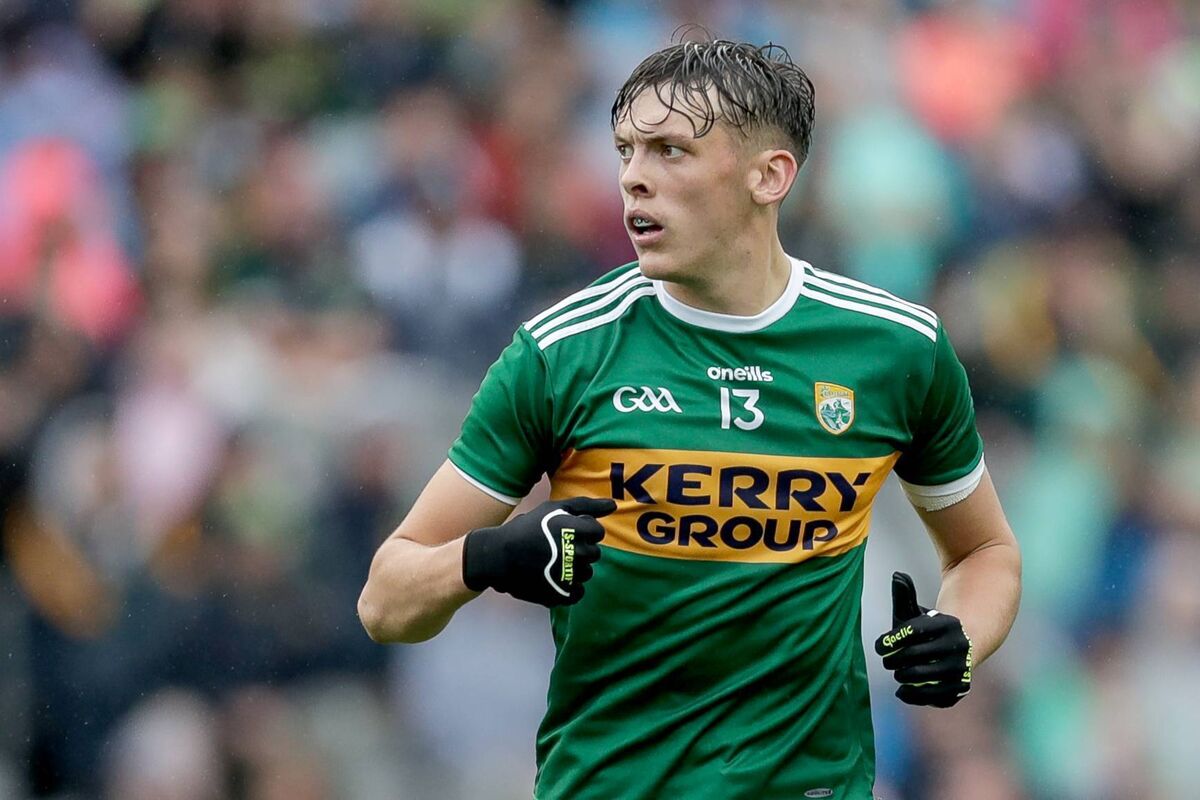
Had a fine rookie year himself in 2018, being immediately entrusted with the frees and scoring 0-24 over five games that summer, but it was in 2019 he’d definitively show he was more than Clifford’s sidekick but rather partner, a Declan O’Sullivan to his Gooch.
In that 2019 championship campaign which would see Kerry coming within a point of foiling the Dubs’ five-in-a-row, O’Shea would kick at least 0-4 in each of Kerry’s eight games, and an average of 0-8. Inevitably succeeded Clifford as young footballer of the year and an All-Star, the first of four he has collected to date.
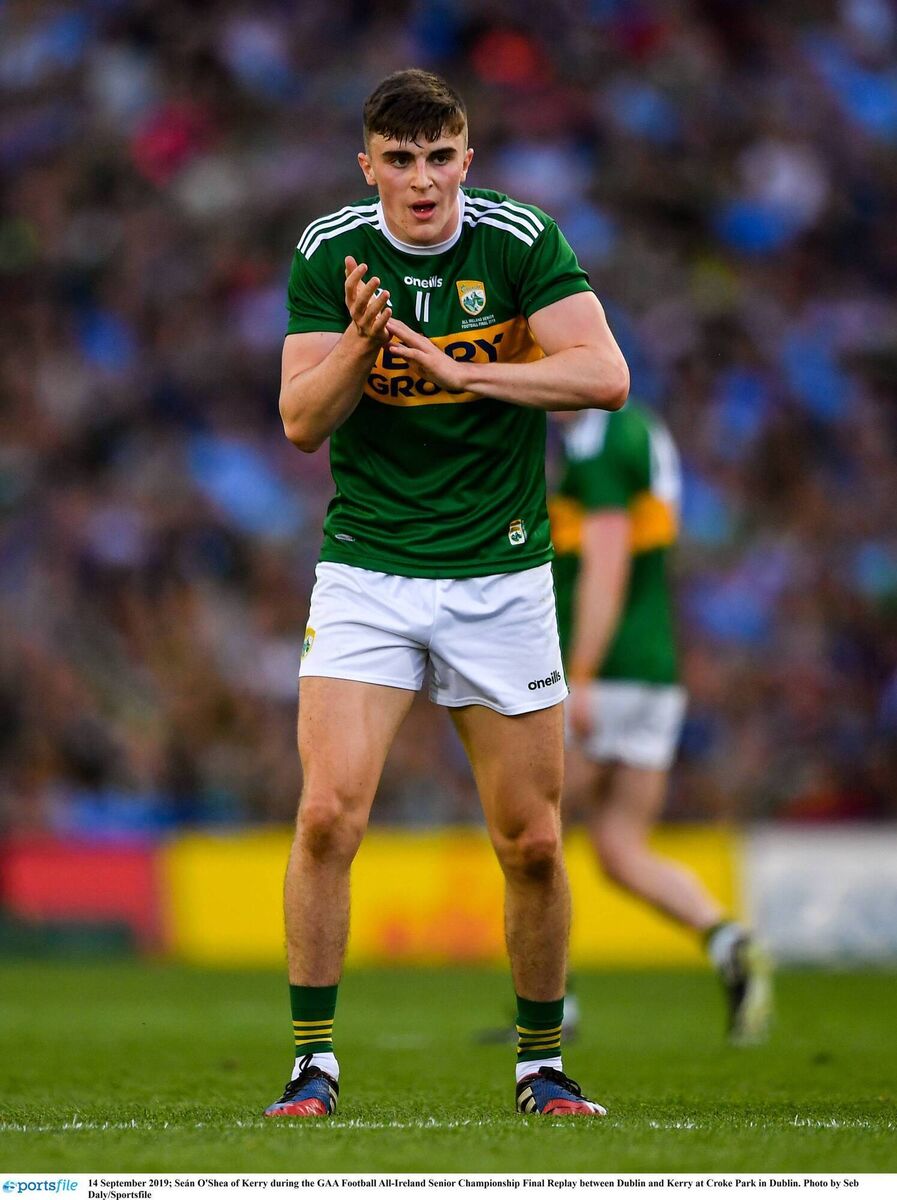
Like Clifford and O’Shea after – not before – him, Spillane was an exceptional minor, the first standout forward from the five consecutive All-Irelands Kerry would win in that grade. But he’d have to wait – and wait – for his chance to come at senior, until 2019 in fact when he’d finally get some minutes in championship, including a cameo in the drawn All-Ireland final when he’d fire past Stephen Cluxton.
About the only consolation from the shocking 2020 Covid defeat to Cork was that Spillane reinforced that he was a source of instant offence coming off the bench; that evening with scores at a premium in a bleak and empty and storm-swept Páirc Uí Chaoimh he’d kick four points from play in just 40 minutes. All these years on and that’s what he still does, making up for all that time he had to wait.
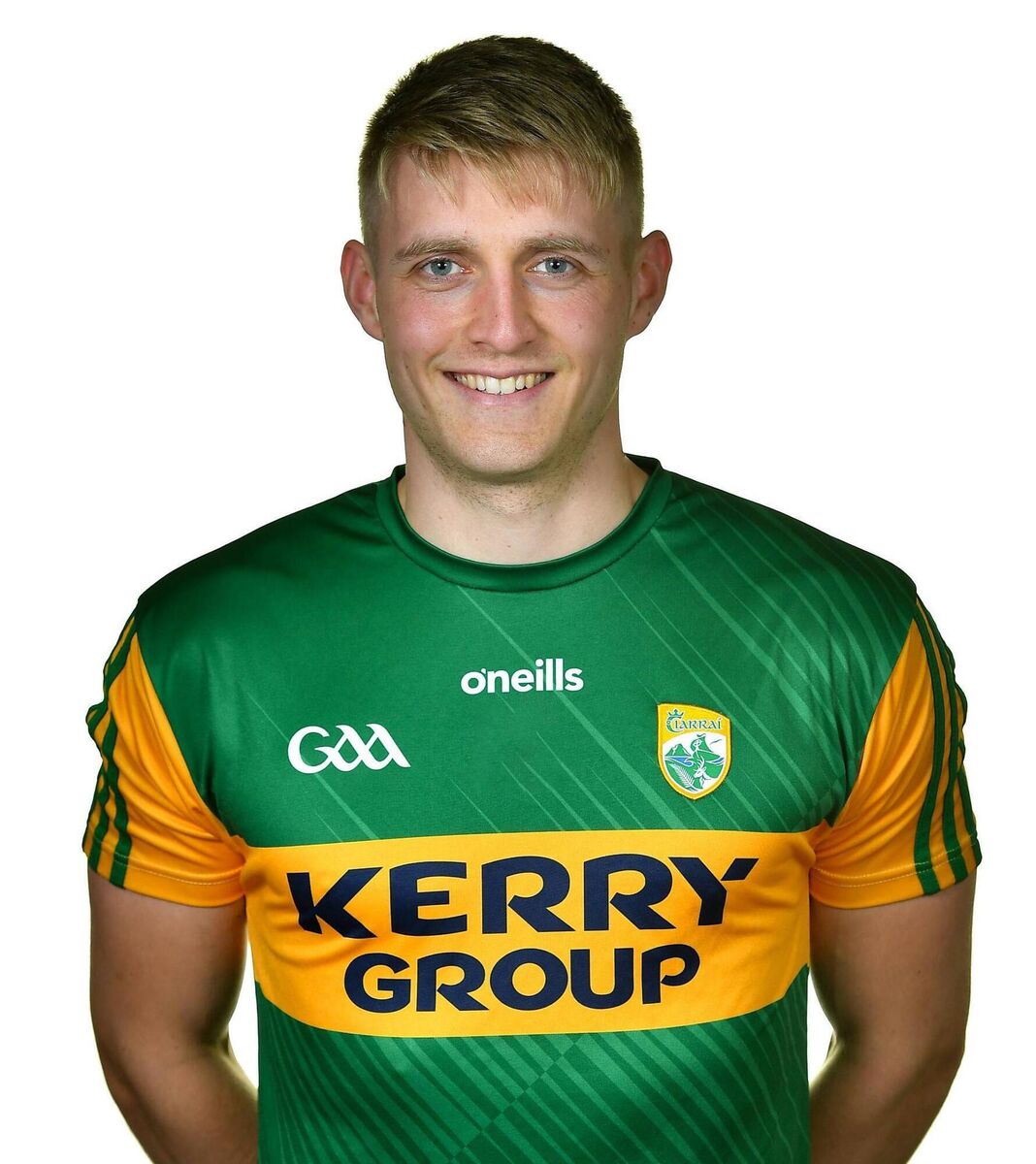
Made his championship debut by coming on seconds before Mark Keane’s stunning strike down in Cork but the following year he was fully unleashed, going on to win the first of four All-Stars he has to date. Those of us who thought we’d never again see a one-two brothers’ attacking punch like Alan and Bernard Brogan were wrong.
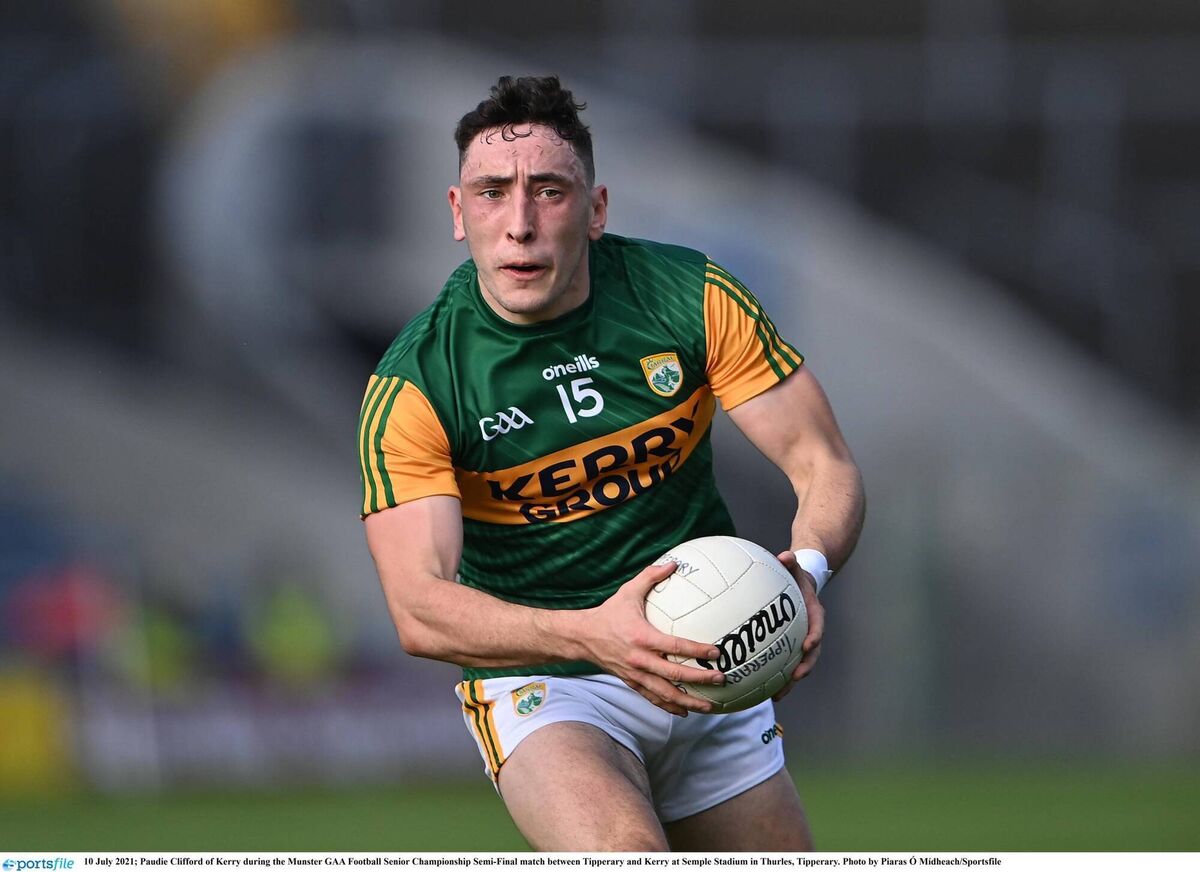
The Na Gaeil man had been on and off the starting 15 since 2019 but it took until 2022 for him to finally establish himself as an automatic starter, and it’d be at wing forward where he’d come up with some plays against Dublin and Galway to help deliver the county’s first All-Ireland in eight years.
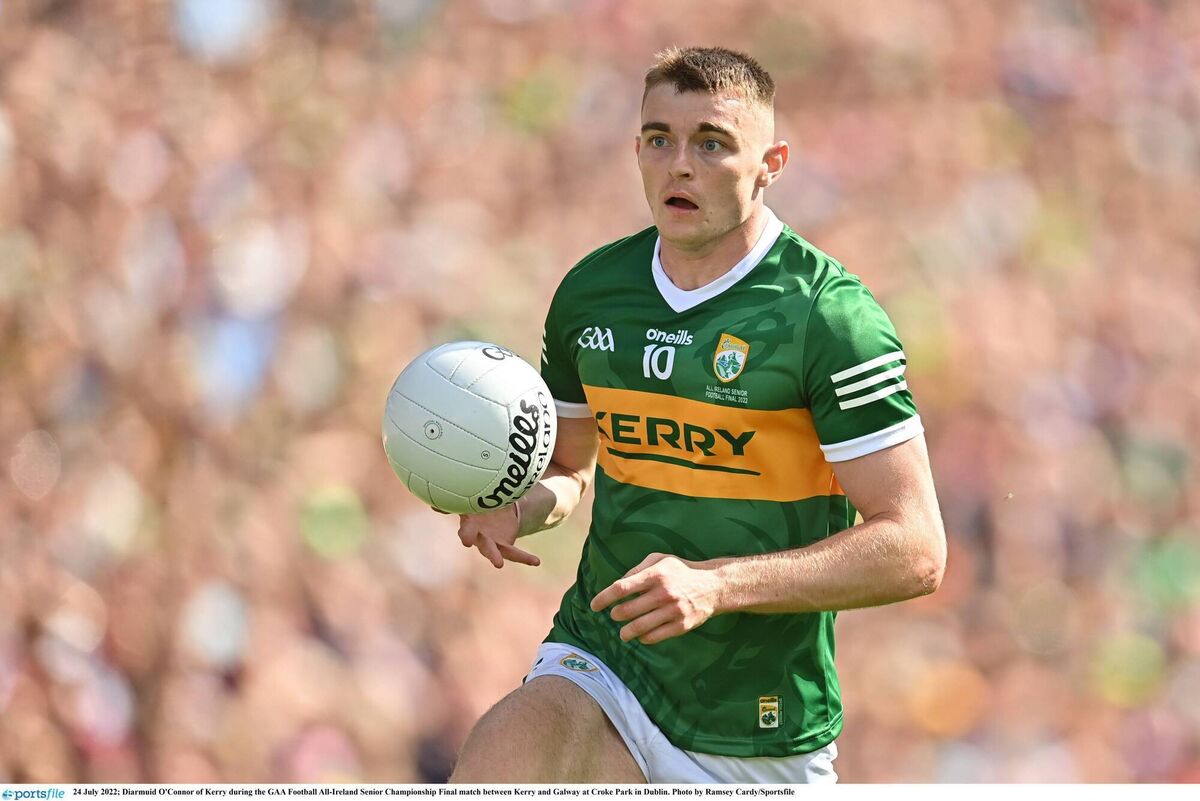
Had been getting game-time with the squad since 2019 but ’23 would mark his first year starting every game of the summer, as he would in 2024 before injury hampered him. Another one of those neat wing forwards a la Micheal Burns and Tony Brosnan who has helped maintain All-Ireland semi-finals as a baseline for Kerry this decade.
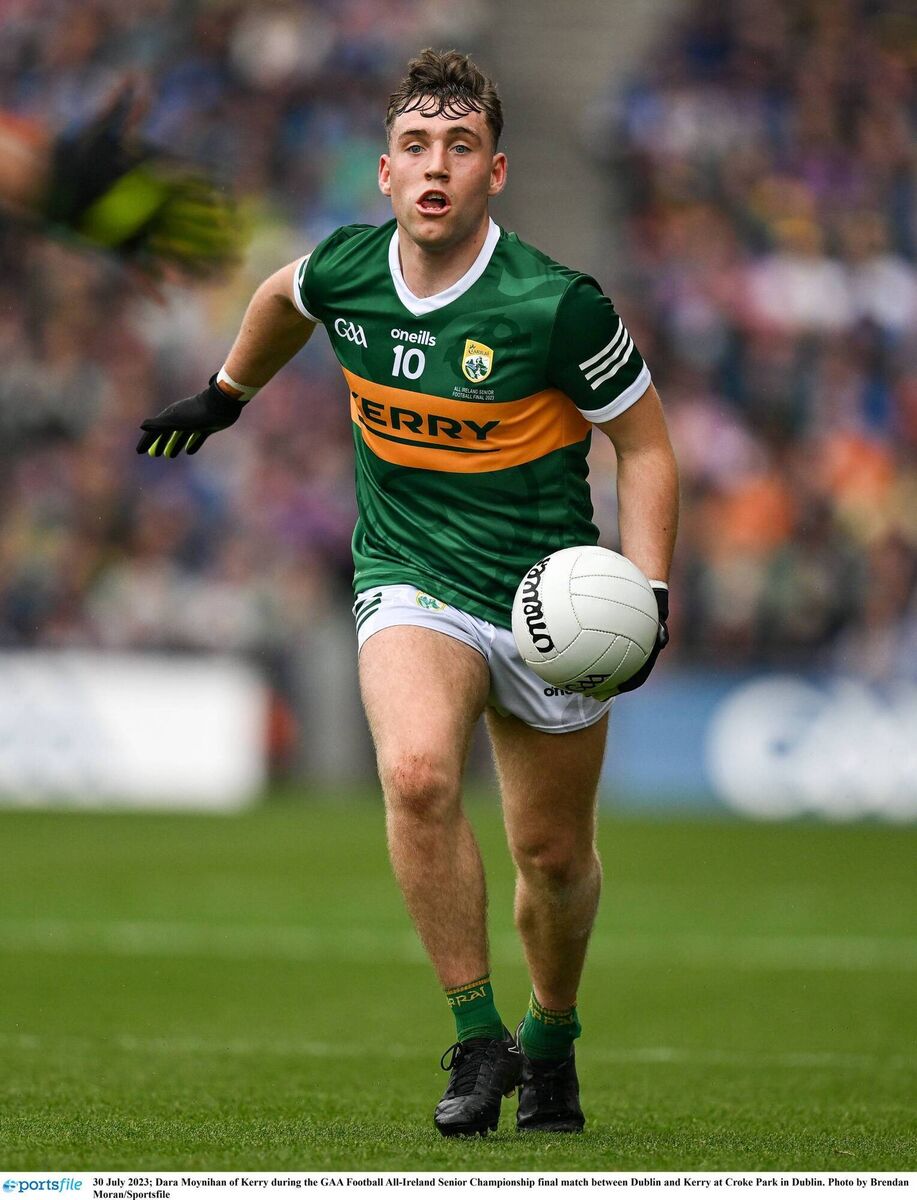
You might not quite the recognise the name as the winter after this campaign he headed to Australia to play for the Geelong Lions alongside Mark O’Connor and Oisin Mullin.
In 2024 though he gave an indication of his potential, starting in both games in the Munster championship and featuring in every game of the All-Ireland series, including in the semi-final defeat to Armagh where he kicked a point. Might yet do a Tadhg Kennelly so you’ll remember the name for sure.
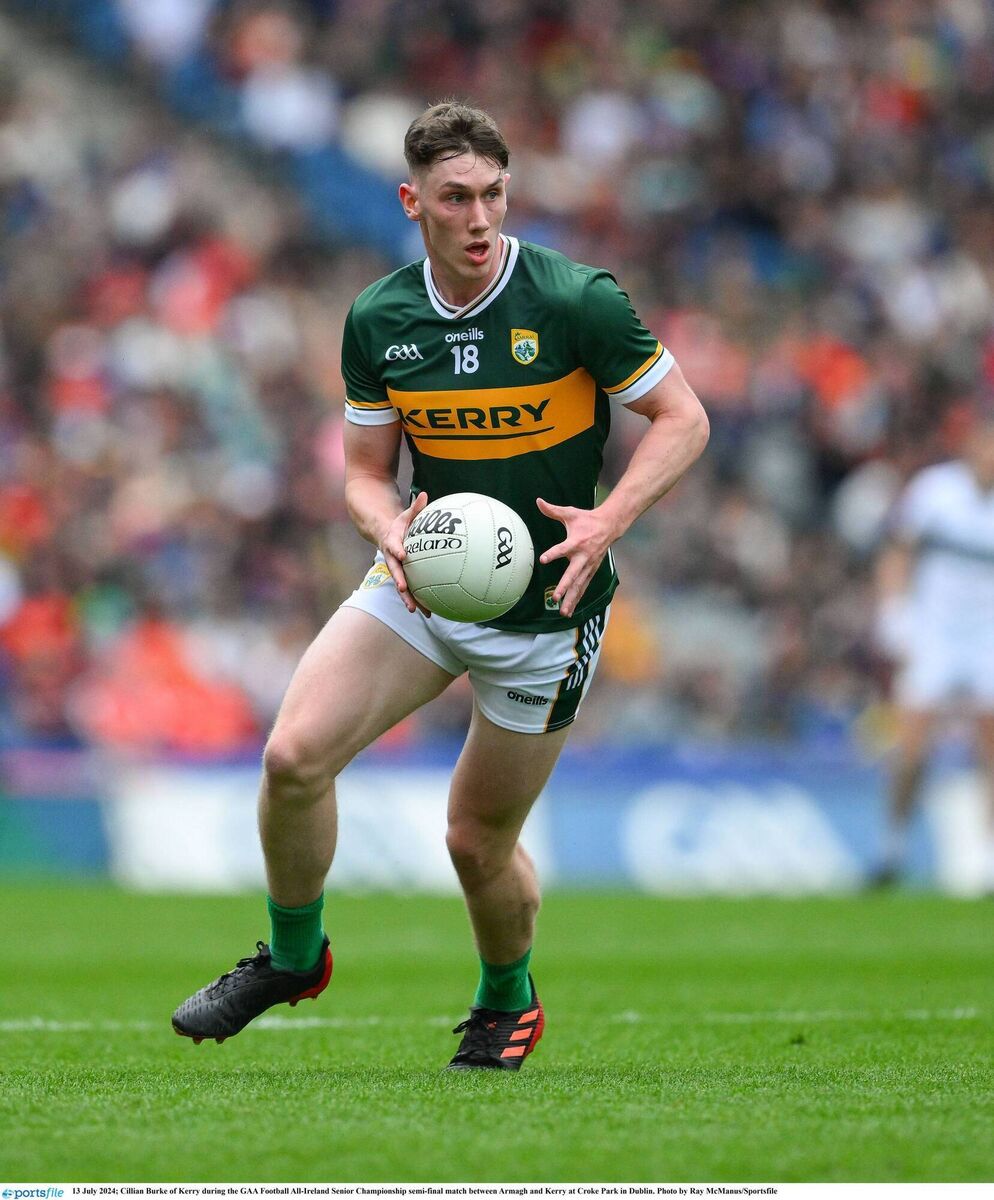
Although he’d feature as a sub – and joint-captain – in 2022, and had a fine campaign at midfield in 2024 upon returning from a cruciate injury, it was in 2025 that O’Connor made his quantum leap.
And while he’d start and finish the year at midfield, it was a spell at wing-forward where he’d catapult himself to being one of the best players in the country, his top-corner-of-the-net finish in an epic extra-time win in Cork a teaser of his goal that iced the All-Ireland final win over Donegal. Finished the year as an All-Star and second only to David Clifford as footballer of the year.
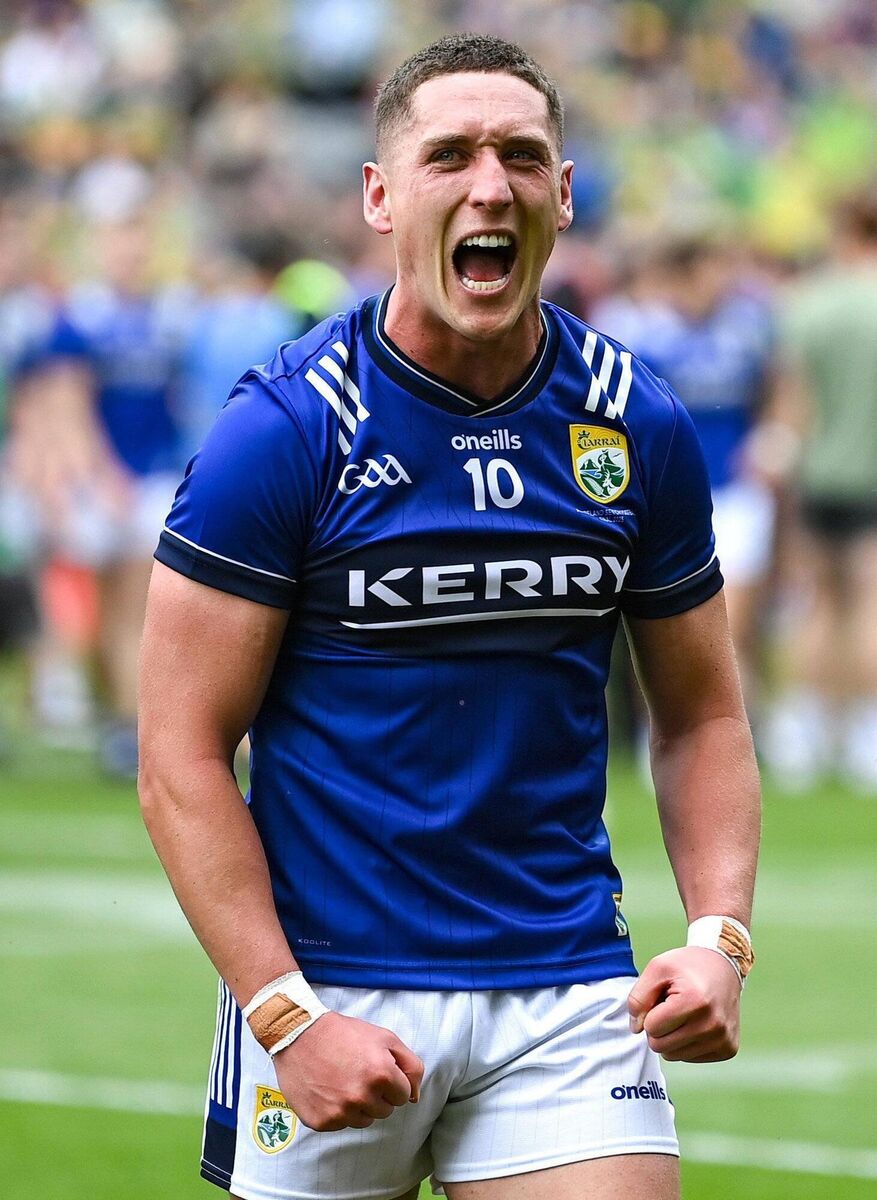
A similar trajectory to O’Connor’s: first a few appearances of the bench (2024 in his case), then a year of progress and regularly starting (2025 in his case when he’d score 0-3 in the All-Ireland final) before then going supernova: this year, all the more emboldened from Dingle’s magical run to the club All-Ireland, he has blossomed into one of the finest forwards in the game.
You’ve likely seen the stat of Evan Talty’s that has gone viral. Three shots against Donegal for 0-3. Three shots against Kildare for 0-4. Four shots against Armagh for 0-5. Six shots then against Tyrone for 0-8.
That’s 20 points from 16 shots with not a single wide or missed effort; a 100 percent conversation rate which translates as 125 percent in efficiency. Kerry are not All-Ireland certainties but Geaney is a certain All-Star. That’d make him the 17th on this list.
And the production line won’t finish with him. You’ve seen glimpses of Tomás Kennedy and Keith Evans this year.
There’s no end of them.
CONNECT WITH US TODAY



Be the first to know the latest news and updates