Donal Lenihan: France (probably) deserved to win it all but Ireland reap long-term benefits
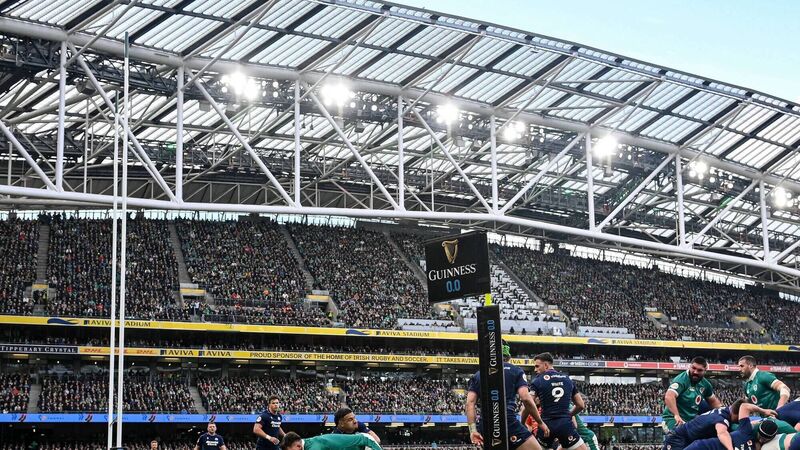
14 March 2026; Dan Sheehan of Ireland dives over to score his side's second try during the Guinness 6 Nations Rugby Championship match between Ireland and Scotland at the Aviva Stadium in Dublin. Photo by Seb Daly/Sportsfile

If you had to put your house on any player in world rugby to kick the clutch penalty to win a Six Nations championship, it would be Thomas Ramos. Pressure, what pressure? The Toulouse playmaker has ice in his veins.
Even as Georgian referee Nika Amashukeli debated over where the potential winning kick should be taken from, Ramos looked on nonchalantly, confident in his mind that it didn’t matter. Watching on in Dublin I suspect the Irish players who’ve crossed paths with the classy full back on many occasions for club and country suspected as much.
Fitting in so many ways that this incredible tournament should come down to the last play in the last game. The drama from start to finish has been non-stop. Did France deserve to win it in the end? As the man from Carlsberg might say - probably.
Given their dominance over Ireland in a classy 36-14 win in the tournament opener over six weeks ago, Ireland really can’t quibble with the final outcome. Since all the worrying issues raised by that flat opening performance, Ireland responded in the manner one would expect from a team lead by Andy Farrell, with grit, determination, and a manic desire to succeed.
By securing second place in the table, on the back of four successive wins, Ireland showed there’s plenty of fight left in the old dog yet. With Wales beating Italy in Cardiff on Saturday, it was also fitting that every team in the championship had their day with at least one win. It’s also fair to say many of the teams will also look back and harbour some 'what if' moments.
Despite the satisfaction derived from that excellent win over England in Twickenham, Ireland’s performance in victory over a Scottish side riding the crest of a wave was, for me, their best and most complete of the entire championship. The perfect way to finish.
With the memory of that tantalising win over France still very much in their minds, the Scottish players would have been thrilled when they opened the curtains in their Dublin base on Saturday to a bright and sunny spring morning.
Given the way they performed in similar conditions in Murrayfield last time out it appeared as if the gods were affording them every opportunity to collect silverware for the first time since the final staging of the Five Nations back in 1999.
Across the city at the iconic Shelbourne Hotel, the Irish players would also have been licking their lips when heading across the road for a bit of fresh air on their early morning stroll in Stephen’s Green, a tradition stretching back decades.
All week Scotland talked the talk but when the time came to backing it up in the key opening quarter, not for the first time on occasions such as this, they were found wanting. I’d highlighted in the build up to the game that Ireland would target the Scottish set piece from the outset, storm them with a manic physicality at the breakdown and look to sprint out of the blocks.
If Jamie Osborne’s well constructed try off a five metre attacking line out set the tone within three minutes of kick off, Scotland’s response with a seven pointer of their own five minutes later suggested they may well be made of sterner stuff than some of their immediate predecessors.
After all, having lost 11 tests in a row against Ireland, logic suggested that sequence has to be broken some stage soon. If so, nobody told Ireland, striking once again off a similar attacking line to the one Osborne scored from, but in the opposite corner.
This time there was no fancy pre-rehearsed intricate move, just old fashioned maul grit and determination that propelled Dan Sheehan over the line. Ireland’s third try of a scintillating opening quarter came directly off a rock solid scrum, an intricate first phase attack with Stuart McCluskey cementing his place as Ireland’s most consistent performer of the championship when delivering the most sumptuous of passes off his left hand that resulted in Rob Baloucoune, another to enjoy a brilliant campaign, leaving Darcy Graham scrambling to stop him.
Honourable mention here too for fifth choice loose head prop Tom O'Toole for delivering a consistent scrum platform for the Irish backs to play off. His shift from tight head to loose head is just another example of Ireland improvisation in the most demanding of circumstances.
First quarter over with Ireland leading 19-7, it was difficult for the Scottish players not to feel a case of 'déjà vu'. An hour later, in the final act of an absorbing game, the sight of Sione Tuipulotu scrambling back in a vain effort to prevent the excellent Tommy O'Brien from scoring his second try captured the game succinctly. The inspirational Scottish captain, like his team, just didn’t have the wherewithal to stop Ireland.
If that was Andy Farrell’s blueprint, then his players delivered in spades. Ireland’s performance in that opening half was sensational. Everyone knows Scotland possess a backline packed with explosive talent but to get the maximum return out of them, you have to generate the right type of ball.
That’s where the forwards earn their corn. All tournament, Ireland’s scrum has been the focus of attention from every opponent yet Scotland got no return from this crucial platform. Ireland’s line out, an area of concern last autumn, delivered a 100% return for a second successive game. Paul O'Connell deserves huge credit for rectifying the issues that impacted on this key launch pad only a few short months ago.
The icing on the cake was delivered when Jack Crowley converted O'Brien’s try at the death from the touchline, his sixth successful kick from seven attempts on a day when the Cork man delivered his most complete performance of the campaign, stretching Ireland’s lead to 43-21 in the process. In a game that most expected to be tight, one-score game, it was some way to sign off on a championship that kept on giving.
The Aviva went ballistic on a day the stadium belatedly discovered its voice. Is it any wonder Gregor Townsend can’t stand the sight of the green jersey. Nine years at the helm, he’s still waiting for a first win over Ireland. Given we’re also destined to meet at the pool stage of the 2027 World Cup, it’s no harm that those demons stay alive for at least another year.
With another Triple Crown delivered, it was over to Paris to see if England could manufacture what would amount to the final of many shock results that helped elevate this Six Nations championship to unprecedented heights.
Given the way England had been playing in the tournament to date, anything other than a French win would have amounted to another shock result. Then again, given the way the championship has evolved since the opening round, you just couldn’t bet against that happening.
Credit to Maro Itoje and his inspired men to push their hosts, literally, right to the final whistle in a game that had Irish fans around the country glued to their television sets. In the end, Ramos burst the bubble on what, up to that point, had proved a brilliant day for Irish fans.
No matter. I suspect the long term benefits of this campaign for Farrell, his coaches and players may yet serve Ireland well.