Christy O'Connor: Westmeath aiming to buck trend of famine-ending teams
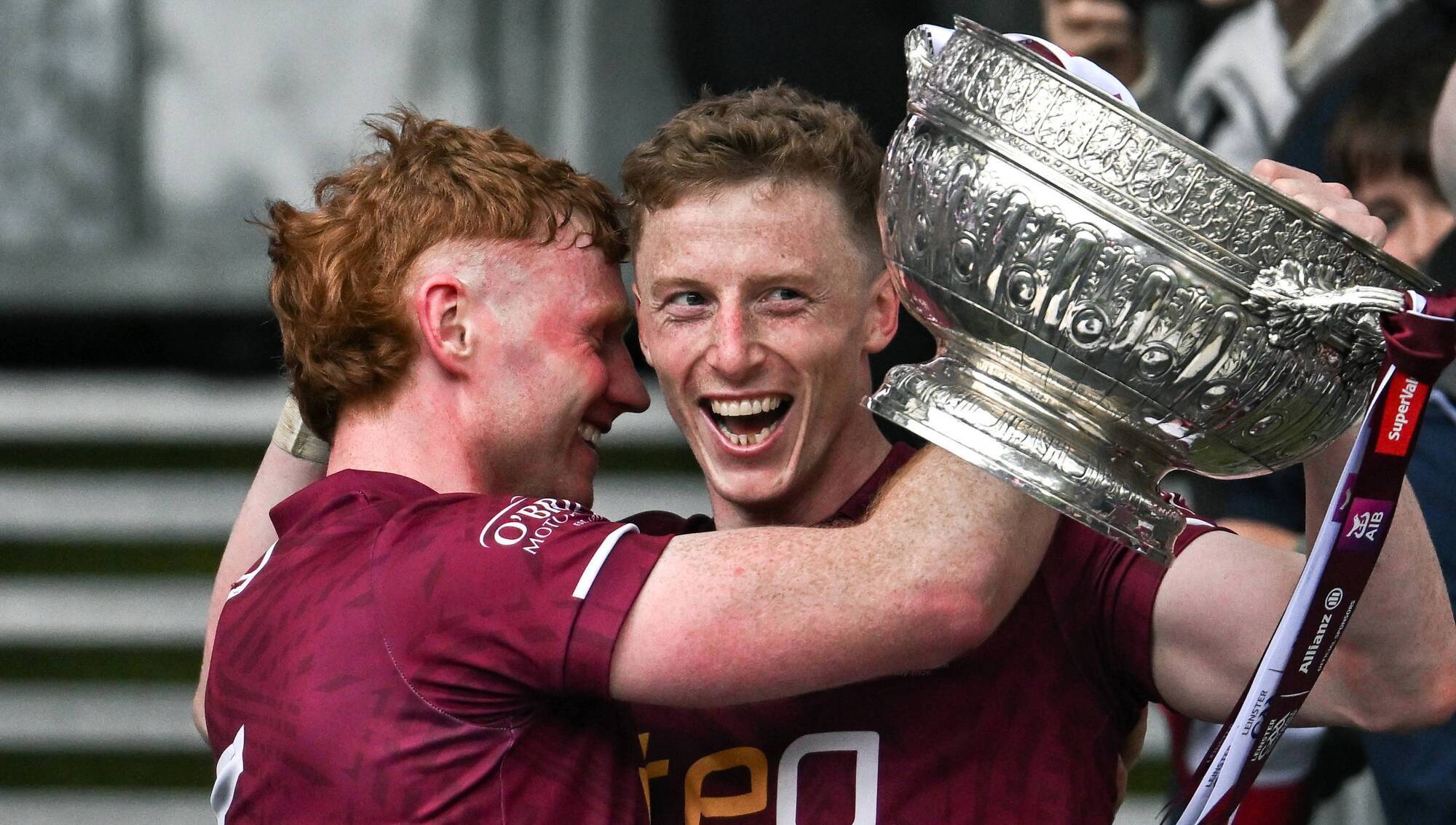
After Westmeath won the 2004 Leinster SFC title, it would be another four years before they won another game in the province. Pic: Paul Phelan/Sportsfile
After Westmeath won the Leinster football title last month, manager Mark McHugh asked Damien Healy from the 2004 side in to speak to the group. That 2004 side were the original trailblazers when winning a maiden provincial title. Those memories will always be burned into the consciousness of Westmeath people but the trail went cold and the blaze soon burned out at the end of that season. And Healy told the 2026 group that he didn’t want them to have those same regrets.
At the end of , the fly-on-the-wall documentary that captured Paidí Ó Sé and Westmeath’s journey to that historic first Leinster title 22 years ago, the closing sequence is distilled into a series of short clips played out to the backdrop of Damien Rice’s classic
The last 43 seconds of the documentary is a short highlights reel of that memorable season before a short wording of text flashes up on the screen informing viewers that Westmeath were beaten by Derry in an All-Ireland quarter-final three weeks later. Winning a maiden Leinster title was the only story but the brevity of the documentary’s ending was also the untold story of what did – and didn’t - happen next for Westmeath.
Ó Sé stepped down after Westmeath failed to win a championship game in 2005. It was 2008 before they won a game in Leinster again. The Dublin machine was cranking up by then but it took Westmeath 11 years to reach another Leinster final.
It wasn’t a surprise when it has been a trend for famine-ending sides, which only one team – Kildare - has broken in the last 50 years. For every other county that has ended a provincial famine lasting 40 or more years, the post-script has never been as exciting as the original fantasy.
After winning a first Leinster title in 42 years in 1998, Kildare narrowly lost the All-Ireland final, before reclaiming the provincial title again in 2000. The numbers for every other famine-ending county across the last five decades though, highlight the difficulty of escaping the hangover.
After Sligo won the 1975 Connacht title, they didn’t win a championship game again until 1978, when they beat London. In the ten seasons between 1976-’85, Sligo won just two championship games.
After bridging a 75-year gap without a Munster title in 1992, Clare didn’t win a championship match again until 1997. The Leitrim team that won a first Connacht title in 1994 after 67 years were extremely unlucky to lose to Galway by one point in 1995. They narrowly lost to Galway too in 1996, but the only championship game Leitrim won in the five seasons after 1994 was against London in 1997. And they needed extra-time do so.
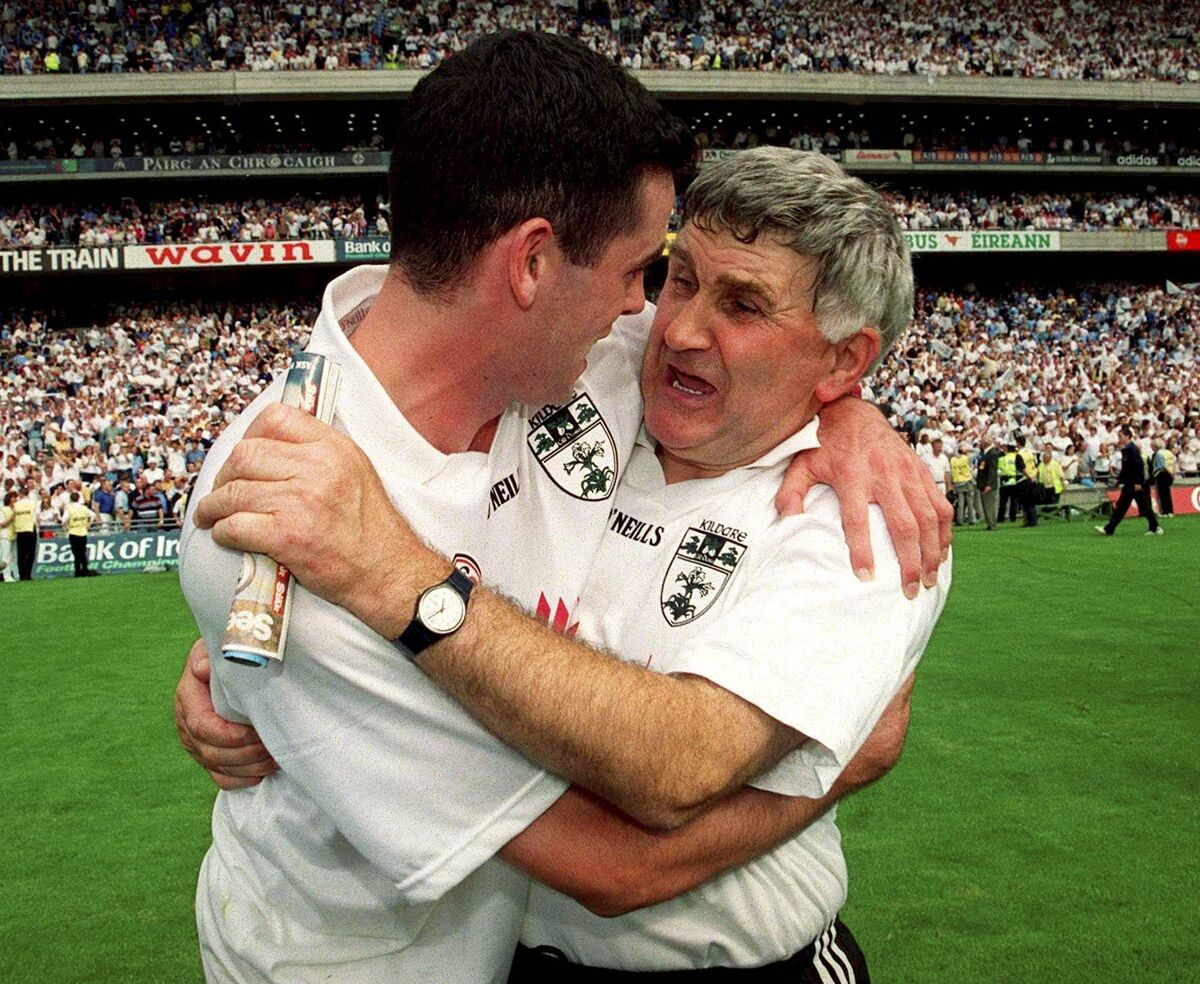
The championship was knockout back then and far more brutal and unforgiving. Laois, who were the first provincial famine-ending team of the qualifiers, did go agonisingly close to bucking the trend after winning a first Leinster title in 57 years in 2003. As well as losing the 2004 final after a replay, Laois lost the 2005 and 2007 Leinster finals to Dublin, while they were narrowly beaten by Mayo in the 2006 All-Ireland quarter-final replay. Still, they never kicked on like they could have.
At least Laois were highly competitive after their 2003 win, whereas Tipperary have crashed so spectacularly through the floor since winning a first Munster title in 85 years in 2020 that they’re now operating in a different galaxy.
It's understandable when winning the province is the only realistic chance many counties ever have of experiencing that magic feeling. After winning a first Leinster title in 68 years last year, Louth struggled to mentally reset to deal with the next line of challenges stacking up in front of them. Successive defeats to Monaghan and Down left Louth on the brink before a nervy one-score win against Clare secured them a preliminary All-Ireland quarter-final against Donegal.
The day turned into a complete disaster. Coming from Enniskillen, the Louth bus driver took a wrong turn and ended up in Sligo. The team only arrived in Ballybofey 45 minutes before the match. Donegal whacked them by 16 points.
Westmeath’s success last month wasn’t ending a hiatus as long and painful as some of those previous famine-ending victories. In the last 50 years, other sides have ended famines that stretched over two decades; Cavan ended hiatuses of 28 and 23 years respectively; Sligo (32 years), Monaghan (25 years) and Derry (24 years).
Those Monaghan and Derry teams did kick on in the following one to two years but Cavan went into freefall after the 1997 Ulster success, with the players voting to sack their manager, Liam Austin, at the end of 1998. After 2020, Cavan won one of just four championship matches in Ulster across the next three seasons before slipping into the Tailteann Cup in 2022 and 2023.
A year after winning the 2007 Connacht title, Sligo ended up in the Tommy Murphy Cup, losing their only match in the competition to London.
Famine endings can subsequently lead to even more painful droughts in the short-term but Westmeath have been determined not to make the same mistakes as their predecessors. Having surrendered a nine-point lead five minutes into the second half three weeks ago, Cavan had surged ahead by six by half-time in extra-time. Seemingly having run out of puff – understandable in the context of their Leinster success - Westmeath emphatically proved that this remarkable odyssey is nowhere near an end just yet.
And a win on Sunday against Galway in Salthill would offer more evidence that Westmeath may still only be getting started.
When Croke Park run their stadium tours, the tour guide always gives a neat breakdown of the tiniest details around stadium etiquette and protocol. For example, why do Dublin always get to use their preferred Croke Park dressingroom closest to Hill 16? That decision is based on alphabetical order. And because that order goes on a county’s name in Irish – Átha Cliath (or even Baile Átha Cliath) - puts Dublin ahead of most counties in the queue.
One of the counties ahead of them though, is Cavan (An Cabháin). When the sides met in the 2020 All-Ireland Ireland semi-final, Dublin had to high-tail out of their natural habitat and move to more unfamiliar territory down the corridor. Some of the Dubs admitted afterwards that they were slightly thrown by the new surroundings. Instead of normally turning left as they entered the dressing rooms from the back of the Hogan Stand tunnel, they had to turn right. Every door was in a different place than normal. For a group used to micro-managing every aspect of preparation down to the finest detail, it was a strange experience when Covid-19 restrictions denied the Dubs a dry-run.
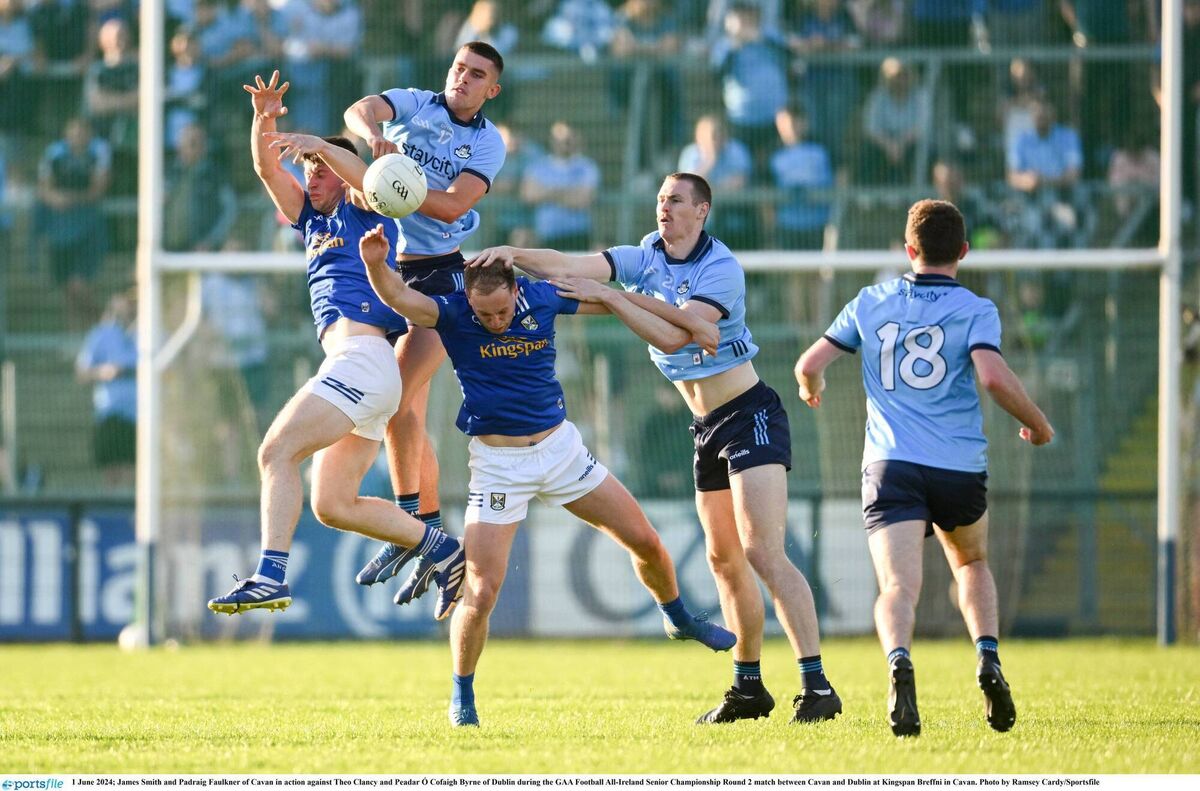
In any case, it made no difference as Dublin won by 15 points. Cavan were hoping against hope that something strange in the strangest year imaginable might have derailed the Dubs. It wasn’t happening.
Six years on, all Cavan have to do to beat the Dubs now is to play as well as they did against Westmeath for the second half of normal time and the first ten minutes of extra-time. That requires Cavan having to be more consistent within the game – but that still might be enough. Especially with the match on in Breffni Park.
After losing successive championship matches for the first time in their history, the Dubs are vulnerable. Cavan can smell even more blood when they have a chance to beat Dublin in the championship for the first time.
The sides have only met six times – 1891 (played in 1892), 1920, 1924 (played in 1925), 1942, 2020 and 2024. Those first five meetings were all All-Ireland semi-finals while the sides clashed in the round robin in Breffni Park two years ago, when the Dubs won by 19 points.
That won’t be happening now. As well as having the opportunity to beat Dublin in a competitive game for the first time since the 1960 league semi-final, Cavan firmly have the smell of Dublin blood in their nostrils.
A day after the longest day of the year last summer, Louth endured what have must have felt like the shortest honeymoon in history. Defeat to Donegal in the preliminary All-Ireland quarter-final didn’t take the sheen off a such a satisfying Leinster title win but it was still the earliest – June 22nd to be precise - that a provincial champion had ever exited the championship.
A year on and that fate could befall Roscommon or Kerry as a last-chance saloon date now falls on June 13th. Kerry will expect to beat Kildare in Newbridge, but Roscommon face a tricky fixture against Monaghan in Clones.
The split season had made it a completely different world now for the provincial champions compared to the old system – especially in terms of when a season could potentially end. When Dublin - then Leinster champions - lost to Tyrone in the 2005 All-Ireland quarter-final replay, that match was played on August 13th, a full two months later than now.
Even when the season gradually became more condensed long before the arrival of the split season, provincial champions were still guaranteed to be playing into August. Now? They run the risk of packing their bags before the longest day of the summer has even arrived.