Jennifer Sheahan: How to pick paint for your home exterior

Jennifer Sheahan outside her house in Rathmines, painted a neutral off-white. Picture: Moya Nolan
There's nothing like a fresh lick of paint to transform a home, but choosing your exterior colours is no easy job. The options are more limited; weatherproofing comes into play, and it’s a bigger job — harder to rectify by yourself if you don’t like the outcome. Here are some guidelines that can help you decide.
The most important first step is to choose a good exterior or masonry paint that is suitable for the Irish climate, that being rain, wind, salt air, low light, and the fact that we experience all four seasons in a single day. The reason you paint your home is not just so it looks nice. Paint is a type of coating, a substance that goes beyond the aesthetic. Exterior paint protects your home by acting as a barrier against the elements. You may be (at least I was) surprised to learn that some of the paint companies that provide the colours on your walls are also some of the most high-tech materials companies in the world, providing coatings that protect items ranging from submarines to wind generators.
So choose wisely — go for a well-known brand that specialises in exterior or masonry paint and has a good reputation. Dulux Weathershield has been around for a long time, as have Colourtrend Weather and Fleetwood Weatherclad. I rarely stray far from these brands when specifying exterior paint.
For many Irish homes, it can help to look for breathable masonry paints — this allows moisture to escape from the walls rather than getting trapped and causing a damp build-up, which is especially important in older buildings with solid walls. It is always worth getting advice from a reputable painter or paint shop on what will work best for your specific home.
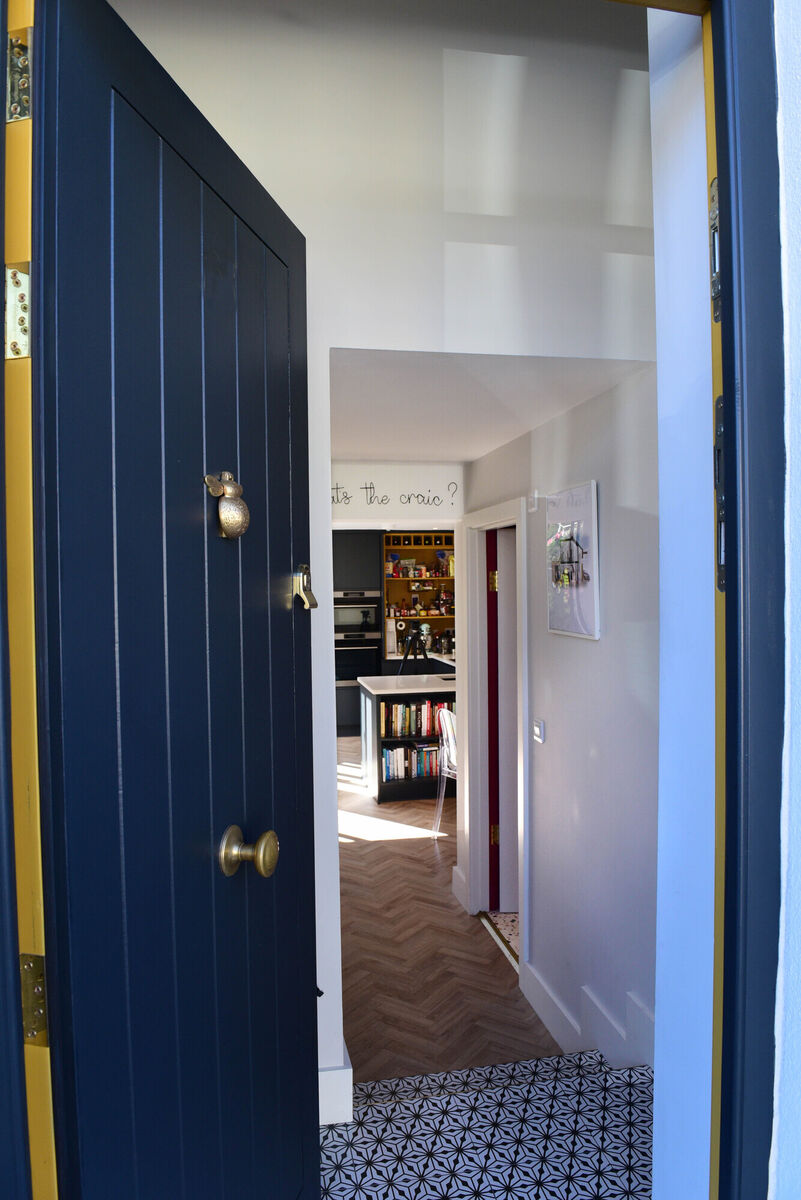
If you’re painting wood windows, doors, or timber elements, exterior wood paint is usually the best option. It is designed to flex slightly with temperature changes, which helps prevent cracking. Similarly, metal railings and gates require a dedicated metal paint with rust-inhibiting properties.
It’s always tempting to cut costs here, at one of the last stages of a home renovation, but exterior paint is one area where spending a little more upfront will save you money and effort in the long run.
Ireland’s light is soft and often overcast, which has a big impact on how colours appear. Shades that look warm and bright in Mediterranean sunshine can feel flat or harsh here. Conversely, deeper colours can look rich and sophisticated in our muted light.
Rain and dirt are also practical considerations. Very light exterior colours can show algae, splash marks, and general grime more quickly, especially on north-facing walls. Slightly warmer off-whites, soft greys, and stone tones tend to age more gracefully.
This is one reason darker window and door colours have become so popular. They hold their depth even on grey days and provide contrast against lighter walls.
Different homes lend themselves to different palettes, and fighting against that can look odd. I would love to paint my house a crisp white with a bright blue door and vivid bougainvillaea pouring down the front, but my urban cottage is not a villa in Santorini, so it would look strange. It’s always a good idea to try to stay in keeping with the surrounding buildings.
Period homes often suit more muted, heritage-inspired colours. Soft stone colours, warm greys, pale greens, and traditional off-whites work beautifully, especially when paired with darker window frames or doors. Bold colours can absolutely work on period homes too, but they usually look best when applied sparingly — perhaps on the door, the ironwork, or the window frames rather than the entire façade.
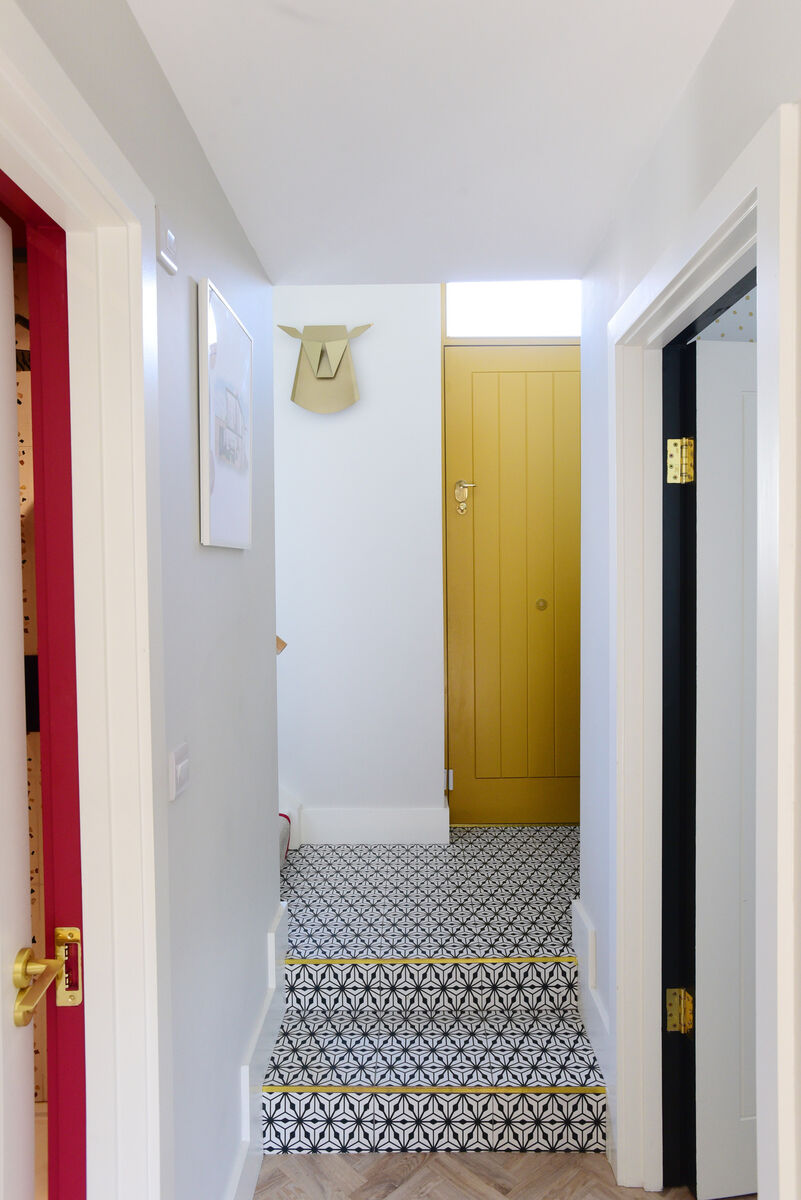
Cottages can handle more playful colours with confidence. I write this as I look out with envy at my neighbour’s cheerful pink front door — soft pastels and bright pops of colour can look great. A cottage also tends to benefit from contrast — darker doors, or bright painted window frames, trims, and porch overhangs.
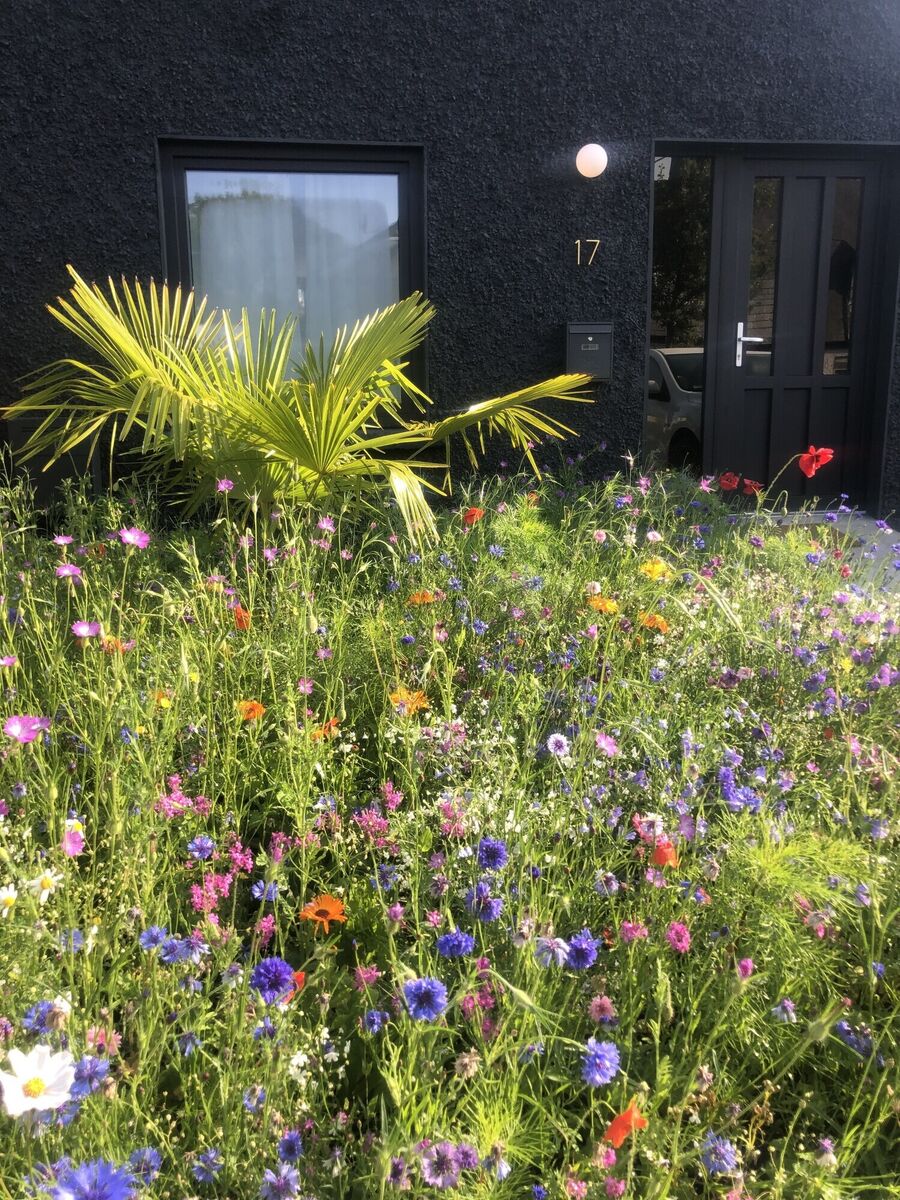
Modern homes often allow for a bit more drama. Clean lines and simple forms can carry darker or more minimal palettes very well — charcoals, off-blacks, warm greys, and crisp whites all shine here. Textured accents become especially important in these cases, whether through render, cladding, or planting.
Sometimes, of course, the rulebook should be thrown out the window. Seaside homes should be colourful and whimsical — if I had one, I’d paint it bright yellow and let it glow brightly against our wild coastline. So if you have a talent for design and want to go bold, give it a lash.
One of my favourite exterior paint choices was made by my friend Katie, whose urban semi-D is painted black. On paper, it sounds extreme; in reality, it’s stunning. The black façade acts as a backdrop for their front garden, which is a burst of colourful wildflowers. If you’re feeling brave and no regulations are getting in your way, why not give it a go?
Double-check those regulations, though. The Home Owners Association (HOA) is famed and feared in some countries, and here in Ireland, you should check whether your home is subject to rules laid out by a management company (if you live in an apartment or gated community, for example), a local planning authority, or any conservation restrictions that may be on your home.
If you’re stuck, my personal default is this: use what you already have. Find the contrasting accent colour you’ve used indoors and paint your windows, doors and trims with that. Then paint the walls in a clean neutral that works in the Irish climate — my go-to is Designer White by Fleetwood.
Using an interior accent colour on your exterior joinery provides continuity and cohesion, meaning the transition from outside to inside feels intentional rather than accidental. Pairing it with a gentle neutral ensures the overall look stays timeless.
Finally, don’t forget that you can go two-tone — you can paint the inside of your windows and doors a different colour to the outside if you want to, which gives you greater flexibility.
CONNECT WITH US TODAY



Be the first to know the latest news and updates