Peter Dowdall: What to do in the garden this February
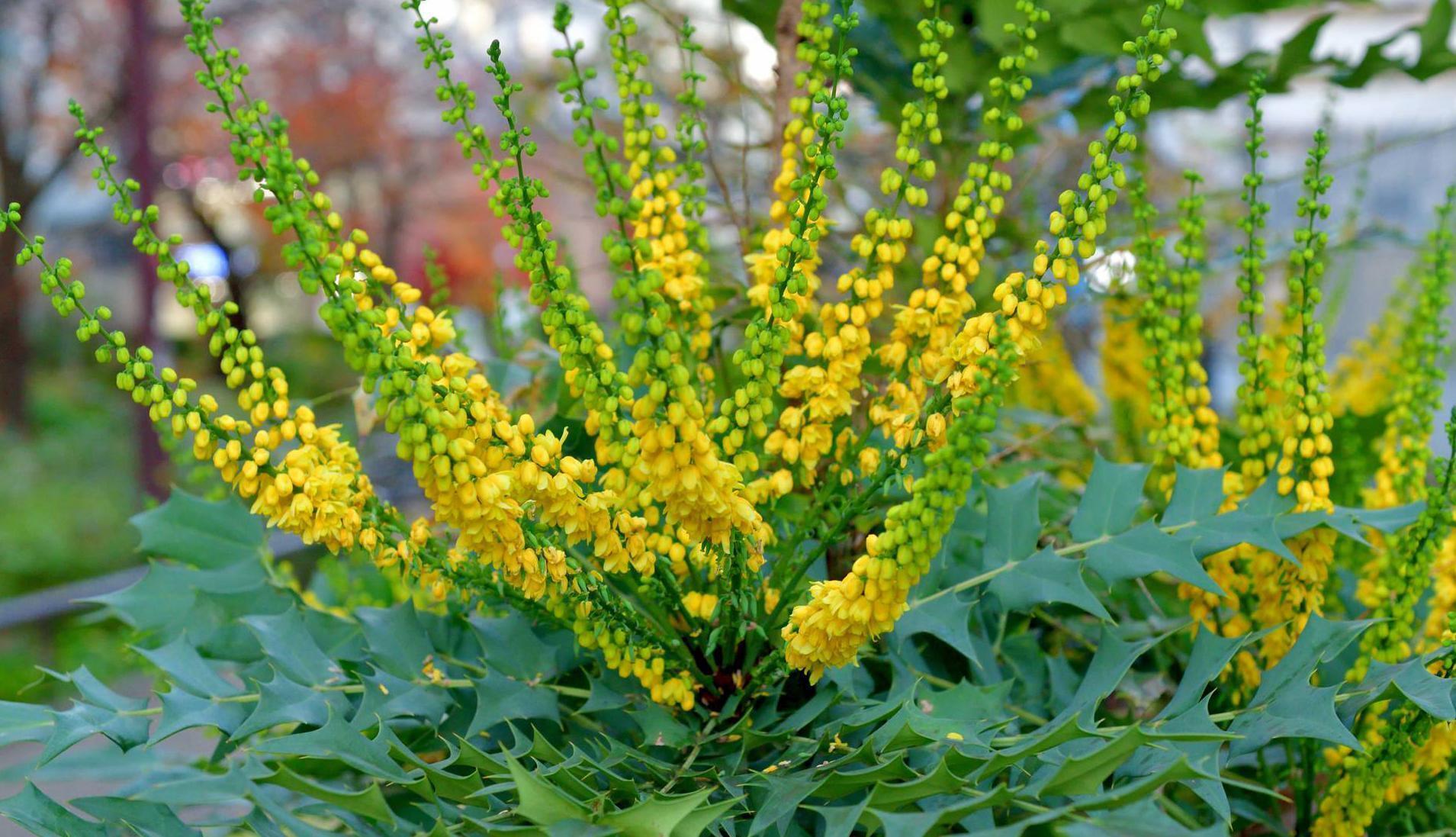
Mahonia bealei, commonly known as leatherleaf mahonia or Berberis bealei or Beale's barberry, is an evergreen shrub with large, leathery leaves. File picture
At thie time of year, the garden reveals which plants are doing the real work. Colour is scarce, flowers are fleeting, and what’s left standing has to earn its place. The plants that matter now are the ones that give shape, shelter and continuity when most of the garden is still asleep.
Evergreen shrubs are usually the first thing you notice, because without them, a garden can feel a bit empty in winter. An evergreen daphne is a good example of a plant that works at this time of year. It’s never really a show off, and for much of the year it sits politely in the background, but in winter it earns its place several times over. The foliage holds the shape of the garden together, particularly in smaller spaces, and then the flowers arrive at exactly the moment they’re needed.
Their scent carries on cold air and gives life to the garden when very little else is happening. Daphne doesn’t like to be moved or interfered with, so planting it carefully and leaving it alone pays dividends over time. Sarcococca, or Christmas Box, plays a similar role and likes a shady position.
It’s compact, slow-growing and undemanding, but its glossy foliage brings an evergreen presence to dark corners, and its winter scent draws you towards those areas.
Grasses also prove their worth now, provided they’ve been left standing. Miscanthus remains one of the most useful grasses for winter structure. Its tall stems hold upright through wind and rain, catching frost and low light, and giving the garden height when everything else has dropped away, and it's a must if you want to create that winter-look in the garden.
Deschampsia cespitosa is another ornamental grass and offers something softer and more delicate. This is a native grass in Ireland, and it behaves as it belongs. Its fine stems and seed heads persist well into winter, creating a light, airy presence that moves with the slightest breeze.
It’s particularly effective in smaller gardens, and I like to plant it with low evergreens, which obscure the base of the plant, which can get a bit unkempt-looking. Both grasses show why cutting back too early is a mistake. Left alone, they contribute for months and can be tidied easily in late winter, just before new growth begins, and that’s apart from the benefits they offer to beneficial wildlife.
Winter-flowering shrubs often get overlooked, so caught up are we with colour for the spring and summer, but colour in winter is nearly as important. Viburnum bodnantense is invaluable for this. Its bare stems carry clusters of pale pink flowers through the coldest months and once more bring a fantastic scent to the space.
It works best where it can be seen and passed regularly, near a path or doorway, so you really get to appreciate the perfume.
Mahonia does a different job. Its bold, evergreen foliage gives weight, texture and presence all year and in winter, its yellow flowers provide colour and nectar when very little else is available. In a mixed border or woodland-style garden, it anchors planting by acting as a focal point and prevents things from feeling too thin once leaves have fallen.
As deciduous trees and shrubs lose their foliage, bark and stem take centre stage. This is where plants grown for winter stems come into their own. Cornus alba, grown hard back each spring, produces vivid red or coral stems that bring colour and definition through the dullest months.
It works best in groups, where the effect is strong enough to register from a distance, rather than as a single isolated plant. For something quieter but just as effective, birch earns its place through its pale trunks.
Birch doesn’t need flowers or foliage to contribute in winter. Its bark lifts the whole garden, reflecting light and creating contrast against darker planting. A well-positioned specimen will add depth and height without blocking views or crowding smaller spaces.
Ferns are often underestimated in winter, but the right ones are invaluable. Evergreen forms of polystichum will hold their form through cold weather and give structure at ground level when perennials have disappeared. It’s particularly useful under trees or between shrubs, where it again provides evergreen continuity and prevents gaps from opening up.
Not all dryopteris are evergreen, but some are, and these are slightly less rigid and soften the garden in an otherwise bare surface. In sheltered gardens, many fronds persist well into winter, maintaining their fabulous texture when little else does.
When you look at these plants together, they can really make a winter garden when so much else is dormant. Winter is when gaps show most clearly, and from a practical gardening point of view, this makes now an excellent time to assess planting.
Walk the garden and look for places where the structure feels weak, where soil lies bare, or where the garden seems gappy or colour fades.
One well-chosen evergreen shrub can tie together an entire border. Leaving grasses standing can add months of value, and introducing plants with winter colour and texture can transform how the garden feels long before spring arrives.
Planting at this time of year also gives plants a head start. As long as the ground isn’t frozen or waterlogged, roots will establish, and plants settle in quietly before spring growth begins.

- Got a gardening question for Peter Dowdall? Email gardenquestions@examiner.ie
CONNECT WITH US TODAY



Be the first to know the latest news and updates