Colin Sheridan: America is back — but can the Democrats deliver the fundamental change voters need?
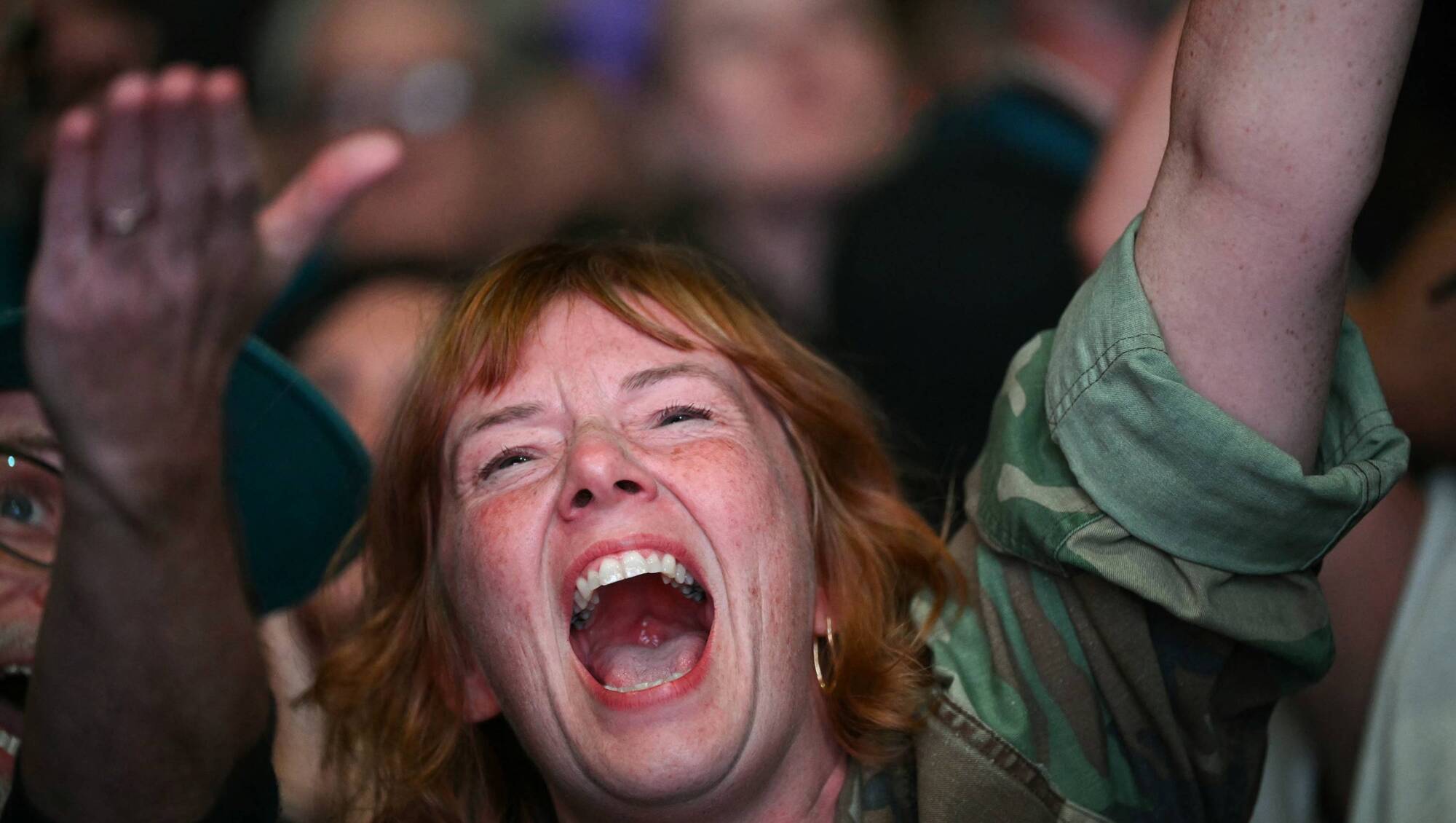
Supporters of Democrat candidate James Talarico celebrate. What changes when the cheering stops? Photo: Ronaldo Schemidt/AFP via Getty Images

America is back. But, where the hell was it?
In the opening episode of , Aaron Sorkin’s drama about TV news, a student asks why America is the greatest country in the world. News anchor Will McAvoy disputes the premise, listing its failings and noting other free nations.
Sorkin cannot help himself: having punctured the mythology, he inflates an older version. America used to be great. Once, it fought for moral reasons and cared about its neighbours. Some of those neighbours might remember things differently.
When, precisely, was this golden age? Slavery? The racial terror that followed emancipation? Jim Crow? McCarthyism? Vietnam? You would need a very selective calendar, and an even more jaundiced memory.
The Newsroom nostalgia came to mind watching the midterm celebrations this week. The blue wave. The blue tsunami. The Blue movie. Before the votes are fully digested, we have moved from electoral analysis to a coastal evacuation warning.
America is back, baby. Again. It spends an extraordinary amount of time coming back for a country that insists on leading the way.
Read More
Hakeem Jeffries announced a great American comeback and worked his way around the compass: north, south, east, west, Midwest. He got them all and then added another! The crowd, obviously compass points enthusiasts all, went nuts.
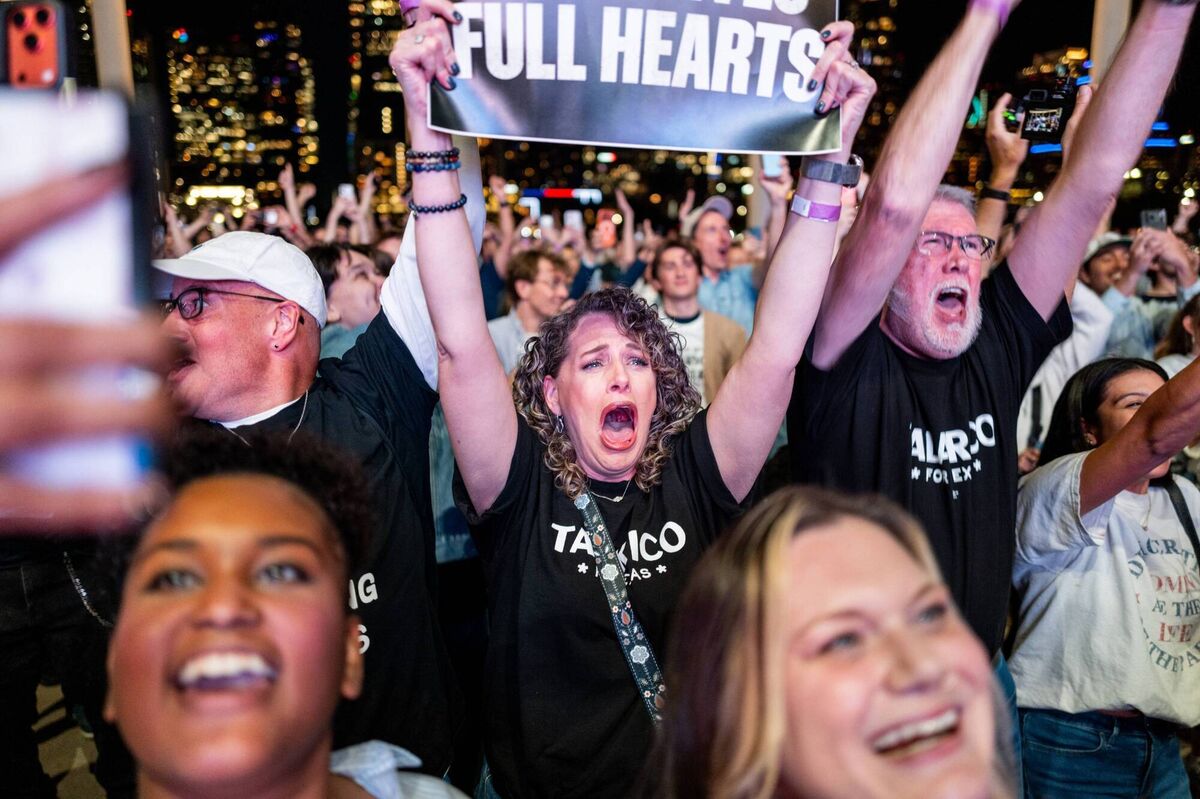
James Talarico, celebrating his Senate victory in Texas, declared: “We just proved that all the money in the world is no match for the people of Texas.” Good man, James. Now change the system that allowed it. Otherwise, all you have established is that, on this occasion, the purchase failed.
We are suckers for this bullshit. A politician naming places to applause from people delighted to discover they live in one. It's like a rockstar telling a stadium full of people “Dublin is the greatest city in the world!” and the Iseq index soaring.
From sea to shining sea. The American dream. The greatest democracy on Earth. Say these things solemnly enough and nobody is supposed to ask what they mean. Show me the greatness.
Start with the people sleeping outside. The federal count recorded almost 746,000 people experiencing homelessness on a single night in January 2025. More than 26 million Americans went through that entire year without health insurance.
Provisional figures put drug overdose deaths at almost 70,000 in 2025. Deaths were falling, thankfully. That still leaves an astonishing number of families burying somebody. Then there is racial inequality, transmitted through property, inheritance, schools and opportunity. You cannot applaud that gap shut.
Of course Ireland has no grounds for conducting a superior little inspection of another country’s housing failures. We also have election rituals that should probably require a permit. The shoulder-high lofting of a newly elected TD generally resembles an agricultural rescue operation of a pregnant cow being lifted off a mountain.
American politics brings a religious conviction to its publicity. Every election becomes a struggle for the nation’s soul. Every losing party promises to listen, an activity its members apparently find impossible while employed.
Trump’s defeat will understandably evoke great celebration. People frightened by his politics are entitled to relief. But one of the things Trump exposed was how much of the ugliness already existed beneath the manners.
Barack Obama could deliver a speech that would have Sorkin questioning his self-worth. His administration also expanded drone warfare to the point he carried out more extra-judicial killings in more faraway states than any other president before him.
“You can’t hit a wedding, Mr president. There’s women and children there.” “Yes we can!” For civilians beneath those policies, the distinction between an eloquent president and a vulgar one offered limited protection.
And remember Joe Biden’s response to the campus protests against the genocide in Gaza. He defended peaceful protest, then insisted that “order must prevail”, demonising the students protesting a genocide he and his Democratic government were sponsoring.
This September, an ACLU and Amnesty International report documented university punishments and unlawful police force against largely peaceful protesters, tracing suppression back to 2023. The consequences persist: suspensions, expulsions, academic careers derailed.
Trump escalated a crackdown already under way. Freedom makes a lovely speech until somebody puts up a tent, waves a placard and asks where the weapons money goes.
Trump and his goons did not invent any of it. They made it louder, more brazen and, in important ways, worse. The decorum went first. Too often, the objection seemed to be that he had said the dreadful thing into the microphone.
Putting the manners back will be insufficient. A system does not become decent because its beneficiaries can eat a dinner without insulting the waiter.
That is the challenge facing Jeffries, Talarico, Alexandria Ocasio-Cortez and this Democratic revival. What changes when the cheering stops?
Super PACs can still accept unlimited contributions from corporations and wealthy individuals to finance independent political spending. A donor’s preferred candidate losing does not abolish the donor’s access, interests or next cheque.
Any promise to return power to ordinary people should come with a detailed explanation of how the extraordinarily rich will lose some of theirs.
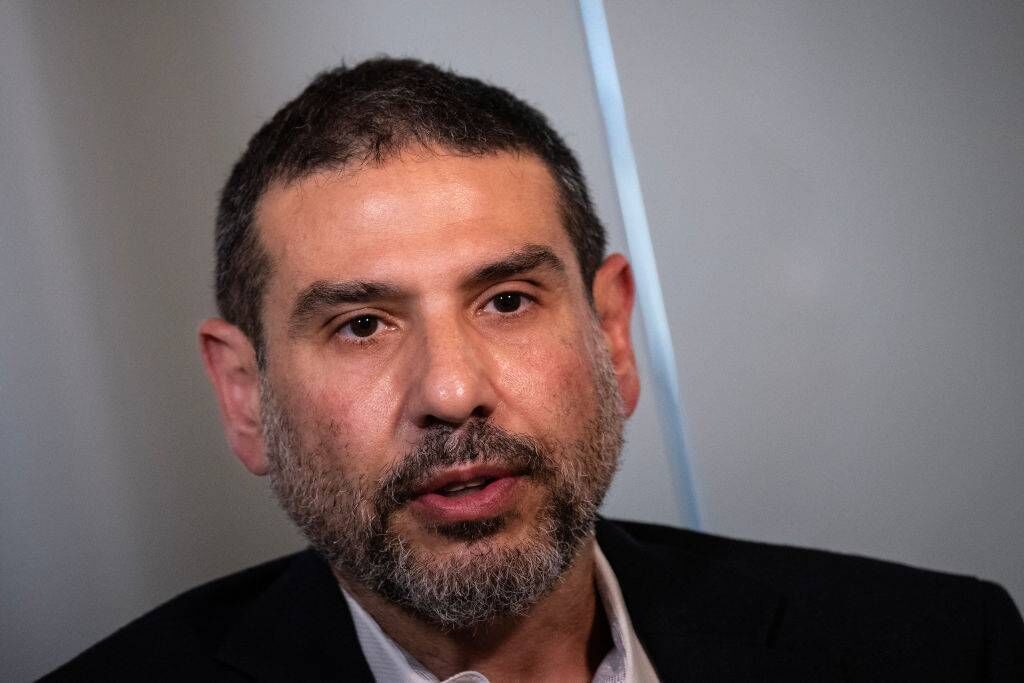
There are reasons for hope. Adam Hamawy, the Egyptian-American surgeon elected in New Jersey after volunteering in Gaza, is one. Here is somebody whose claim to public service includes treating people enduring the consequences of policies supported by his own country.
There is much to love about America: its people, music, books, humour, the cultures that have met there and made something magnificent. None of it obliges us to stand and applaud every time a politician identifies Wisconsin and points.
And we care because America remains the world’s volatile spouse, the mood setter. Its resentments travel. Its violence threatens every room. Its weapons move considerably farther than its healthcare entitlements.
The Democrats take control of Congress in January. Trump retains the presidency and his veto. Their power has limits. It also comes with choices: over money, investigations, legislation and what they fight for.
Cynicism becomes toxic when it insists nothing can change. Hope becomes useless when it stops asking for evidence. This week’s pulpit-thumping suggests that, about their own publicity at least, the leaders have learned nothing.
Let us see what follows. Watch the votes, the donors and the compromises.
For now, fundamental change looks about as likely as a Trump apology. But I would happily be proved wrong. North, south, east, west. Even in the Midwest. And all the other wests.
CONNECT WITH US TODAY



Be the first to know the latest news and updates