Terry Prone: It's time to kick the bucket list

Rob Reiner's 2007 film 'The Bucket List' deals with two men (played by Jack Nicholson and Morgan Freeman) egging each other on to do stuff they’ve always wanted to do. Picture: Sidney Baldwin/Warner Bros/PA

Please remember that you encountered it here in the first — the concept of the UNbucket list.
It’s long overdue for creation by each and every one of us. The fact is that we’ve been sold the ultimate pup-in-a-bucket for about the last 20 years.
It actually feels the bucket list concept has been around longer than 20 years, but it was only in the early 2000s that an American writer named Justin Zackham did himself up a list of things he wanted to achieve “before I kick the bucket”.
Nobody seems to know why bucket-kicking became synonymous with dying, but it has been thus for more than four centuries, and speculation about its genesis as a phrase leads to dead pigs and discomfiture, so let’s stick with Justin, who titled his aspirational sequence “Justin’s Bucket List”.
Atop that list was his desire to get a movie made by a major production house, based on one of his scripts.
Stuff nobody with a satisfying life would ever want to do
Justin proved what the diligent have always known: That making lists and referring to them frequently is a smart career move.
In due course, he sold a script to a studio about two guys on the verge of dying. The two characters, in due course, were to be played by Jack Nicholson and Morgan Freeman and , released in 2007, deals with them egging each other on to do stuff they’ve always wanted to, like skydiving and riding motorbikes on the Great Wall of China. The kind of stuff nobody with a satisfying life would ever want to do, but of course they learn major lessons about themselves as they progress — and share those lessons in exotic settings.
The movie was a success. It made more than four times its budget and gave the phrase “bucket list” a hold on public consciousness, which means that everybody feels they should have such a list.
This needs to stop. It seriously and speedily needs to stop.
The bucket list is part of what has turned Mount Everest into a tip, covered in the rubbish brought to the summit by so-called climbers, many of whom get dragged up the hill by sherpas, rather than genuinely getting there by their own efforts.
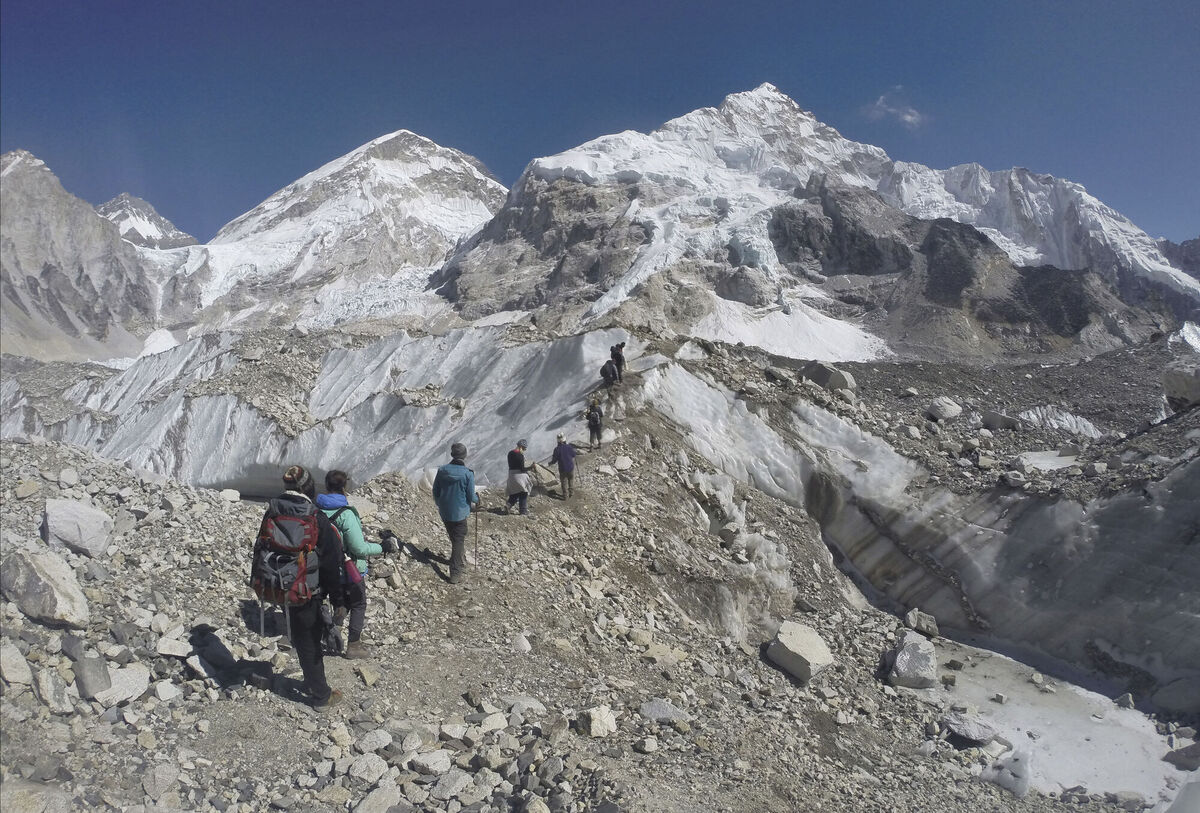
The bucket list is why every inch of the Camino de Santiago is covered with walkers who drive their friends nuts by boasting about the insights they’ve gained and how life-changing the experience has been, when their friends see no evidence at all of either insight or life-change.
The bucket list is summer camp for grownups, vaguely tethered to the possibility of dying. And that mortality angle is the puzzling bit.
If you know you’re going to pop your clogs in, say, five years because of some diagnosis or because you’re coming up to centenarian status, what’s the point of kayaking down the Amazon? The bucket-listers, faced with questions like that, talk of “making memories”.
It may be a bit transactional to suggest that making memories that will be current only for a few years is a lamentably short-term investment.
Not to mention this question: If you’ve got to be terminal without Amazon canoeing, what makes it so attractive when you are just about to pop your clogs?
Maybe it’s like those cancer diaries published by famous patients, which always end grimly and tragically, but which may serve as distractions from the impending arrival of the Grim Reaper.
Or maybe it’s an expression of resentment and spite: Nobody ever bothered to bring you to a Bruce Springsteen concert until you were on your last legs, and you feel a pre-mortem sense of entitlement, refusing to leave until you’ve notched that one up.
Whatever way you slice it, the entire bucket list concept is selfish and self-absorbed.
Meeting someone famous, for example, will not improve you or them in the smallest.
Witness the thousands of boring self-fulfillers whose bucket list incorporated getting to annoy Nelson Mandela in his final years.
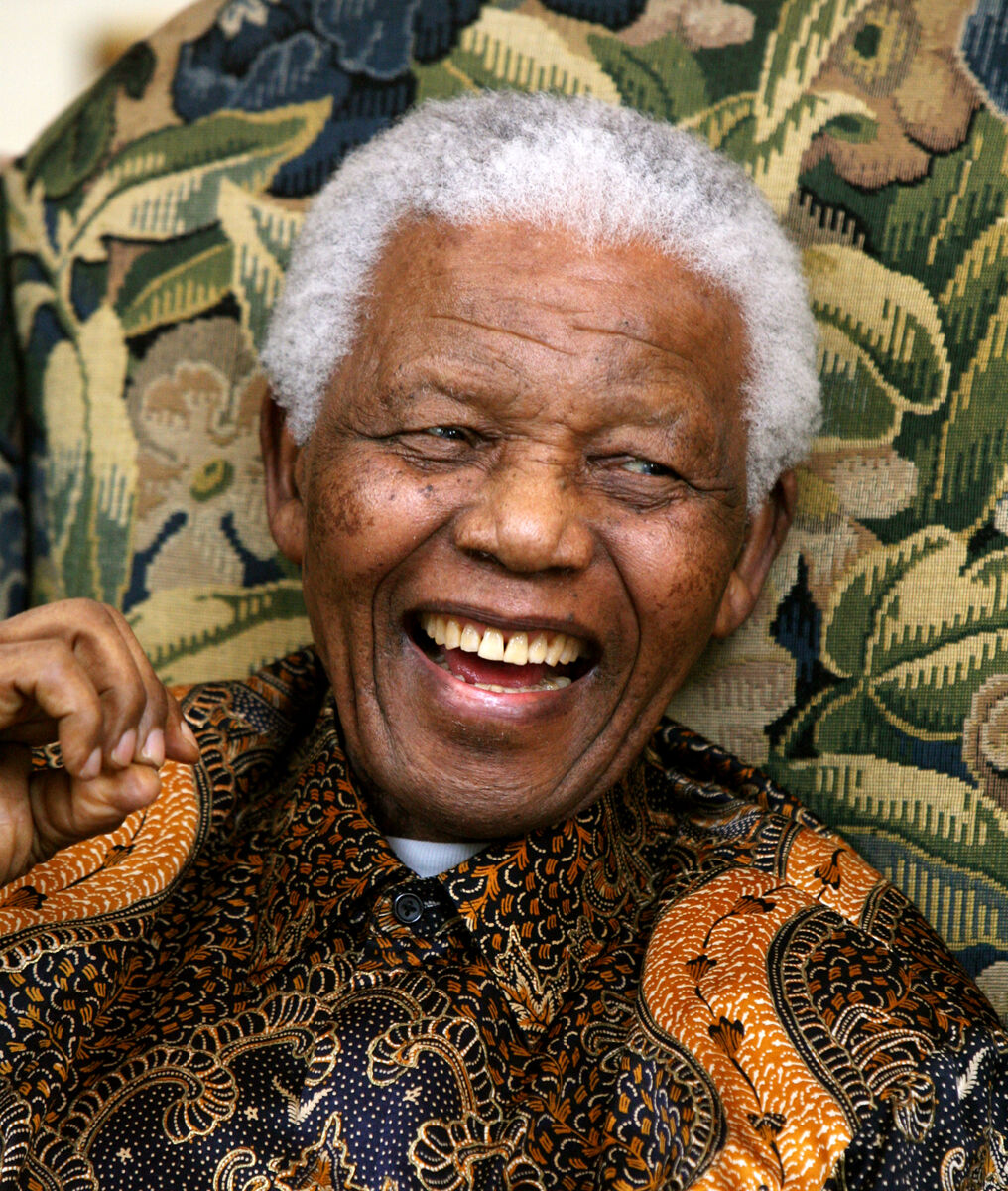
People who had never contributed to his life and cause in any way and who were never going to contribute to the future of any part of Africa thereafter, nevertheless felt the urge to get nudged beside him in a picture which convinced them of their importance, of which they had none.
The UNbucket list we propose would be the opposite to this self-absorption.
It would improve the lives of all concerned.
Alcoholics Anonymous’ 12-step programme offers a great model of approach. Step 8 obligates the AA member to make a list of all the people the recovering alcoholic believes they harmed when drinking.
Step 9 is even more important, demanding direct amends be made to such people wherever possible, “except when to do so would injure them or others”.
Just sending an email apologising for whatever it was you did is not enough, in other words. You must make amends.
Now, if you’re in bucket-list country — either because of age or a terminal diagnosis — unless you’ve been perfect all of your life, the chances are that you have offended, insulted, or even damaged a few people before getting to this point.
Could there be a more positive use of your last months or years than devoting them to seeking out those people and working out, based on your knowledge of them and where they are in their lives, how you could best make amends for your past offence?
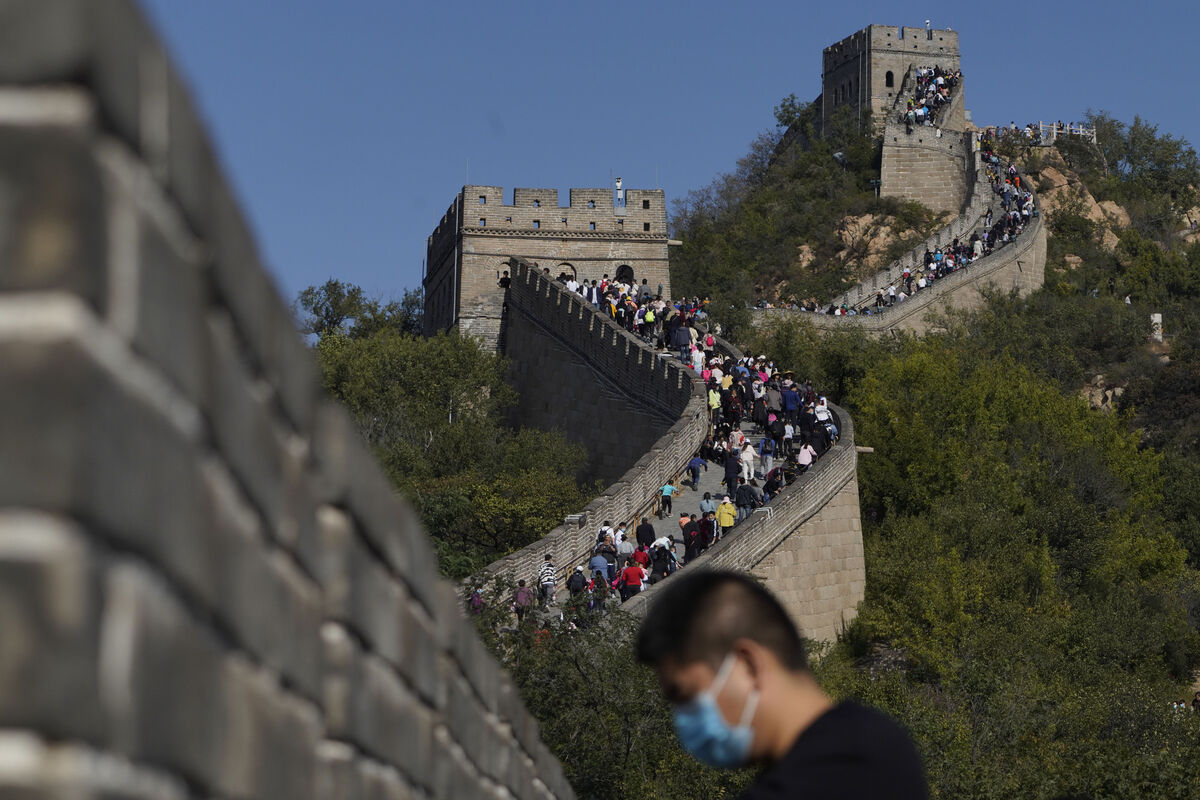
Could there be anything that would be in sharper and more productive contrast to bucket-listing a motorcycle on the Great Wall of China?
Treats are not the problem.
A friend of mine, knowing my addiction to books, this year proposed a joint day trip to Lisbon to visit the oldest bookshop in the world that’s still trading.
Now, that’s a treat at any age, and the two of us are off in August. We may even, once we’ve enjoyed the bookshop, take a run into one of the shops selling beautiful Portuguese leather shoes. That’s just short-term, single-day summer holiday fun.
Bucket list items are not short-term fun. For the most part, they are expensive excursions whose greater duration is sanctified by being part of a sacramental before-I-kick-the-bucket list.
Presumably, you tick them off like homework, having lined them up on a business agenda.
Many are unnecessary and taxing.

Take Pompeii, where bucket-listers swelter in the sun, closely observed by guides dedicated to preventing them from stealing lumps of lava, while more than they could ever learn or see there is available on the internet to vicariously experience in the comfort of their own home.
That is true, too, of cities like Venice, where the natives would really prefer it if you didn’t add to their over-tourism problems.
If you know you’re going to kick the bucket pretty soon, we sympathise.
But maybe you’d consider devoting the time left to you to developing an UNbucket list that leaves the world a little better for your being here?
Read More
CONNECT WITH US TODAY



Be the first to know the latest news and updates