Sarah Harte: Holly Cairns being a working mother is paying off for the Social Democrats
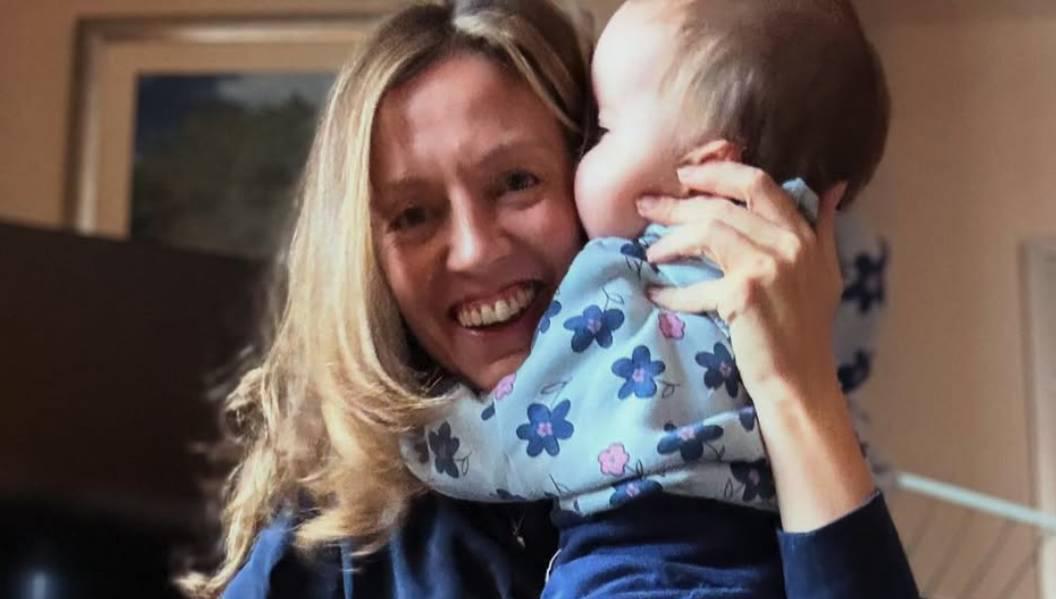
Holly Cairns has been unabashed about discussing the logistical problems of juggling work and home.

Sometimes you’d question how far we’ve come in accepting female power. Holly Cairns, leader of the Social Democrats and Cork South-West TD, is still confronting the barriers that motherhood creates for women in politics.
But let’s return to that. I was staying two minutes away from the historic Ship Street Great, where a plaque on the wall of Dublin Castle commemorates the suffragette Hanna Sheehy-Skeffington.
It reads: ‘Hanna Sheehy Skeffington, Sufraigéid a rinne smidiríní de na fuinneoga seo. 13 Meitheamh 1912’. Beneath the Irish version is the English, ‘Suffragette, smashed these windows. 13 June 1912.’
The Irish version grabs you more. There’s something very onomatopoeic about the word ‘smidiríní.’ She did this in reaction to the exclusion of women from the franchise of the Third Home Rule Bill.
Sheehy-Skeffington was a leading figure in ‘Cumann na dTeachtaire’, established in 1917, pressing for greater representation of women in Irish politics.

Her hope that the progressive 1916 proclamation, with its vision of ‘equal rights’ for all, would shift gender roles was to be severely dashed on the rocks of de Valera’s paternalistic vision for women and the Free State's erosion of women’s rights.
On the day I found the plaque, Holly Cairns announced that she’s expecting her second child in October. She felt obliged to tack on that having a family should not disqualify somebody from being a political party leader.
Although a Sunday newspaper floated the idea that she might become Taoiseach if her strategy of running a candidate in every constituency in the next general election pays off, some people would disagree that Holly Cairns can be a mother and a leader. On taking 10 months of maternity leave, several people muttered she was swinging the lead.
Broadly speaking, opposition came from ‘you can’t have it all’ older women, perhaps unconsciously policing traditional gender roles and resisting women in leadership.
Their lack of self-awareness is probably due to early conditioning. Then there are the men who are unsettled by women exercising authority, who presumably see it as a threat to masculine identity.
Cairns’s approach to motherhood is refreshing. She has been unabashed about discussing the logistical problems of juggling work and home. In doing this, she challenged subtle but powerful assumptions about whether women can combine political leadership and motherhood.
In 2020, Helen McEntee’s first pregnancy as justice minister spotlighted the lack of maternity leave for politicians, leading to its introduction in 2024. Snide remarks were also directed at her.
Taking ‘mat’ leave and accommodating working mothers can be a thorny issue. I’ve heard conflicting views on how long it should be and whether other colleagues should be forced to pick up what some term the ‘Mum Slack’.
One friend resents having to watch mothers dash out the door early, then finish their work for them. She would contend that she is left to ‘(wo) man’ the fort because of an assumption that she has no other commitments. She maintains that parents get dibs on the best holidays.
Maybe you could argue that there’s a structural unfairness in how employers handle maternity leave. Do they fail to plan adequate cover for ‘mat’ leave? One employer pointed out to me that getting cover is not straightforward.
And why should childless workers not get flexible hours to look after an ageing parent, for instance? Do the childless and single not have important ties to their families and communities?

Employers get it in the neck a lot, though. Employers are us. They are not some other alien species. To some extent, it’s a question of whether we see raising the next generation as a private family choice or a social function from which everyone benefits.
There’s a valid point about how we treat childless workers regarding work-life balance, but Cairns is also serving as a role model because hidden prejudices persist against working mothers. Working mothers know this better than anyone, which is why some of them leave the job market.
CSO statistics show that while 82% of women initially return to their employer a year after maternity leave ends, 13.1% cease working altogether and 17.6% change to a new employer.
Many studies suggest that the motherhood penalty results in a far higher number of first-time mothers giving up entirely, although not necessarily in the first year.
Hardly surprising when mothers report being less likely to be chosen for promotion, less likely to receive bonuses, and receiving lower wages. And let’s not start on the cost of childcare, which is an epic and costly shambles in this country.
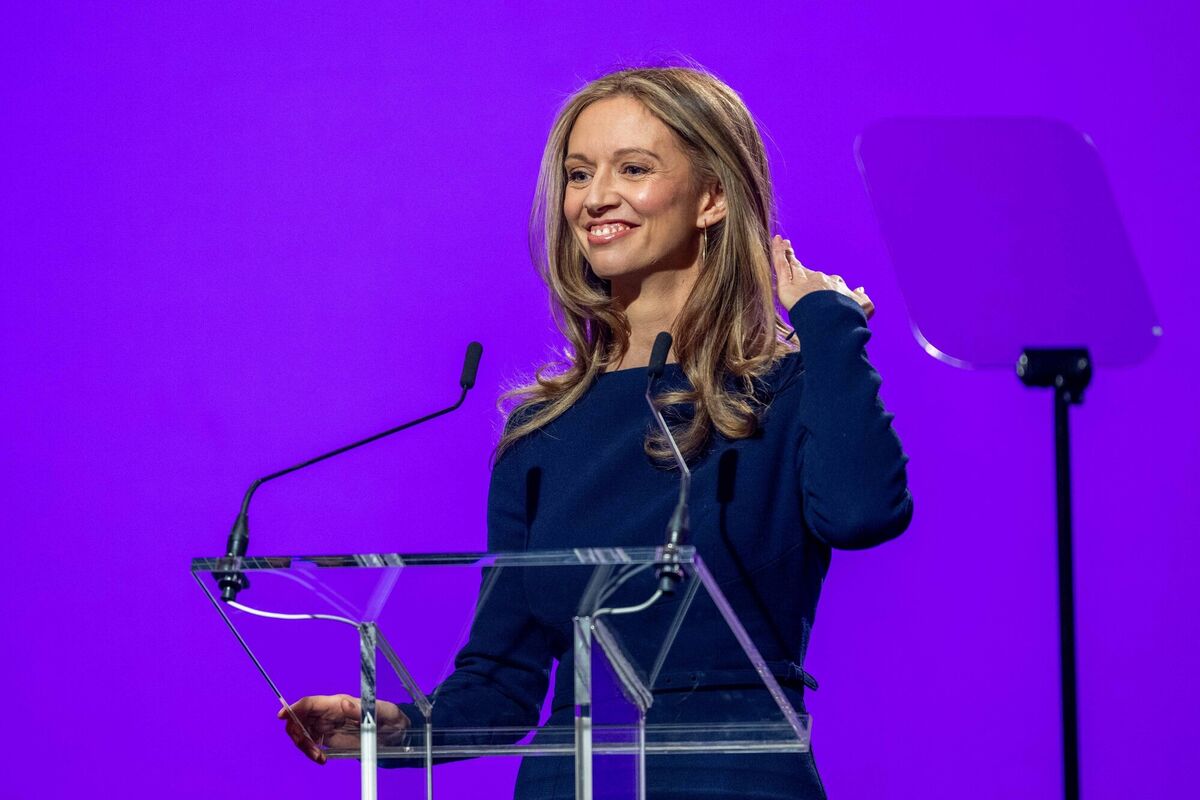
ESRI data confirms that the gender income gap often starts after the birth of a child. It also reveals that about half of fathers take up the two-week paternity leave in the six months post-birth. This entitlement was introduced 10 years ago.
Two weeks, though. That barely gives you time to unpack the buggy and the car seat. Of course, gendered caring norms and workplace attitudes are at play here too.
You can picture the scene at work, the older male executive spluttering to a younger one: "You are taking time off to do what?" Older executive thinks to himself, How disappointing, I thought you were serious about your career, bang goes your promotion, Seán.
Holly Cairns topped the poll in her constituency in the last election despite giving birth on the day of the election. The Social Democrats electoral momentum is impressive. In some polls, she has the highest personal approval ratings of any leader.
Politicos suggest that younger women relate to her.
On returning to work, she said she was apprehensive but also looking forward to getting stuck in.
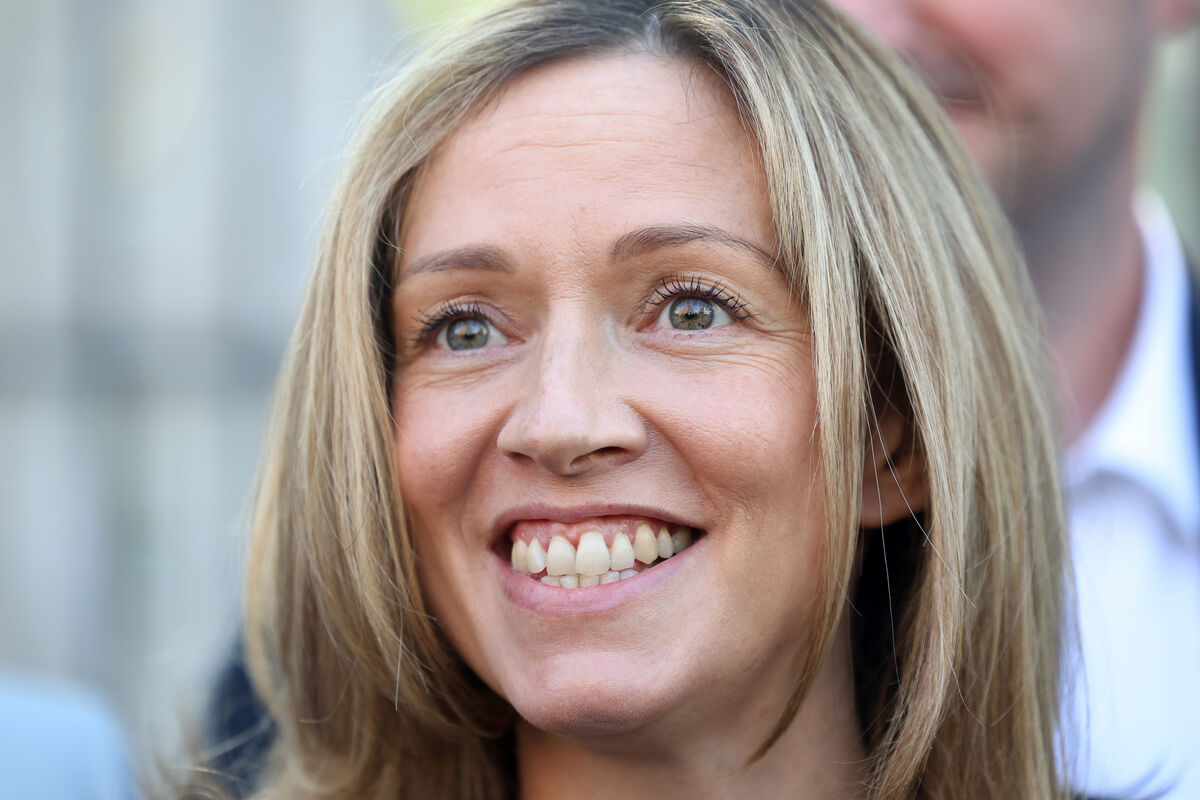
One of Cairns' followers commented at the time: "Thank you for taking your maternity leave and not working with a small baby. So many women in politics are celebrated for this, but not enough are celebrated for setting an example of taking time away from work to be with your baby."
These kinds of frank statements matter to working women. There were no role models like that when I worked with a small baby.
Maternity was not talked about in the office. If you were intent on progressing, you kept your mouth shut about being a mother.
The wheels of progress in this country turn slowly when it comes to women’s rights. Maternity leave was first introduced in this country in 1981, 64 years after Hanna Sheehy Skeffington’s efforts to increase women’s participation in public life.

On this measure of progress assuming I have grandchildren, it might be my great-great-grandsons who consider it normal to take proper paternity leave.
Maybe, though, economics will shift our attitudes towards motherhood and work. CSO figures last week showed that the number of registered births in Ireland has fallen by almost 18% in the last decade, with fertility falling below the replacement level.
We need women to have babies to replace the ageing population, raise workers (assuming AI doesn’t render everyone redundant) and fund public services.
So far, only women can do the particular job of giving birth. So maybe instead of sniffing about their inability to be mothers and workers and forcing them to smash metaphorical windows, we ought to support them.
CONNECT WITH US TODAY



Be the first to know the latest news and updates