Jennifer Horgan: Succession is just modern King Lear - but we all have to plan
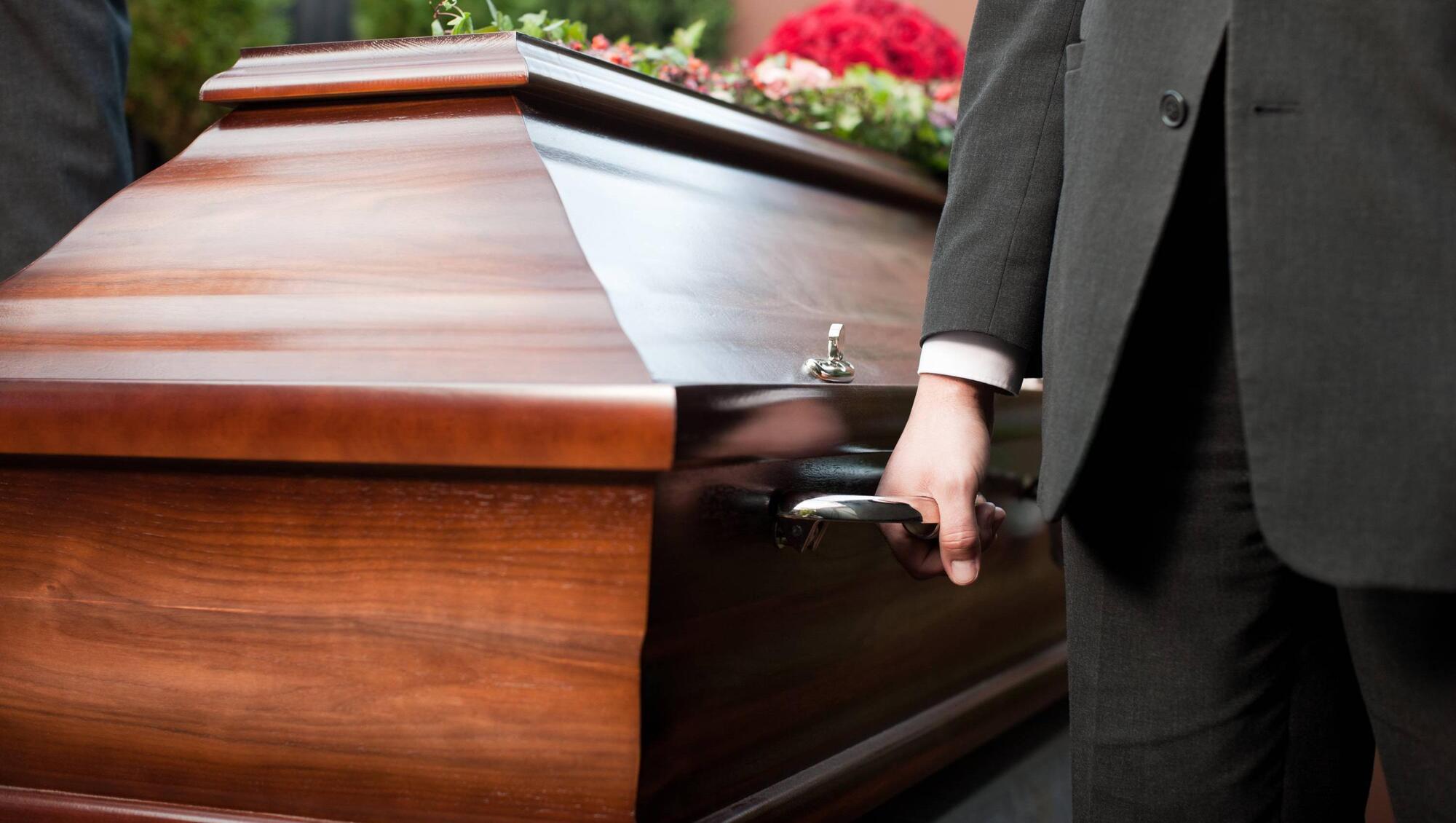
What we don’t realise is that succession isn’t just for media moguls and fashion billionaires because…Hear the drumroll somewhere off behind that blazing sun…Death is coming to us all. File photo

I often giggle over past comments made about me online. Apparently, I’m not the kind of woman who would let her husband get a snack box. I’m also zero fun at parties.
Well, this week I’m taking my contrariness to a whole new level. It’s gloriously sunny as I type — the perfect opportunity to discuss death and the legal intricacies of succession then!
To be fair, we’re all obsessed with succession when it comes to rich people, no matter the weather. For lots of reasons I didn’t watch the actual show, chief among them my husband’s disdain for entertainment via uber rich Americans. Not that the plot is distinctly American. As Megan Garber put it in : “ is , retold for the age of the media empire.”
I did watch the Netflix documentary about the Murdochs however, the real-life inspiration for the Roy family, and succession is all over the news in Spain right now, with Alexander Andic being questioned over the suspected murder of his billionaire father.
What we don’t realise is that succession isn’t just for media moguls and fashion billionaires because…Hear the drumroll somewhere off behind that blazing sun…Death is coming to us all.
When I told a friend I was off to an elder mediation conference in UCC last Thursday, he asked: “What’s that about? Old people having scraps?” Only later was I able to explain what I’d learned.
Elder mediation is a process to help an older person with capacity to discuss their affairs, ensuring their decisions are honoured and if or when capacity is reduced, ensuring that the older person's values are respected. As we age, discussions (and potential conflict) can emerge in relation to caregiving and finances. Of course they can!
There is so much complexity involved. Elder mediators provide an objective process of facilitation, within a thoughtful, ethical, and continually revised framework. The service protects the rights and the dignity of the older person, while giving space to the family — to their dynamics, histories, hurts and circumstances.
The Elder Mediation International Network (EMIN) stretches from here to Australia — 18 countries were represented at the summit in UCC. It’s also a network with increasing work to do. People are living longer and having fewer babies.
According to data released by the European Commission last week, Ireland is one of only seven EU countries out of 27 where the birth rate continues to exceed the death rate.
A mediator from France shared some particularly shocking statistics: by 2070 every second person there will be over the age of 65. The French don’t want to budge on retirement age — a position they may be forced to reconsider.
Even if Ireland is producing babies, we are also hanging around longer. Professor Patricia Kearney shared snippets from the TILDA report — Ireland’s longitudinal study of ageing.
In 2023, there were 800,000 adults over 65 in Ireland. This is expected to double by 2051.
What does this mean? Well it means a great deal for our health service. Up to 75% of people over 50 have two or more chronic illnesses.
It also means that more care will be required from family members at a time when families are already struggling with costs of living.
The professor also shared data on relationships as we age, measuring the levels of support and strain between spouses, children and parents.
This data is helpful, she explained, if we are to predict future pressure points for families and the broader system.
The TILDA report also examines death preparedness. I’ve made my will. Have you? I have spoken to a few people since and I’m shocked that so many people haven’t, even people with shared custody of children and precarious arrangements without any paper trail.
It’s mad to think we worry about things like wrinkles and calories and don’t get around to making wills. You might not be Logan Roy, but if you die without a will your estate will be administered according to the laws of intestacy, which may not reflect your wishes.
It can also be a costly and stressful process for your loved ones. It may even provoke conflict.
Grief makes bureaucracy unbearable — this is where elder mediators can help. It’s their job to help the elderly person. Small things count: cultural sensitivity; larger print on documents; regular toilet or rest breaks; a suitable time of day for meetings.
Elder mediation can also be very beneficial where the older person lacks capacity from the outset. Their job is to keep the older person at the heart of the discussions in which their children/family are in dispute.
Because if anything, dying is straightforward — so long as you have a will. If someone becomes incapacitated suddenly however, let’s say through a stroke, nobody has a legal right to make decisions for them. Not a spouse. Not a child. The nature of the relationship is irrelevant.
The person needs to have given them EPA (enduring power of attorney) beforehand. An EPA is a legal document that allows a person to appoint an agent to make decisions on their behalf, covering financial or other legal matters. There is a separate one relating to health decisions.
This put my head in a total spin last week. I think I’m one of the only people I know with a joint bank account with my husband and no personal one. Most of my friends have personal accounts. They put all family expenses or savings into a joint account.
I don’t know anyone who has organised an EPA. If they were to lose capacity, their family would have no access to their personal account. They would be frozen out, having to battle through the court system, paying fees to solicitors to gain access.
Maybe I’m late to this party, and apologies if so, as we all know I’m no fun at them anyway. But I’m concerned that we, in an effort to avoid discussions about death, are leaving our families open to a whole lot of avoidable stress. We switch on and think nothing of our own ‘estates’, as tiny as they may be.
Luxemburg is arguably leading the way in facing the realities of our future. Two speakers arrived from SIMPA, a state-funded mediator service. Clearly their government is aware of the need to protect ageing citizens from avoidable pain, and its court system from a slew of avoidable litigations.
The morning after the conference, I tuned into the podcast , hosted by two fellow columnists, Fergal Finley and Terry Prone. They are funny, informed and perceptive hosts on all things related to age and ageing.
A recent guest, Dr Diarmuid O’Shea, president of the Royal College of Physicians of Ireland, made the clever suggestion that there should be a dedicated government minister for old people. I agree, and I’d add that said minister should promote the work of elder mediators without delay.
Now, isn’t that an idea we could all toast in the sun? Snack boxes optional.
CONNECT WITH US TODAY



Be the first to know the latest news and updates