Fergus Finlay: Hard-fought apology shows just how great is the debt we owe industrial home survivors
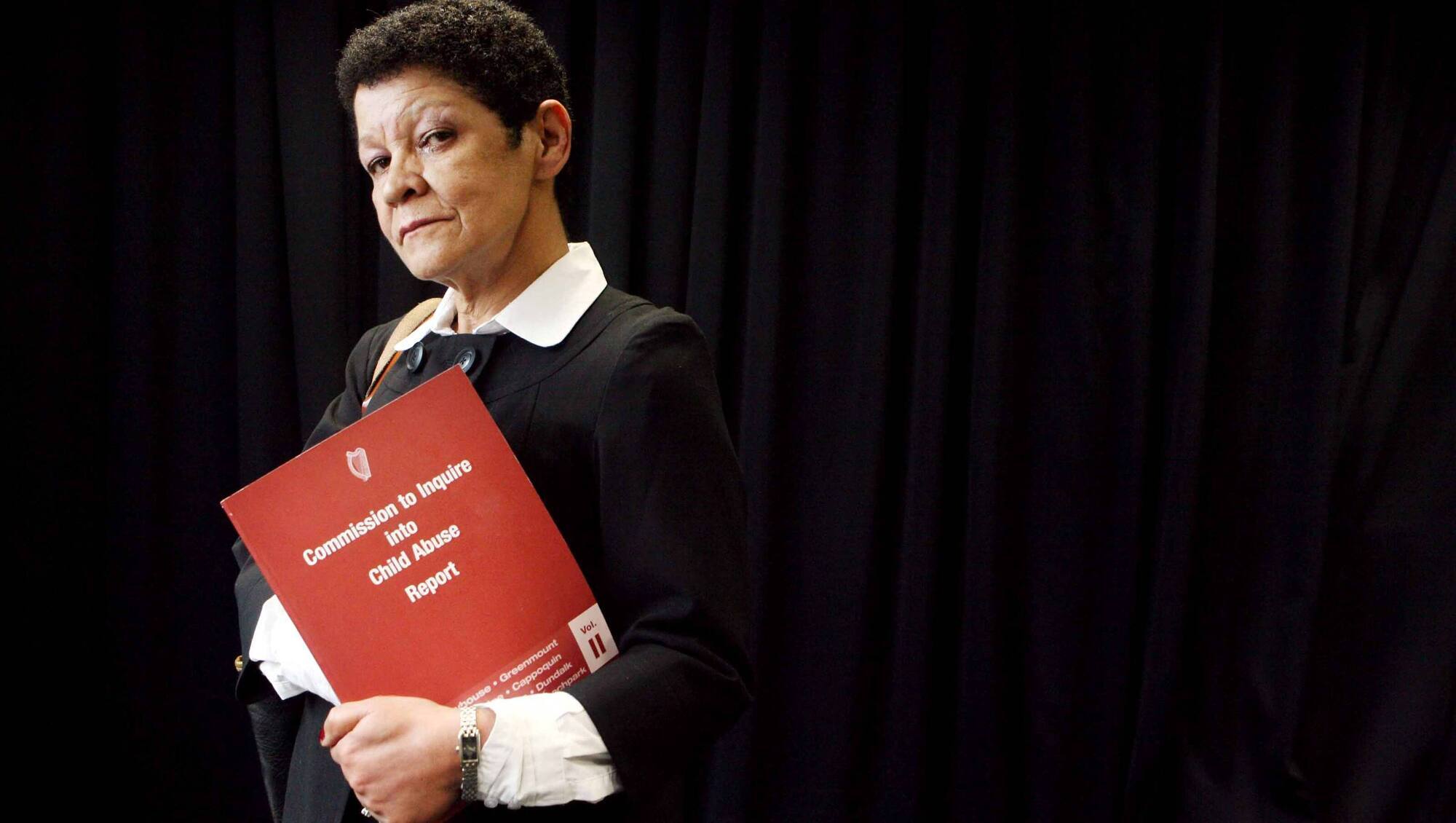
Christine Buckley was given up to be fostered when she was three weeks old. She was raised in the Goldenbridge Orphanage in Dublin.

Mary never missed a Tuesday morning in the club. She made the journey every week, carrying her old bag of materials — wool, a box of threads, some scraps of material to work on, another wooden box of needles, all sorts and sizes.
For the first hour or so there was tea and biscuits, gossip and laughter, sometimes even the occasional row that needed sorting out.
Mary would watch, and she seemed content to be part of the group. But then it was time for the art class to start. That was the moment the rest of the women looked forward to — but not, it seemed, Mary. Immediately, she picked up her bag and went next door to the little kitchen.
Listening to the giggles and laughter from the art room, Mary worked. If you looked in, you could see her hands flying, the needles going rapidly back and forth, and her head bowed in concentration.
It was never clear what she was making, but she couldn’t stop until the art class was over. Then she’d pack everything neatly back into her bag, and all the women would say goodbye for another week.
It took a long time to figure out what was going on, why Mary would work so furiously while the others were having fun, why she was unable to join in. They found out eventually.
Mary never knew her parents. She was born in a mother and baby home, raised in an orphanage, and sent to an industrial school when she was 14 years old.
From that moment on, she was put to work. She made and mended sheets, bed linen, and some of the clothes the other children wore.
Every morning she would be sat in front of a table, sometimes piled high with bits and pieces, and told not to stop until it was all done.
If she pricked her finger and got blood on a sheet, she would have to go without supper.
She learned never to prick her finger. She worked to the sound of the other children laughing and playing. The sound of other people’s laughter became the signal for Mary’s hands to start working the needles as fast as she could.
It took two years for the other women in the club to persuade Mary to join in the art group. At first, she wouldn’t let anyone see what she was working on. But at least she was there, working along with everyone else.
One day, she showed her work. Lo and behold, the girl with the magical fingers emerged just as talented with charcoal pencils and even later with paint brushes. Her work hangs on the wall of the club now.
Nobody knows who the portraits are, but everyone can see the love in them like long-treasured memories. Everyone loves the way Mary smiles now, and the pride she takes in her finished work. She doesn’t bring her battered old bag of needles and material to the club any more.
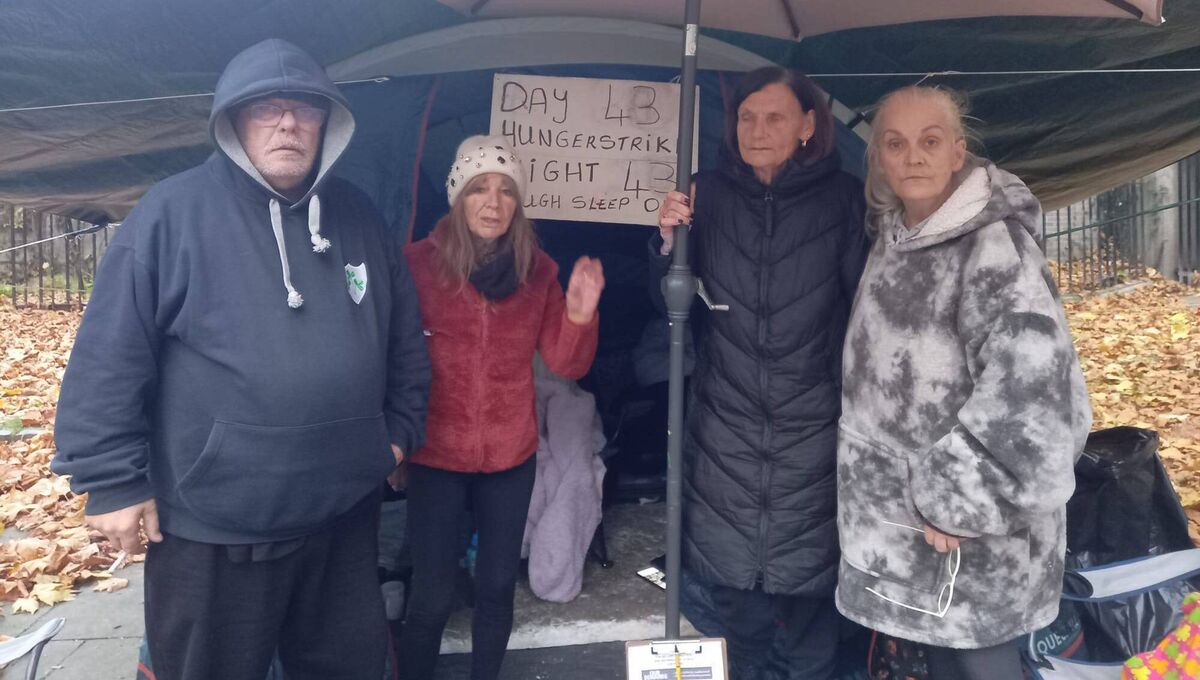
Mary is one of hundreds of people, all of them older now, to whom the Taoiseach is planning to apologise. He is going to do it because of the courage and determination of four people, who all survived unforgiving abuse in institutions when they were younger, who couldn’t put up with what they see as the neglect of an uncaring state any longer.
The mighty four, they have called themselves, and that’s an understatement. Mary Dunlevy Greene, Miriam Moriarty Owens, Mary Donovan, and Maurice O’Connell went on hunger strike for justice for all survivors.
And they stayed there, just up the road from the gates of Leinster House, for 51 days, risking health and wellbeing. Given what they’d been put through by our State in their lives, their demands were modest and centred on the housing, health, income, and education of survivors.
Our State watched them from a distance. Of course everyone wants to help, right? But there are precedents to worry about.
There are big technical issues around different types of medical cards. There’s always the worry about what happens if you make concessions to one small group of older people. Who else is waiting in the wings with new demands? Will the floodgates open?
Will these four determined people succeed in breaking the bank? (Of course we’re one of the richest country in the world, but there are limits after all.)
As far as I can tell, Taoiseach Micheál Martin was the one who broke the bureaucratic logjam. He met the hunger strikers several times, and he believed them.
Eventually, he gathered all the most senior civil servants involved and issued an instruction that they weren’t to stop working until they had put a package together that would meet the needs of the situation.
The first bit of that package will be the apology. I haven’t seen the details of the rest, but I’m hoping — I imagine everyone is hoping — that it will provide dignity and closure to a group of people who have suffered long and more than enough.
If that happens, we will all be in the debt of four people who know what a lifetime of neglect can mean.
Buckley was given up to be fostered when she was three weeks old, and she was raised in a world of atrocity in the Goldenbridge Orphanage in Dublin. Buckley's story shocked the nation.
was the first of several films, including the late Mary Rafferty’s series , which revealed the appalling extent of the abuse of generations of Irish children in religious-run and State-funded institutions.
There was redress, hard fought and far from generous. Christine Buckley’s determination, alongside her lifelong friend Carmel McDonnell Byrne, led to the establishment of the Aislinn Centre in Dublin to provide support and a safe haven for survivors.
That centre is now, in Buckley's honour, the Christine Buckley Centre (declaration of interest: I’m the chair of a hard-working voluntary board and a tiny group of committed staff).
It still tries every day, with tiny resources, to honour her mission and to support survivors.
You learn from survivors all the time. Because of the ruptures in their lives, trust is often hard for them. It can interfere with relationships. However, their courage and their dignity shines through. The damage we did them is great, and so is the debt we owe.
I hope the four hunger strikers, and other survivors like Carmel, will sit in the Distinguished Visitors’ Gallery in Dáil Éireann when the Taoiseach stands up to make our apology to every survivor.
Maybe this time, after all these years, we’ll finally begin to get it right.
CONNECT WITH US TODAY



Be the first to know the latest news and updates