Subscriber

Gareth O'Callaghan: The enduring magic of radio as RTÉ unveils new presenters and a new era
RTÉ’s new schedule prompts veteran broadcaster Gareth O'Callaghan to reflect on why radio remains a timeless, intimate companion woven into Irish daily life
Gareth O'Callaghan: The enduring magic of radio as RTÉ unveils new presenters and a new era

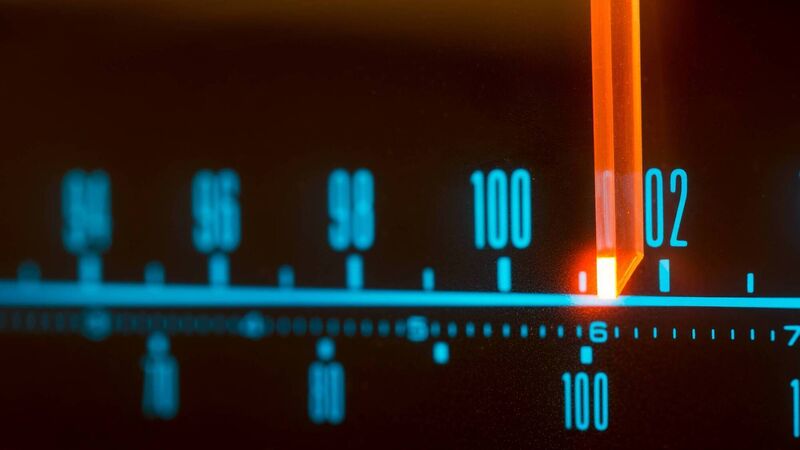
The latest JNLR data shows that an estimated 3.48m people in Ireland — about two thirds of the population — tune into one radio station or another every weekday. Picture: iStock

IT’S BEEN quite a week of changes — our nation state gets a new president, and our national broadcaster rolls out a schedule of new presenters. New faces, new voices. Change, and all that comes with it, gives way to a poignant reminder of things past, and a sense of shift as we try to identify with the new landscape.

Last week’s changes on RTÉ Radio 1 remind me of how important the medium of radio is to so many people. Radio is woven into our daily lives and about 3.5m Irish people tune in every day — about two thirds of the population. 

Why is that? What is the reason for radio’s continued relevance?

Despite over 40 years sitting behind a microphone, I still have to think whenever I’m asked this question. From my own experience, I know that radio is first and foremost a companion. It impacts the life of the listener in a way that’s not obtrusive. It’s a connection to the world, while, at the same time, it’s a distraction. 

It’s also age-agnostic, appealing to every generation — boomers, millennials, gen Xers — and listeners of all ages. If music is timeless, then radio is a form of time travel that brings memories to life. It’s theatre of the mind. Our radio habits become a soundtrack to our lives.

My lifelong love of radio

My love affair with radio began one Sunday afternoon when I was six years old. I heard a song called Goin’ back sung by Dusty Springfield. I couldn’t believe that a small rectangular box on a car dashboard could produce such a stunning and lasting effect. 
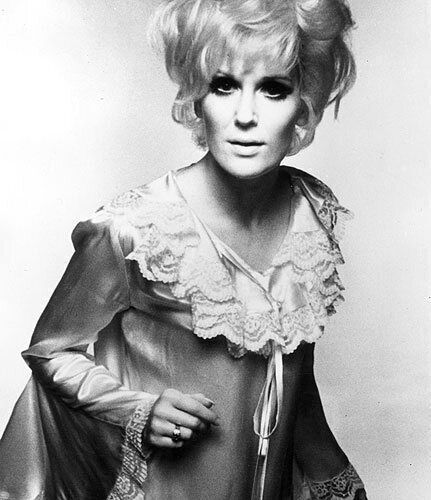
Hearing Dusty Springfield singing 'Goin' Back' sparked Gareth O'Callaghan's lifelong love affair with radio. File picture

It was a defining moment that led to a career I had finally set my heart on by the time I was a teenager. Radio mesmerised me.
It took me to another place with its conversations, and its presenters who had perfected the art of talking to me, of drawing me in. And that is the secret of great radio (and podcasts).

I remember the evening in late 1981 when I told my father over tea that I had been offered a job on radio. 

He smiled, bless him, and replied, “That’s not a job. How long do you think that’ll last?” Almost 45 years actually, and, 19 radio stations later, I still often wonder how it has lasted so long. 

I had been training to be an accountant at the time — a career that, all these years later, still feels about as enticing as chewing a cardboard box (with respect to all accountants reading this).  I could have been sensible and joined the family business. Or chosen a more balanced and secure career path like banker, or garda, or — like two of my uncles — train driver.

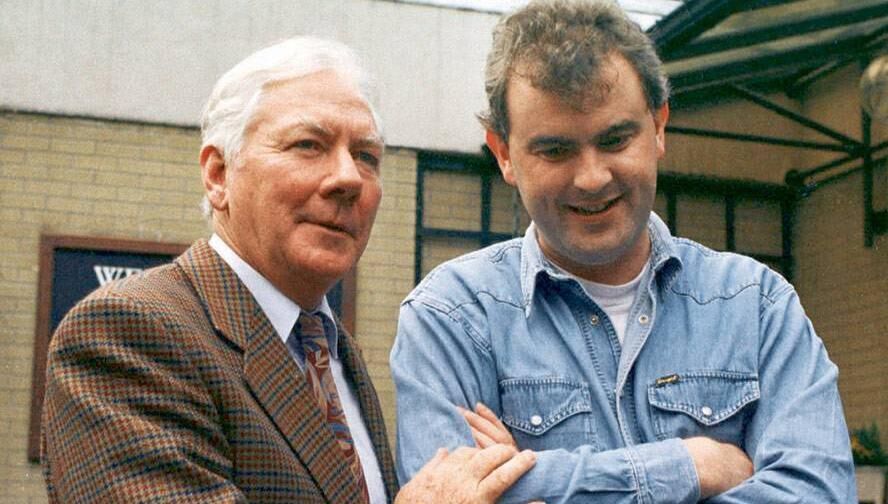
Gareth O'Callaghan with Gay Byrne in 1996. 'I spent almost three years working with Gay Byrne. I learned more about radio in that time than I did in my entire career.' File picture

Maybe some day I’ll settle down and get a ‘real’ job. But for now, I’ll continue to walk on the wild side, so to speak. When you can still get excited about the job you’ve been doing for over 40 years, then you made a good choice, and, more important, a good impression. 

I often think about the time I’ve spent over those four decades sitting alone in a sound-proofed room talking to myself — there are times it felt like that — often for hours on end. I calculated recently that I’ve spent a total of seven years of my life so far in radio studios — about the same amount of time I’ve spent sleeping. 

If it weren’t for the microphone in front of me, or the guests that drop in and out, I’m sure there would be a medical condition to describe it.

It’s a strange way to make a living — if you’re lucky enough to be in that increasingly rare position; but I still find myself occasionally asking the question: Who in their right mind would want to be a radio presenter?

Turned down by RTÉ Radio 2 

Back in those days, there were very few college courses that provided training in media. 
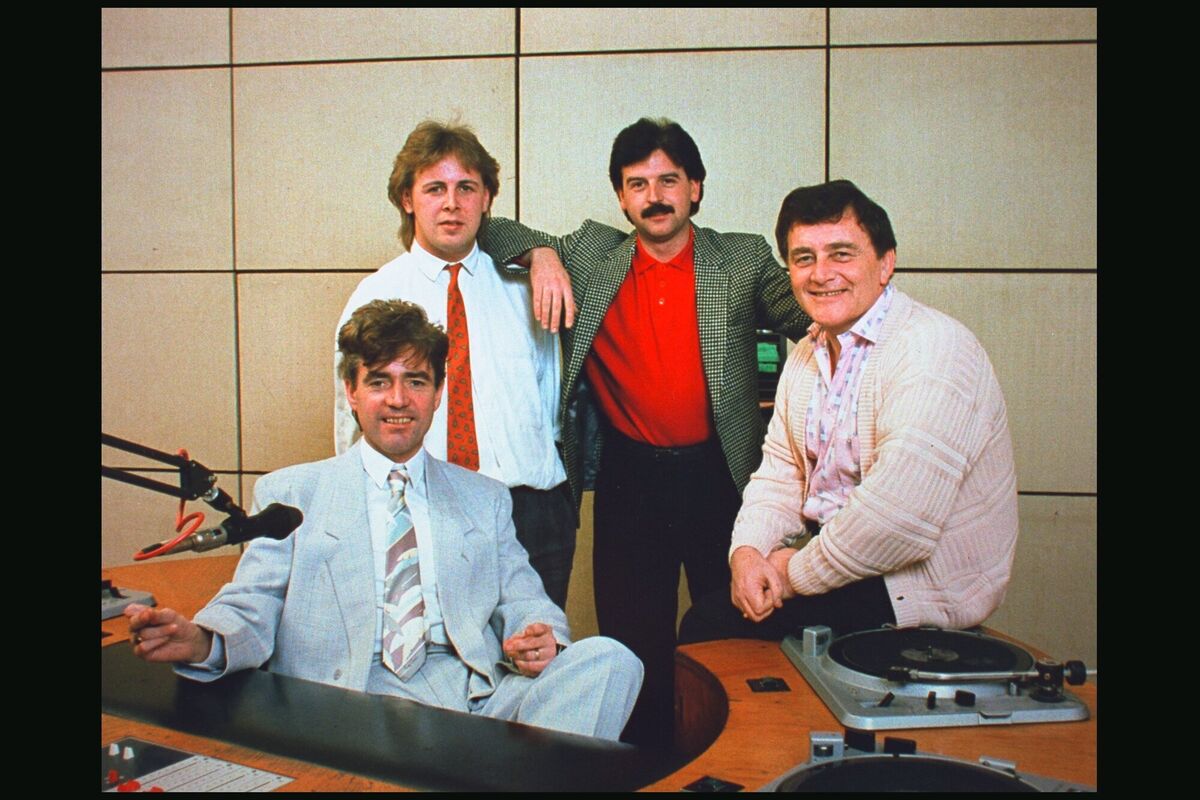
DJs on RTÉ Radio 2 (later 2FM) in 1986: Jimmy Greeley, front, with Ian Dempsey, Marty Whelan, and Larry Gogan. The station was launched seven years earlier with the slogan 'Cominatcha' — but without Gareth O'Callaghan. Picture: RTÉ Archive

In fact, outside of RTÉ, which was next to impossible to break into, there was only a handful of pirate radio stations where most of us learned our trade “on the job” — which mostly consisted of learning by your mistakes and not making them again.

I remember applying to join RTÉ Radio 2 — comin'atcha! — in 1979, only to be told by a senior producer who had listened to a demo cassette tape I submitted that my voice wasn’t suitable for radio. (He later became my boss.) 

Timeless advice from Gay Byrne

I spent almost three years working with Gay Byrne. I learned more about radio in that time than I did in my entire career.

His advice to me was simple: Learn everything you can about everything you see and do, then perfect what you’ve learned. Looking back, it was the best advice I was ever given; and it’s also the advice I give to anyone who is interested in working in the business.

Long before I walked into my first studio, I sat in my bedroom with a radio cassette player and a small turntable. 


'They are words that have stayed with me' says Gareth O'Callaghan of Gay Byrne's welcome when he joined the legendary broadcaster's production team. Picture: RTÉ Archive

I spoke into a microphone (a table tennis bat), and interviewed imaginary guests (pop posters on the wall). 

Even recalling it makes me cringe, but it worked. Practice, practice, practice.

I remember the afternoon I met Gay Byrne. He welcomed me to the radio show. He said: 
I expect total dedication from my team, and that means whatever it takes to make sure the radio show is the best there is — every day. 

They are words that have stayed with me. Recently, I gave a talk to a class of media/journalism students — the broadcasters and producers of the future. Within minutes, I could tell which of them would succeed in what has become a volatile and highly irregular business. They were the ones who kept asking questions and making notes.

Like every career, the path is a long one. Just because you’re a humble intern on attachment to a radio station or a newspaper who starts by making tea and coffee for the guests, doesn’t mean you can’t one day be the boss. That’s exactly how it happens.

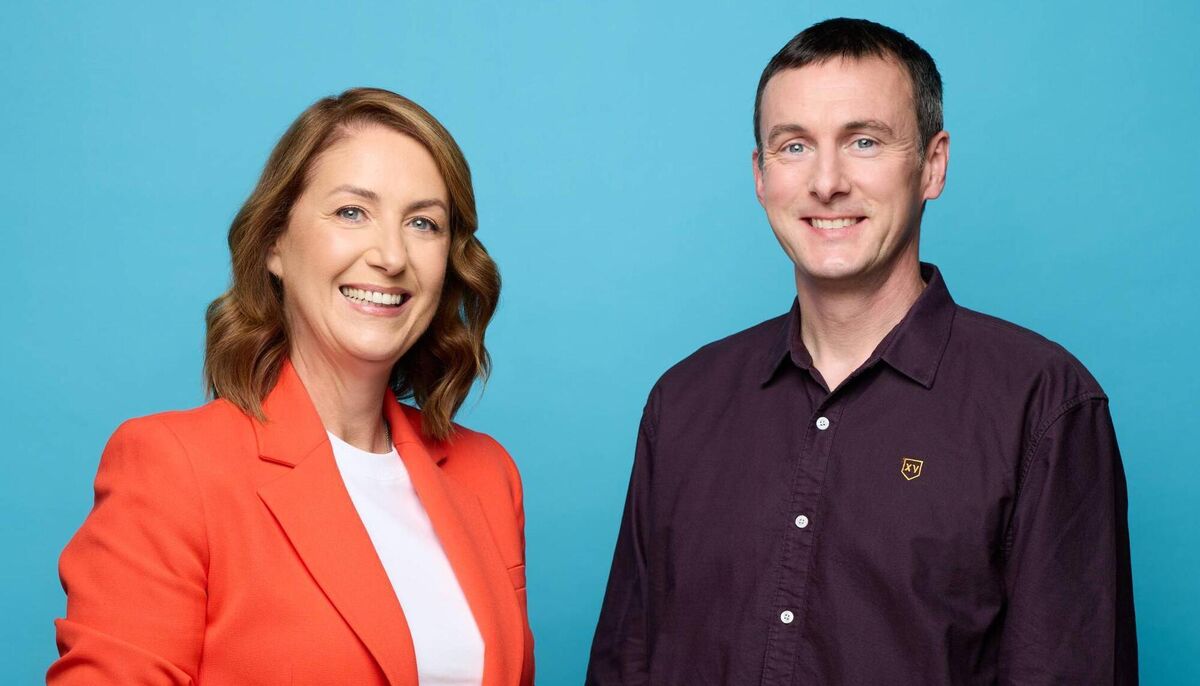
Katie Hannon and Colm Ó Mongáin taking over ‘Drivetime’ is among the changes to RTÉ Radio 1’s lineup introduced this week. Picture: RTÉ

One of the many joys of the job is meeting guests. Their stories enrich my life, and teach me more about who I am. Recently I spoke to Helen about her ADHD. Her diagnosis in her mid-40s, she told me, “felt as though someone had tuned in the radio”. It was the first time she had ever spoken on radio. 

She wrote to me to thank me for giving her a voice.

Broadcasters a part of listeners' lives 

It’s moments like those that make me realise how lucky I am, and how grateful I feel to be welcomed into listeners’ lives every day. It’s when you stop and think about the car spaces, and kitchens, and factories, and other sacred spaces you’ve been heard in that you realise the almost unconscious part you play in the lives of so many people you’ll never meet. 

Radio presenters are, one listener told me once, the glue in the listener’s day.

Listening to those new presenters on RTÉ Radio 1 last Monday, I doubt they were thinking of the impact they will have on the lives of those listeners in the months and years to come, but they will; and perhaps that’s the greatest reward any job can offer.

More in this section