Subscriber

Elaine Loughlin: Economic growth vs public services — Ireland’s hidden crisis behind the boom
A decade after Ireland’s recovery, soaring growth has failed to fix housing, healthcare, education and essential infrastructure
Elaine Loughlin: Economic growth vs public services — Ireland’s hidden crisis behind the boom

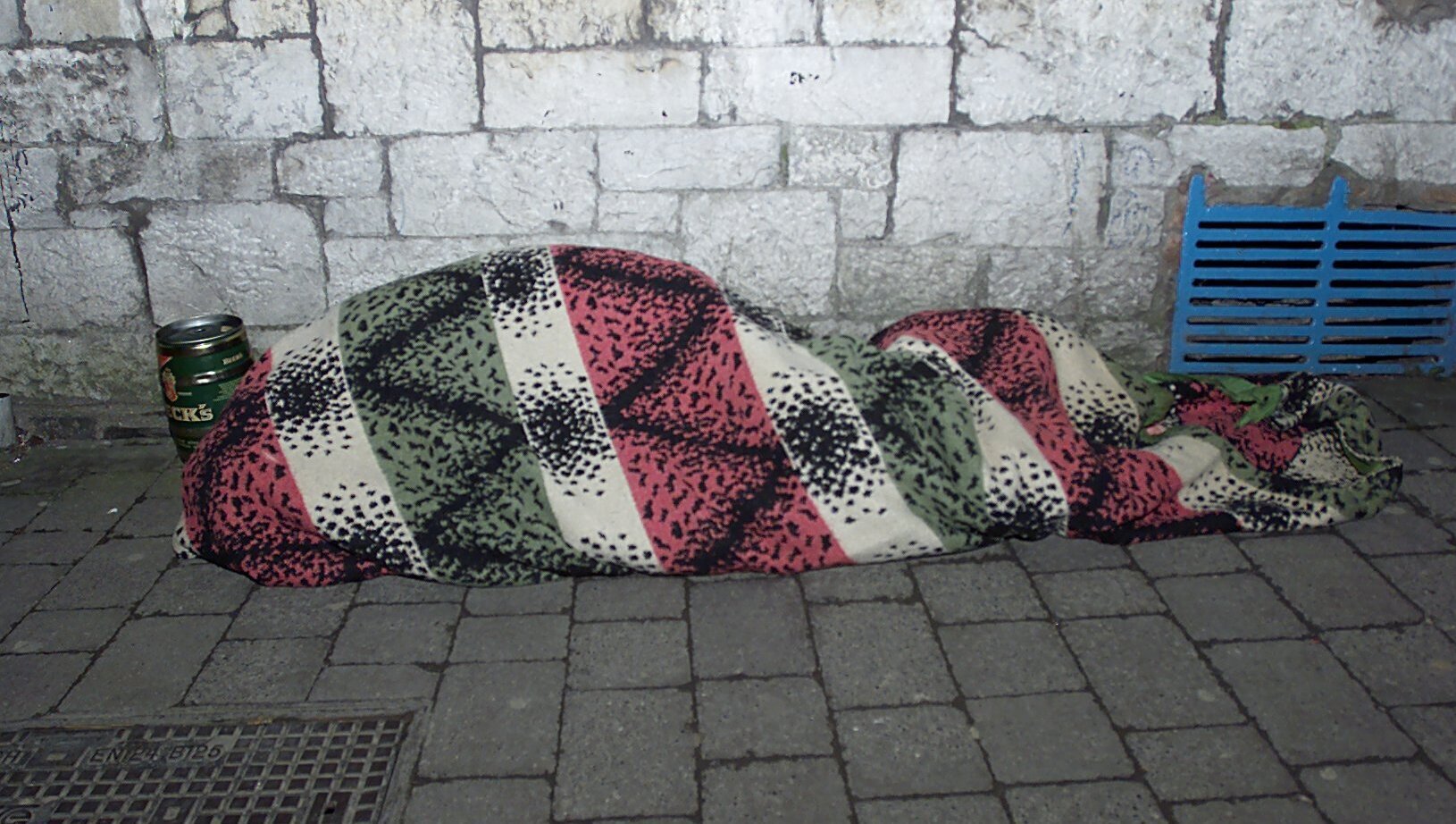
A housing crisis which has seen the number of homeless men, women, and children increase from 6,032 in 2015 — when Noonan delivered his speech — to 15,286 in January of this year. File photo


It was a question Michael Noonan pondered during an International Monetary Fund (IMF) conference in Dublin Castle exactly 10 years ago.

In providing an overview of lessons learned from Ireland’s recovery from the bank-sovereign loop, the then-finance minister suggested to those gathered that there should be a decision of what success looks like at the point of initiation of any future bailout programme.

“Ticking 269 boxes, and saying we did all those things — that’s not success. Getting down a deficit below 3%, and making your debt manageable — that’s not the destination point either for measuring success.

“Success can only be measured in terms of the impact that has been made on the lives of the people,” he said.

In the intervening decade, Ireland has been buoyed by corporation taxes as a roaring economy has led to prosperity and full employment. But what have we to show for it?

A housing crisis which has seen the number of homeless men, women, and children increase from 6,032 in 2015 — when Noonan delivered his speech — to 15,286 in January of this year.

A health sector that has not caught up with technology, and is still relying on pieces of paper at the bottom of hospital beds to track patients.

A yet-to-open National Children’s Hospital that has spiralled both in cost and timescale.

An education system that has forced parents of those with disabilities and additional needs to camp outside in protest as they desperately try to secure school places for their children.

A substandard water system that has thousands of households on boil water notices at any one time, and is also delaying the completion of developments which must join lengthy waits to be connected to the service.

An energy grid creaking at the seams, with two amber alerts issued by provider EirGrid last year and five further warnings that supply was within margins that were considered “not optimal”.

Combined, it all makes for a pretty grim summation of a country where accessing health, education, housing, and basic utilities can be a challenge. The level of investment required is substantial.

Our substandard water system that has thousands of households on boil water notices at any one time. File photo

Uisce Éireann estimates that up to €60bn will be needed to fix known problems across the country’s water and wastewater systems over the next 25 years, with €17bn of that required in the next four years.

This week, the Irish Academy of Engineering questioned whether the Government will be able to achieve its target of decarbonising the electricity sector by 2050 — highlighting “the absence of a plan to deliver the 350 large energy infrastructure projects needed”.

These are all factors that multinational companies seeking to locate, or even expand, here weigh up along with the more obvious considerations of our tax regime and available workforce.

The Government has now, slightly belatedly, admitted that as the economy raced ahead — partly down to an over-reliance on the tech and pharma sectors — it allowed a complacency to set in.

It has taken the utter unpredictability of the Trump administration, that has put global markets on a continuous see-saw and has sparked fears of global recession, for urgent action to be instigated.

Enterprise minister Peter Burke is now working on an accelerated whole-of-government action plan on competitiveness and productivity.

A draft of the 15-point action plan is due to be ready for discussion at a ministerial summit in July.

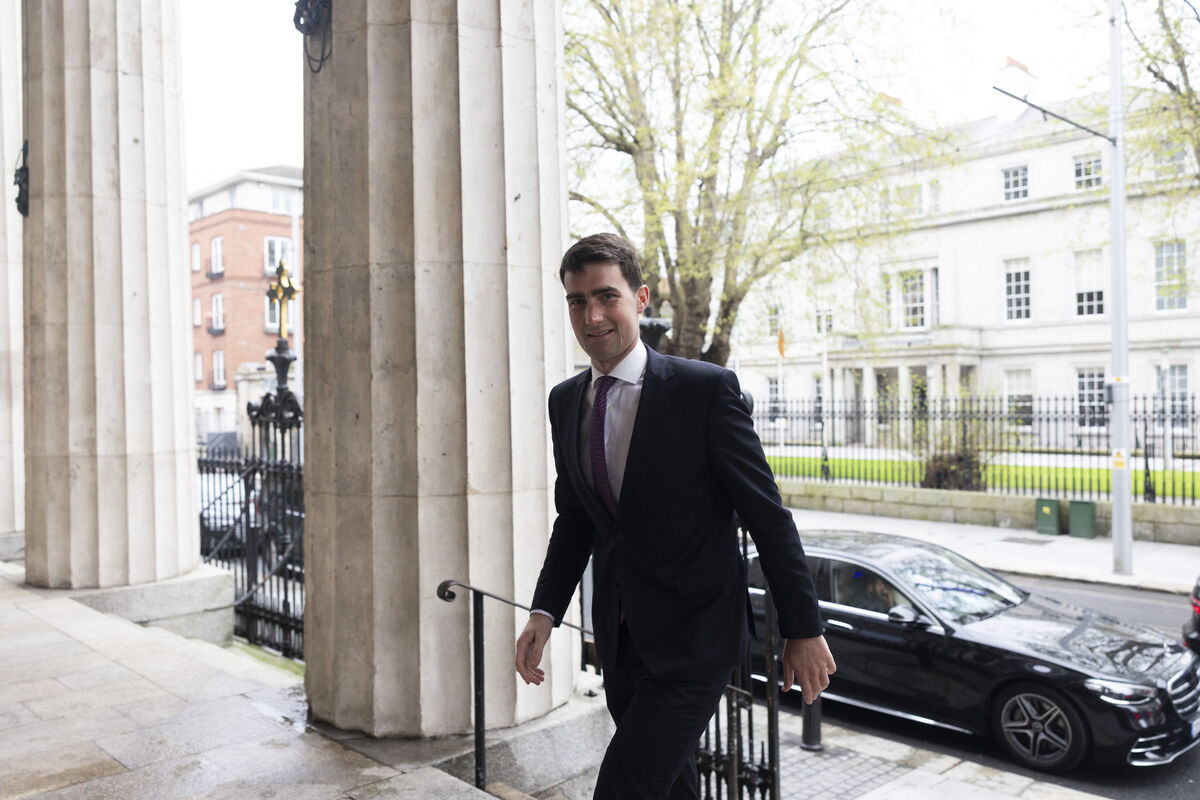
Public expenditure minister Jack Chambers is establishing a new infrastructure division that will accelerate the delivery of projects that impede investment and the creation of jobs. Photo: Sam Boal/Collins

Public expenditure minister Jack Chambers is establishing a new infrastructure division within his own department. It will accelerate the delivery of projects that impede investment and the creation of jobs.

As we fall below other comparatively wealthy countries, both the OECD and the Irish Fiscal Advisory Council have identified the country’s infrastructure deficits as a critical issue.

Ministers have been told to identify two to three large-scale projects that fall within their own departments that can be delivered at speed and within budget.

A separate external taskforce — that will include expertise from the likes of Eirgrid, ESB, and Transport Infrastructure Ireland (TII) — will examine the overall regulation in the Irish economy which has been holding back infrastructure delivery.

Housing minister James Browne has appointed Nama chief Brendan McDonagh as his “maverick” to lead a housing activation unit. The unit will be asked to tackle the “boots on the ground” and operational issues that have stymied the number of houses actually being delivered.

Writing in the Irish Examiner earlier this week, Browne said: “What we do in the next 90 days will decide the pathway for the next five years, and I intend to get it right.”

Alongside the medium- to longer-term plans being worked up across a number of departments are a suite of immediate measures designed to bolster business resilience and support competitiveness. Ensuring a competitive edge will come at a cost.

Long-mooted plans to increase statutory sick leave from five days to seven have now been paused over concerns that certain sectors, such as hospitality and retail, would be particularly impacted.

The introduction of pension auto-enrolment has also been pushed beyond its intended start date of September, with uncertainty as to when the measure will now come into force.

The Government is delaying the full application of a living wage by three years, with the measure now due to be implemented by 2029.

The living wage itself is set at 60% of the median wage of any given year and is now calculated to be €14.75 per hour as opposed to the minimum wage which is at €13.50 per hour.

The measure, aimed at supporting the lowest-income households, had been due to replace the existing minimum wage structure next year but the coalition has now warned that such a move would leave Ireland in a very “unsustainable position” to remain at full employment.

There is always a trade-off and the coalition, in scrambling to protect business, is sidelining further supports and protections for workers.

In years to come, will all of this be measured as success?

More in this section