Mick Clifford: Sinn Féin has a lot done, but more to do for its past to be forgotten
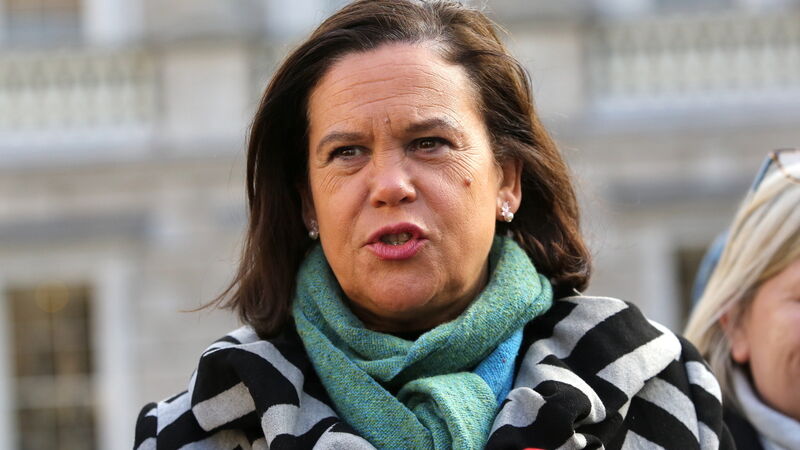
The smart money says that Mary Lou McDonald was hesitant on the no-confidence motion against the Justice Minister because they knew that the government parties would reach for shovels to dig up its embarrassing past. Picture: Gareth Chaney/Collins Photos

Sinn Féin was hammered unfairly in the Dáil this week. During a vote of confidence motion in the Minister for Justice, Helen McEntee, a succession of government deputies associated the party with the murder of gardaí, covering up child abuse and killing children with bombs.
The association for all this was via, what was referred to as, the party’s “sister organisation”, the Provisional IRA.
The Fine Gael deputies were in their element. They revelled in assailing the high moral ground on the party’s once favourite topic, law and order. They listed off the various gardaí who had been murdered by the Provos, and juxtaposed that with the Shinners now claiming that the gardaí were not being properly supported by the government.
The line of attack was unfair. Linking today’s deputies with the iteration of the party when it was little more than a front for the Provos is below the belt. Only one deputy on the Sinn Féin benches, Dessie Ellis, was ever charged with explosives-related offences. None of the party’s standard bearers in the Dáil ever had anything to do with terrorism or bombs.
A senior figure in the party, Liam Lappin, recently submitted to the High Court in pursuit of a libel action that the IRA was “a criminal and terrorist organisation”. For all we know, this may well be a widely held view within Sinn Féin today.
The distance from the past was referenced during the debate by Sinn Féin’s Donnchadh Ó Laoghaire. “For the last hour of so, we listened to attacks, not on Sinn Féin, but on the party the government would like Sinn Féin to be,” he said. Hard to argue with that, but recent events do suggest that while the party is not what the government might want it to be, perhaps neither is it exactly how it presents itself.
The motion of no confidence was in response to the perceived mishandling of security on the night of the Dublin riots, November 27. McEntee has been under pressure because the gardaí lost control of the streets for a number of hours.
Strangely, it was more than a week after the riots before Sinn Féin lodged the motion. Its reluctance to act decisively was at odds with the surefootedness most of the frontbenches have shown in dealing with bread and butter issues. For instance, if Fianna Fáil pre-2011 had been in opposition after an event like the riots, they would have slapped a motion down the morning after, freighted with the opportunism.
The smart money says that Mary Lou McDonald was hesitant on this one because they knew that the government parties would reach for shovels to dig up the embarrassing past. In fact, it may not have occurred at all had McDonald not made a major error in producing a photograph of a homeless man outside the school where the knife attack took place on November 27. The photo was a cheap stunt that went badly wrong and required some deflection. Hence the late-in-the-day no confidence motion.
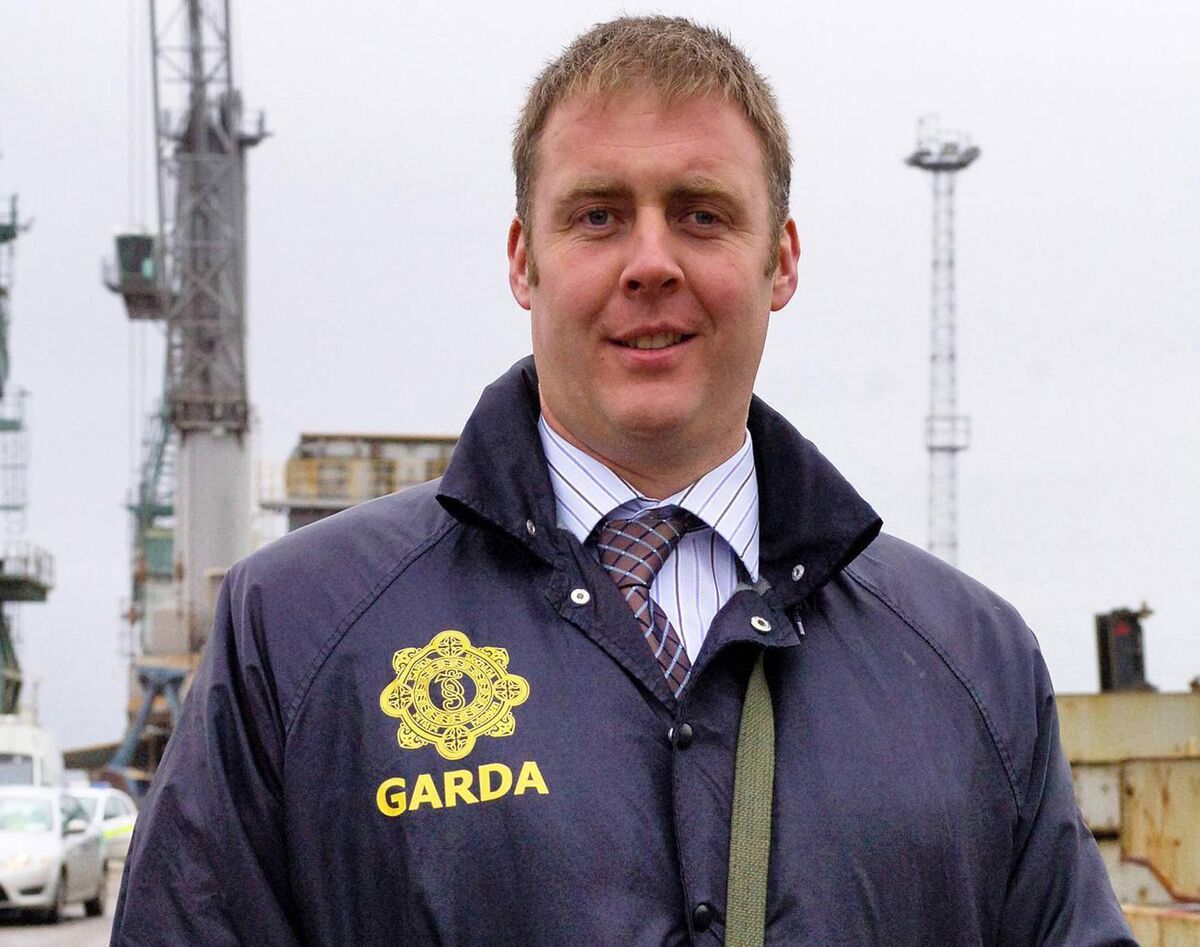
While the references to the murder of gardaí during the Troubles was unfairly attributing historic baggage, there was a matter about the gardaí in recent times that raises questions about how near or far the current iteration of the party is from its past.
In 2017, during the investigation of the murder of Garda Adrian Donohoe a potential witness was approached by the gardaí. He said he would have to consult with the party before making a statement.
Detective Pat Marry went to Sinn Féin Louth councillor Antóin Watters for help but the councillor told him that was a matter for HQ.
The detective subsequently went to then Louth TD Gerry Adams who according to the detective responded two weeks later to say “that man has been spoken to and told that absolutely, if he wishes to, he should to talk to the guards and make a statement”.
By any standards, that was a highly unorthodox engagement with the gardaí by a political party in a longstanding democracy. In this instance the witness wasn’t central to the investigation, but if he was, two weeks is a long wait in the heat of a murder investigation.
There are other recent matters that throw up questions about the party’s complete alleged departure from the culture that pertained during the Troubles.
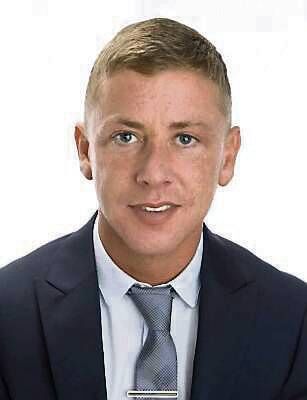
Jonathan Dowdall, the criminal associated with the Hutch gang, was a Sinn Féin councillor for a period nearly 10 years ago. When he was being vetted by the party in 2011, he was asked about a rumour that he had shot up his uncle’s house. Dowdall denied it.
But how many political parties in the western world are ever compelled to ask a potential public rep whether they had shot up a house and what efforts were made to verify his denial?
Another issue around Sinn Féin’s subscription to full democracy is its attitude to the media’s function. A whole slew of libel writs issued in recent years have given rise to fears that there is a campaign to silence those who might question the unorthodox aspects of the party.
Reporters without Borders and 14 other civic organisations, including the Index of Censorship, last month wrote to McDonald to express alarm at the trend. “We urge you to be mindful of the chilling effect that legal actions have, not only on the media, but on our democracy,” they wrote.
Attempting to eliminate any kind of neutral watchdog in a democracy has been popular in places like Trump’s America or Erdogan’s Turkey but we were under the impression that proper standards still applied here.
All of this is against a background of unbelievable luck when it comes to fundraising. In 2019, a man with a psychiatric history, who lived in a caravan in Wales, left the party €4m. The following year a park ranger in the USA bequeathed €286,000. This kindness of relative strangers is something that normal political parties would die for.
To be fair, the party is going in the right direction. The comparisons made in the Dáil during the week are well out-of-date. Similarly, it is not the party of the immediate post Good Friday Agreement years, when members were associated with various mafiosi-style or grudge murders and other criminality.
Even since 2020, as the party’s socio-economic compass has moved towards the centre, so also have efforts to conform to democratic norms. Still, there remains concerns that Sinn Féin continues to operate with an a-la-carte attitude to full democracy, taking much of it as it suits, tolerating more of it, but quietly refusing the parts that might upset the party’s palate.
At this stage, 26 years after pledging full allegiance to democracy, they’d want to get the skates on and complete the job. Perhaps they could adopt Bertie Ahern’s old election slogan. A lot done, more to do.
CONNECT WITH US TODAY



Be the first to know the latest news and updates