Budget 2027: Provision to be made for new public sector pay deal, says Jack Chambers
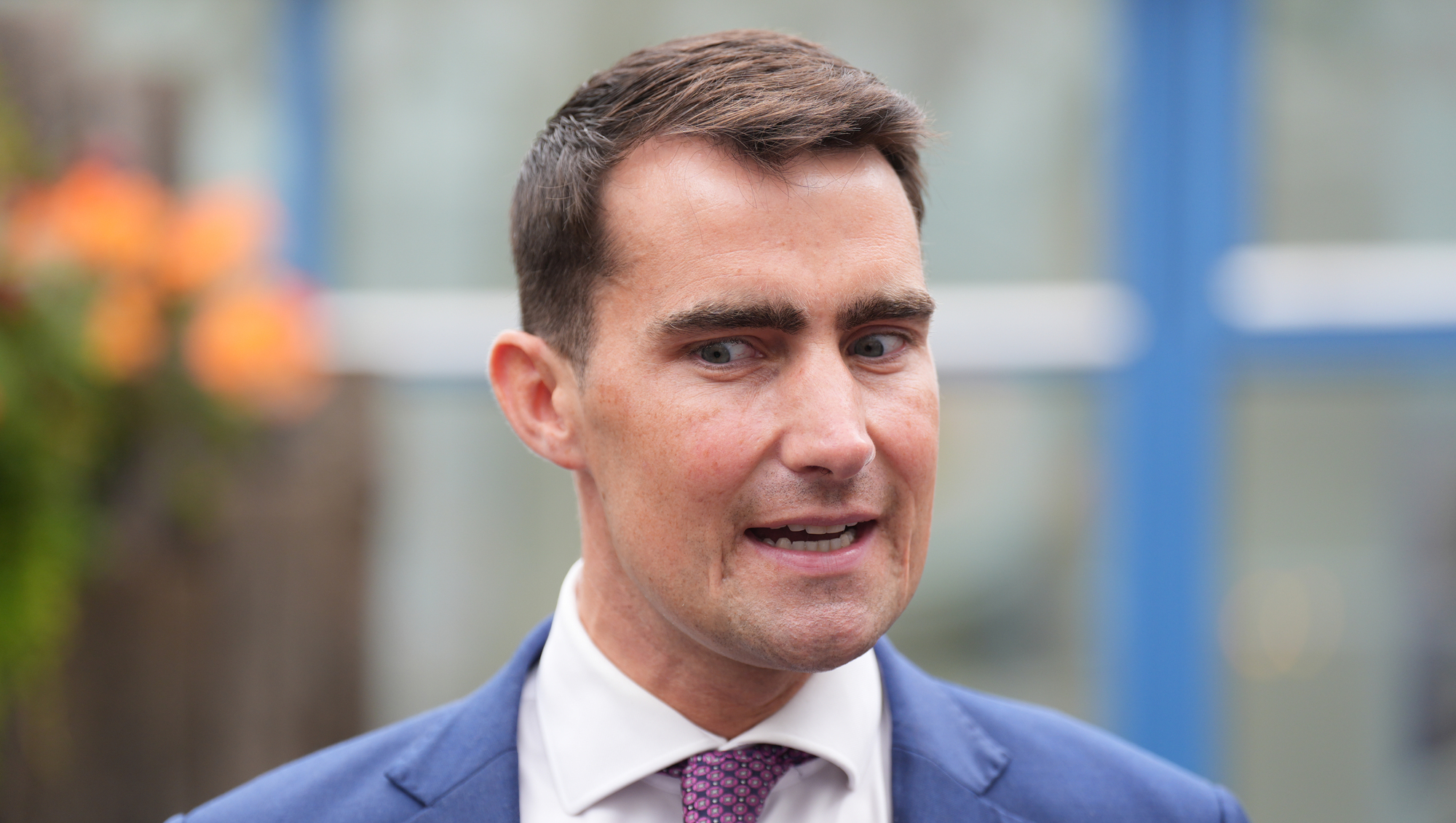
Jack Chambers: 'We should avoid unnecessary disruption on wider sectors of the economy and indeed on people who rely on services.'
The Government wants to avoid the disruption of public sector strikes and remains ready to enter pay negotiations, public expenditure minister Jack Chambers has said.
He called on union leaders to engage in talks, saying provision would be made in next month's budget for a new public sector pay deal.
His comments came after Siptu confirmed that more than 10,000 health workers will take part in a one-day strike in October as part of a dispute over public sector pay.
"We should avoid unnecessary disruption on wider sectors of the economy and indeed on people who rely on services," Mr Chambers told the Oireachtas budgetary oversight committee.
Sinn Féin TD Máire Devine questioned if the Government would be facing into a “winter of discontent” as unions agree to strike action.
“It would be prudent to sit around the table and try and thrash out another deal, agreed by all,” Ms Devine said.
Read More
Mr Chambers said the Government wants to make provision for public sector workers.
“We’ve demonstrated that we’ve been a good employer. We’ve given a fair pay to public sector workers in the last series of agreements and we’re open to discussions from now,” Mr Chambers said.
He said he would urge unions to come forward for negotiations and that funding provision for an agreement would be made in Budget 2027, to be announced on October 6.
Questioned by Fine Gael TD Edward Timmins on the prospect of more long-term budgeting, Mr Chambers appeared to push back on any such plans.
Mr Chambers said different demands on Government spending can emerge during the course of a year, making it necessary for the Government to take budget decisions on a year-by-year basis.
“Clearly Government priorities can change through an administration,” he said.
Under further questioning by Fine Gael TD John Paul O’Shea about the prospect of multi-annual funding, Mr Chambers said the Government is seeking to “moderate wider spend”, which necessitates tighter spending controls.
Mr Chambers said the charity sector had raised concerns with him about the impact of annual budget cycles on staff retention.
He said: “The challenge is where you get a level of expenditure beyond what was allocated in certain areas. That undermines the ability to do that in other areas."
He said there is a need for flexibility within budgeting, adding that if there was a change in the global economy, this could require spending to be reprioritised.
Meanwhile, Tánaiste and finance minister Simon Harris said the Government would be making its decision in the days ahead on how to split tax cuts between adjusting income tax bands and tax credits.
Mr Harris said changes to tax credits would assist all workers, rather than those in the higher-income bracket.
In his opening remarks, Mr Harris said the Government would use its resources to “help people who work hard to get ahead, not just get by”.
Mr Harris said: “We want people to feel the benefit of hard work in their own pay packet. Our priority for this budget is to reward hard work and cut the costs of everyday life, childcare, and energy."
The Tánaiste said the Coalition would support older people, carers, and those with disabilities, referring to the contribution they make and “the security they deserve”.
He said: “Budget 2027 can be summed up as: Work hard, get ahead, build more, and deliver better."
Meanwhile, Mr Chambers told the committee that the Government must “strike a careful balance between maintaining investment in Ireland’s future and ensuring public spending remains sustainable over the medium and long term”.
- Tadgh McNally, Political Reporter
CONNECT WITH US TODAY



Be the first to know the latest news and updates